The next part of our road trip takes us from Angers, and on to Amboise, Poitiers, Angouleme and Bordeaux.
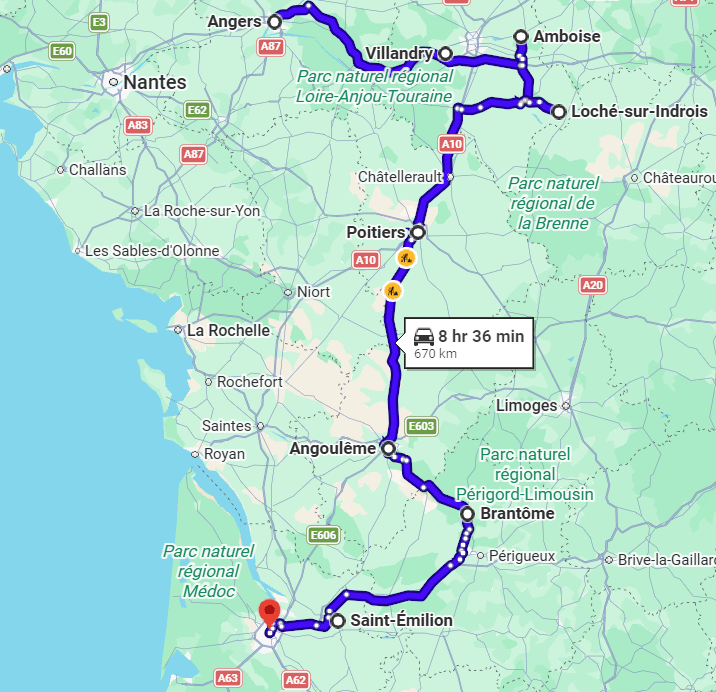
Day 10 – Angers, The Loire.
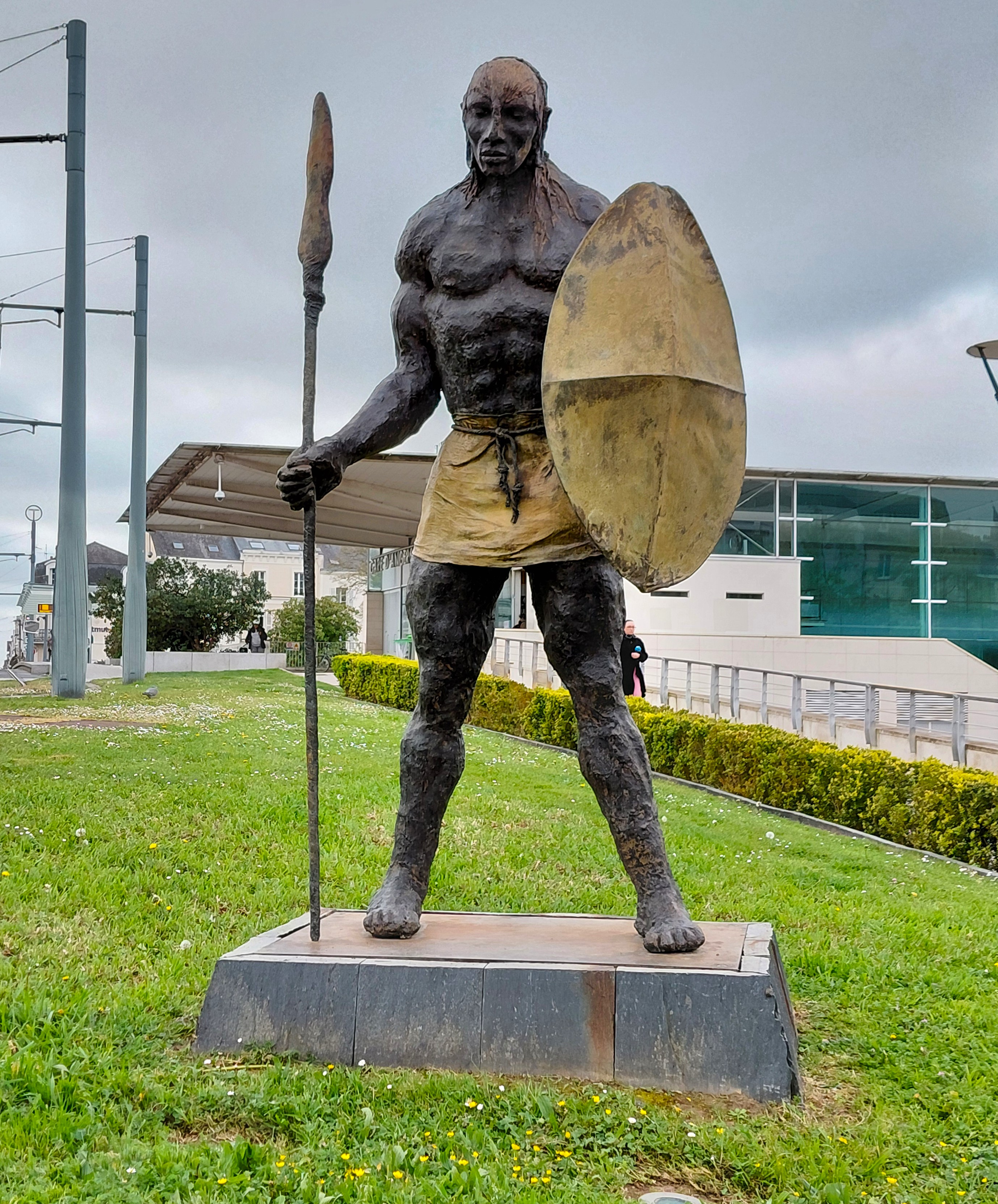
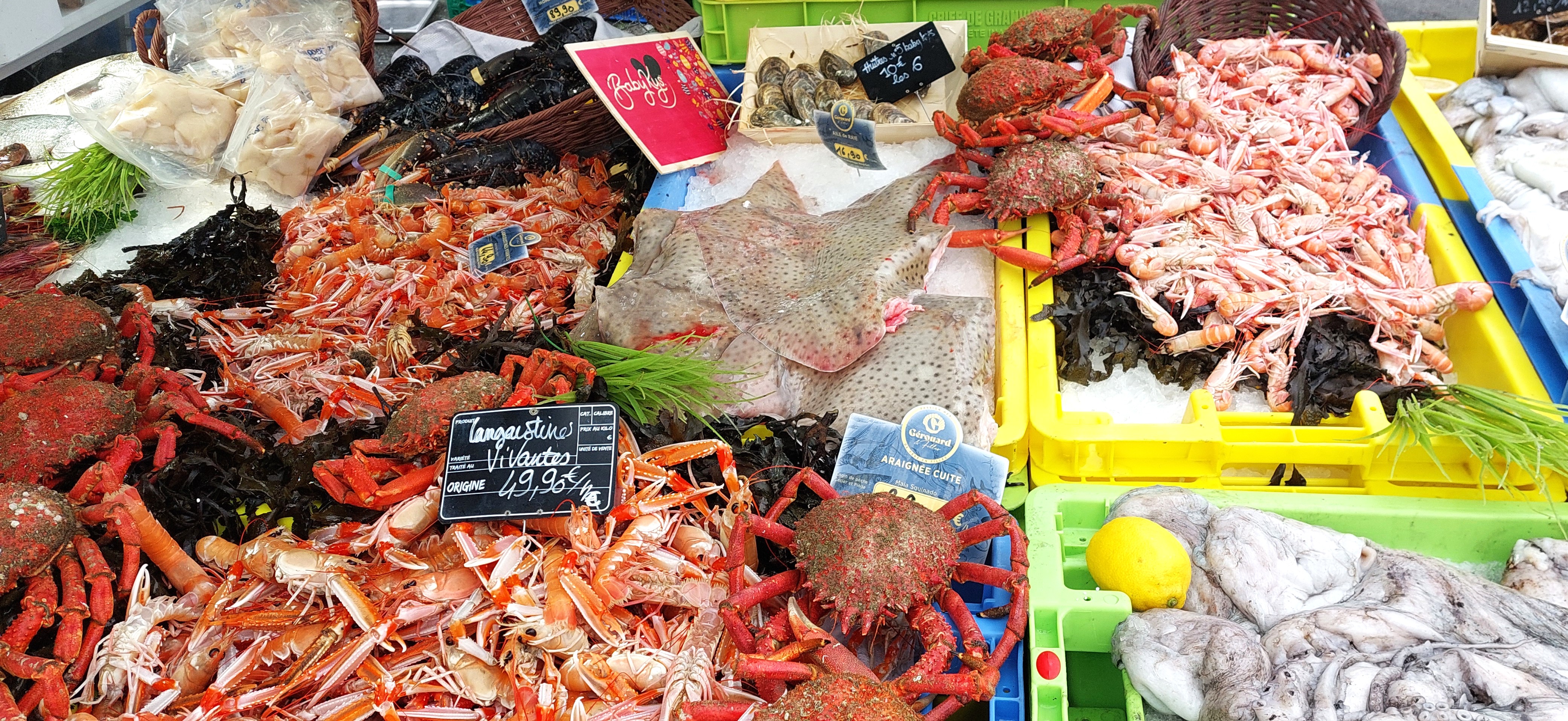
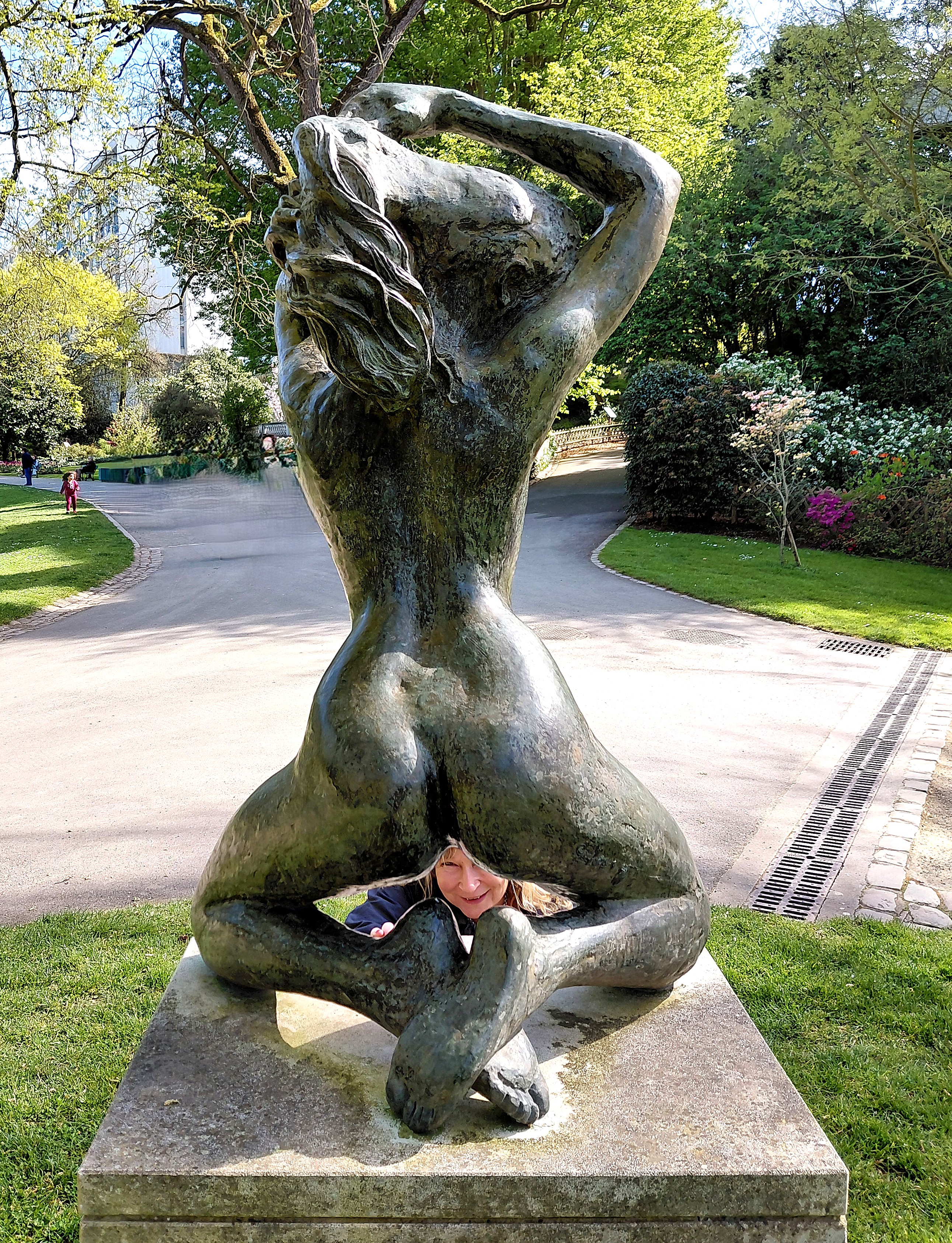
We had the whole day to explore Angers, an attractive town spread over both sides of the River Maine. We started off at yet another wonderful market based around Place Lafayette before passing by Guerrier debout (Standing Warrior) statue, we could not make our up mind whether we loved it or hated it! We then hopped on a tram to Château d’Angers.
Château d’Angers / Apocalypse tapestry
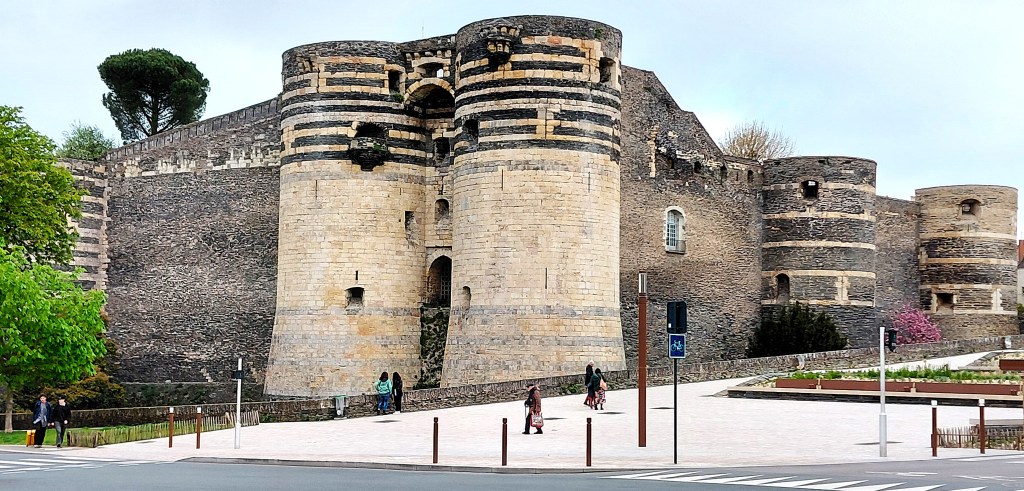
The Château was founded in the 9th century and the walls are immense. Over the centuries it has been used as a fortress, a royal residencewhich was built by King René in the 1430’s and a prison. It’s also well known for being the home of The Apocalypse Tapestry.
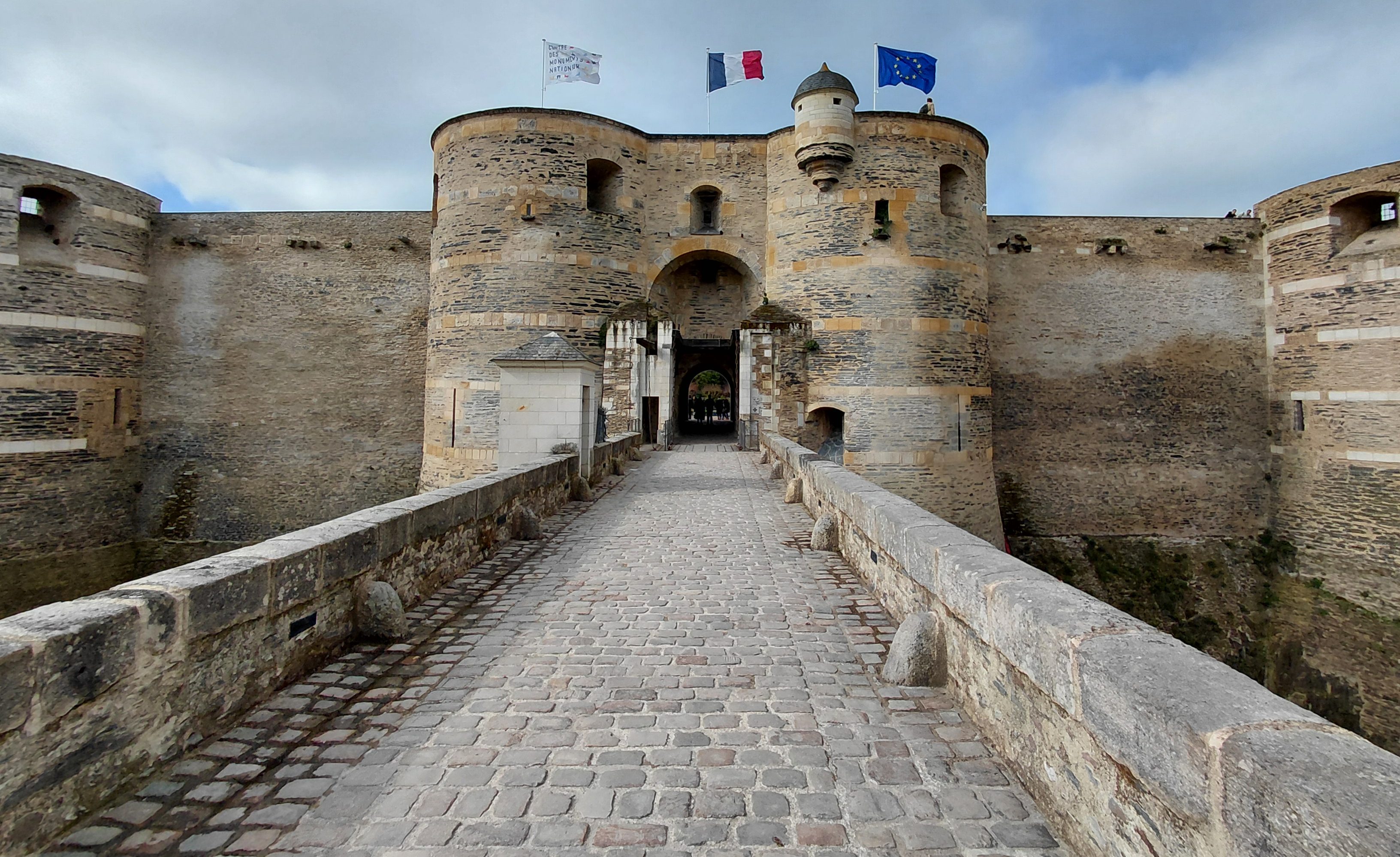
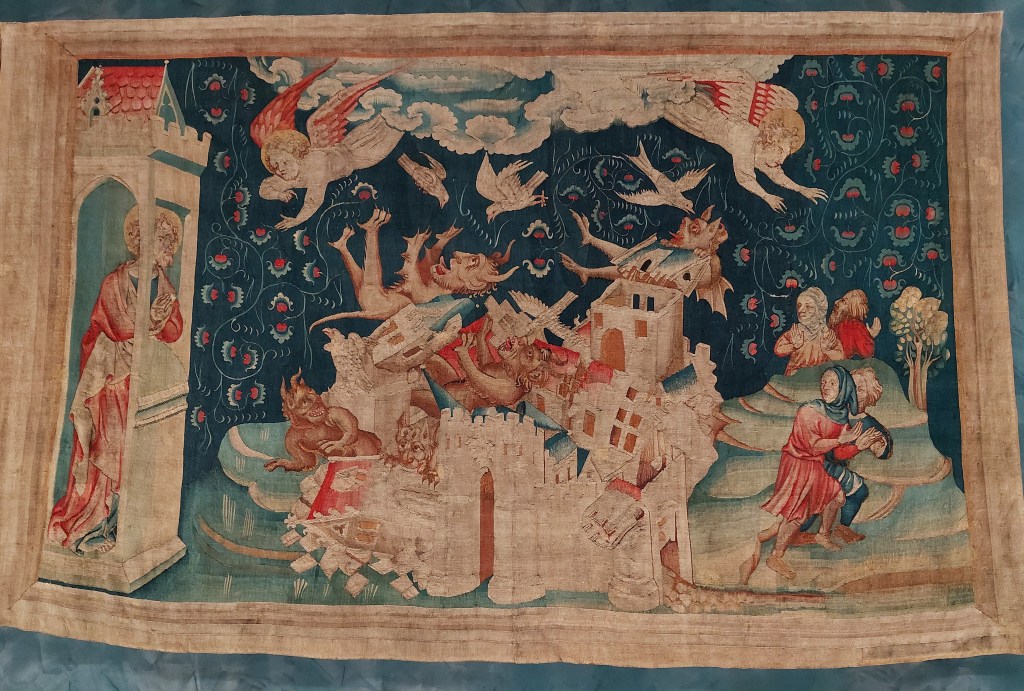
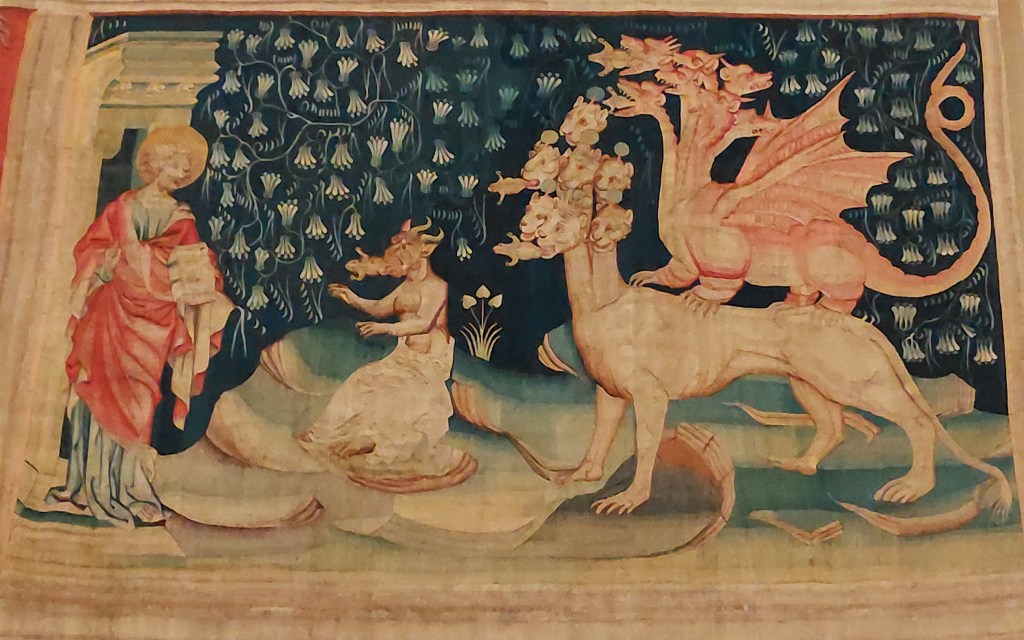
The tapestry was woven between 1373 and 1382 and was originally over 140m long! An impressive 100m still survives today and it is on display in a specially designed and dimly lit room. The tapestry tells the story of the Apocalypse, also known as The Book of Revelation written by St John in the 1st century.
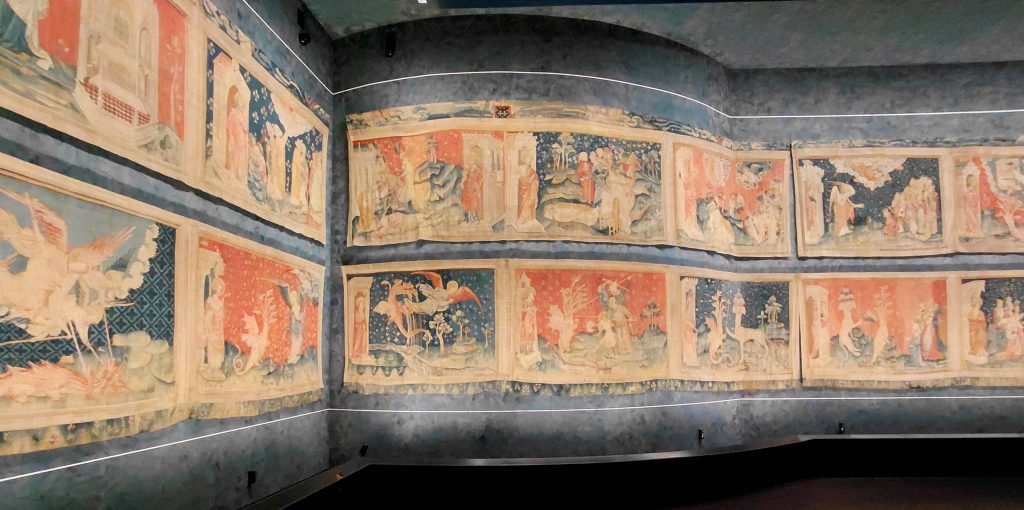
The exhibit hall was not busy so we could spend our time to take it all in. The tapestry was incredible, so very detailed and our experience was enhanced by an English language audioguide.
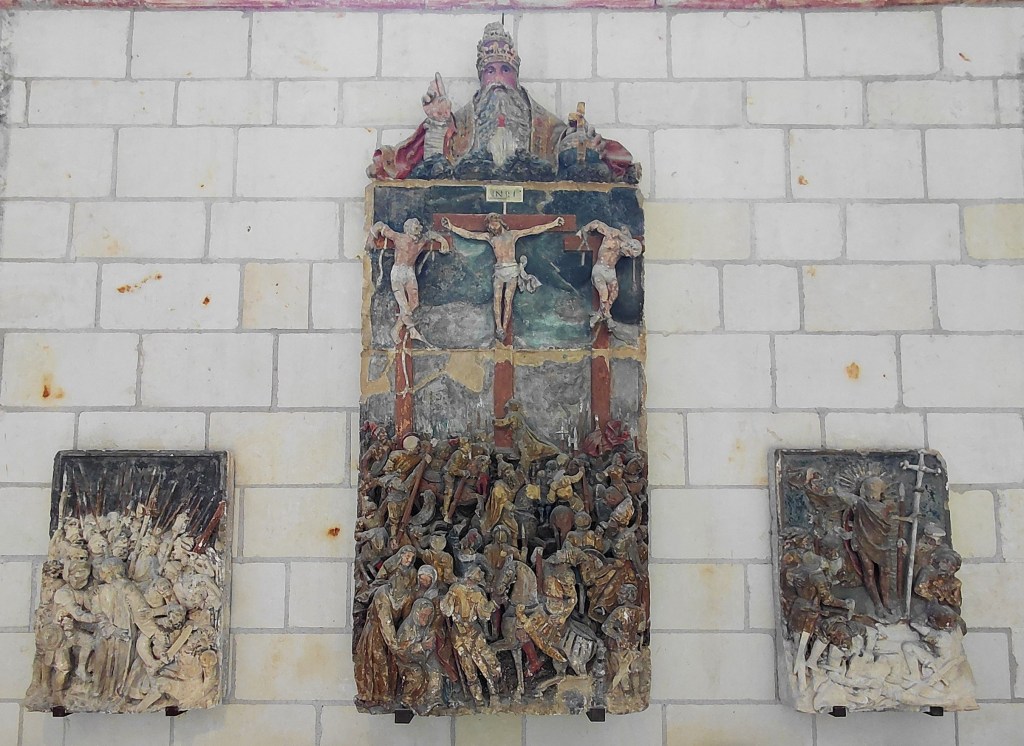
After viewing the tapestry we visited the single nave chapel which was built in the early 15th century, we particularly liked the carved altarpiece of The Passion of Christ.
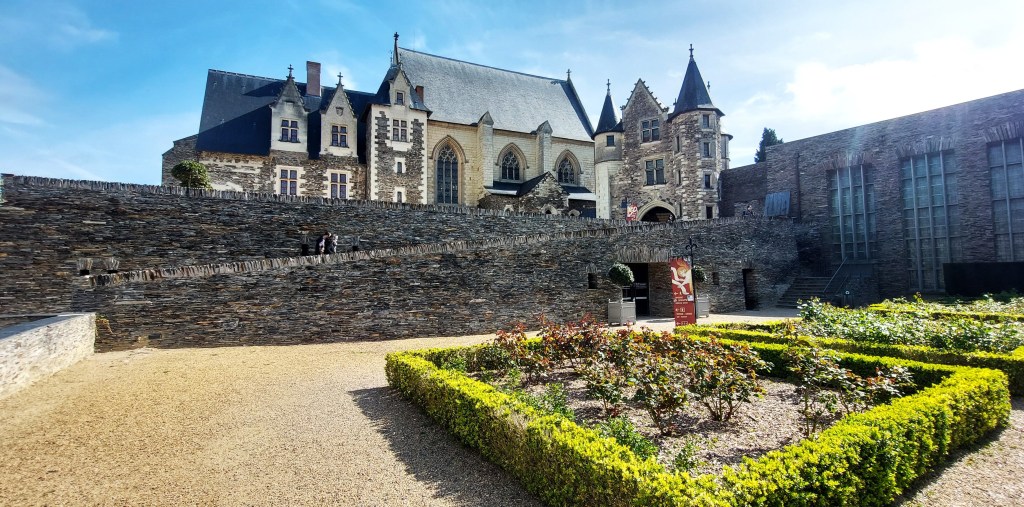
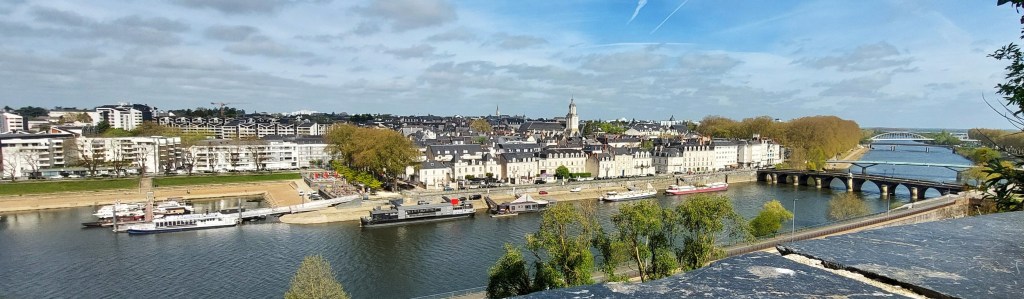
We then ambled along the walls to take in the views before having a simple picnic lunch on a bench just outside of the Château.
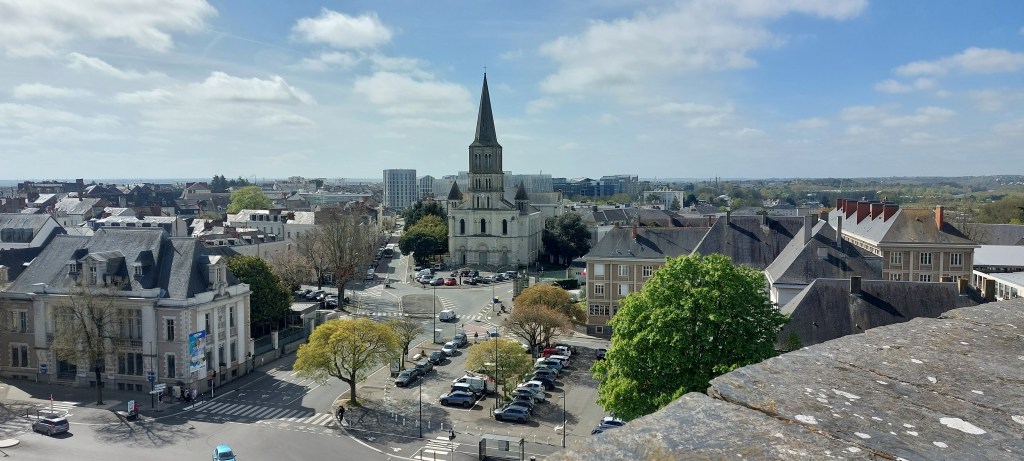
The Cathedral
Cathédrale Saint-Maurice d’Angers dates from the mid 12th century and looks mighty fine when viewed from the stairs opposite the main entrance. As we approached, the entrance, which was under restoration did look rather odd, much too plain and shiny, we hoped this was just work in progress.
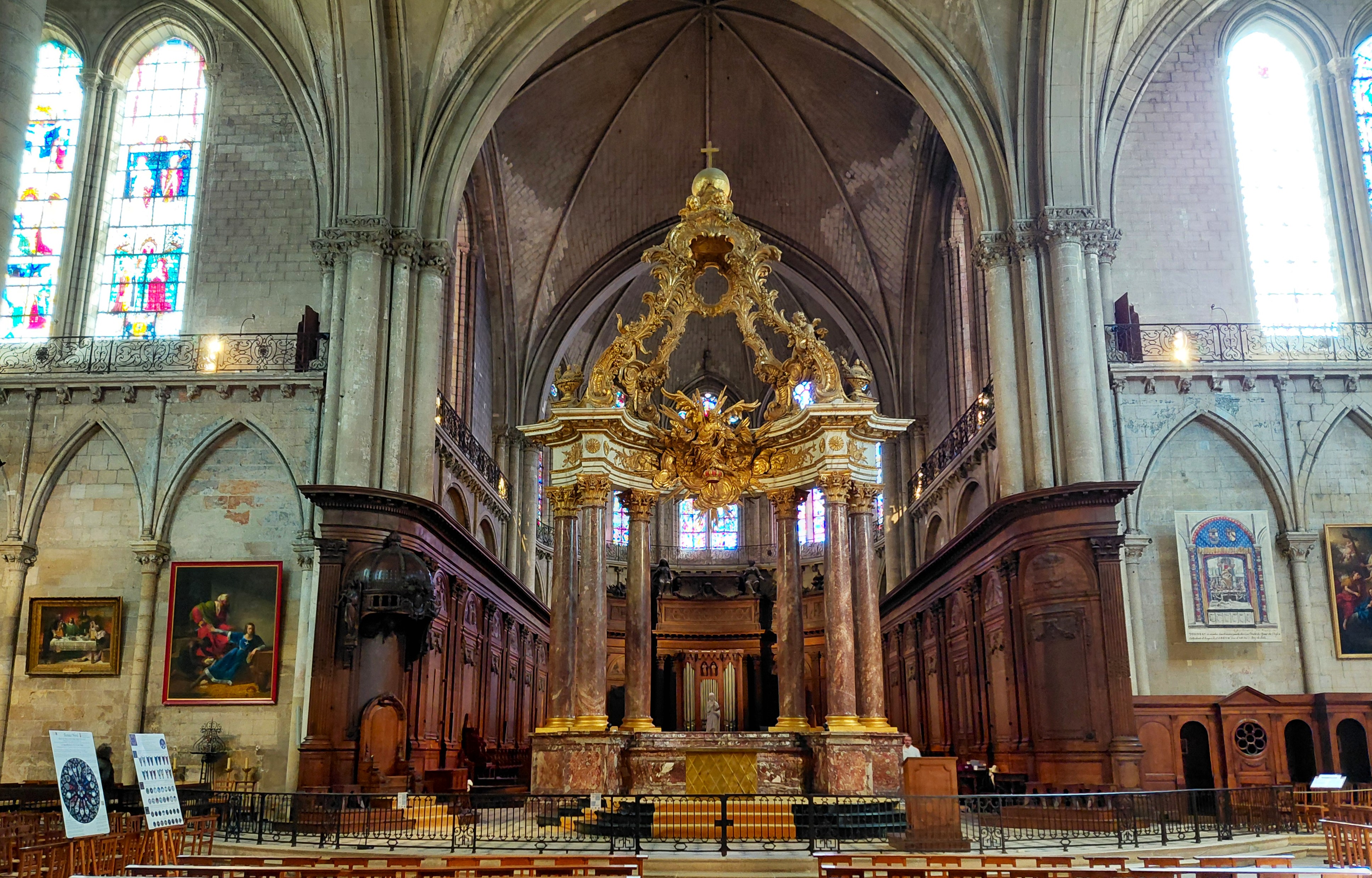
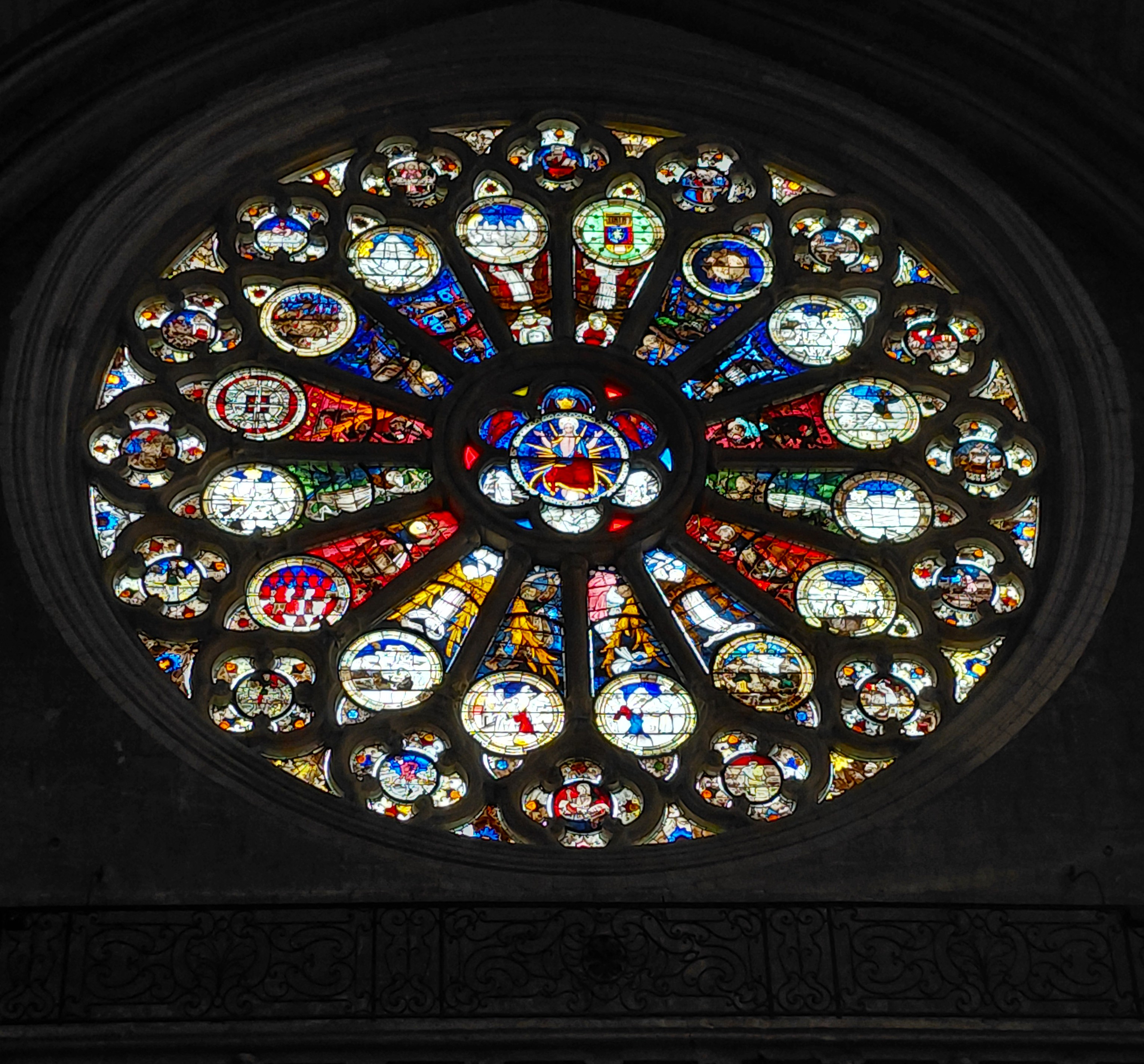
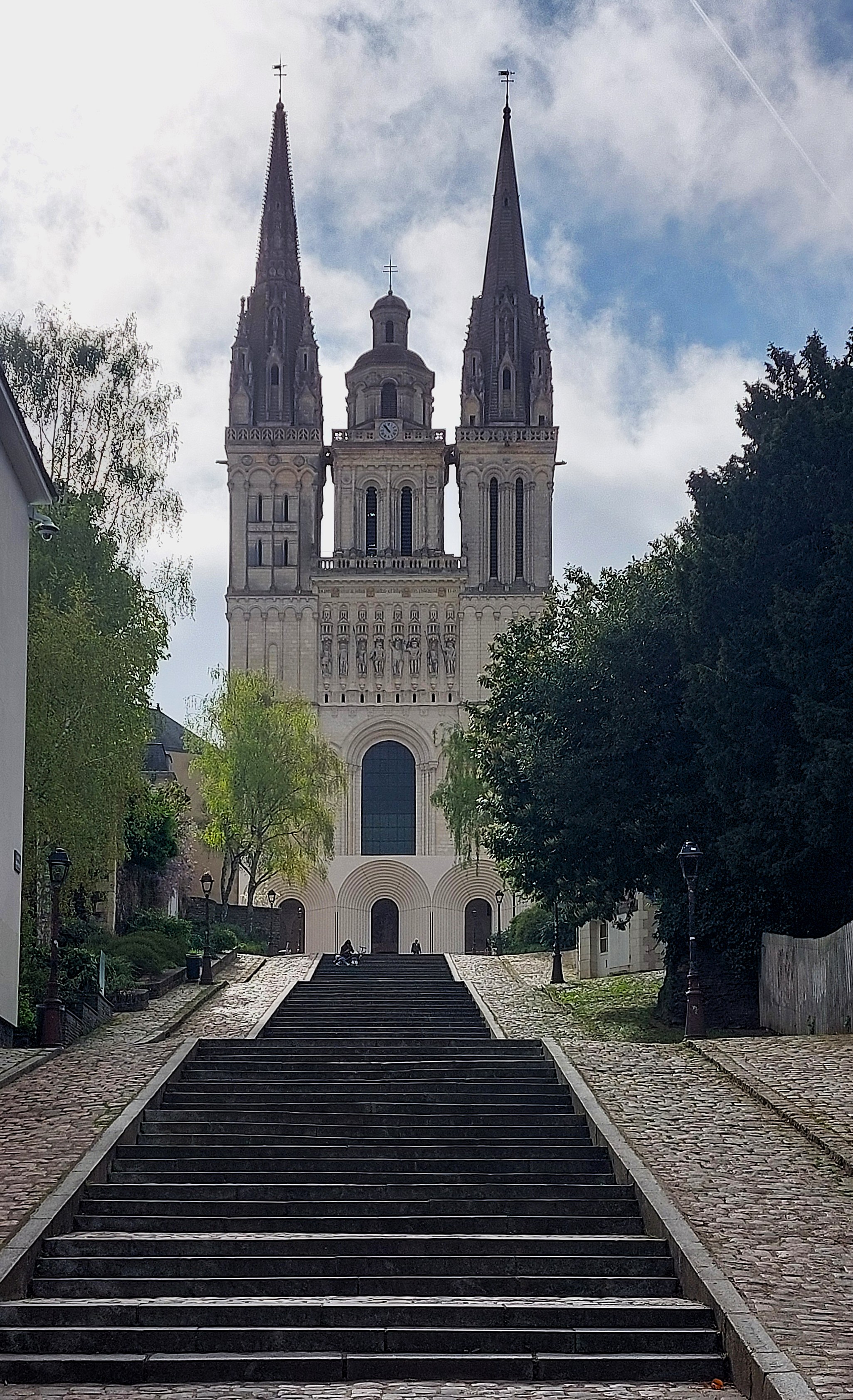
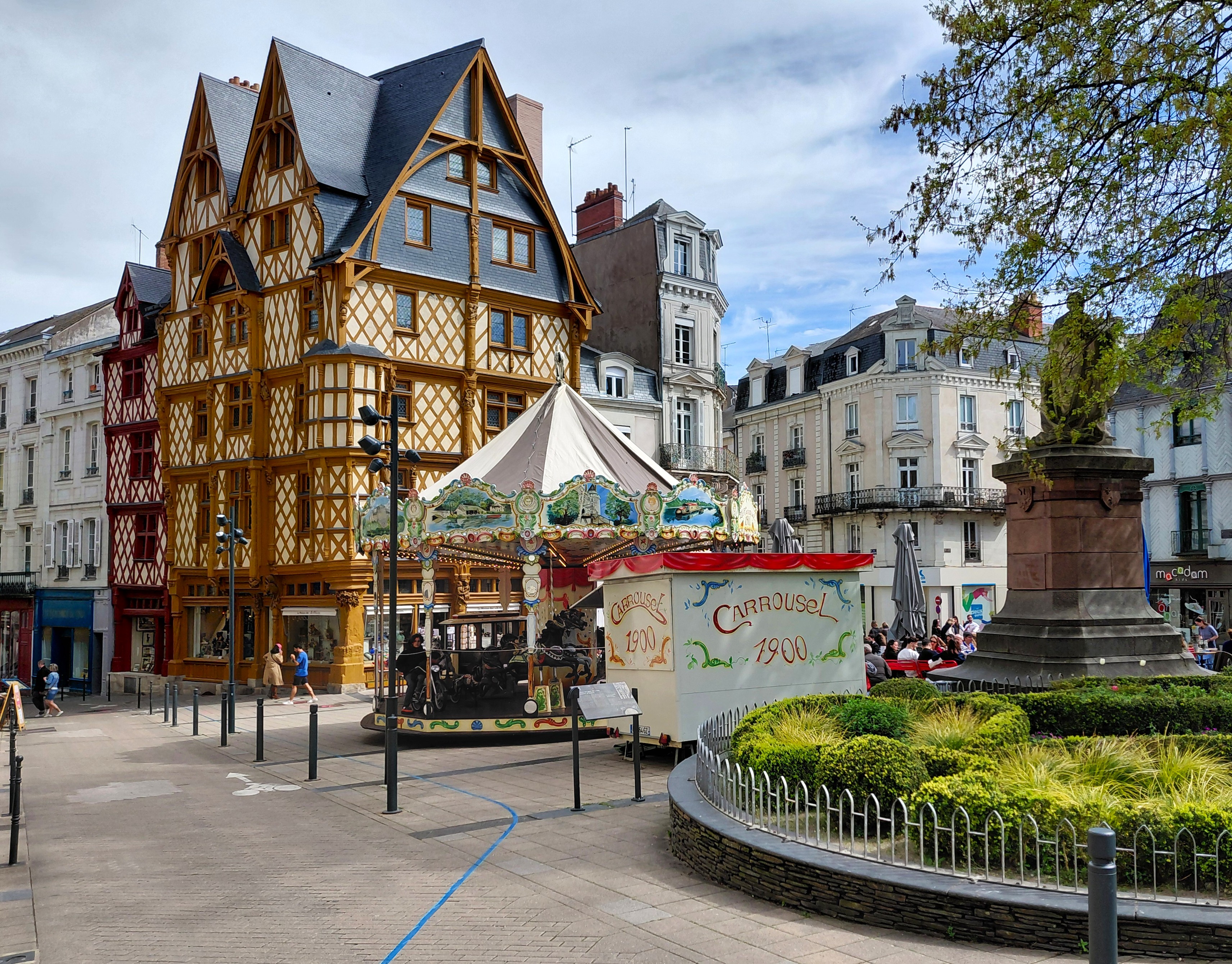
The highlight were the wonderful stained glass windows. The rose window displays the second coming of Christ and was crafted by master glassmaker André Robin in 1452. From the cathedral we made our way past the handsome 20th century Église Notre-Dame des Victoires through the attractive town centre and timber frame houses to the Jardin des Plantes for a rest.
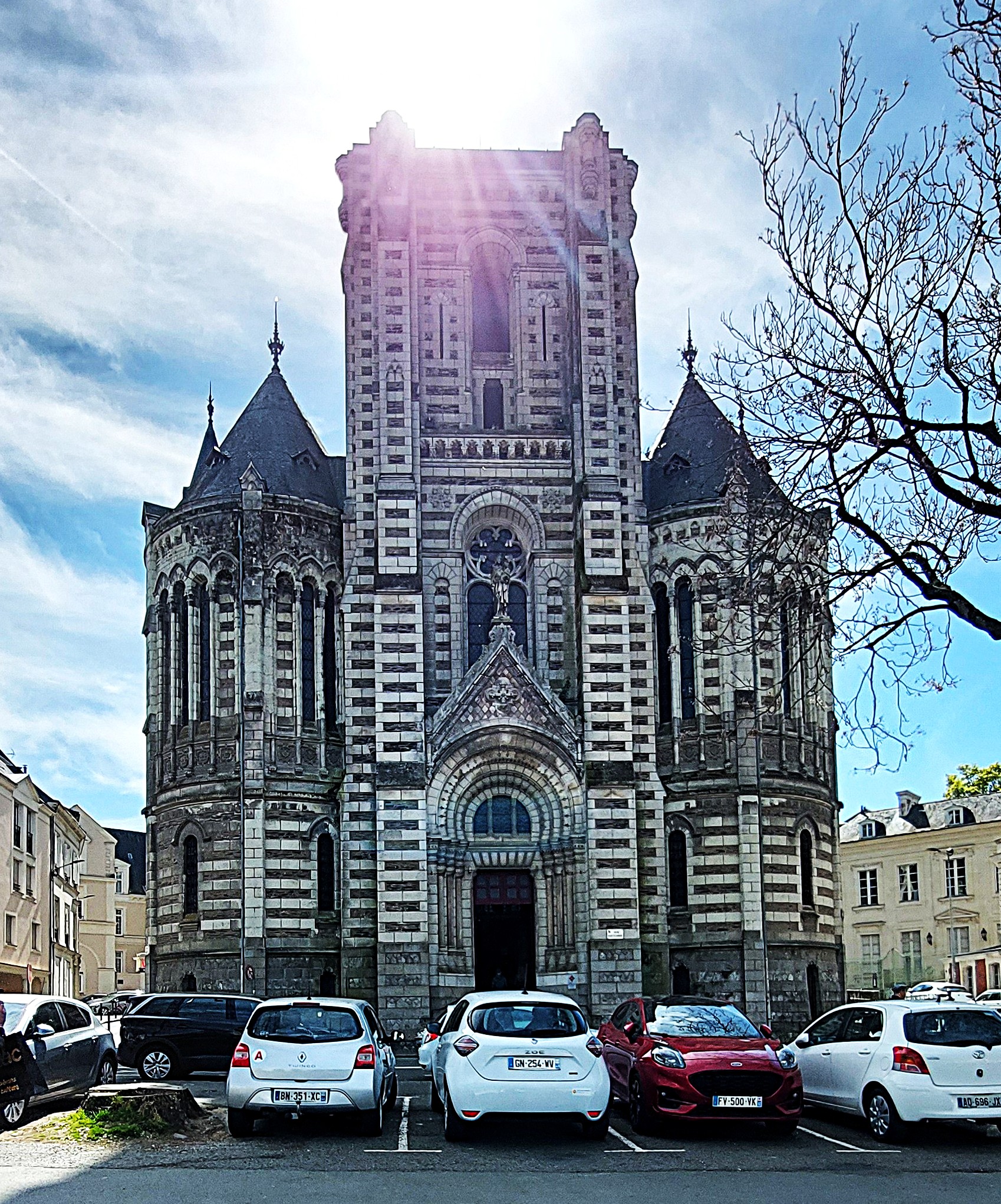
Jardin des Plantes
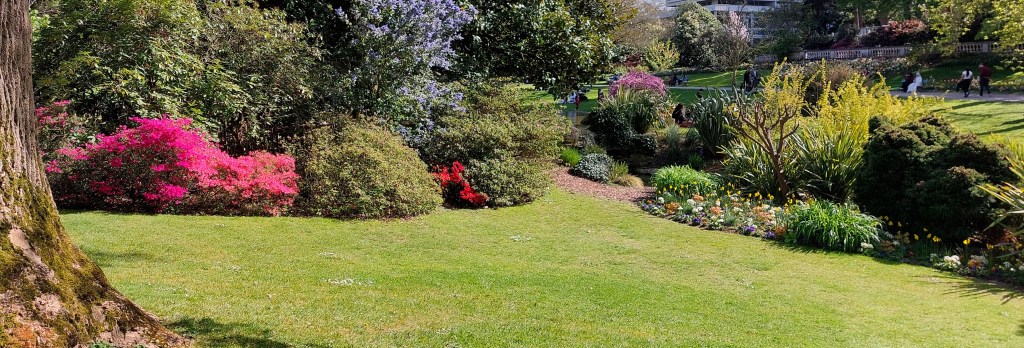
The botanical gardens, now a public park was established in 1777 and redesigned in 1905. It was the perfect place to have a nap on a warm sunny afternoon.
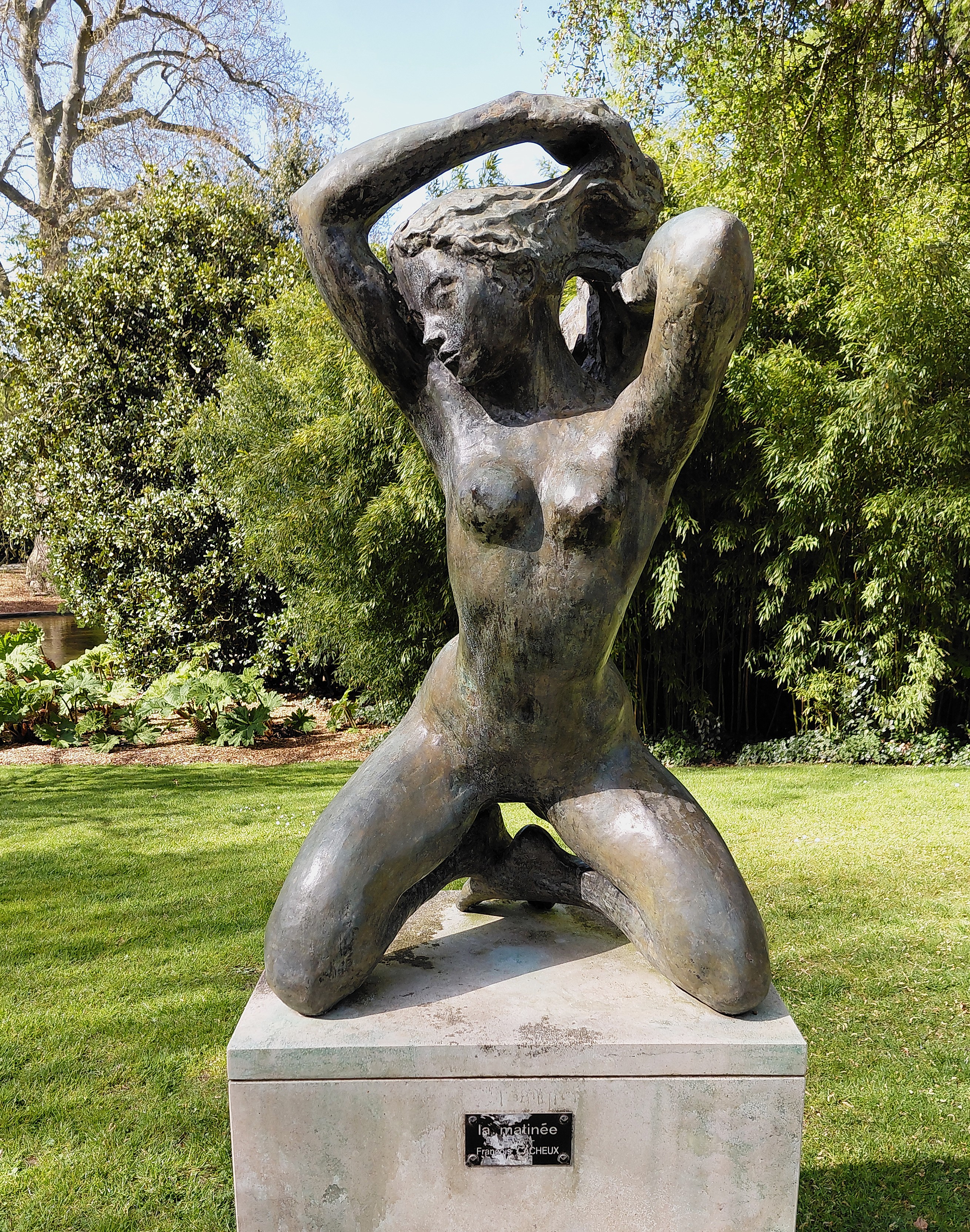
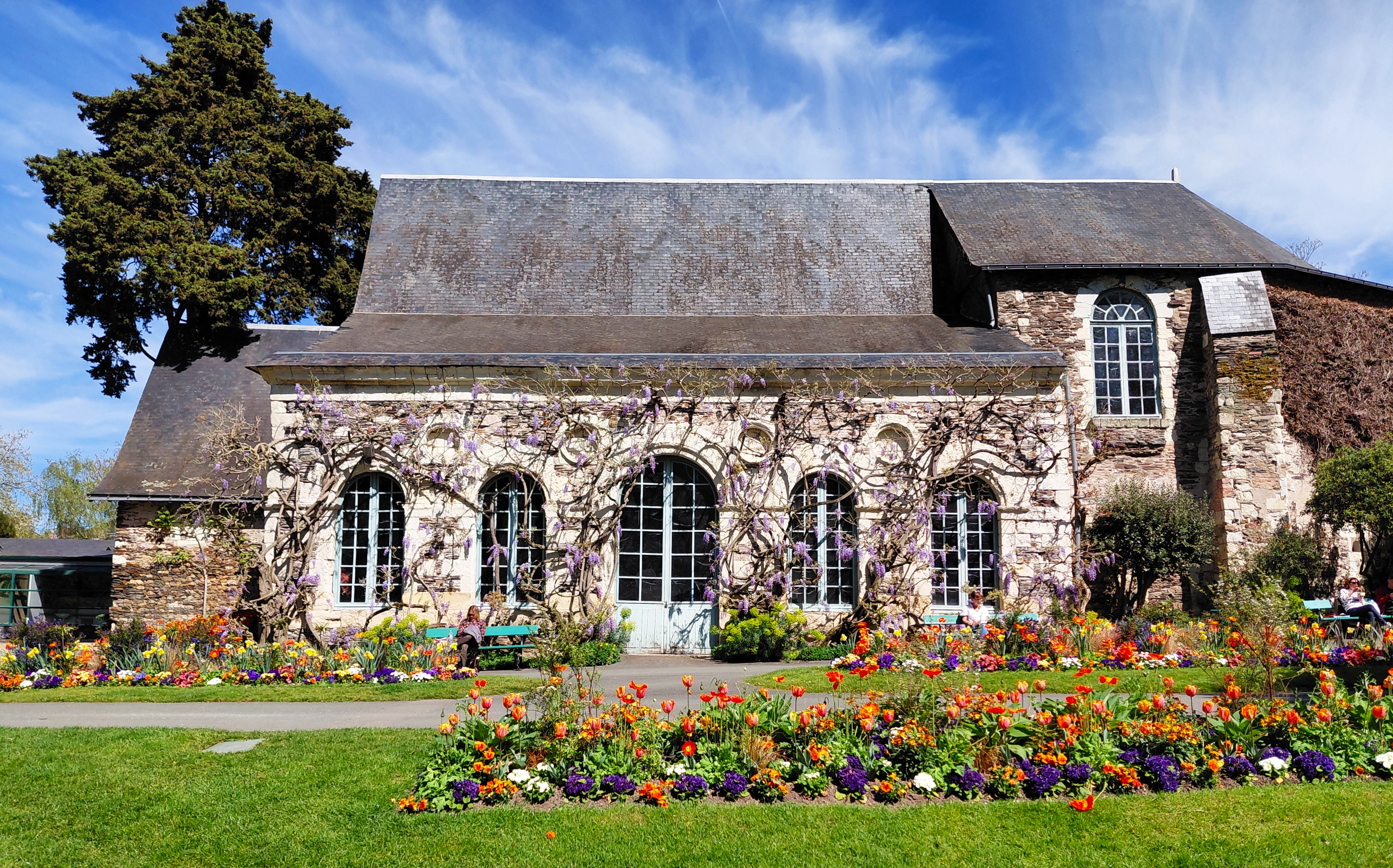
I was feeling a bit peaky, I suspect this was possibly due to the amount of meat and cheese that I had consumed over the last few days. So tonight we opted to have a simple dinner at home.
Day 11-To Amboise, The Loire.
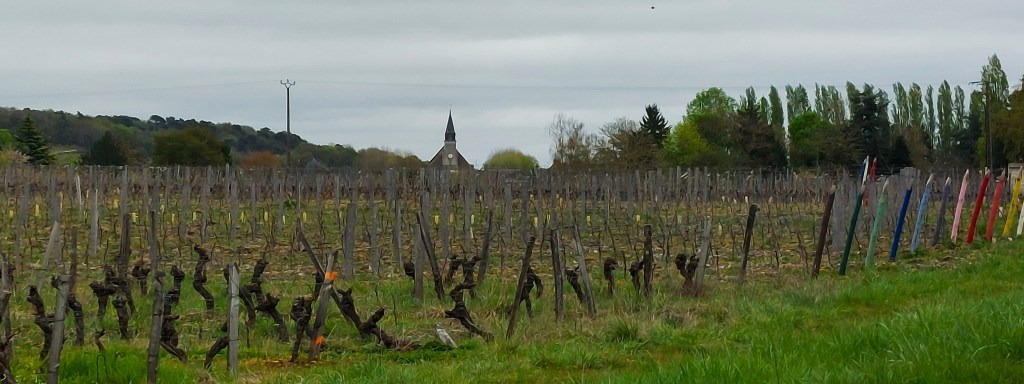
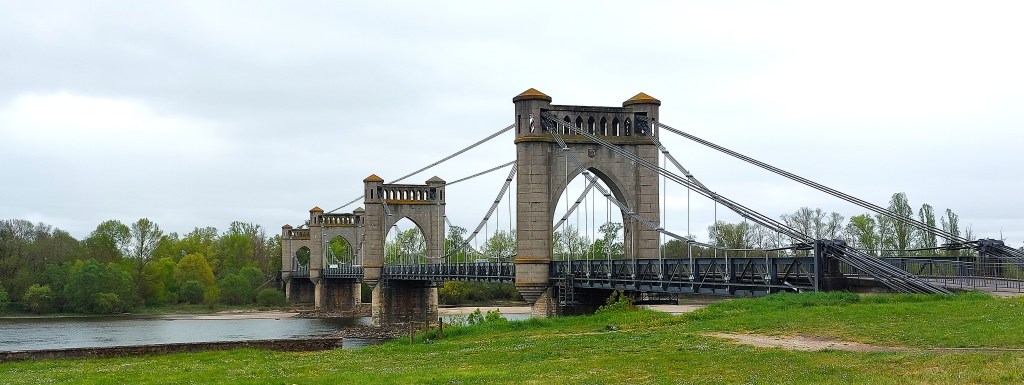
I still wasn’t feeling great, but we kept to our plan of visiting Château de Villandry on our way to Amboise. It was a pleasant journey along the River Loire past the vineyards and the Château was only an hour away from Angers.
We had a picnic in our car at the Château car park and then headed towards the entrance. We decided to focus on the famous gardens and did not go into the Château itself.
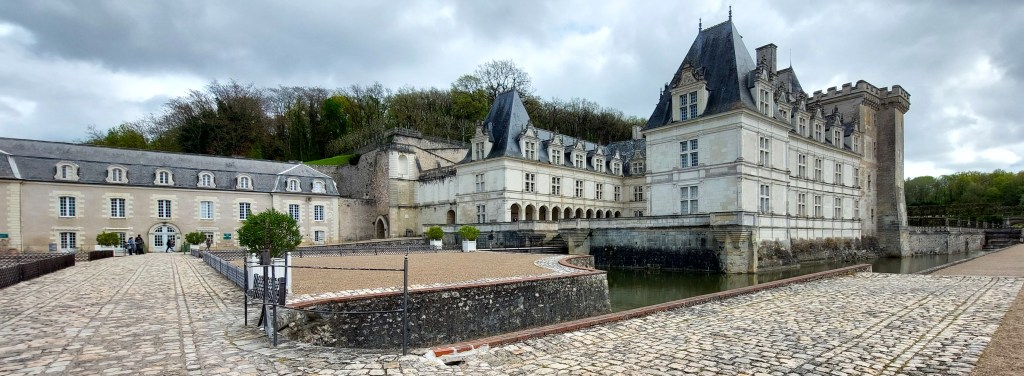
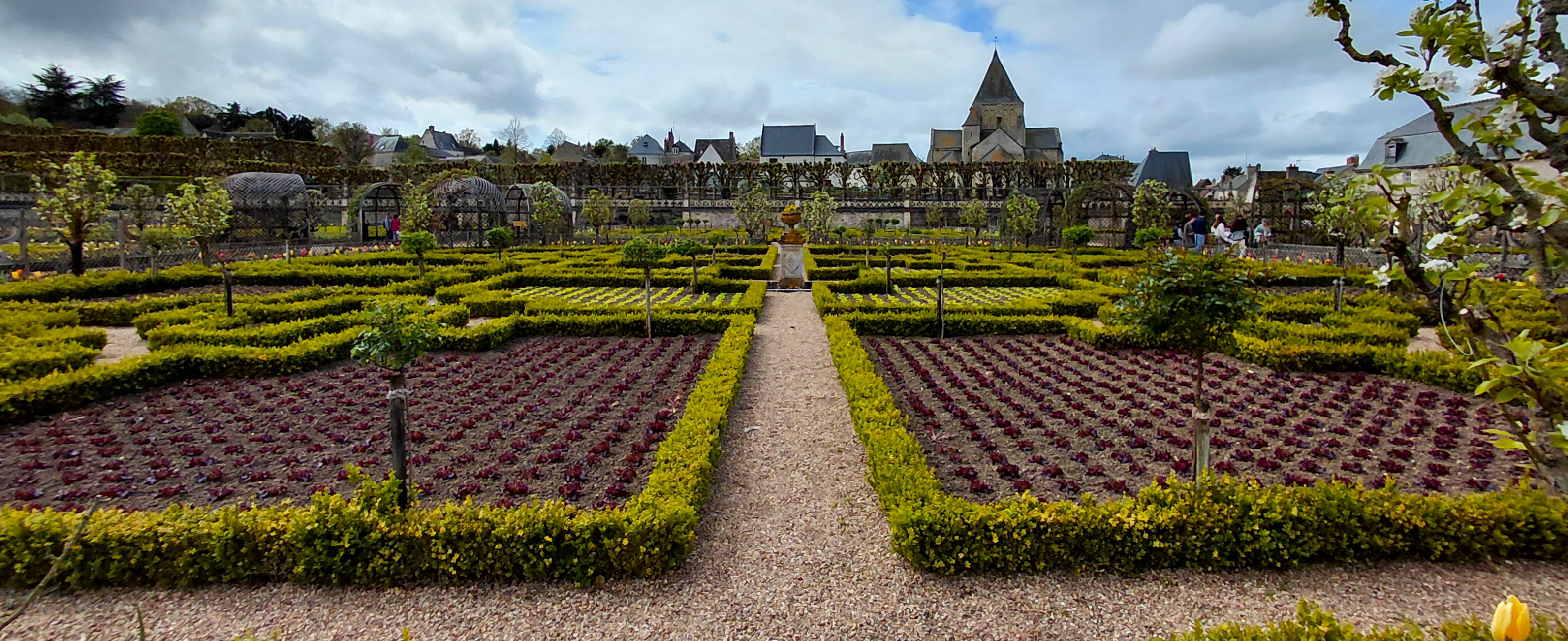
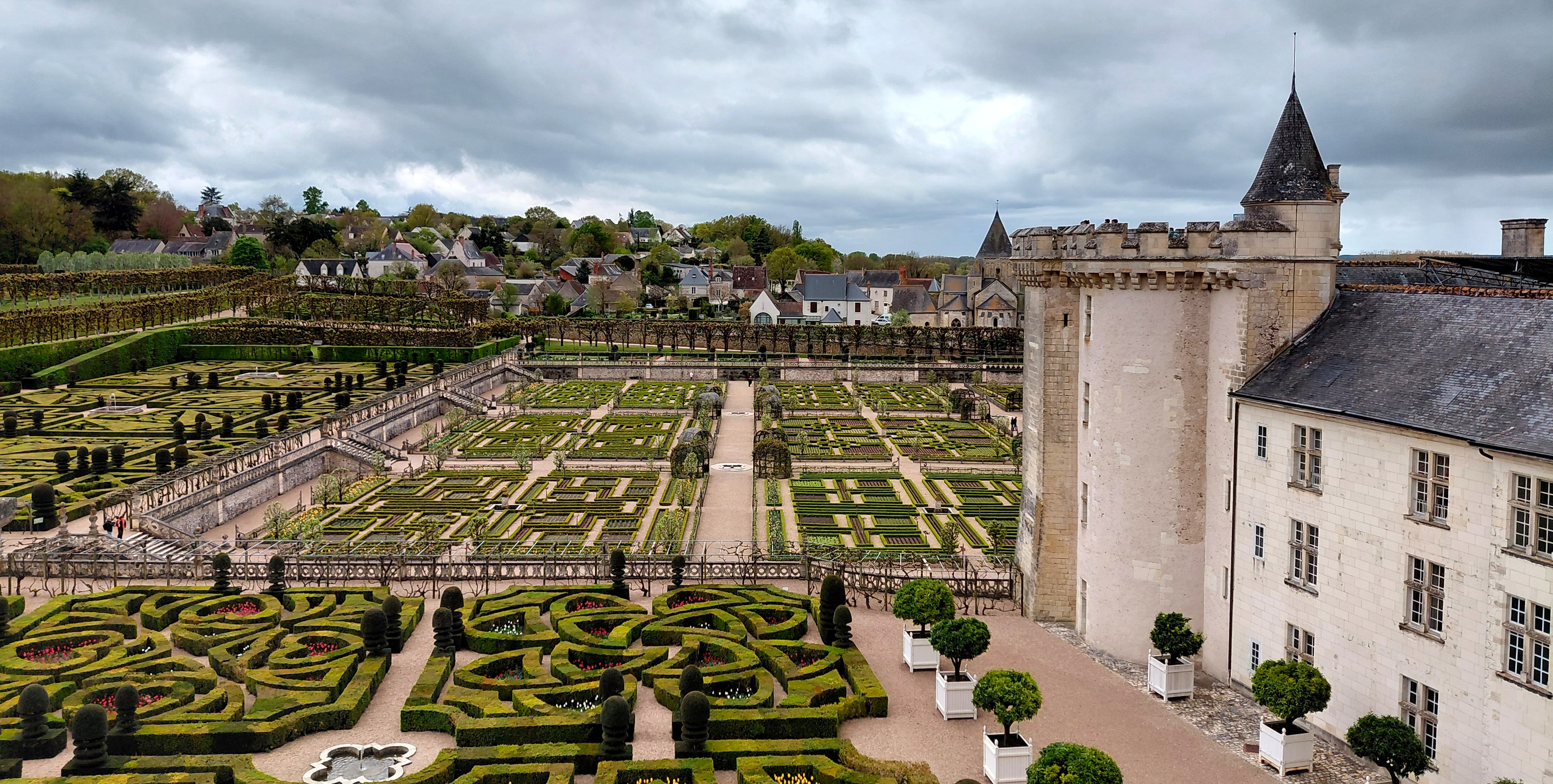
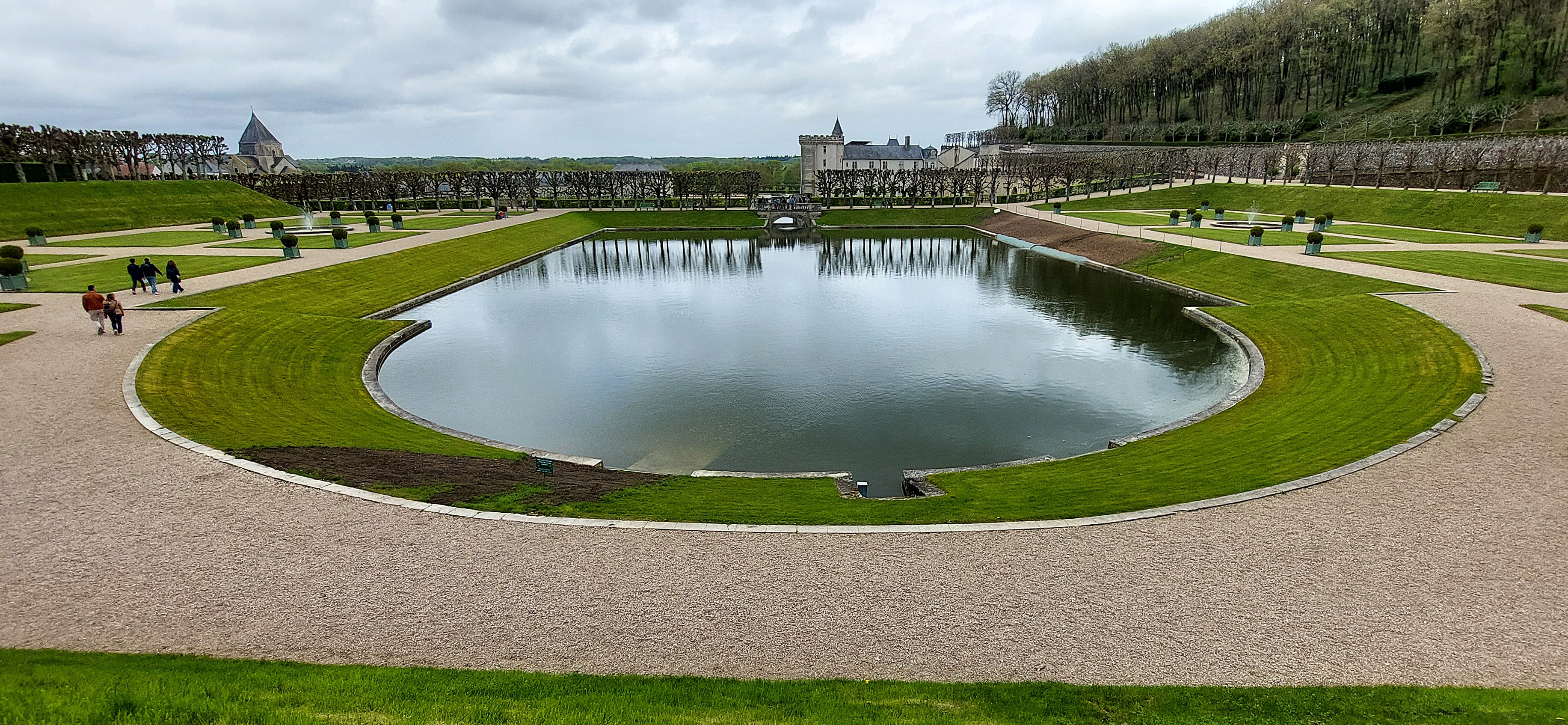
Château de Villandry Gardens
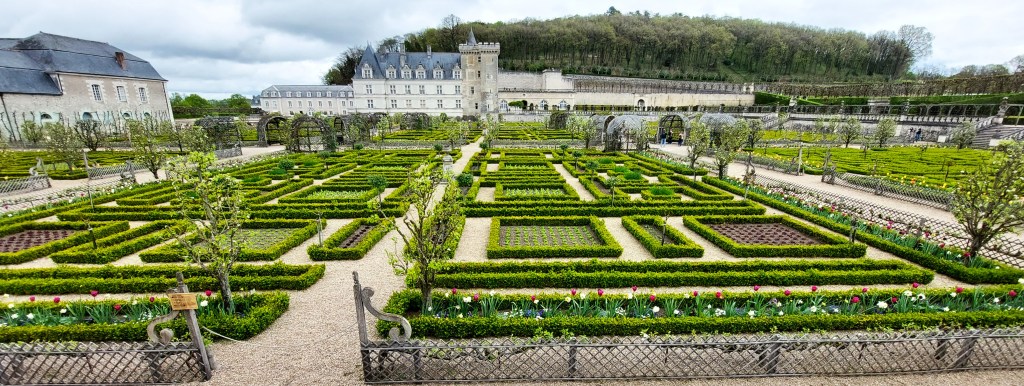
The 16th century Renaissance gardens were a bit special and are regarded as one of the finest in the world and the site is UNESCO listed. They cover over 12,500 square metres and every corner is a delight. We spent a couple of hours here just wandering around.
It was only a 45 minute journey to Amboise where we were due to stay for the next couple of nights.
Amboise
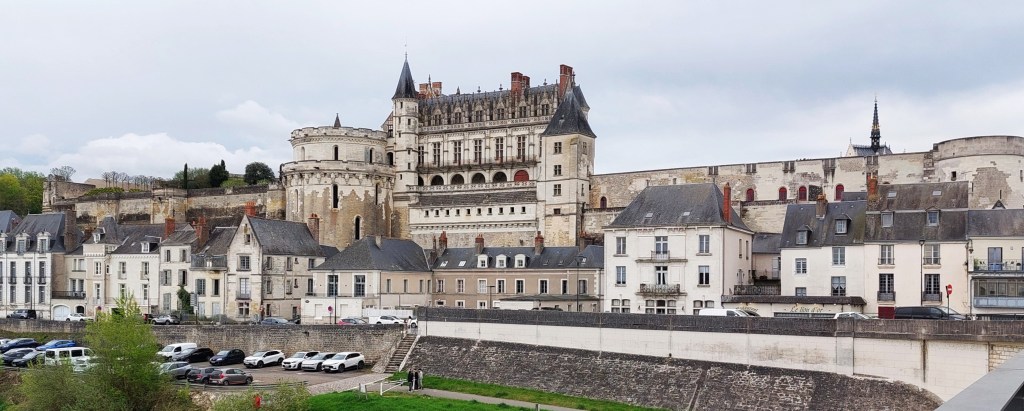
Our accomodation was a studio flat in a superb location near the centre of the old town within view of the River Loire. Sadly it was also very grubby which was disappointing. When I reported this to the owner, he appeared more concerned that we would give him a bad rating on Airbnb than the grubby problem.
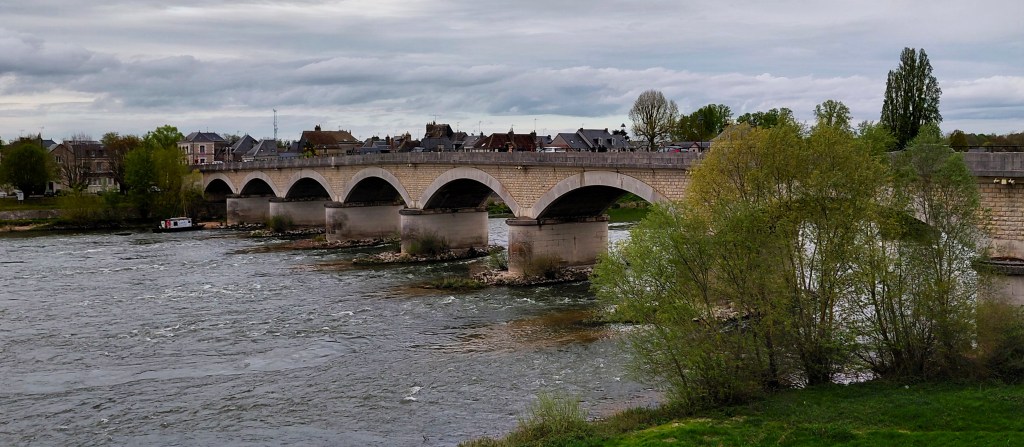
We took a walk along the Loire towards the old town centre and marvelled at the views of The Château d’Amboise at the top of the hill. As I was still feeling under the weather we had dinner at our new grubby home of pie and salad that we had bought from a bakers on the way. Hopefully I would be feeling betterer tomorrow.
Day 12 -Amboise, The Loire.
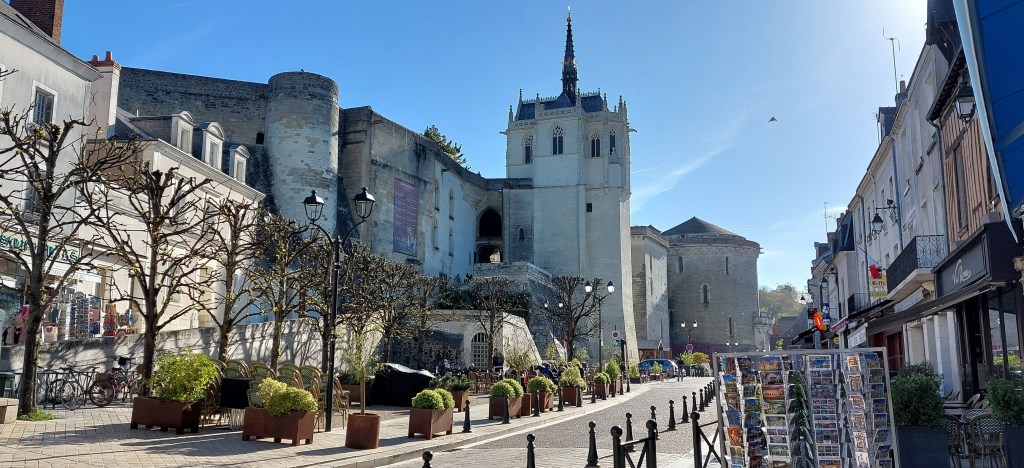
I was feeling a bit betterer today which was great news as we had a full-on day planned.We started with the bleedin’ obvious- The Château which was suituated in the middle of the town, just a few minutes walk from our abode.
The Château d’Amboise
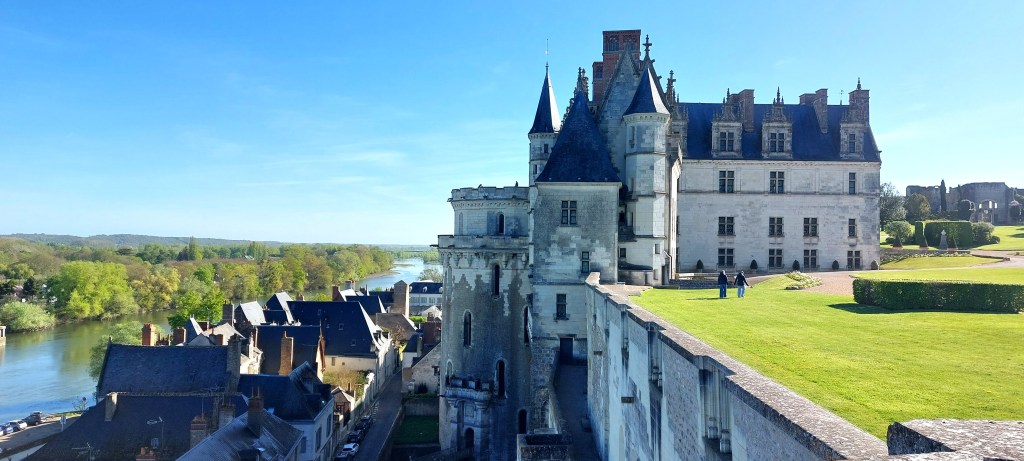
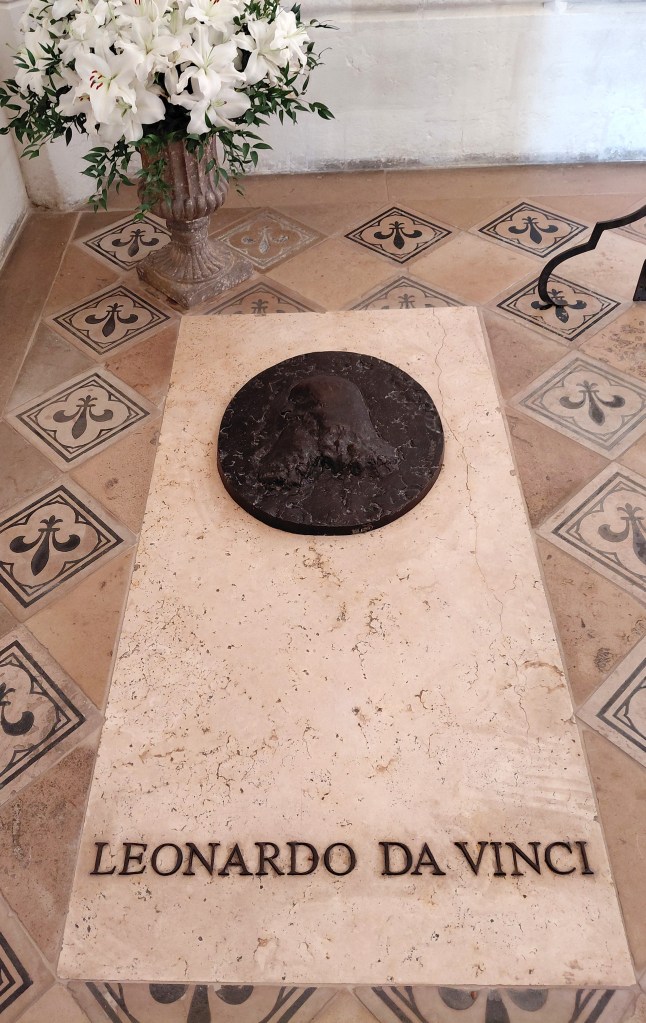
Château Royal d’Amboise was originally built as a stone fortress in the 11th century before it being turned into a royal palace in the late 15th century. Charles V111 famously died here after smacking his head on a door lintel. It is also the final resting place of Leonardo da Vinci who lived out his final years in Amboise. His tomb is to be found in St Hubert Chapel.
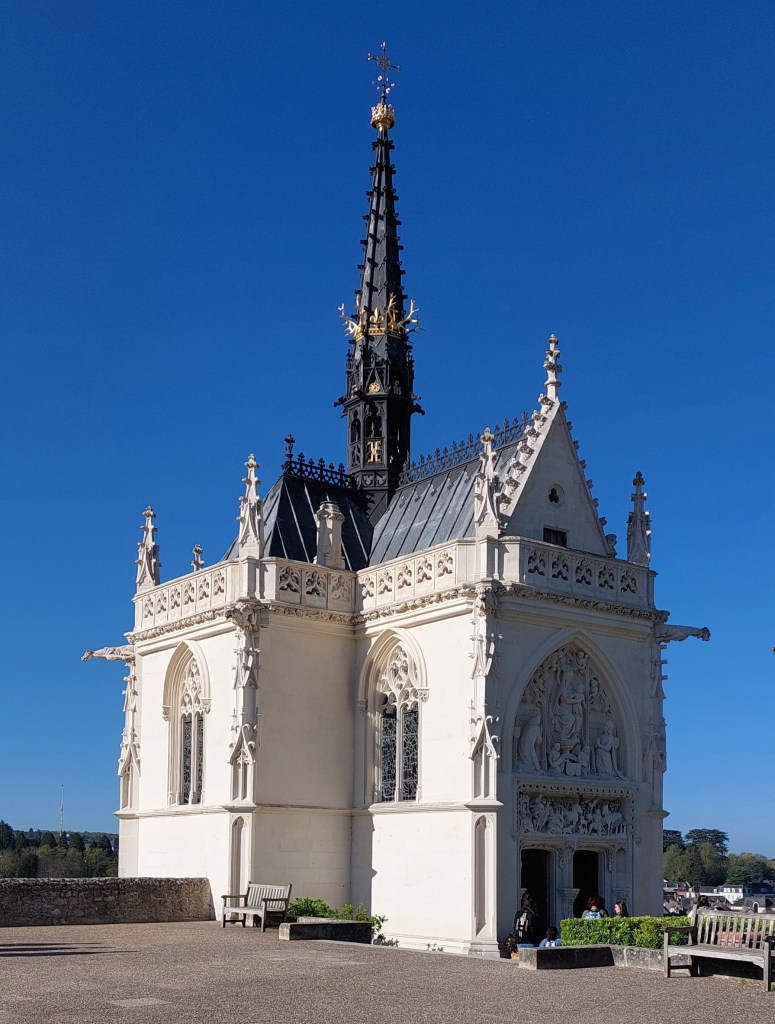
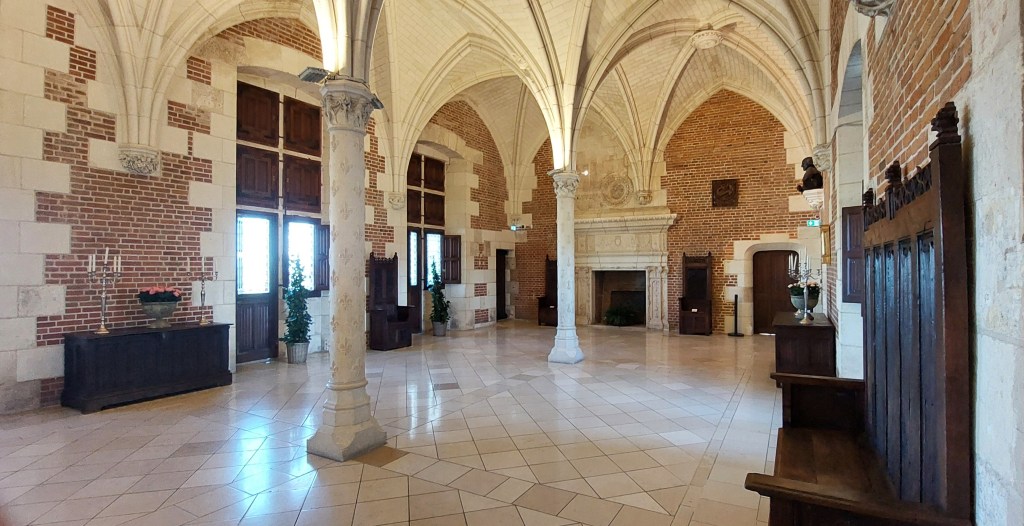
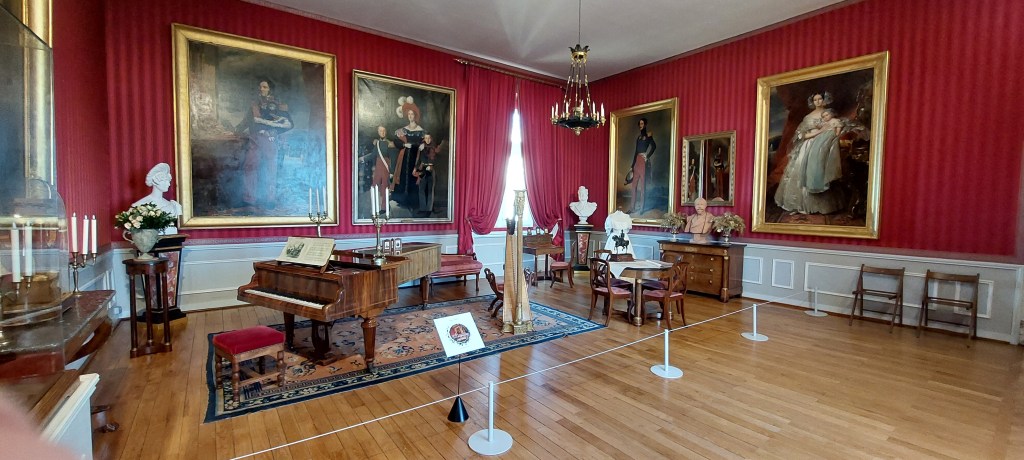
The Château was open to the public and we were able to view The Great Hall, Great Chamber, King’s bedroom, Minimes Tower and several other impressive rooms.
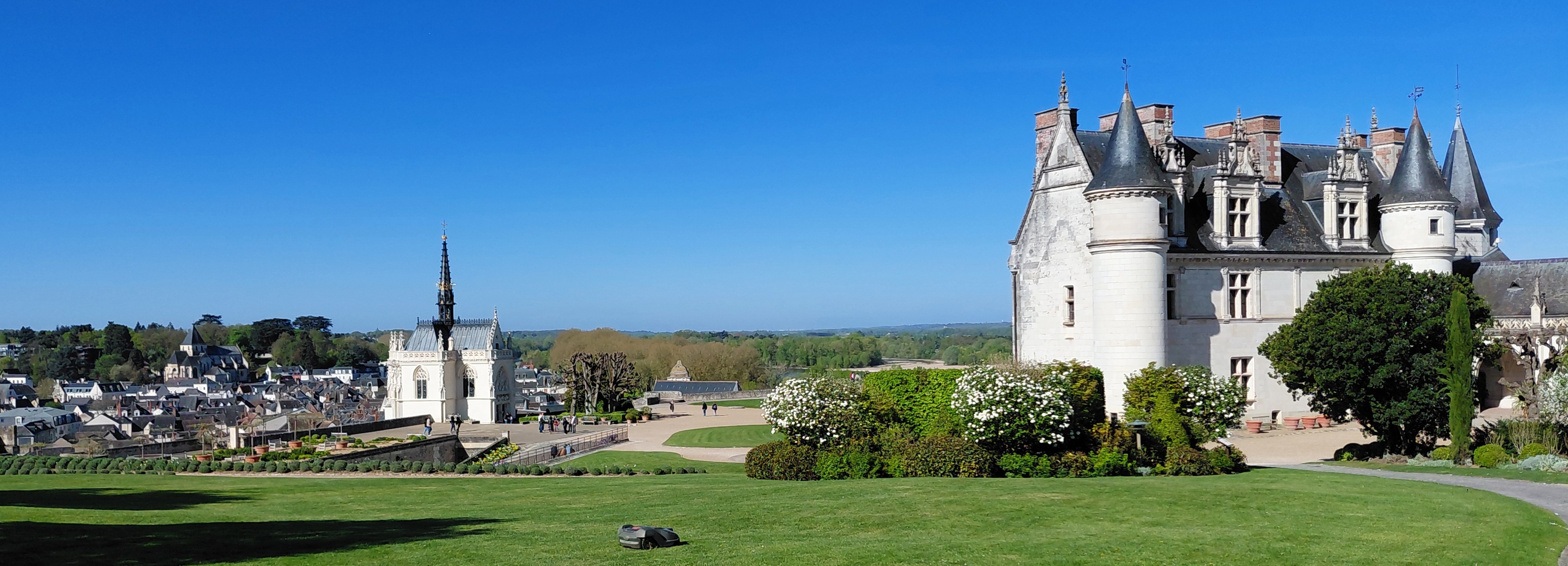
The gardens were attractive although not on the same scale as at Villandry but there were lovely views over the town and the Loire.
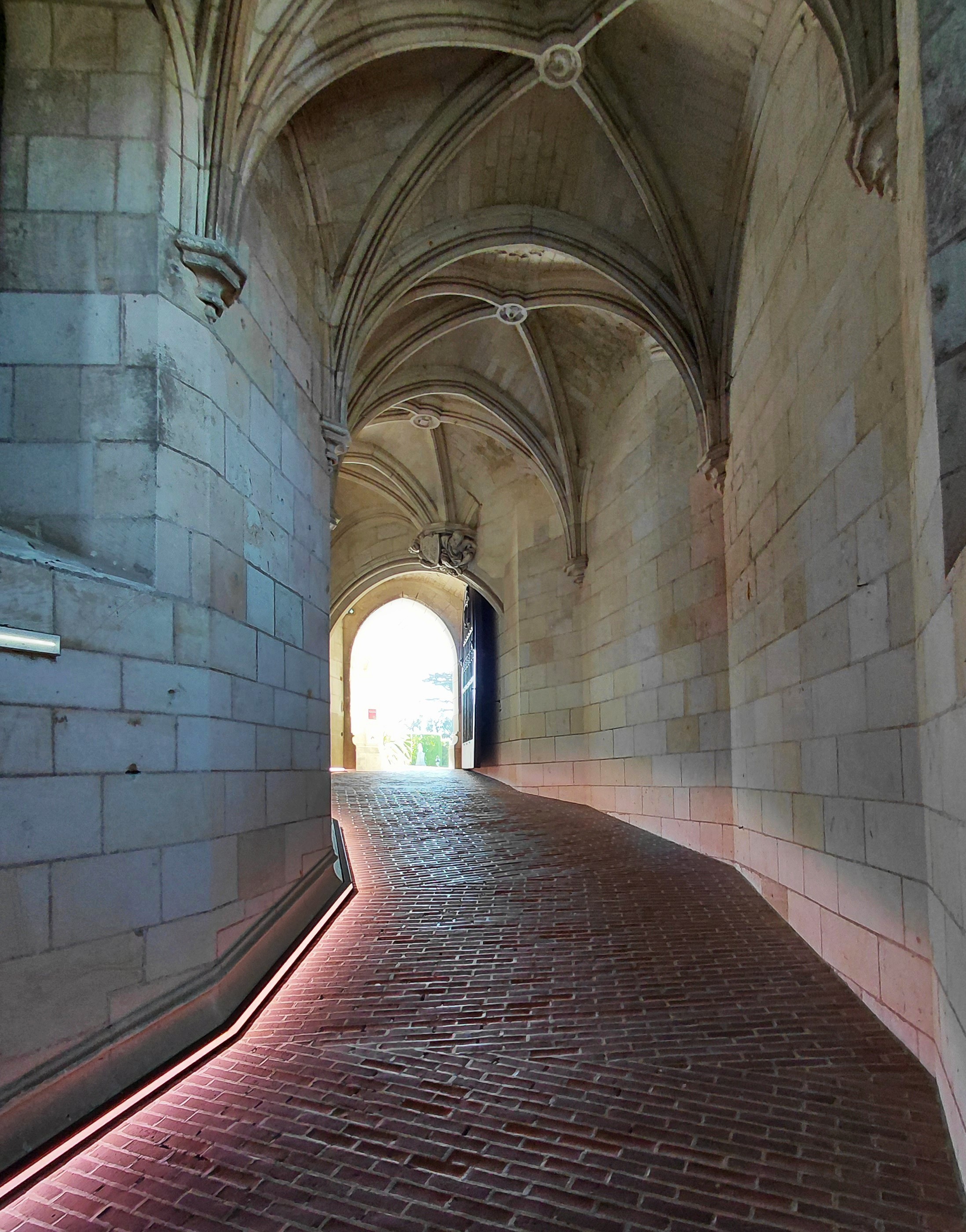
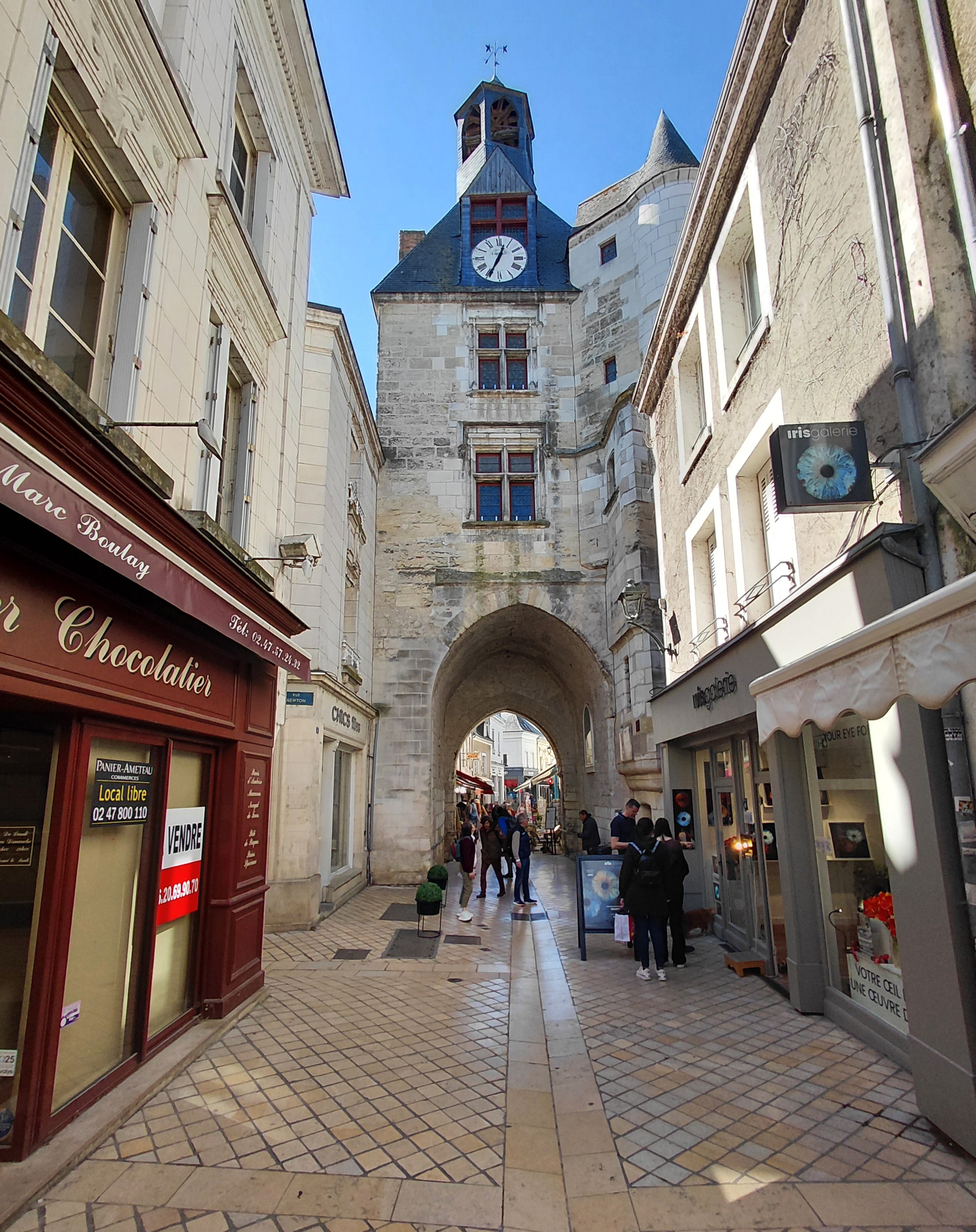
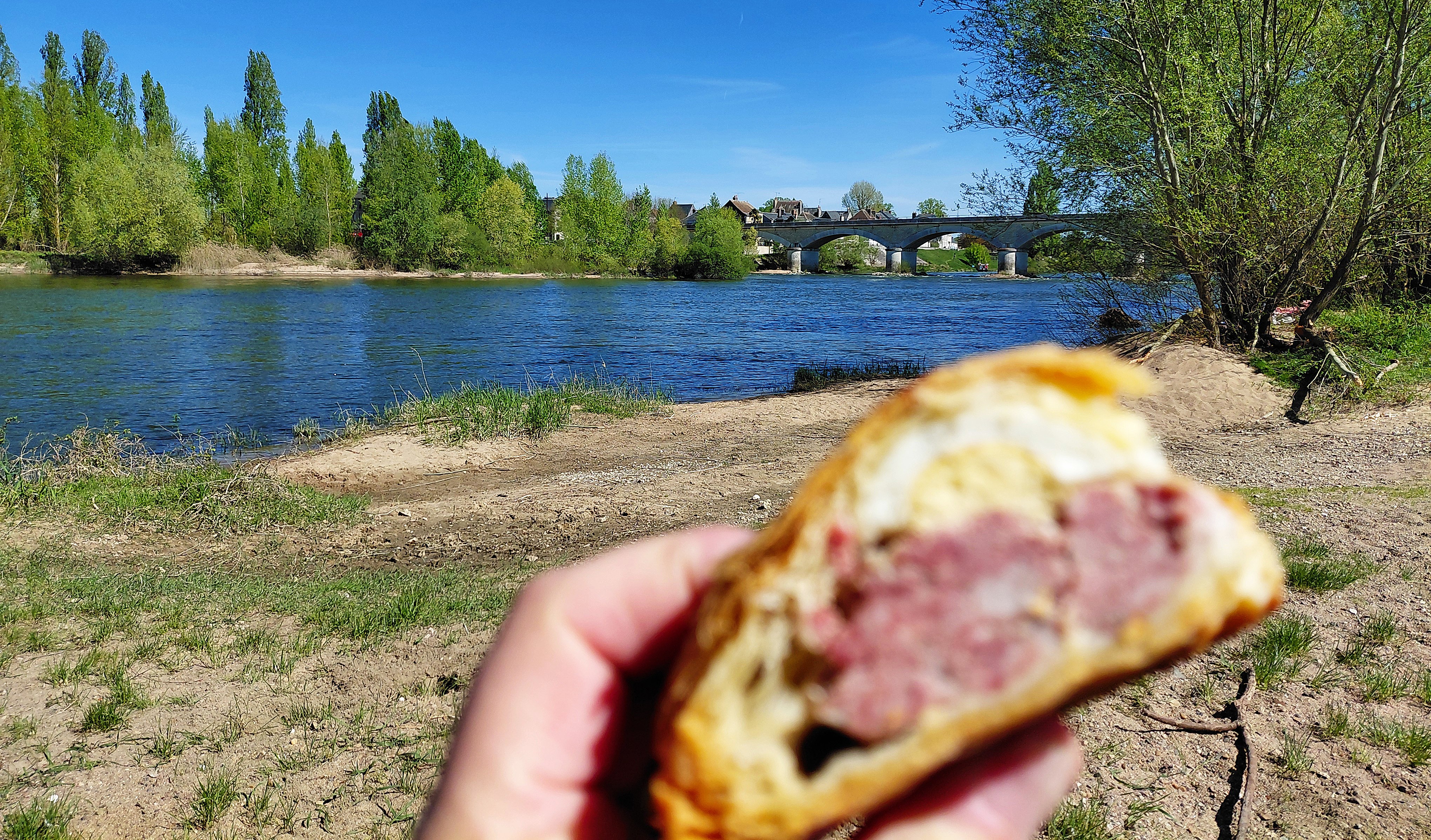
Our tummy’s were telling us it was lunchtime so we headed for the exit which was via the impressive Cavalier Ramp into the old town. We went through the Tour de l’Horloge, the 15th century clocktower to the riverbank for a picnic and a rest. This gave us the energy for the walk to Clos Lucé, Leonardo da Vinci’s home for the last three years of his life.
King Francis I invited Leonardo da Vinci to France in 1516 and he must have liked it there because he remained until his death in 1519. His home was the very handsome Château du Clos Lucé.
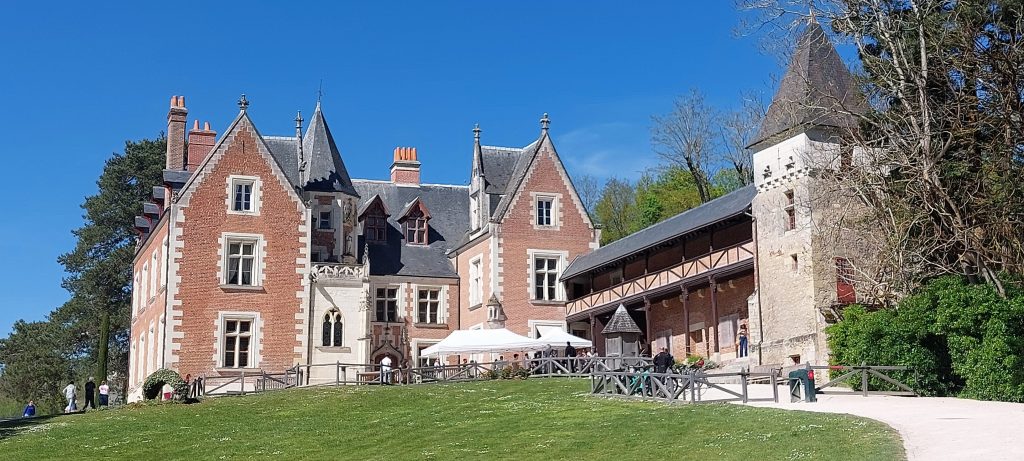
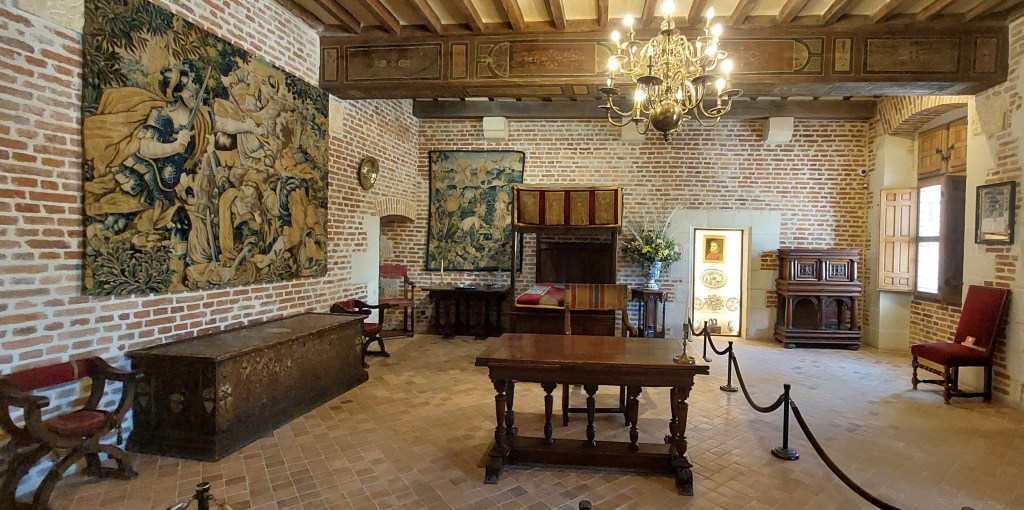
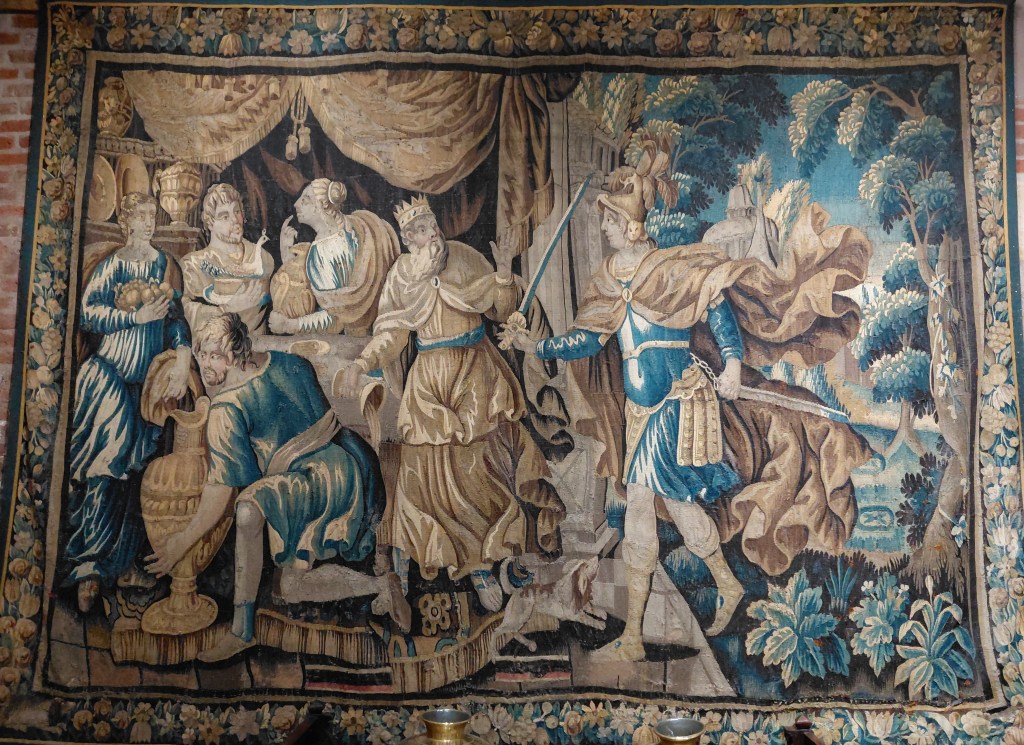
The house and gardens are now open to the public [for a fee]. The rooms were interesting and included workshops, bedchambers,a chapel and a secret passage. The 15th century Tournai Tapestries were wonderful and we enjoyed the model room in the basement with over 40 models of machines recreated from Leonardo’s original drawings.
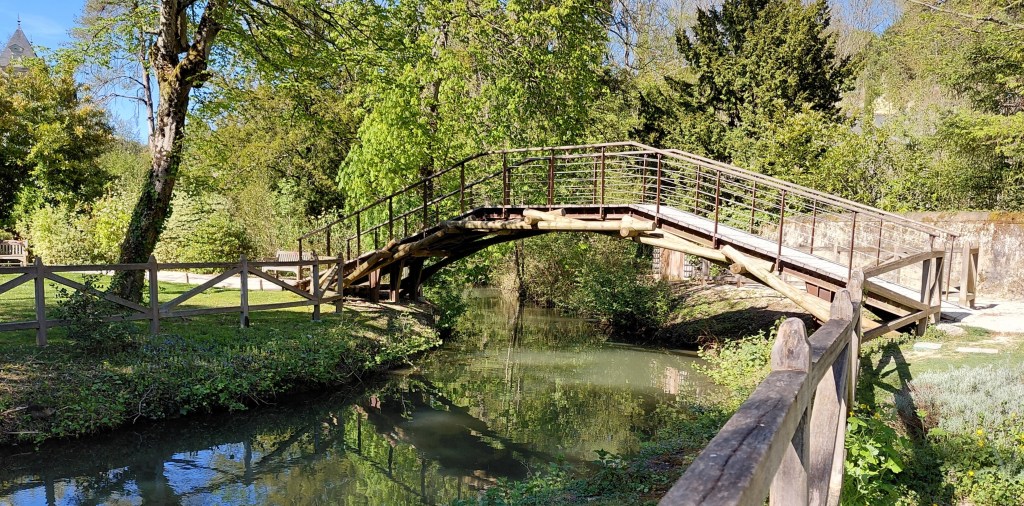
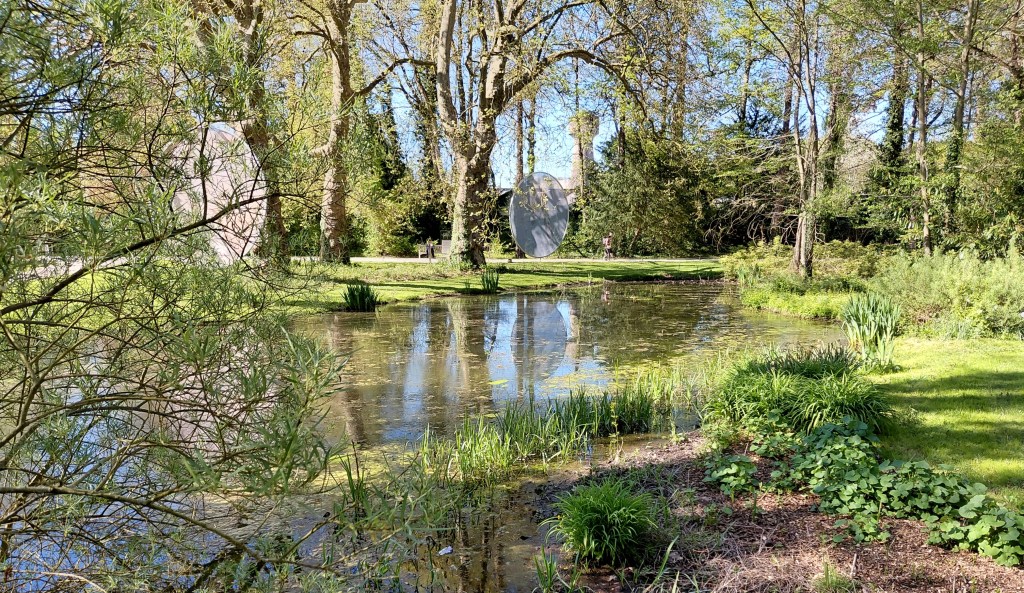
The large landscaped garden was delightful and the pond was full of singing toads making an absolute racket. The garden had working models on display of some of Leonardo’s inventions as well as an interesting modern exhibition venue focusing on Leonardo’s work and time in Milan and France.
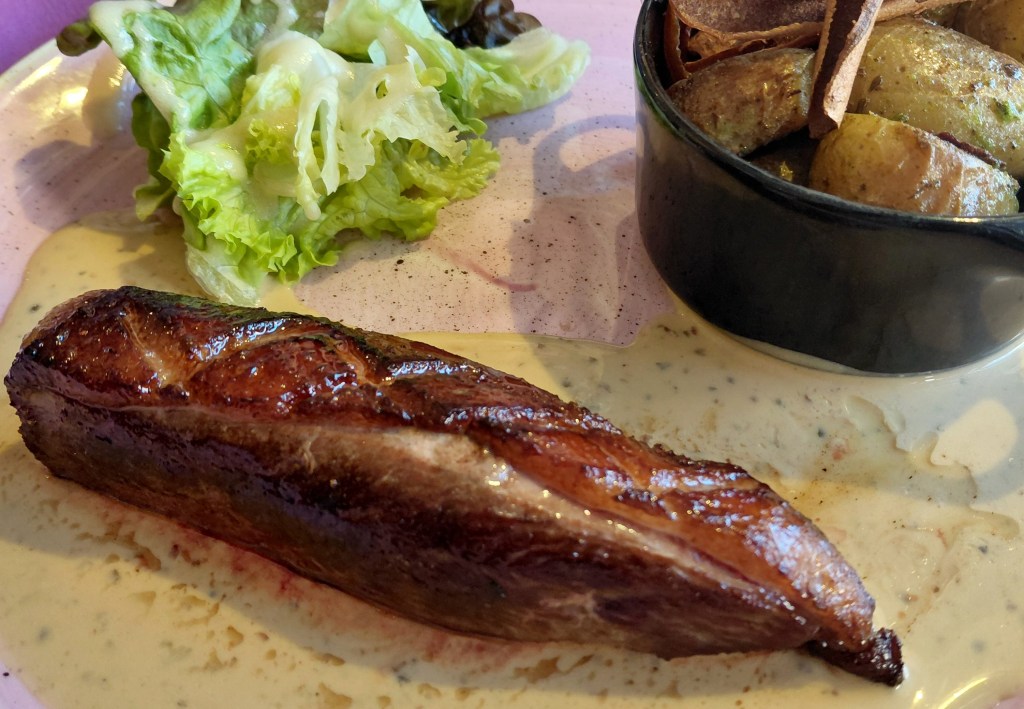
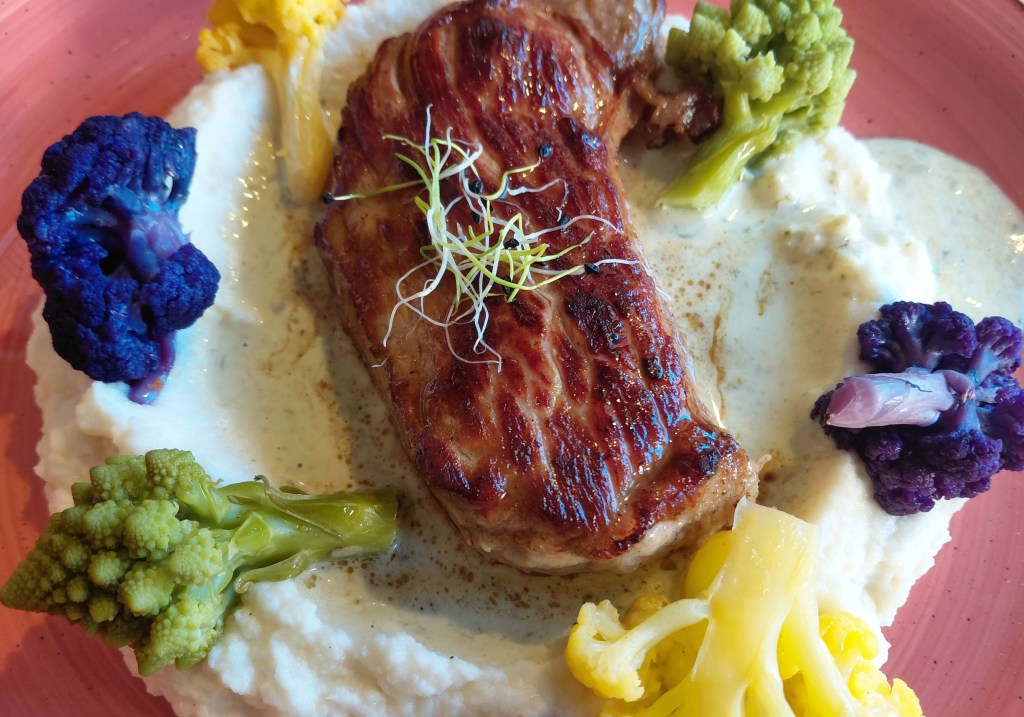
We had a yummy early dinner at L’Ambacia which was near the Château. My steak, adorned with different coloured cauliflower was superb. Leashia had an excellent demi-magret [ducky].
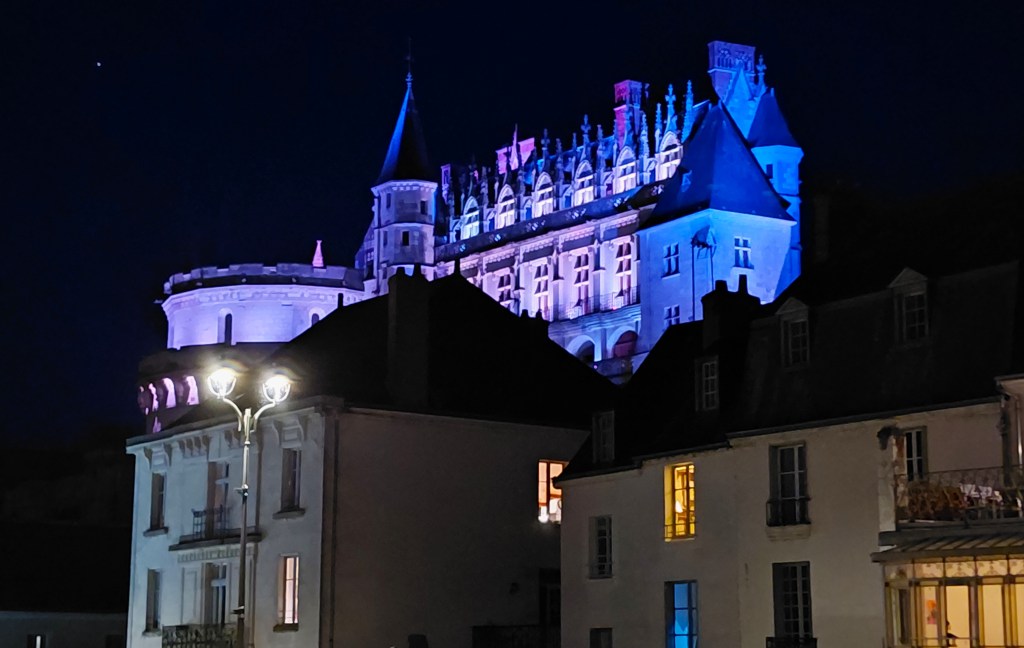
We headed home and then made the decision to pop out again to look at the Château as we guessed [correctly] that it may be attractively lit up. However, it all went tits-up [literally] as Leashia was so captivated by the illuiminated Château that she slipped off the end of a kerb and landed on her face. There was a lot of blood over the pavement, a lovely local couple came to help and suggested a visit to the hospital would be a good idea. This was our first experience of a French Hospital and although it was not the highlight of our trip, it was a good experience. Free parking, no queues, and my wife had been triaged, seen by a doctor, had a scan and given drugs and treatment in under three hours! We waved our GHIC card at the triage nurse which we believed would mean the treatment would be free. However when we got back to England we had a bill on our doormat that we needed to pay and we had to claim this back from the NHS. The NHS paid a contribution but not the whole bill.
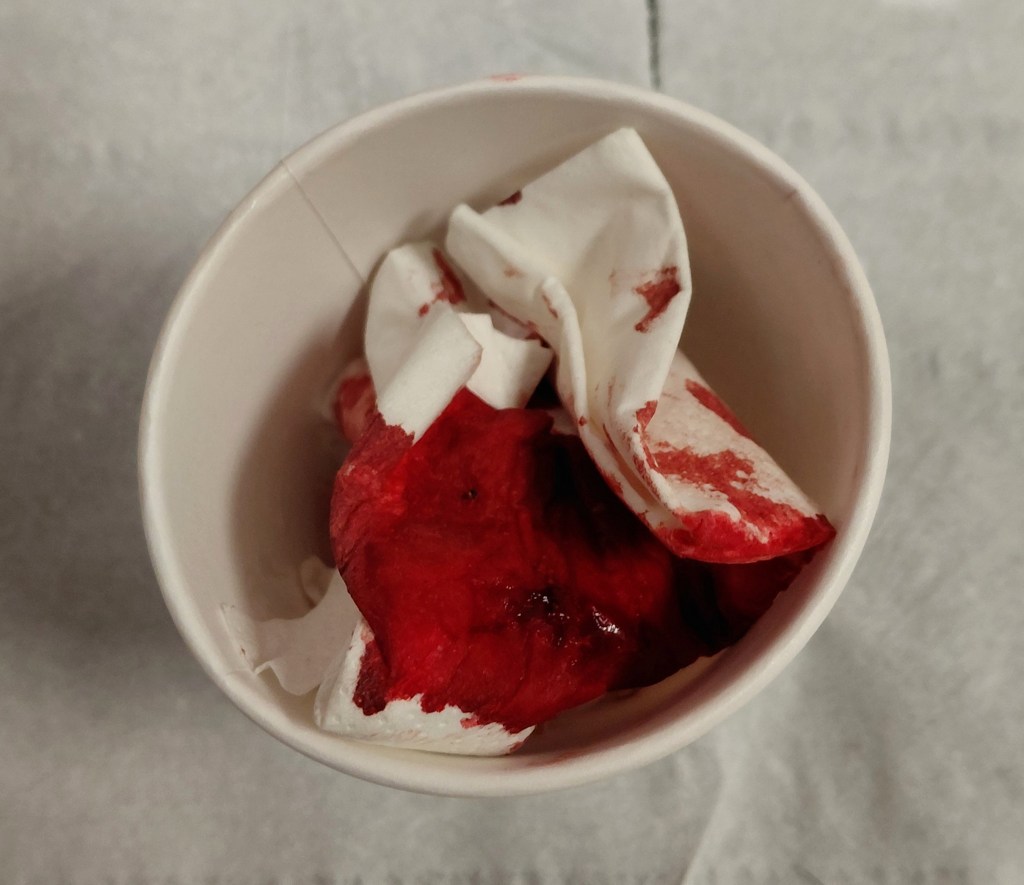
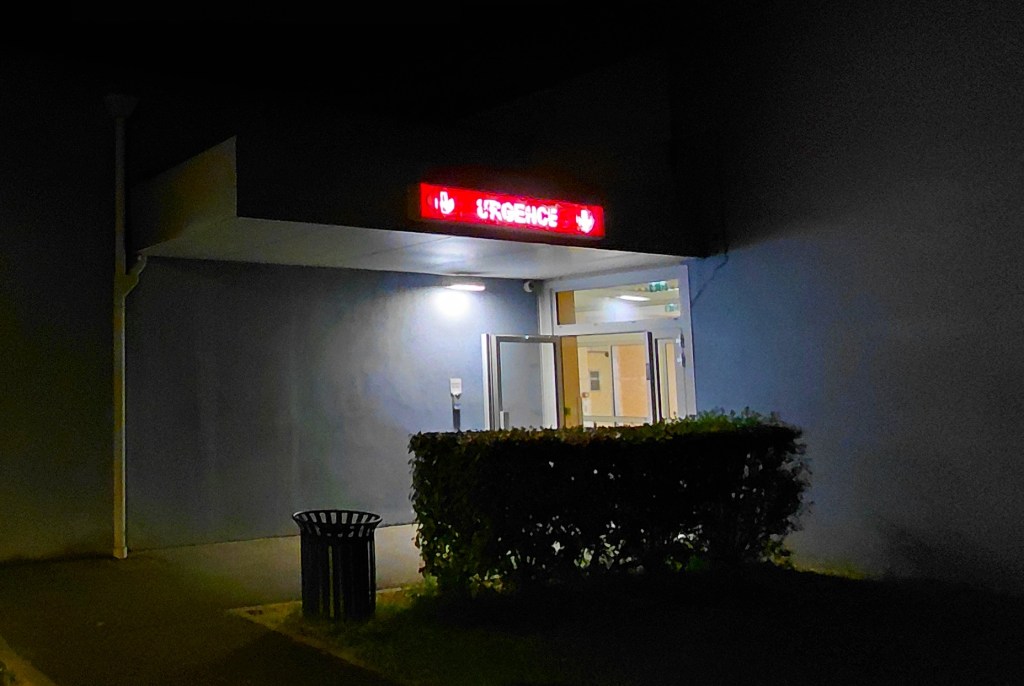
We left the hospital, took a photo of the Château and then went to bed. Leashia was not feeling that great.
Day 13 To Poitiers via Loche, The Loire
We had planned [and had tickets] to go to Futuroscope today which is near Poitiers. Futuroscope is a hi-tech theme park and it looked fun. We had purchased our tickets some time ago and on a whim had paid a little extra as insurance in case we had to cancel. The doctor that saw Leashia last night said we should take the next few days easy and not go to the park and to be honest Leashia was not up to a full-on day.We thought it would be a doddle to claim our money back- hahaha! To cut a long story short, they ignored many of our emails and the whole saga took months to sort out. Appalling customer service! We now have no intention of ever going there.
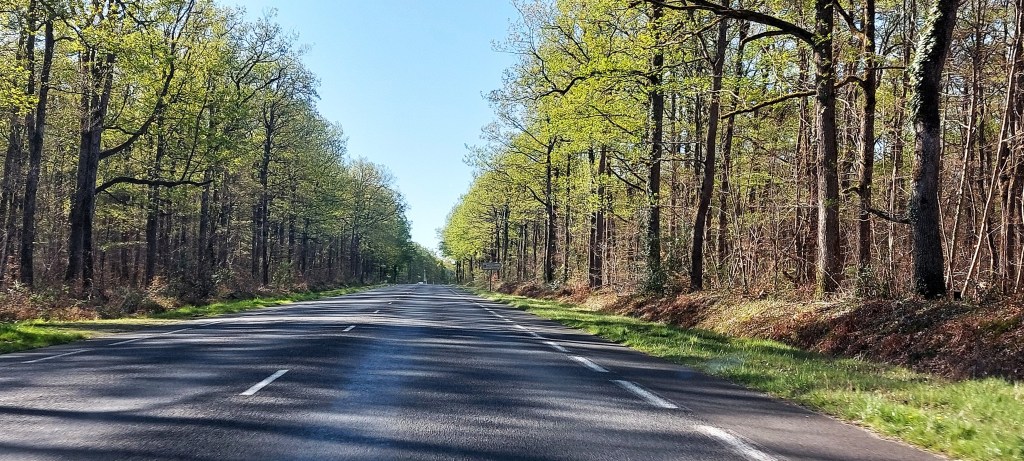
We were pleased to leave our grubby appartment in Amboise for our final time and decided to take an unhurried journey to Poitiers where we had accomodation booked for one night. We took a short detour to Loches but parking was a bit of bugger due to the winding up of their annual Loches en fête event but we mnaged to find a space after going round in circles a few times. We then set off to explore.
Loches
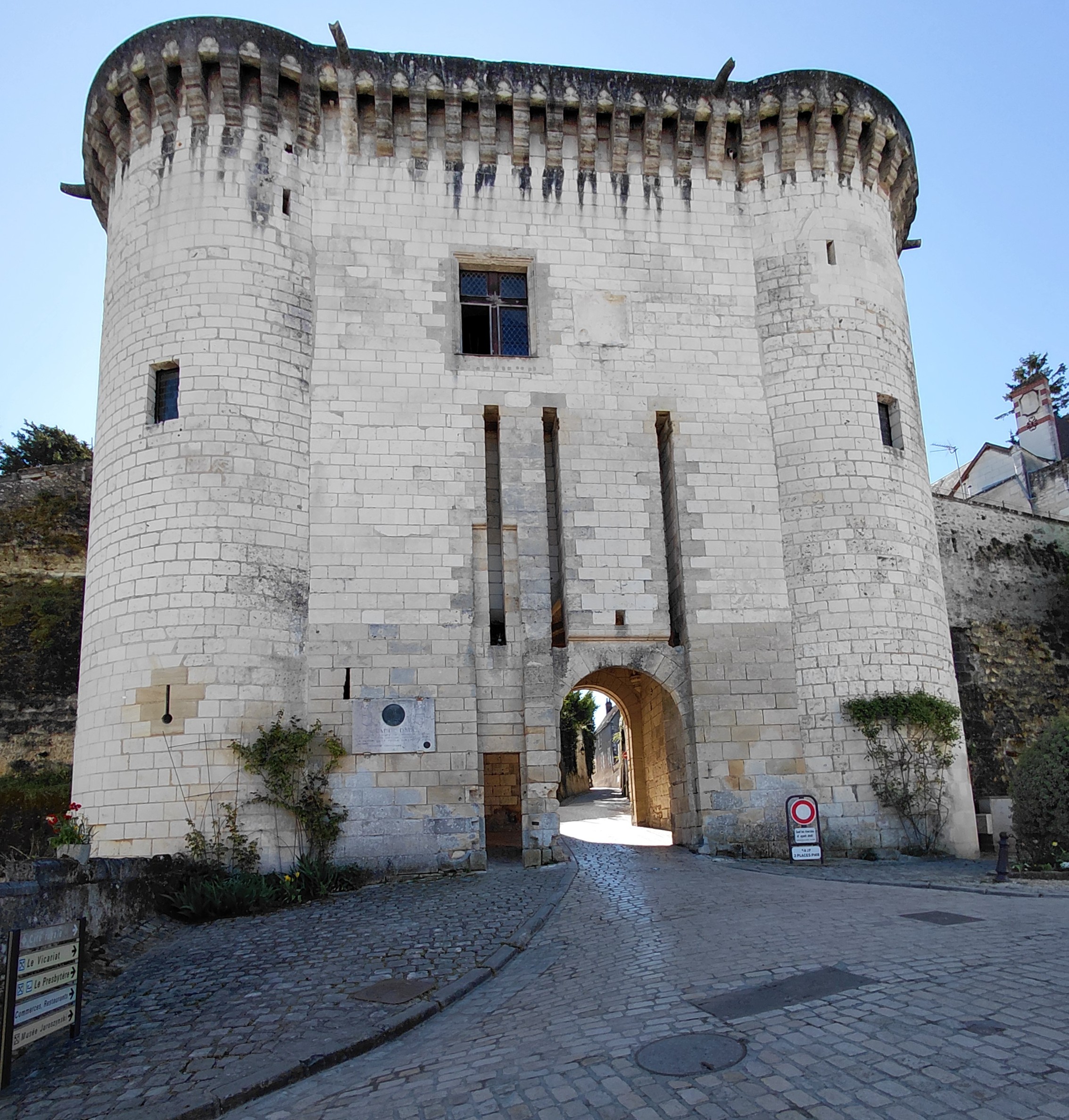
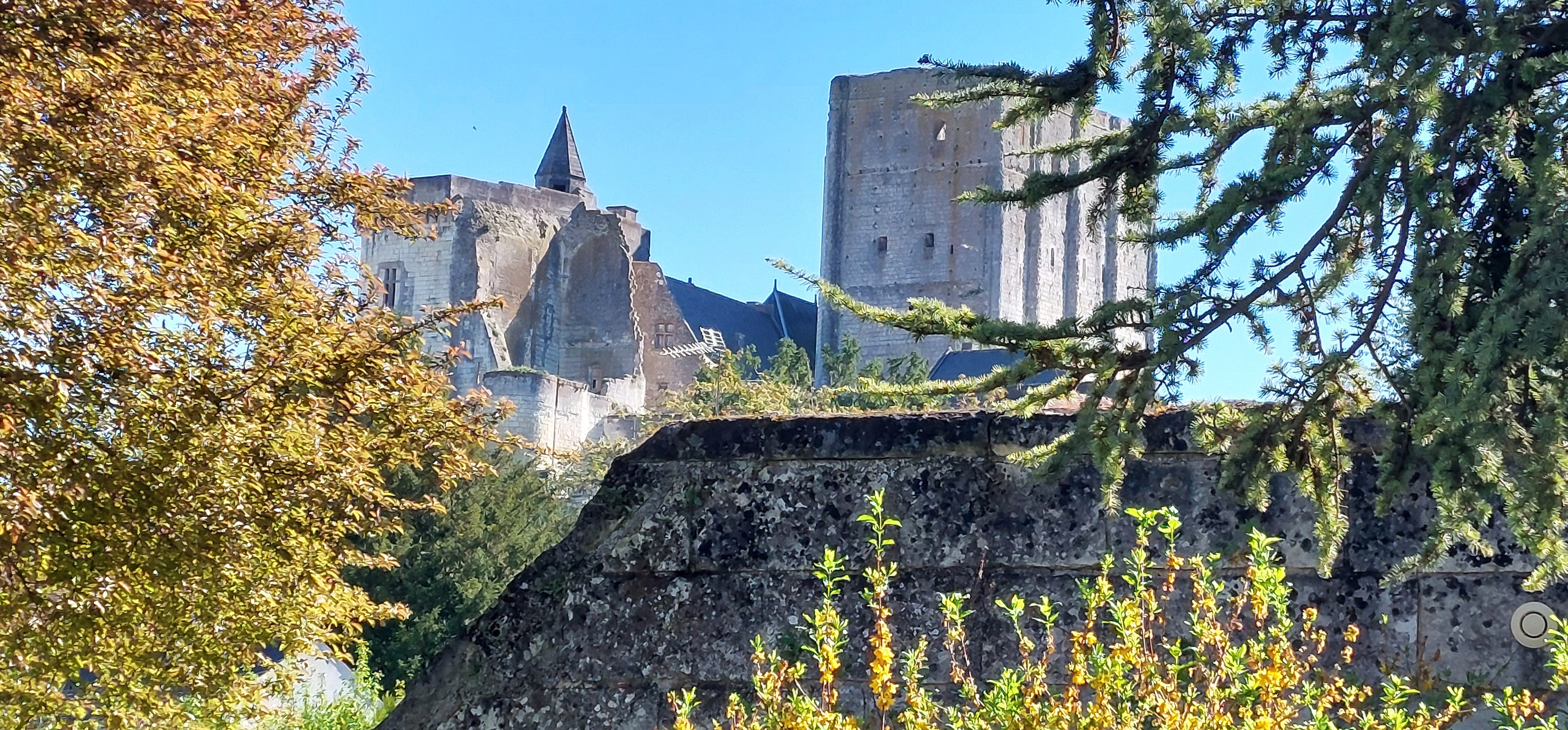
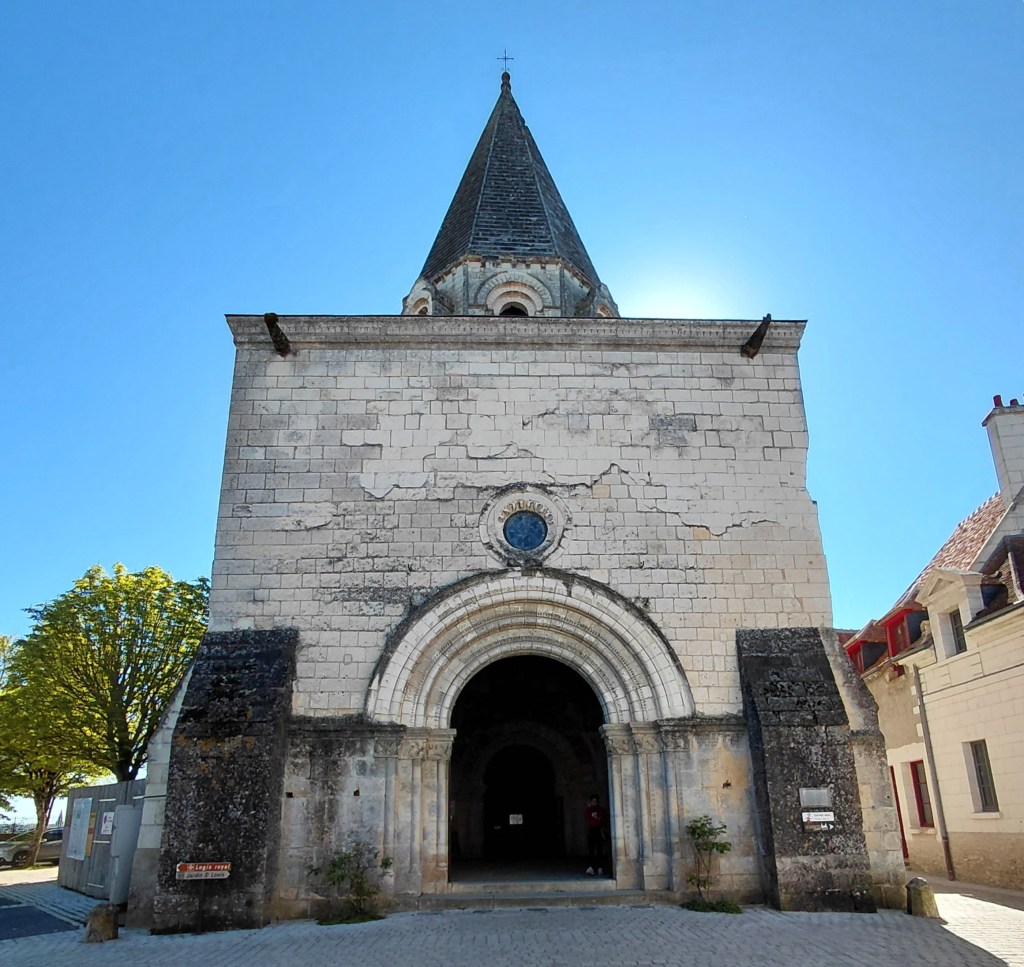
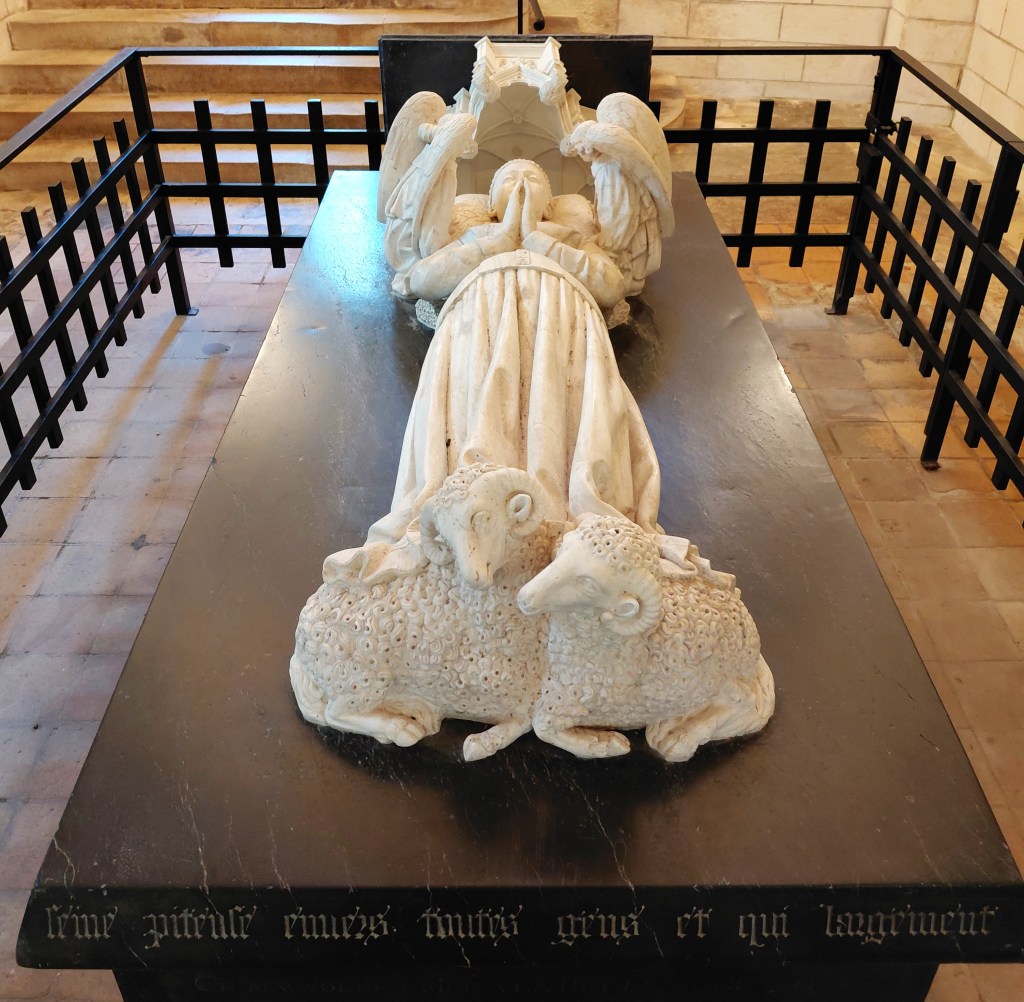
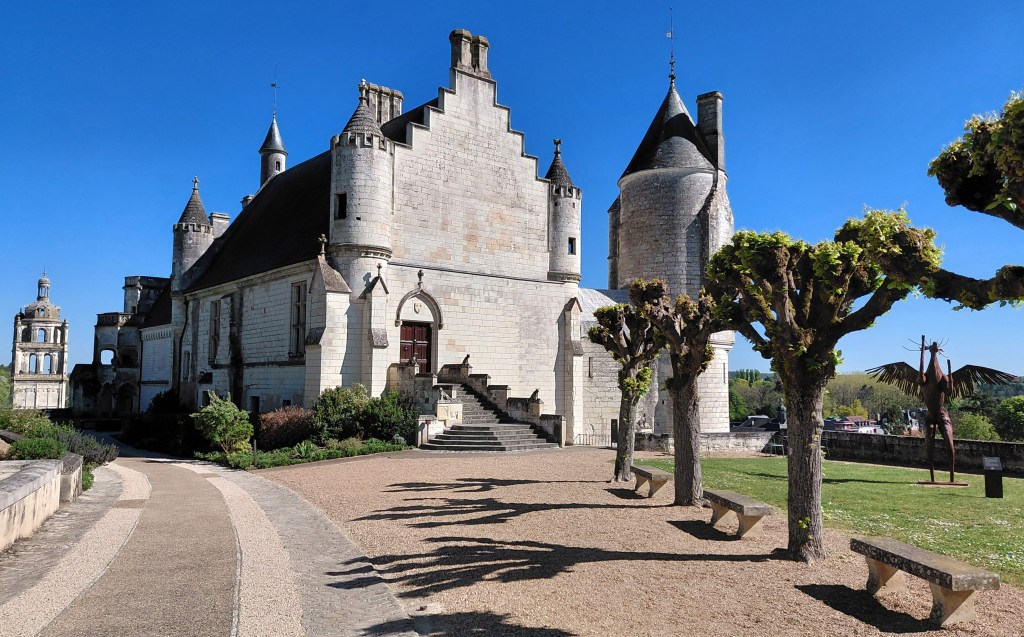
The Old Town is a walled citadelle and some of the walls are nearly 1000 years old. We entered the through Porte Royale, an imposing 13th century arch and made our way to La collégiale Saint-Ours, a church which dates from the late 10th century. Within the church is the marble tomb of Agnès Sorel who was the mistress of Dauphin Charles VII.
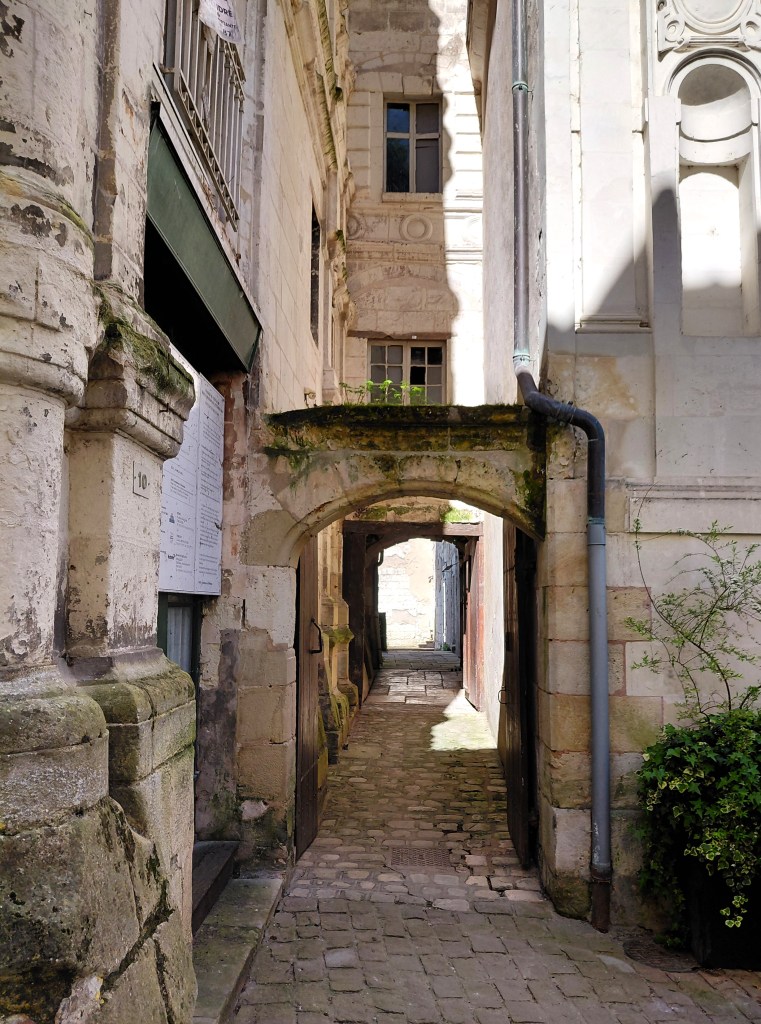
We walked up to Logis Royal, the Royal Lodgings of Charles VII but did not pay to enter any of the buildings. We contented ourselves with wandering through the medieval cobbled streets back into the centre of town to sort out our rumbling tummies.
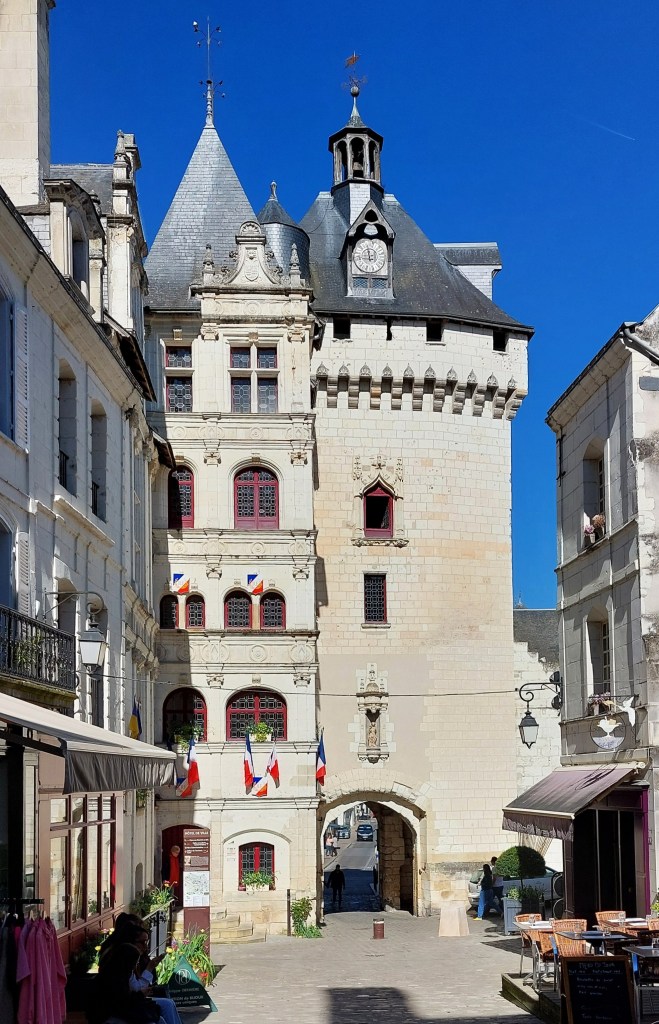
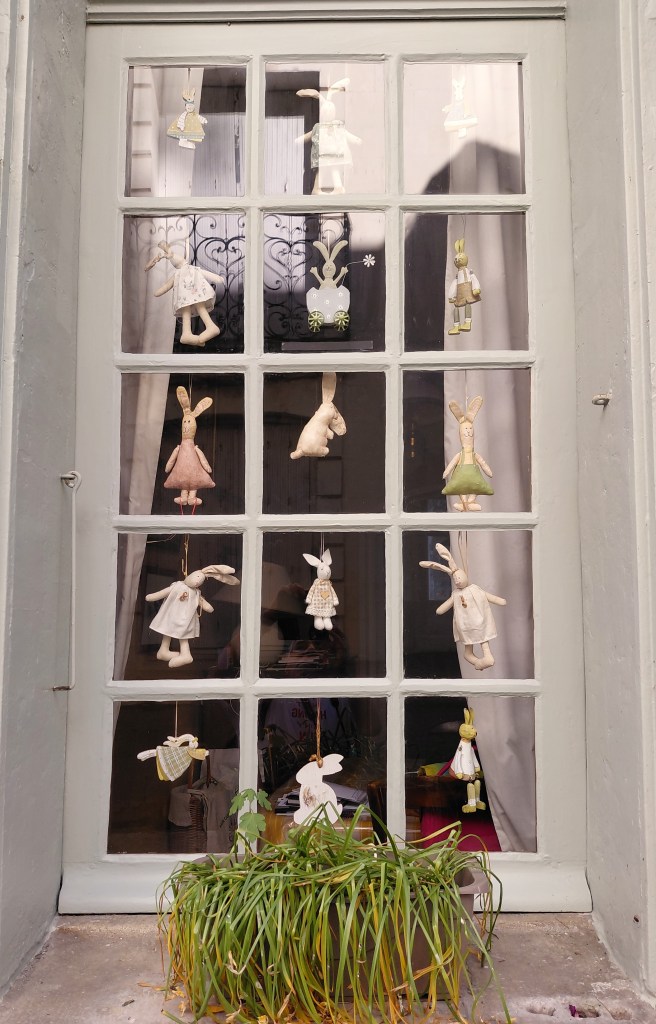
The town was eerily quiet, we walked past the 16th century Tour Saint-Antoine with a statue of 19th-century French Romantic poet Alfred de Vigny in front of it. We saw by some weird hanging bunnies in a doorway before a very pleasant lunch at Sforza Pizzeria which was near the 15th century Porte Picois gateway.
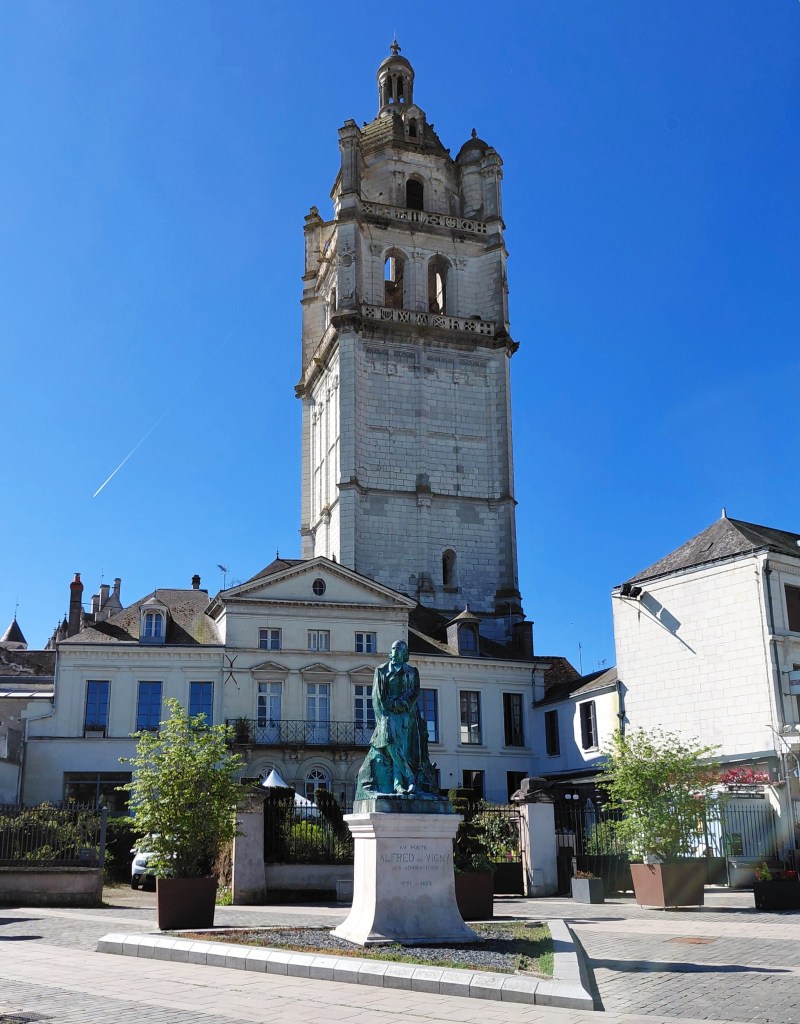
The drive to Poitiers took us around an hour and a half and on the way we actually drove past Futuroscope [Boooo!].
Poitiers
Our home in the suburbs of Poitiers was lovely. We got a bus into town and then did our usual romp around to get our bearings. Poitiers is situated on a hill between the rivers Boivre and Clain. It was one of the larger towns on our trip and definitely had a city feel about it.
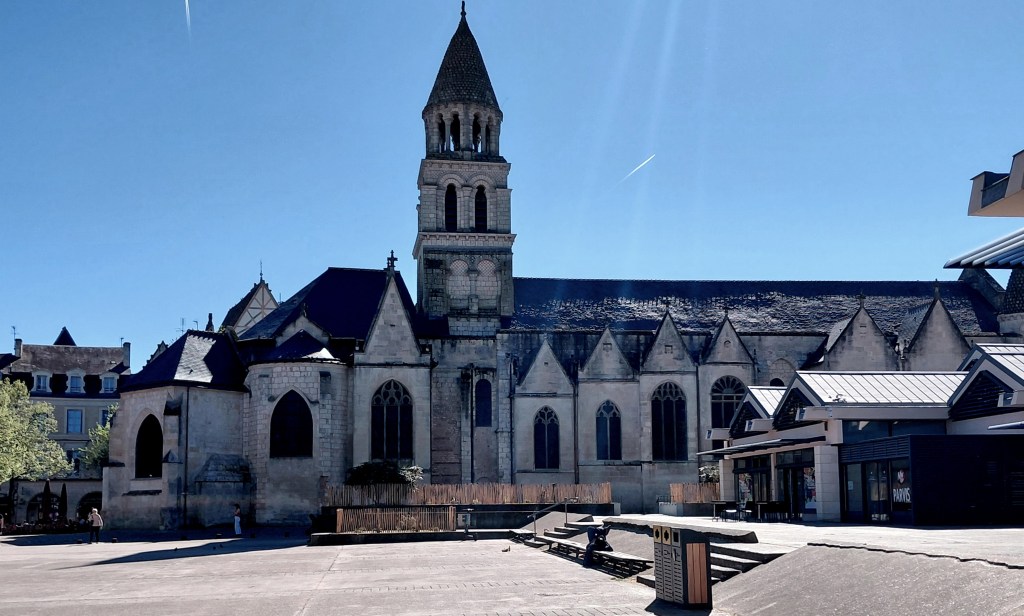
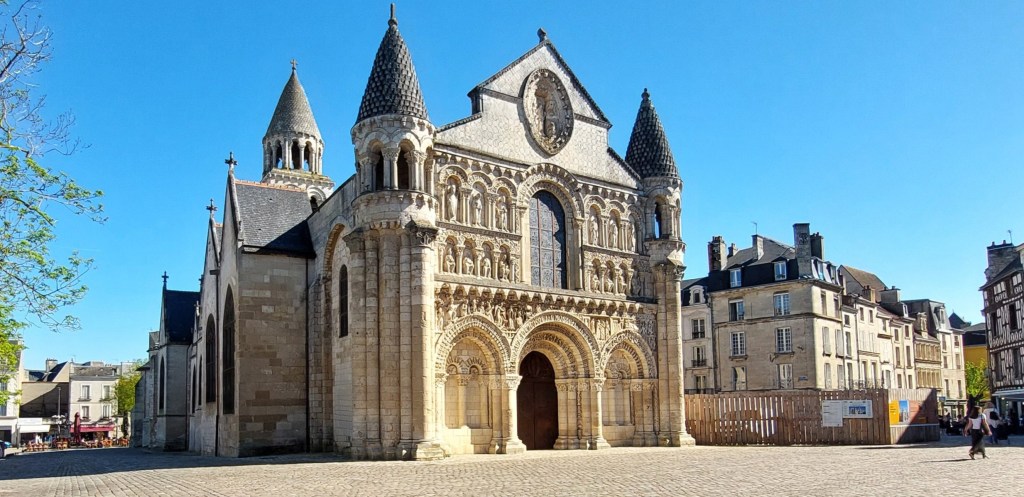
Our first port of call was Église Notre-Dame la Grande which was next right in the centre of the town by the market hall. It was constructed during the 11th and 12th centuries.The interior was being renovated so it was closed to the public but the main entrance was pretty special.
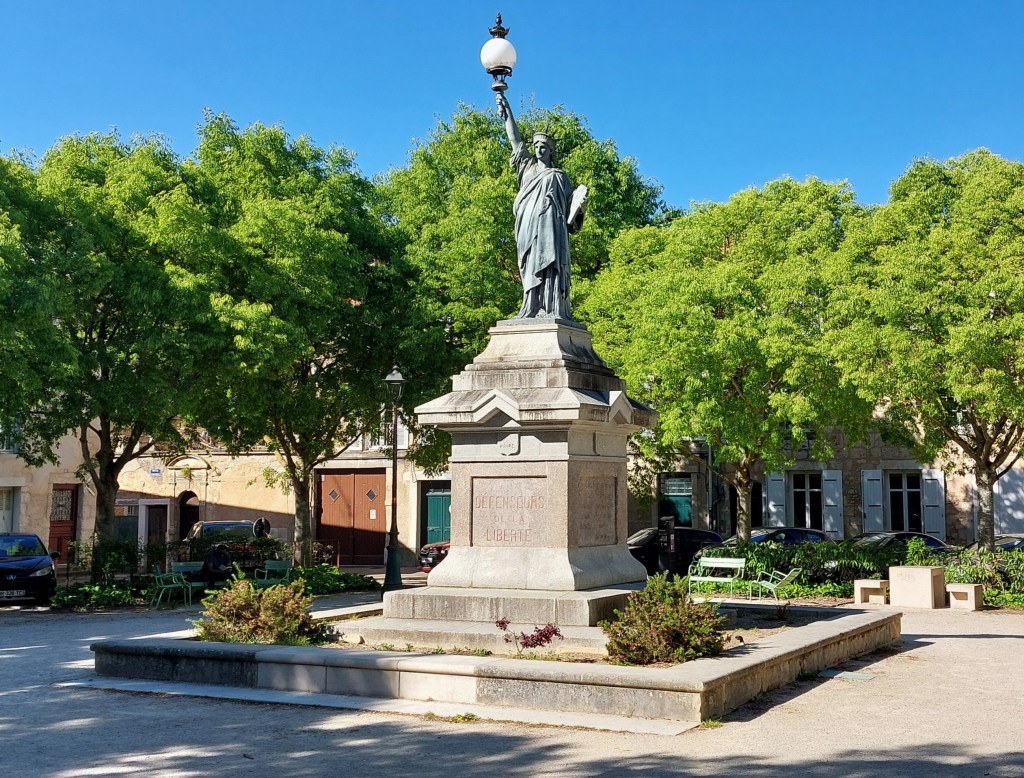
We walked through Place de la Liberté with a replica of the Statue of Liberty which was paid for by the freemasons and installed in 1903.
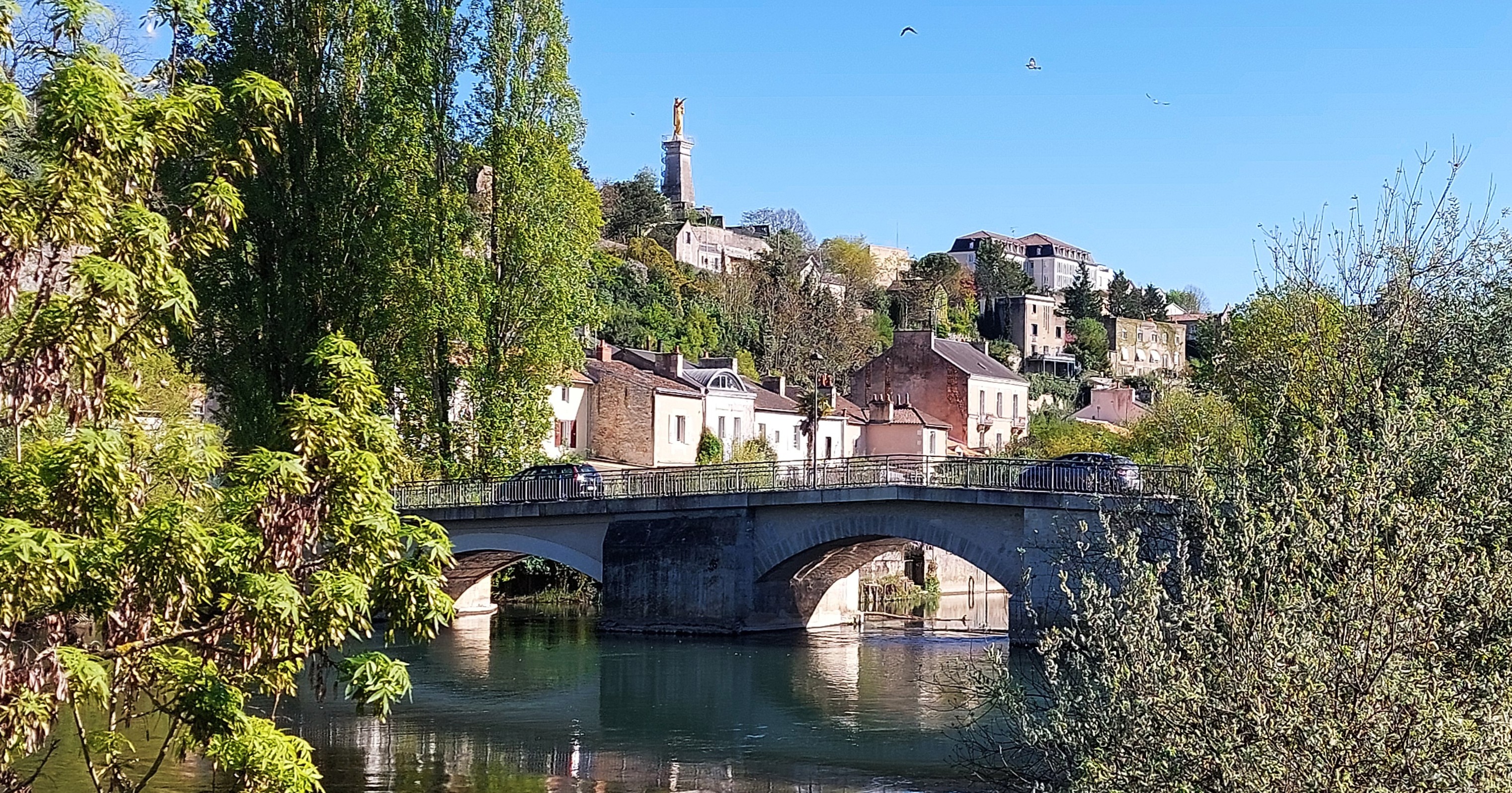
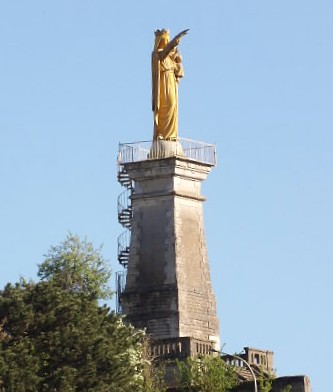
From there we walked down the hill to the river Claine and took in the views of medieval Pont Joubert bridge and Statue-Notre Dames des Dunes which was inaugurated in 1876. It was built as a symbol of renewal after the defeat of Napoleon in the war against the Prussians.
St Radegonde Church
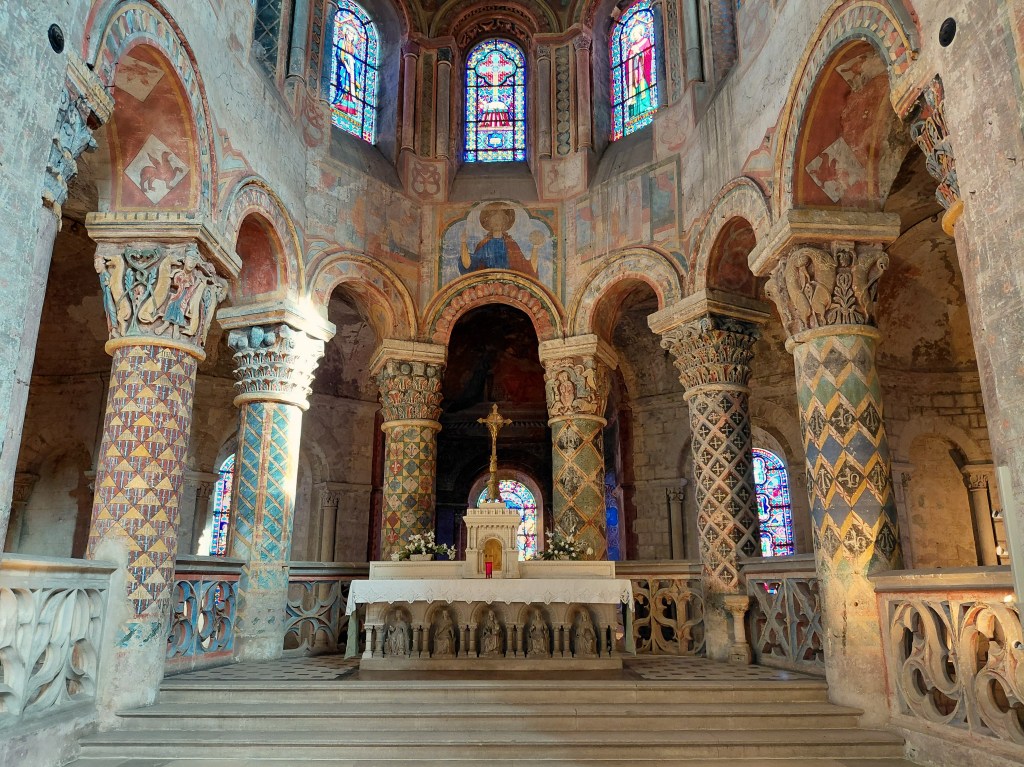
We then came across the wonderful St Radegonde Church which did not even warrant a mention in our guidebook. It was founded in 550 AD, burned down twice and was finally rebuilt, expanded and reopened in 1099.
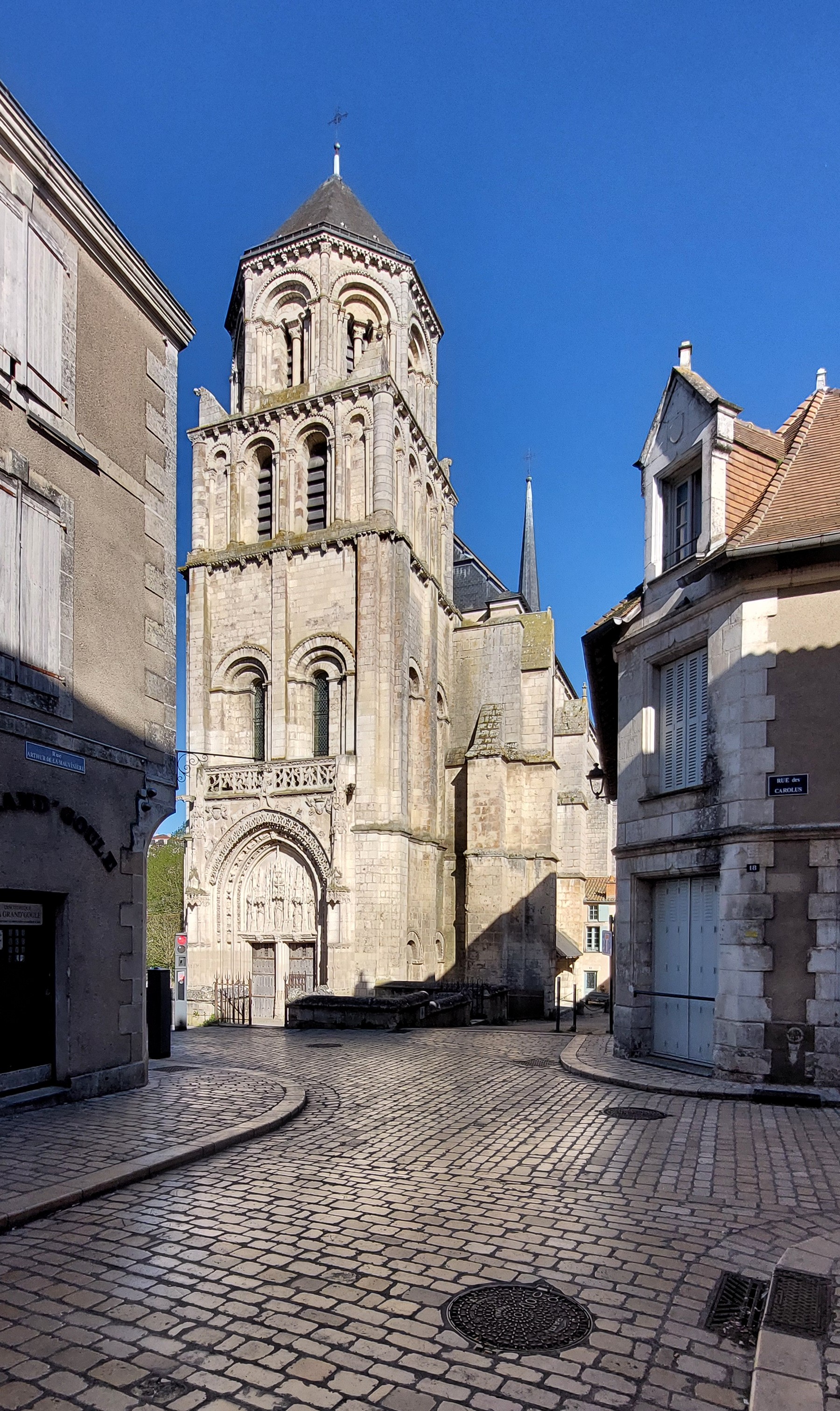
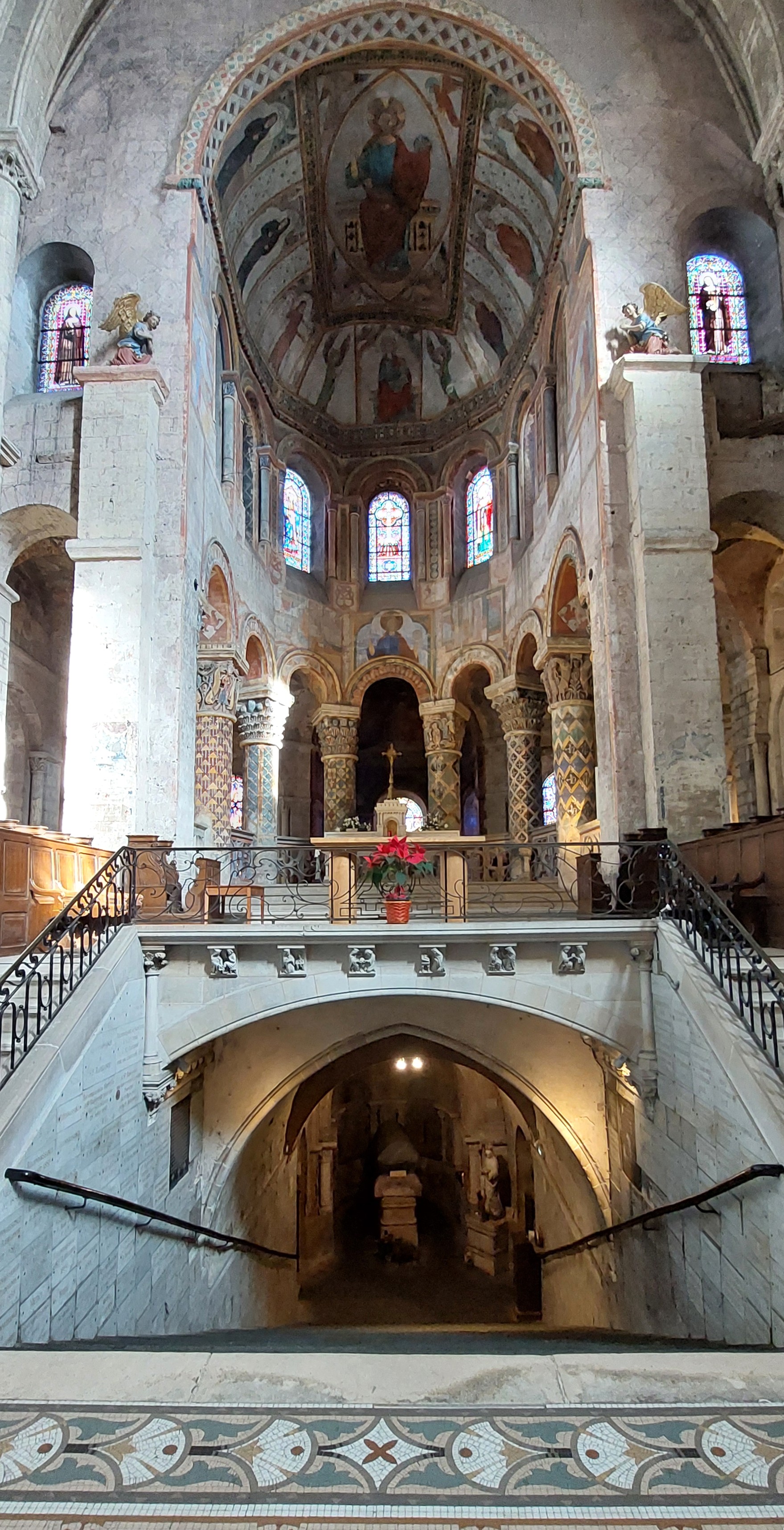
It’s attractive on the outside but the ornately decorated pillars and frescos on the interior are stunning. The tomb of St Radegonde is in the crypt under the altar.
Cathédrale Saint-Pierre
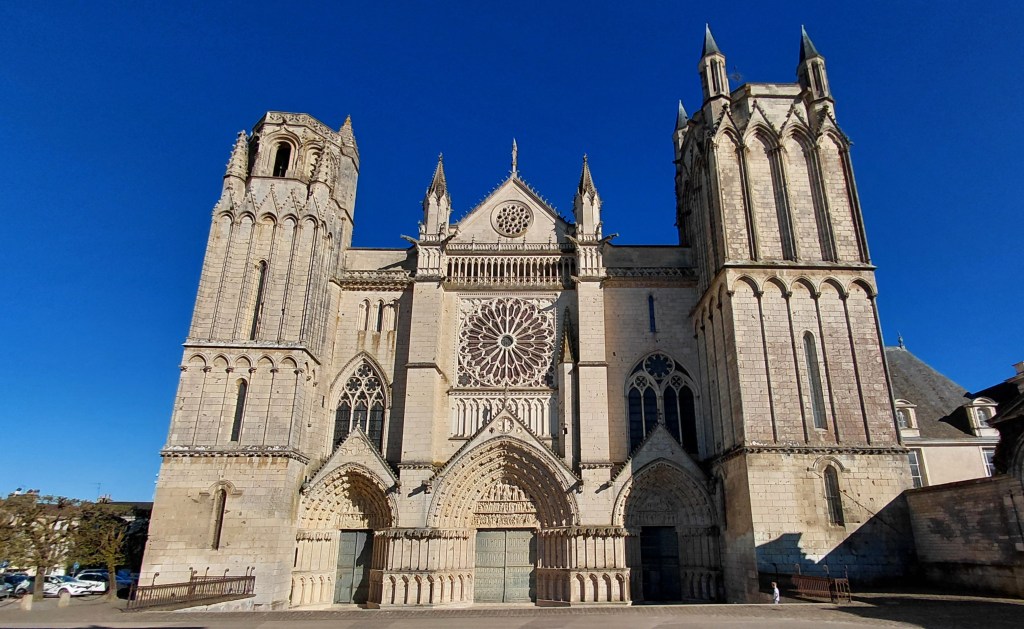
Not surprisingly the Cathedral does get a mentioned in our guidebook which described it as enormous!
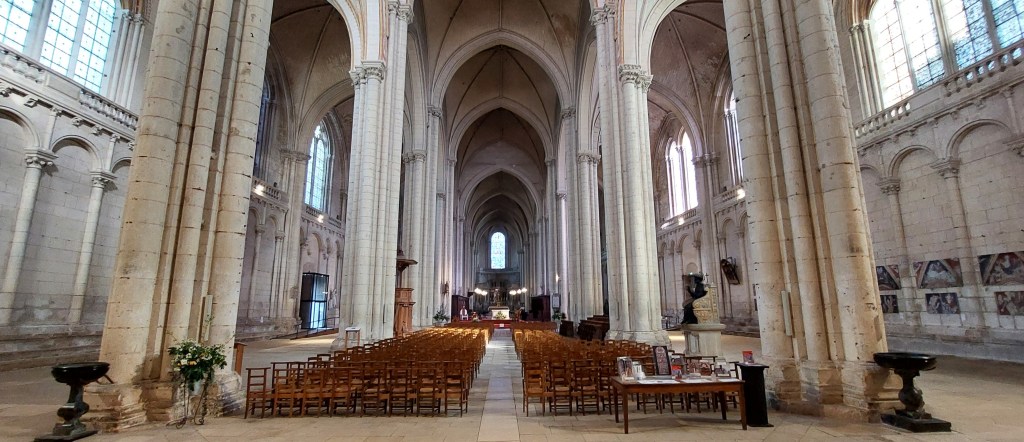
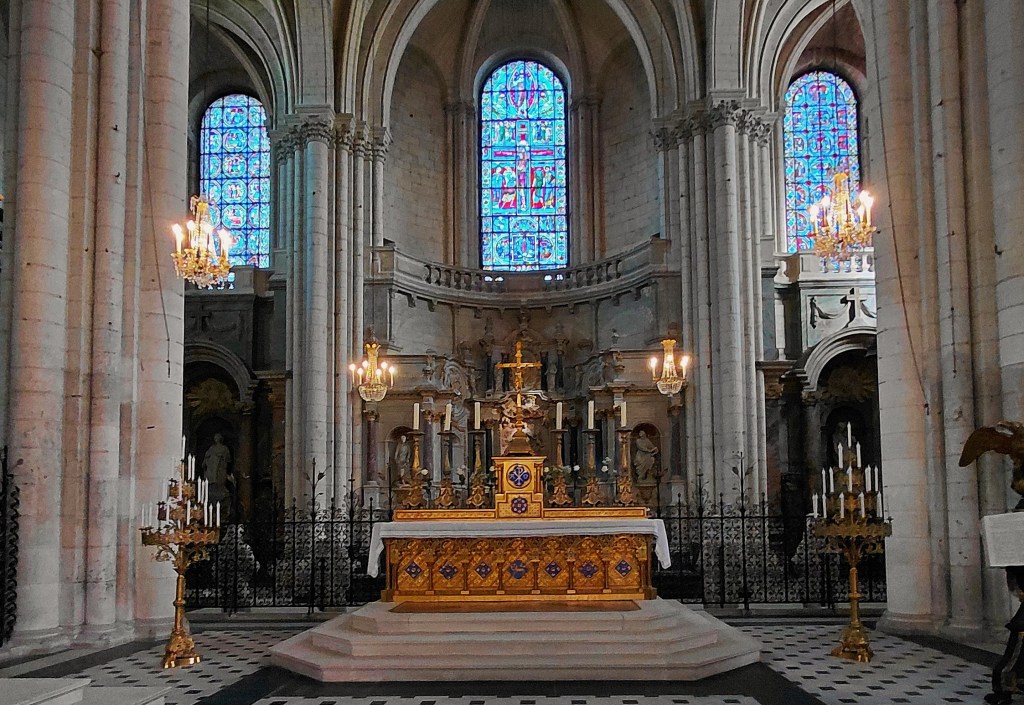
Enormous indeed ! The huge cathedral dates from the 12th century and one of its most remarkable features are its 12th century stained-glass windows. The Crucifixion window was created in 1165–1170 and is a wonderful example of early Gothic stained glass art [thanks Google].
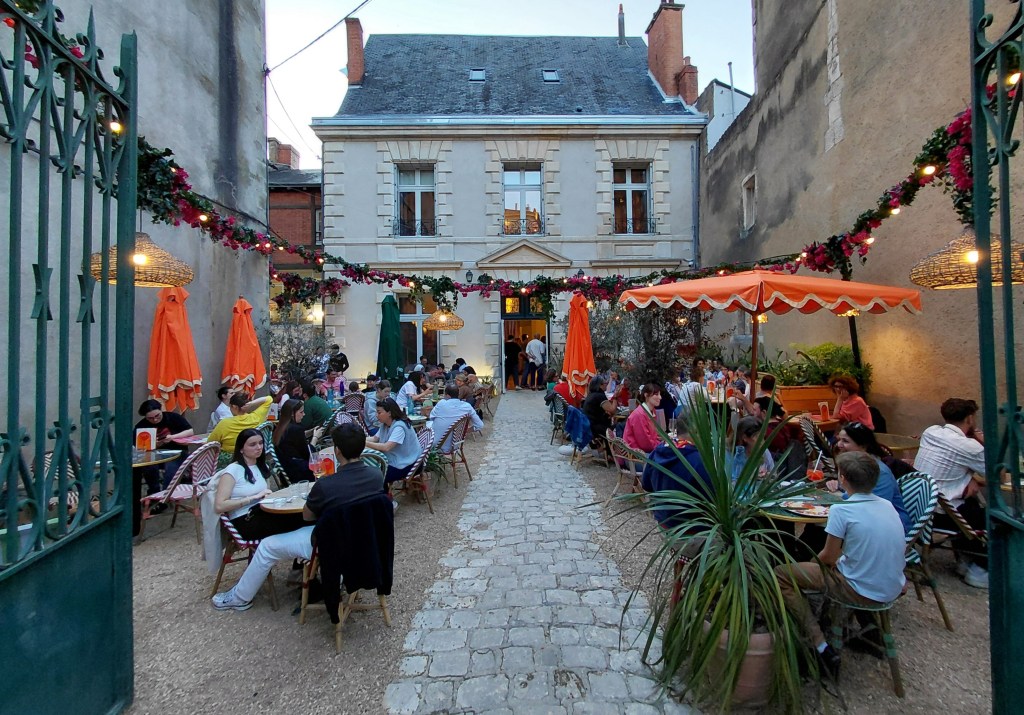
Clearly, visiting churches makes one very hungry. So after a bit of walking around and Googling we chose Villa Gambetta, an Italian restaurant in the centre of the old town to relax and have dinner. It was busy but our pizza and gnocci [and wine] was excellent.
Day 14 Poitiers and on to Angouleme
Le Palais, Poitiers
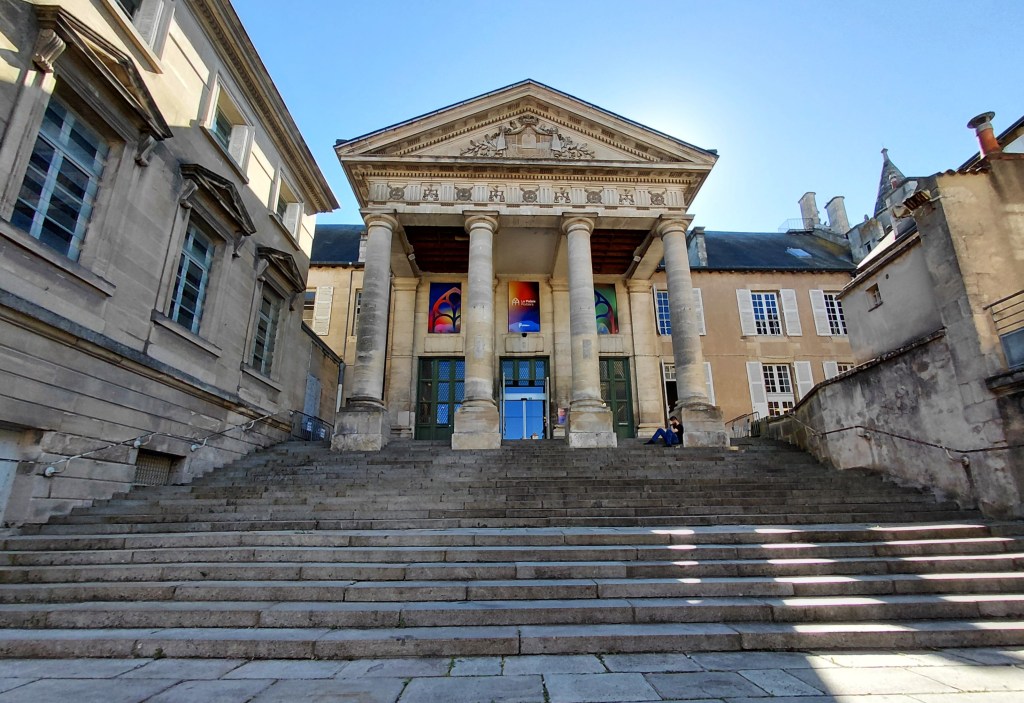
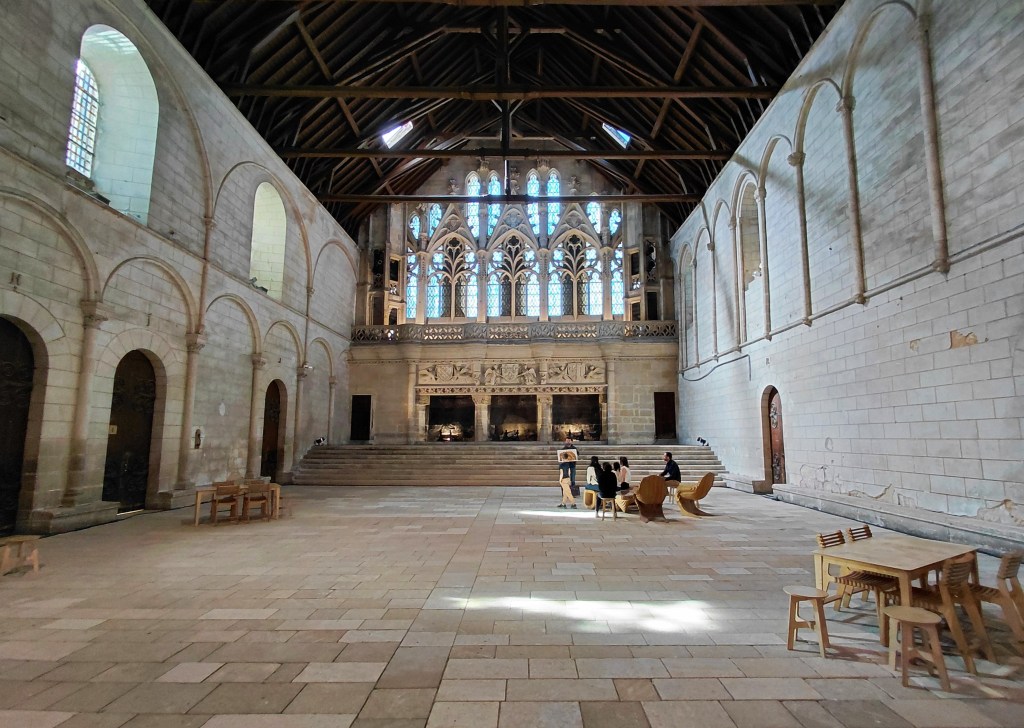
We had the morning to see a bit more of Poitiers. We chose to visit Le Palais in the centre of the town. In the 12th century the palais was the temporary residence for Eleanor of Aquitaine and her two husbands [not at the same time], and then for her son Richard the Lionheart. It was subsequently used as a courthouse and is now a cultural centre and is free to enter. the large ceremonial hall- Le Salle des pas Perdus was impressive for its size alone.
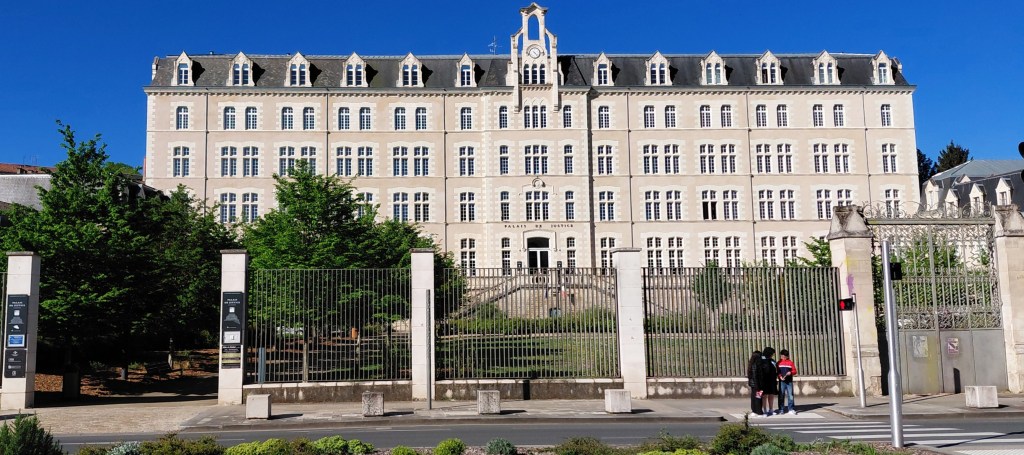
Do not get confused with the Palais and Le Palais de Justice, the new courthouse at the bottom of the hill- oopsie!
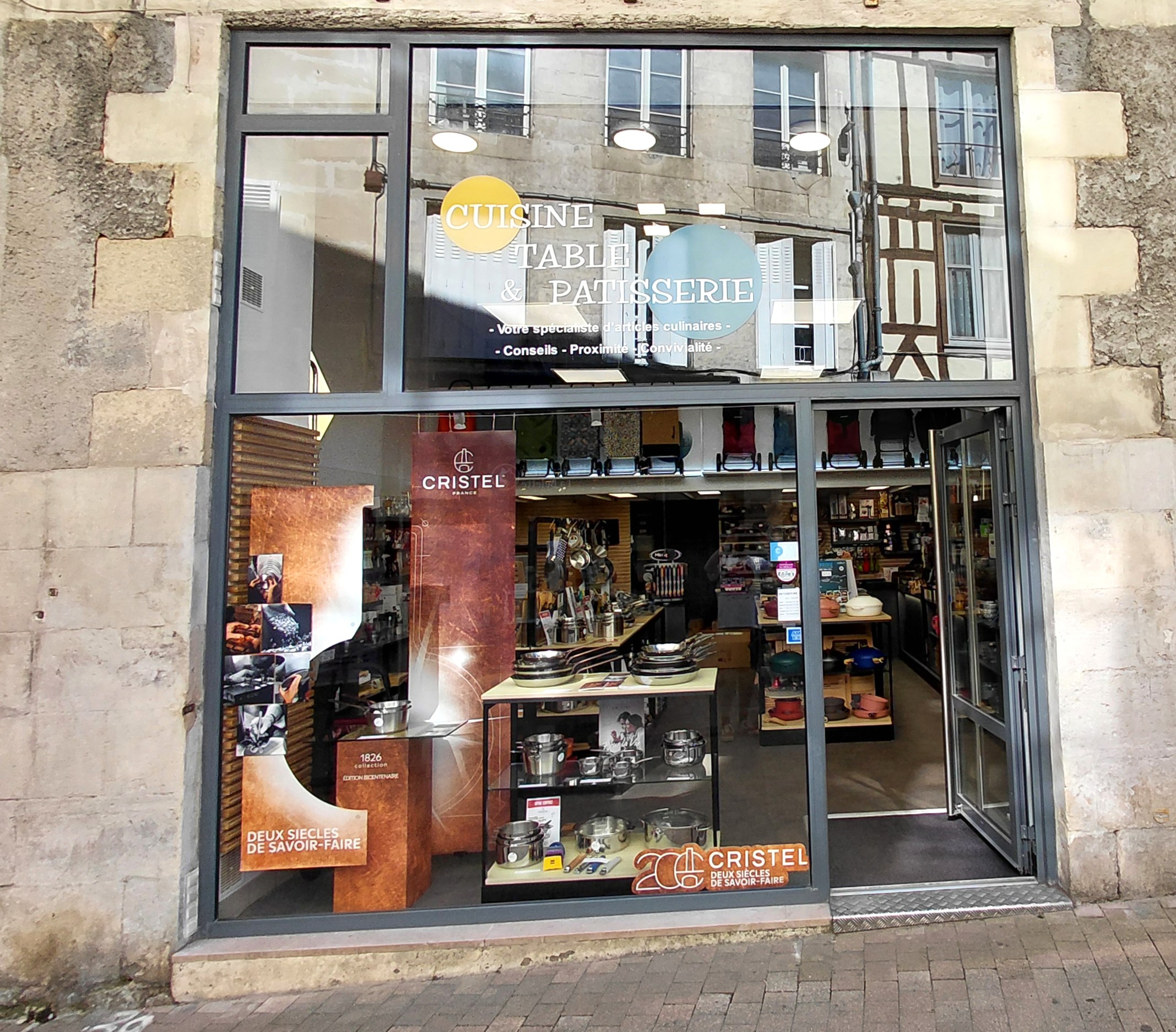
Our final act in Poitiers was to spend alot of money on three beautiful Le Cookut Merveilleuse pans from a small shop in the town centre, [we chose pale blue].

Our next destination was Angoulême, which was about an hour and half drive. We had a salad and left over pizza in our car on the way.
Angoulême
We arrived in Angoulême in the early evening and had a bit of problem trying to get into our property. This was not helped by the fact that we had no internet connection on our phones. But once we were in, we were very happy with our new home. It was near the centre of the town and had a private parking space, perfect.
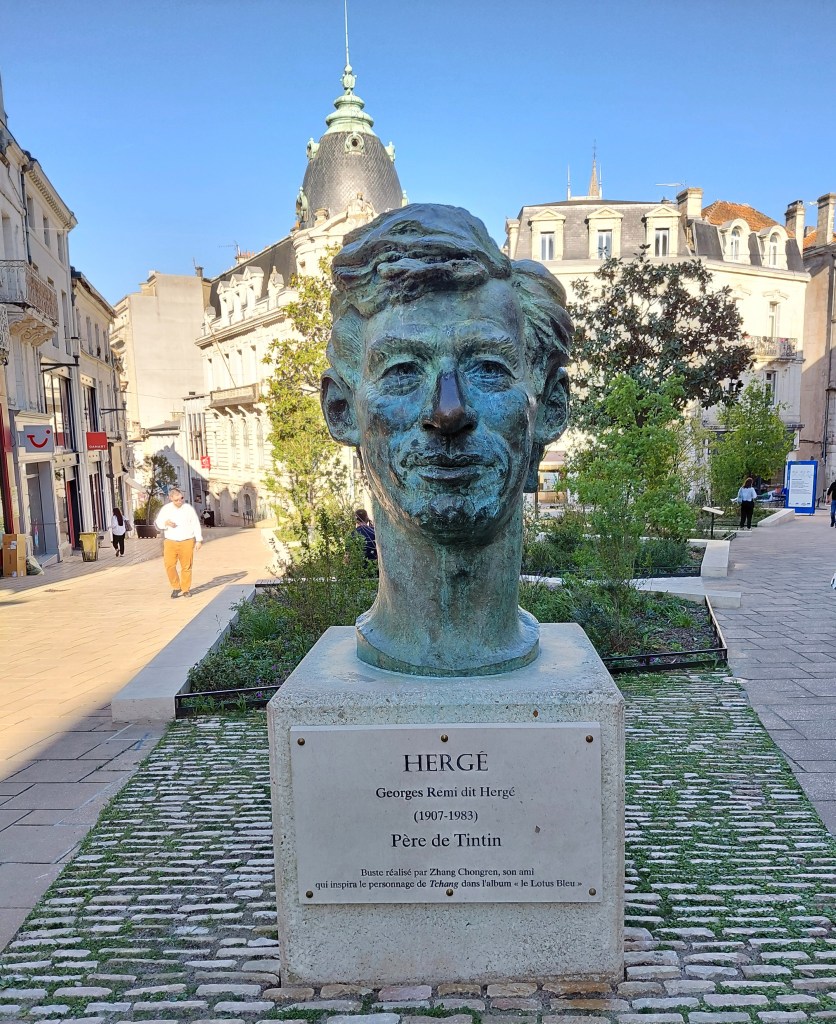
Angoulême is described by The Rough Guide as “Maybe the best kept secret in France.. with hardly a tourist in sight”. The town is situated on the southern edge of the river Charente and is sometimes referred to as The Balcony of the South West. It has a long turbulent history and its main industry used to be the manufacture of paper. Now it is best known as the capital of comic strips and hosts the annual International Comic Festival every January. A brief wander around the old town lead us to L’atelier where we had a fine al fresco dinner.
Day 15 Angouleme, Charente.
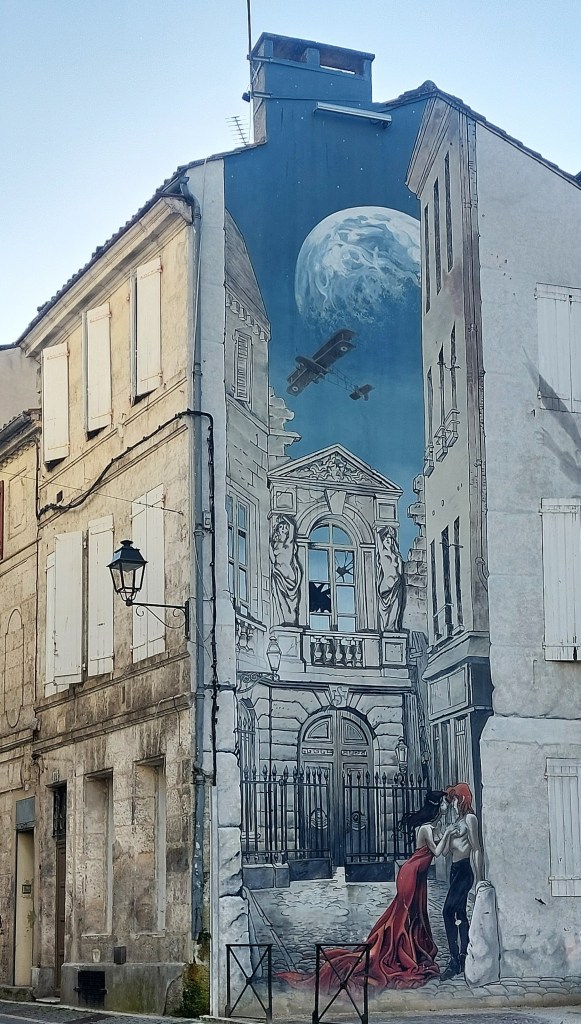
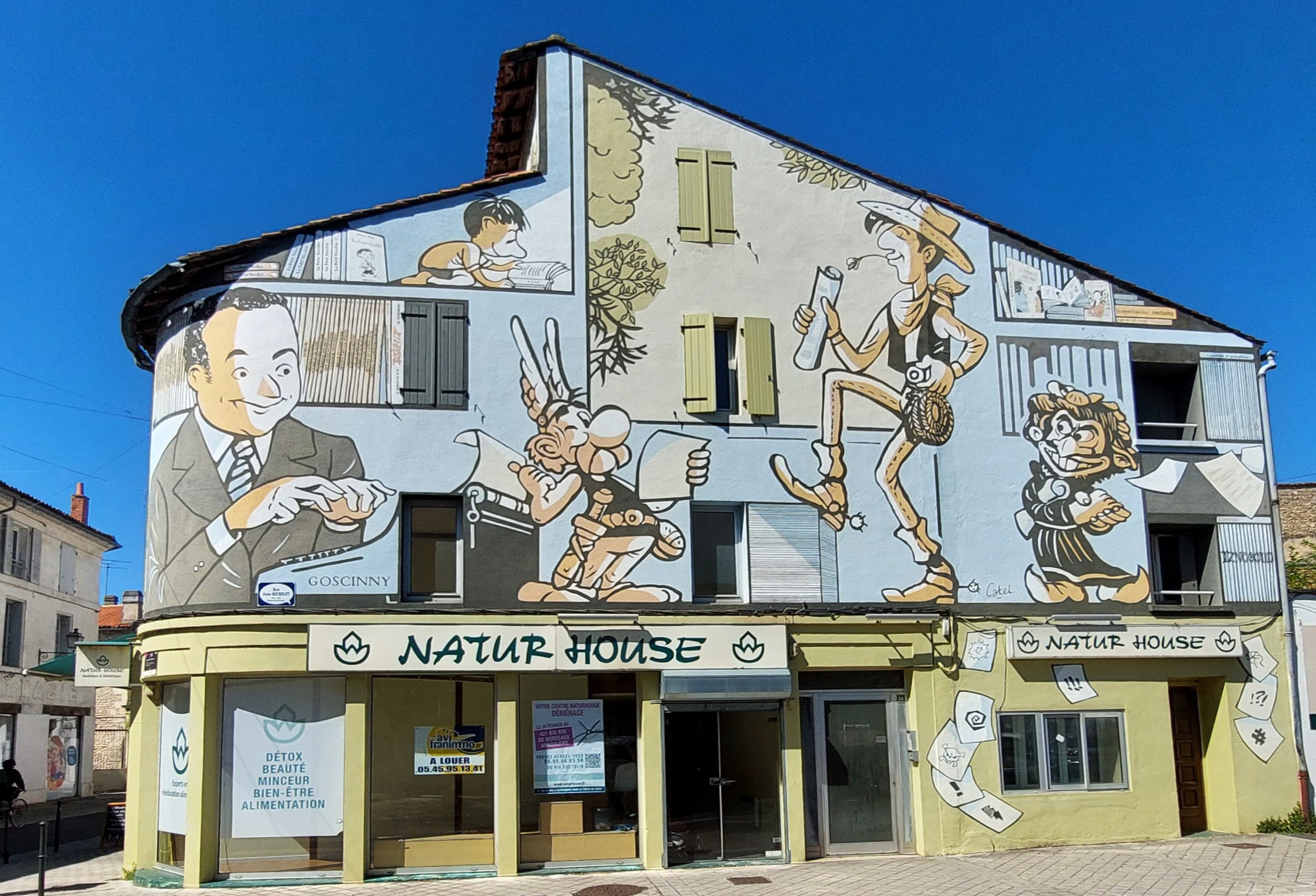
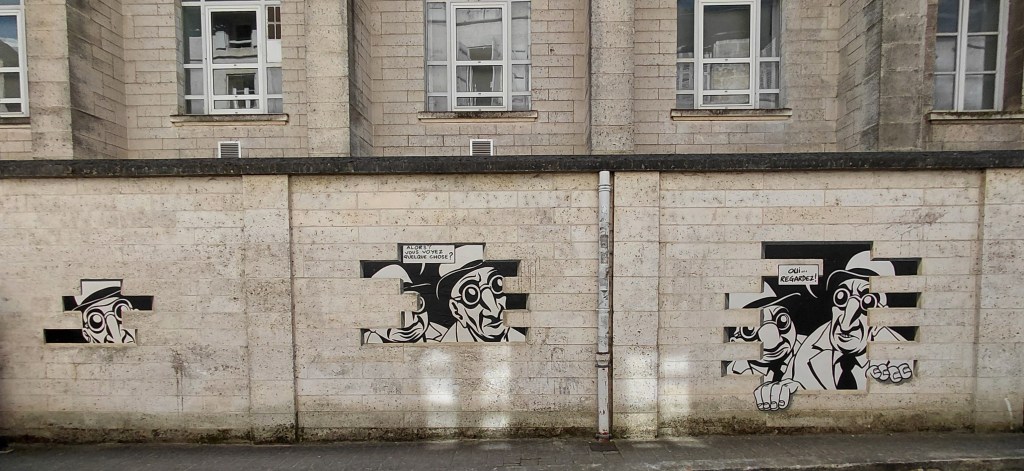
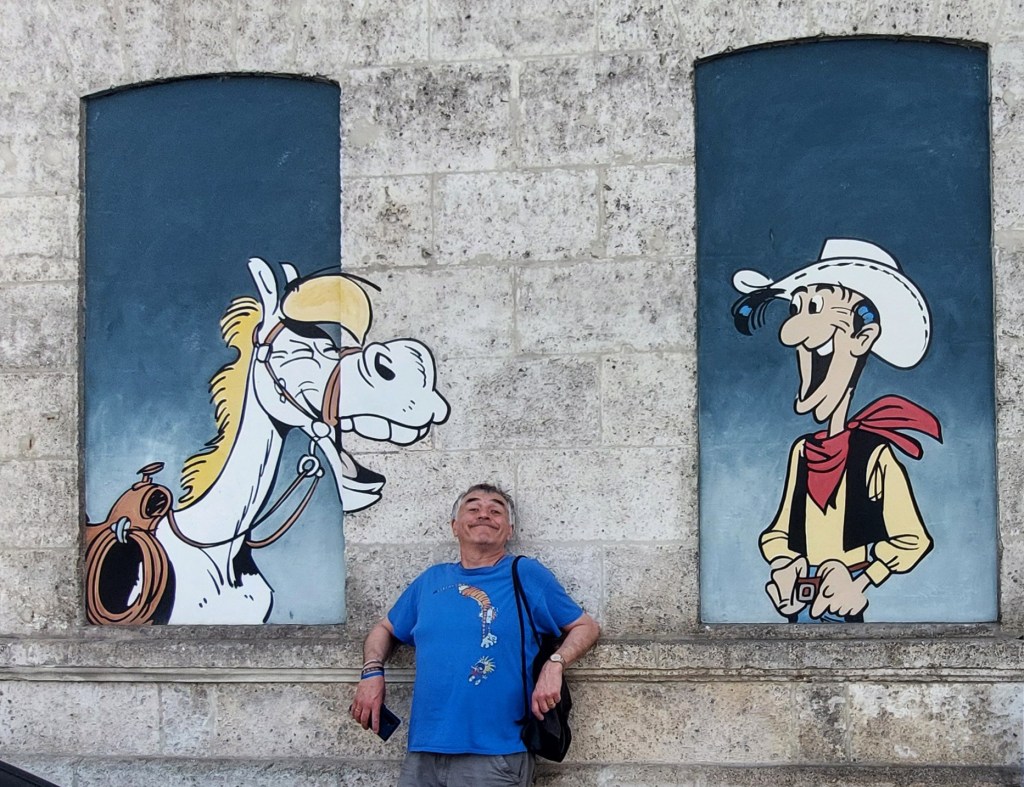
We are not avid comic book or graphic novel readers, [apart from The Walking Dead and Calvin and Hobbes] although I did read Tintin and Asterix in my youth. So we decided not to bother with the Cité de la bande dessinée, the comic museum but we loved the murals that were dotted around the town and enjoyed seeking them out.
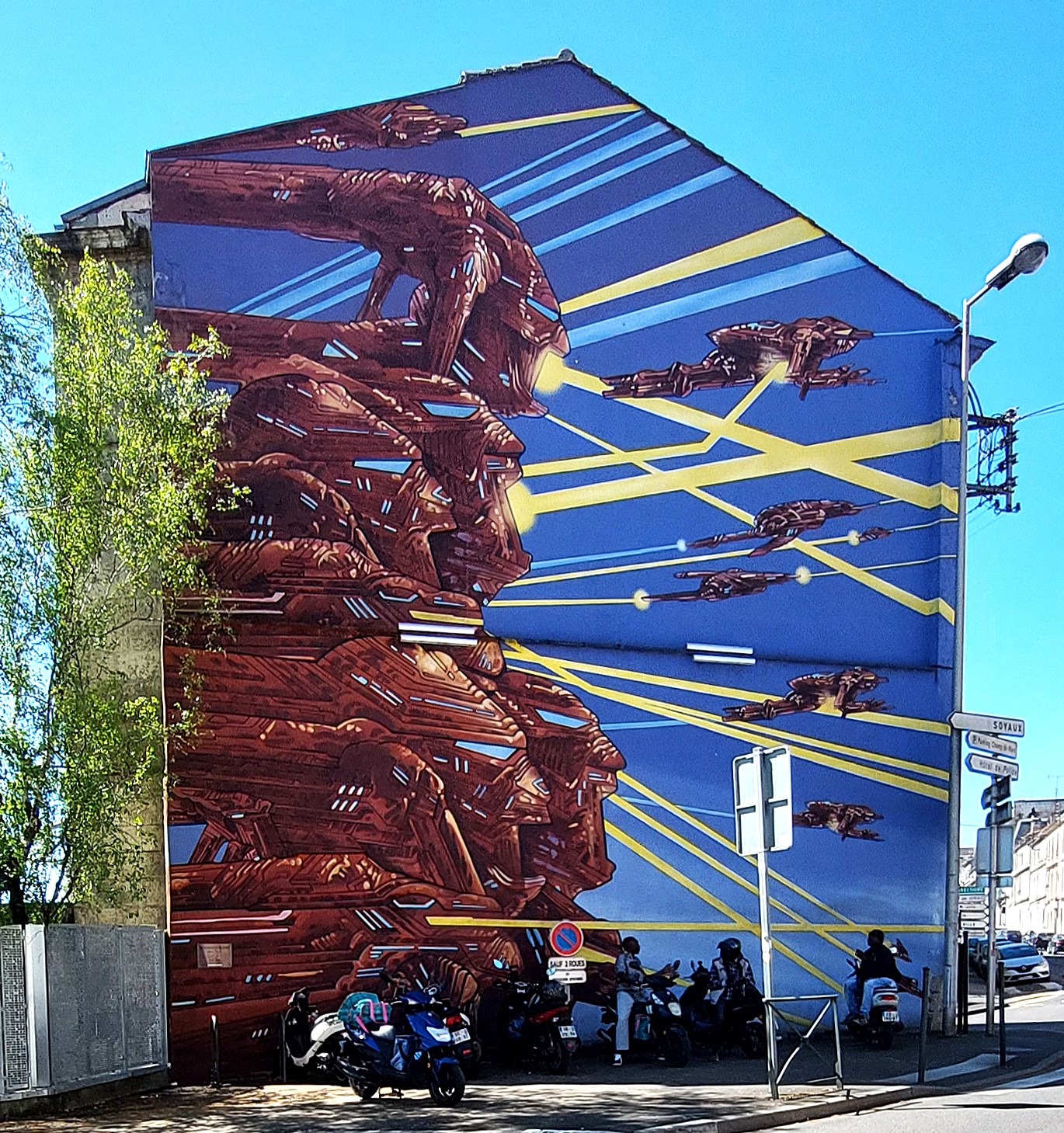
Our al fresco lunch of croque monsieur and goats cheese salad at Latitude Pub was lovely. Afterwards we walked along the old city ramparts back imnto the town centre looking out for more wall art.
Churches and Wall Art
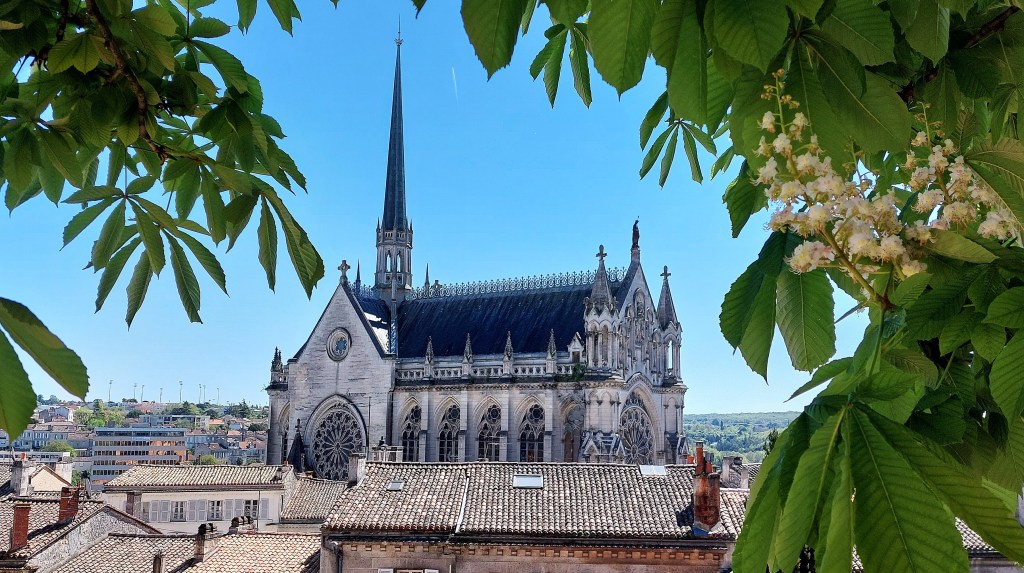
Église Notre-Dame d’Obézine was our first stop. It was built in the late 19th and early 20th century and looked most imposing looming over the rooftops.
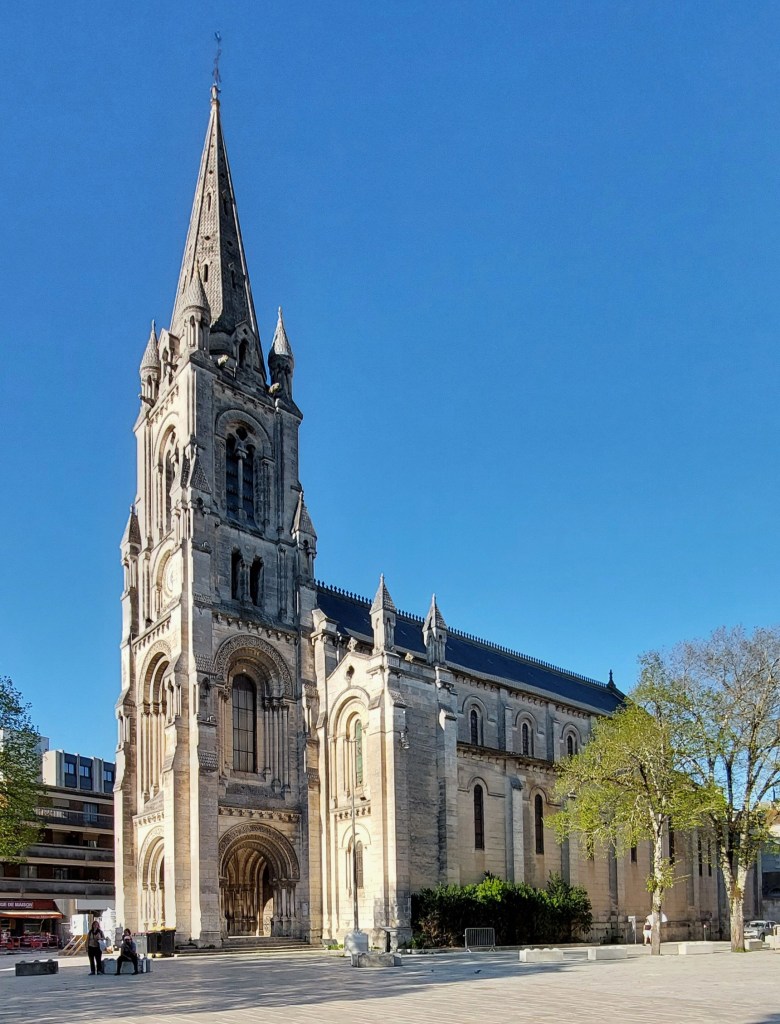
Eglise St Martial was also built in the 19th century and its striking feature is the Neo- Romanesque tower although the inside was rather drab in comparison.
The next two pieces of wall art were probably our favrits.
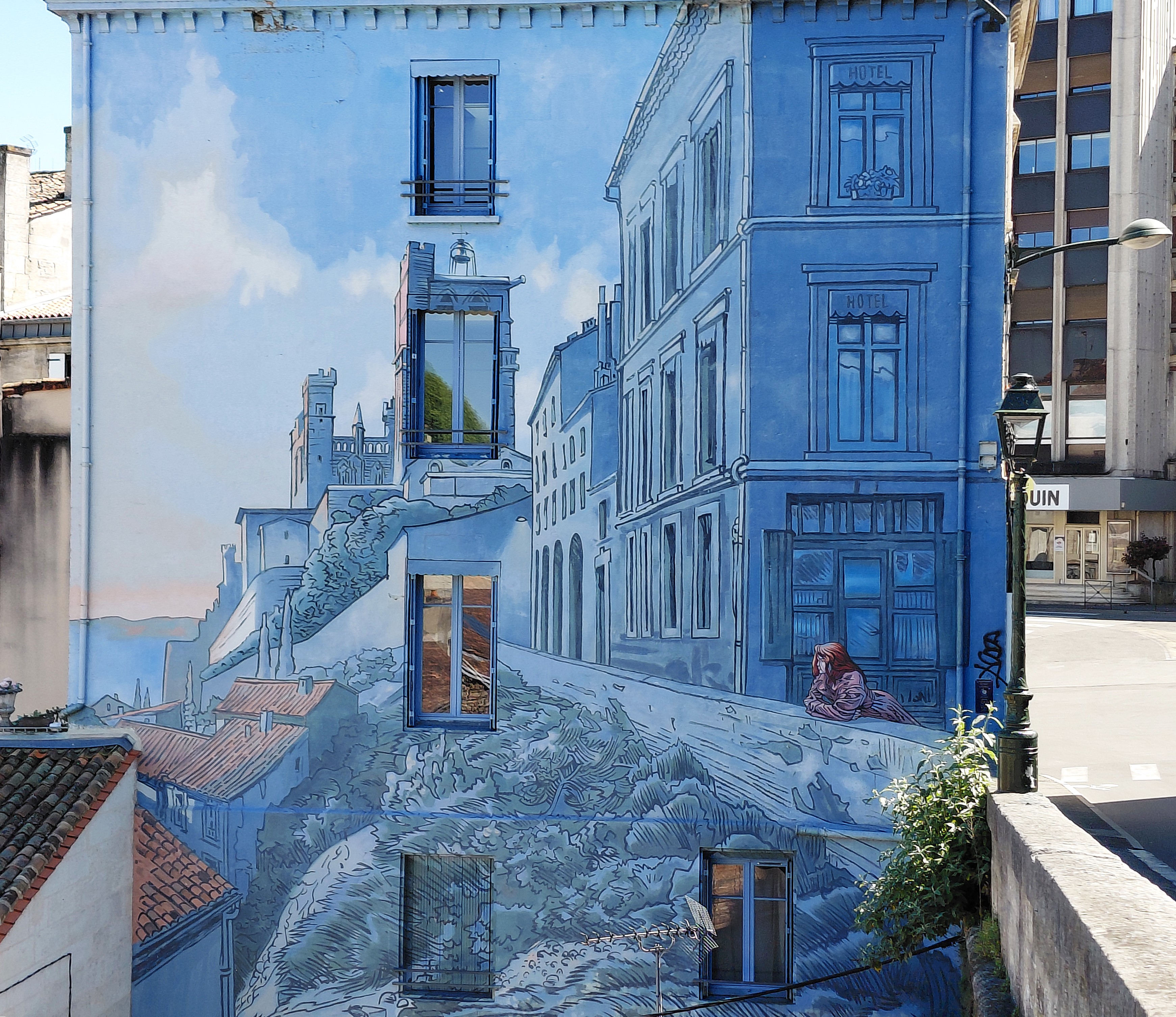
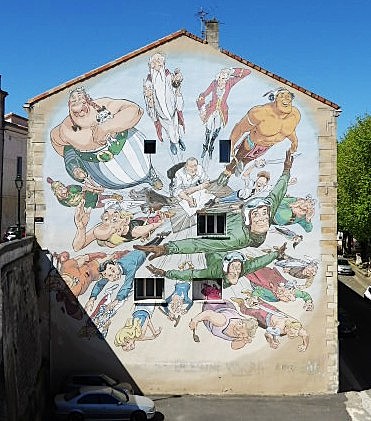
We then headed for the cathedral passing by this lovely mural by Marc-Antoine Mathieu on the way.
Cathedral St Pierre.
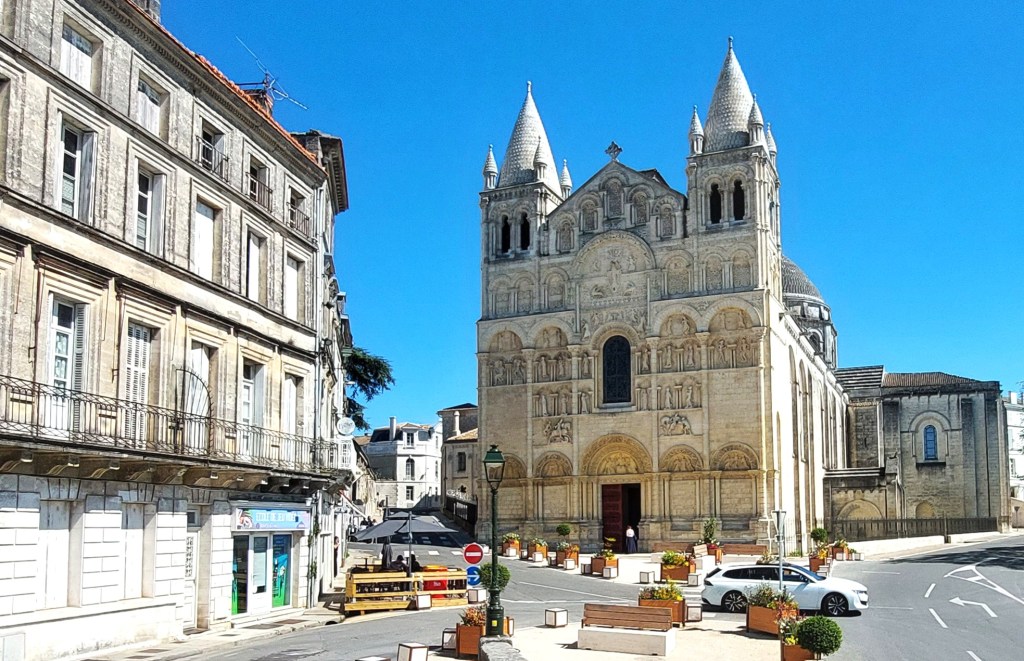
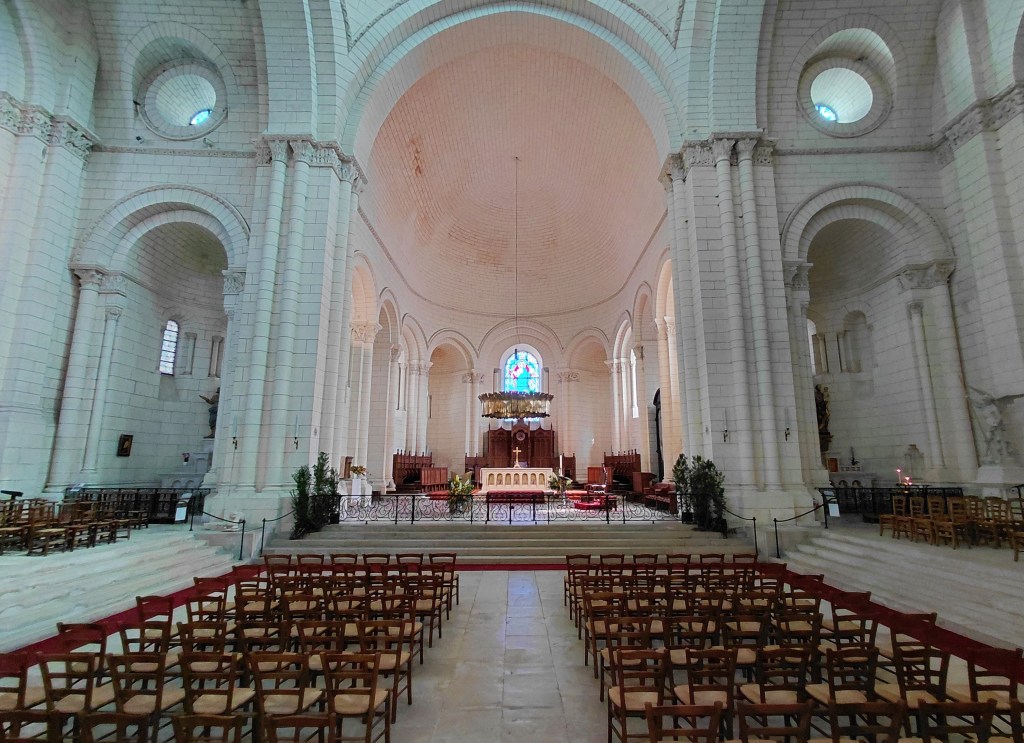
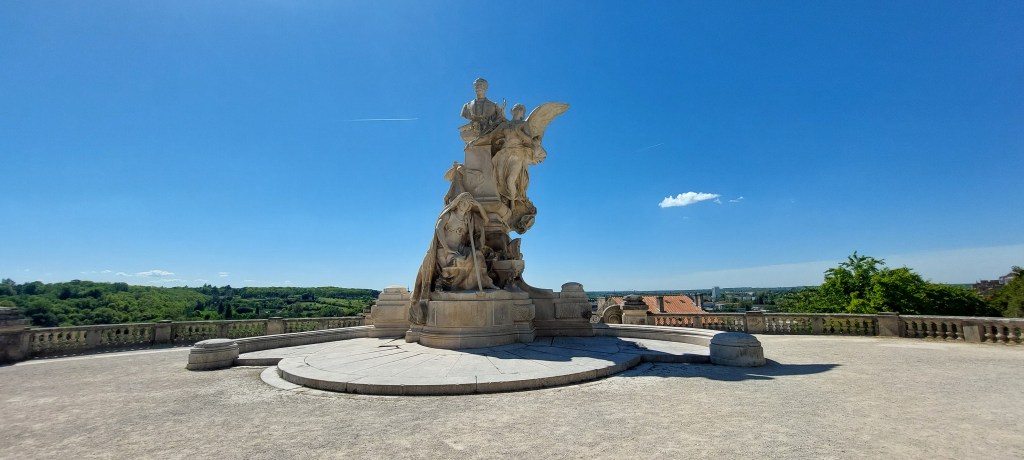
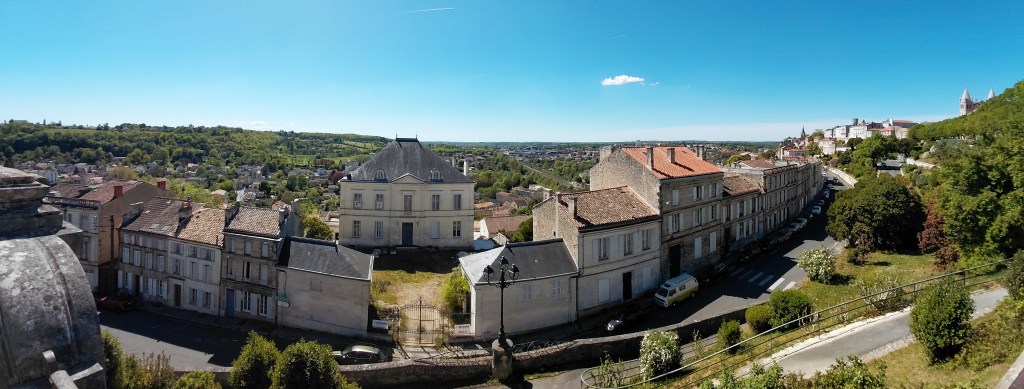
The Cathedral dates from the 12th century and has Romanesque and Byzantine influences. The facade is stunning and is adorned with over 70 sculptures but the inside, although impressive was suprisingly unfussy. Just over the road from the cathedral there are wonderful panoramic views to be had from Statue Carnot. Sadi Carnot was the fifth president of France and was murdered in 1894.
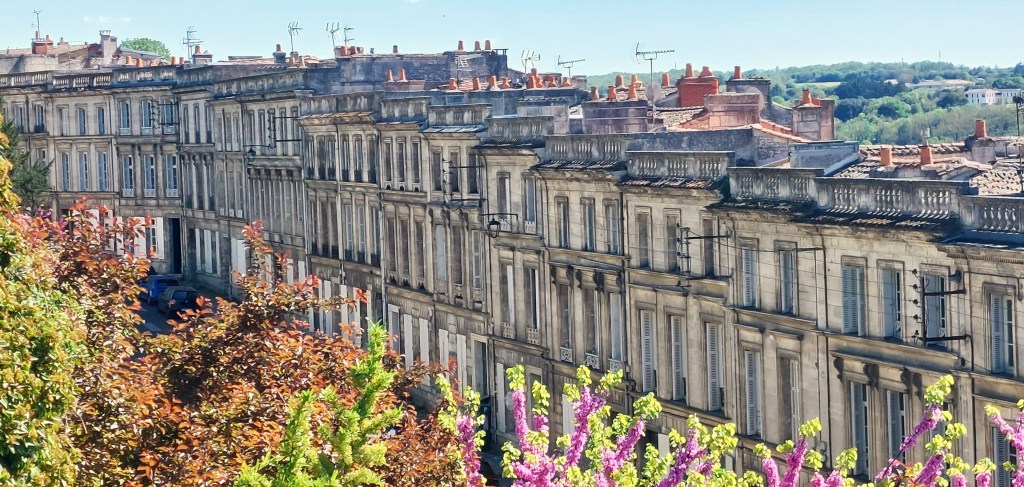
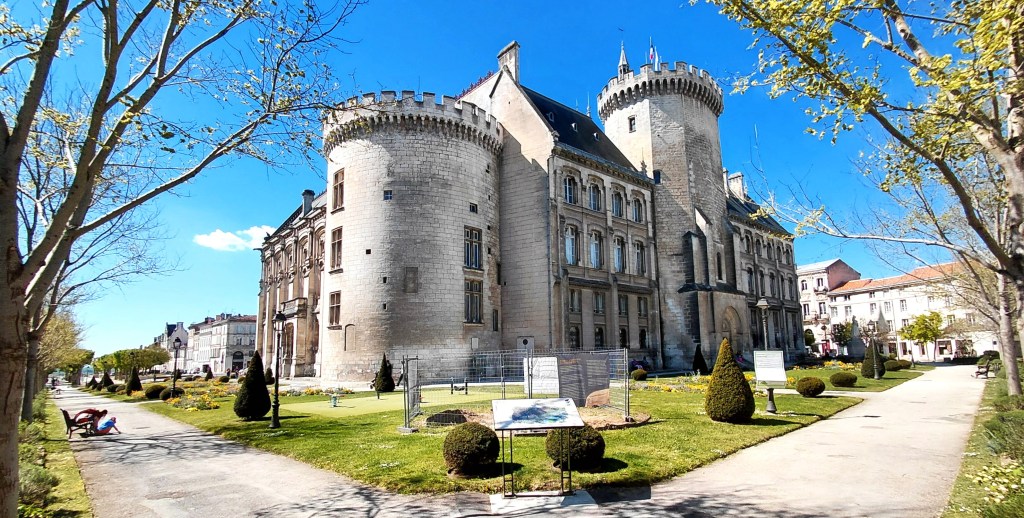
We decided to head back to our apartment for a nap taking in the views along the way which included more wall art and the Hôtel de ville [town hall].
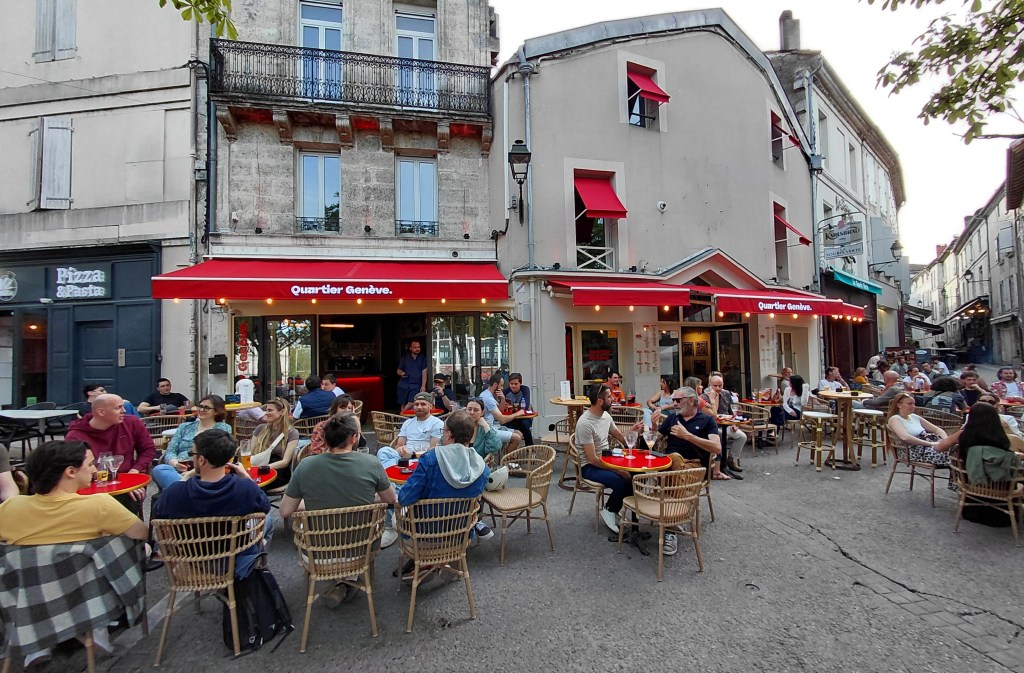
Our nap did make us feel a little bit peckish and in the need of refreshments, maybe it was all the fresh air from earlier. We chose to have a drinky surrounded by locals at the popular bar QG [Quartier Geneve]
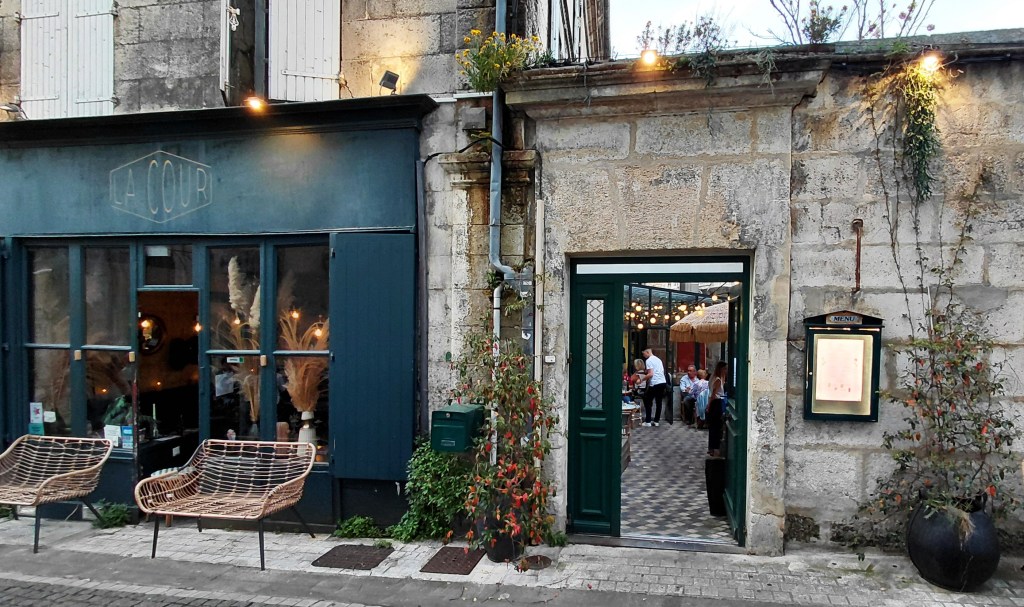
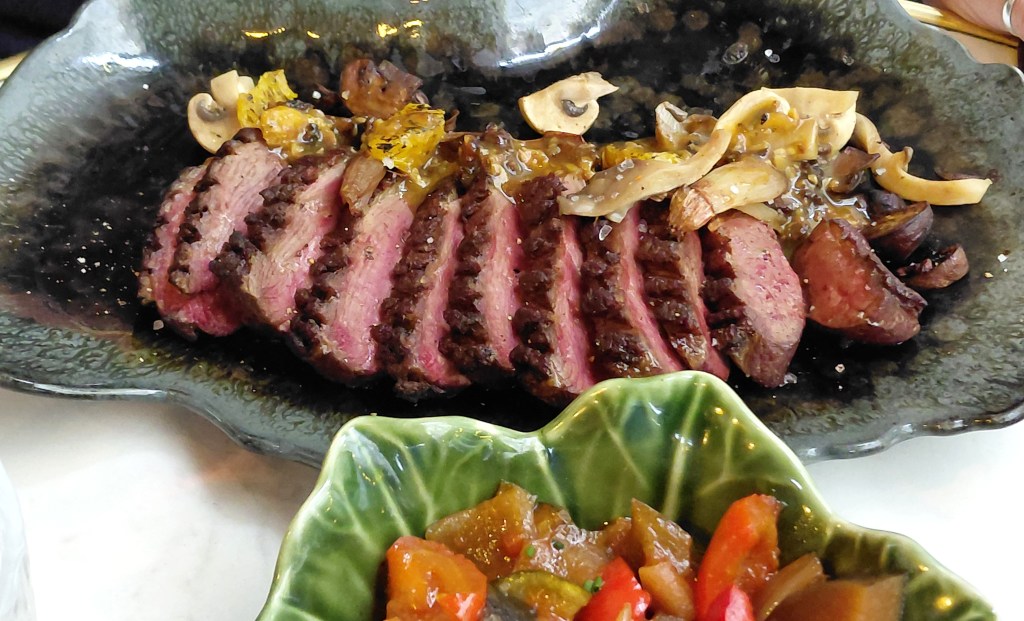
The day ended with a fabulous meal at La Cour. We had walked past it the night before and the menu was tempting and the setting was lovely, so we popped in and booked a table for the following day. We were not disappointed, I had piggy and Leashia had Magret [again].
On our way home we walked past Eglise St Martial for the final time, it looked lovely in the twilight.
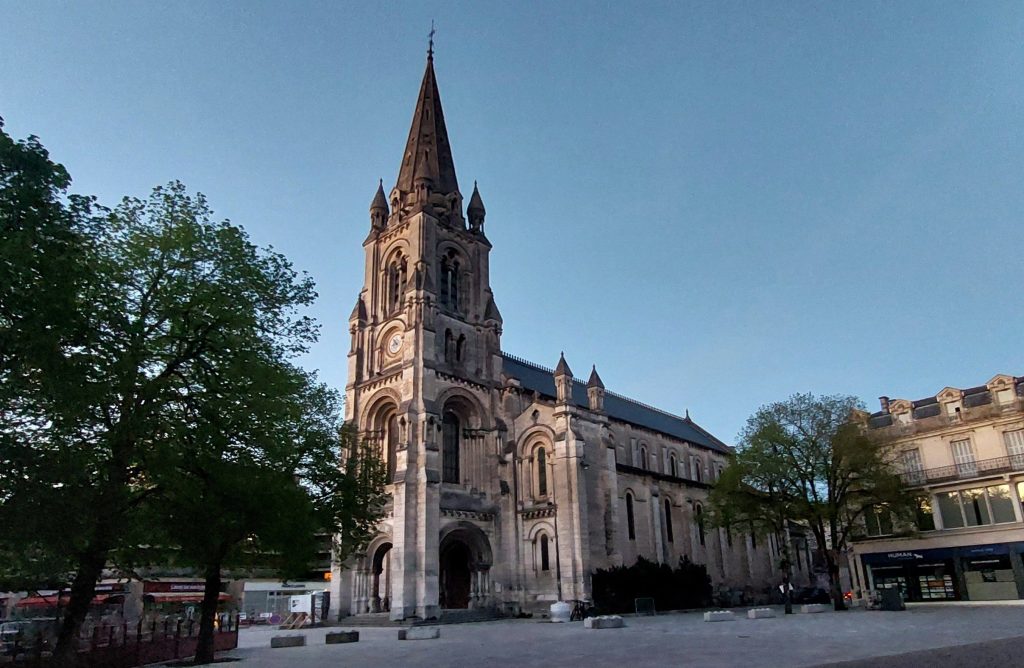
Day 16- To Bordeaux via Brantôme and St Emilion.
We had a lot to squeeze in today. It would take about an hour to drive to Brantôme, then an hour and a half to St Emilion and finally another 40 minutes to Bordeaux.
Brantôme
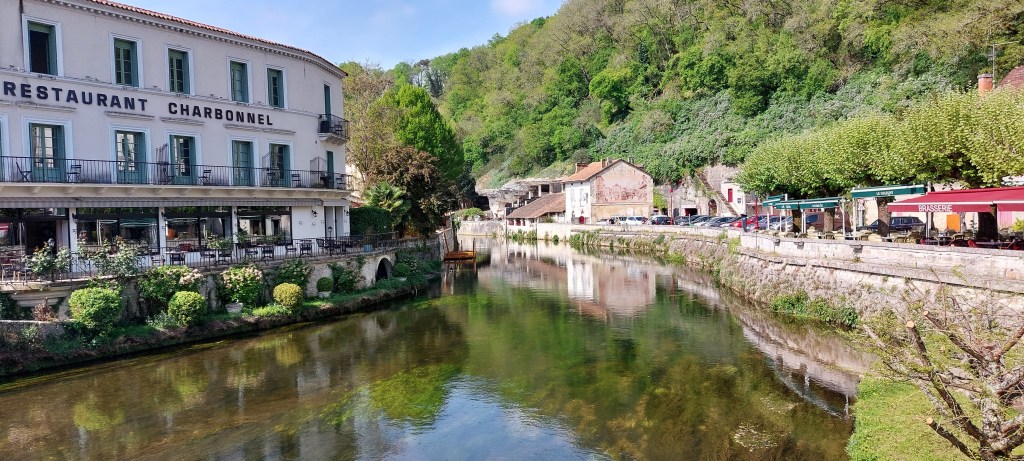
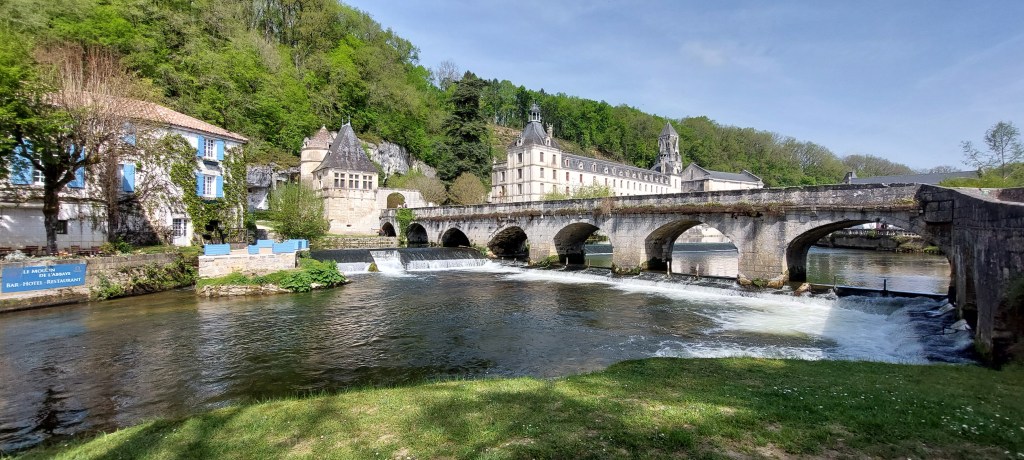
Brantôme is a picturesque abbey town on an island on the River Dronne. We arrived in Brantôme by 11.30am, [the roads in France are so good!] parked for free by the river and walked over the bridge into the town centre. It may be a town but it had a village feel about it.
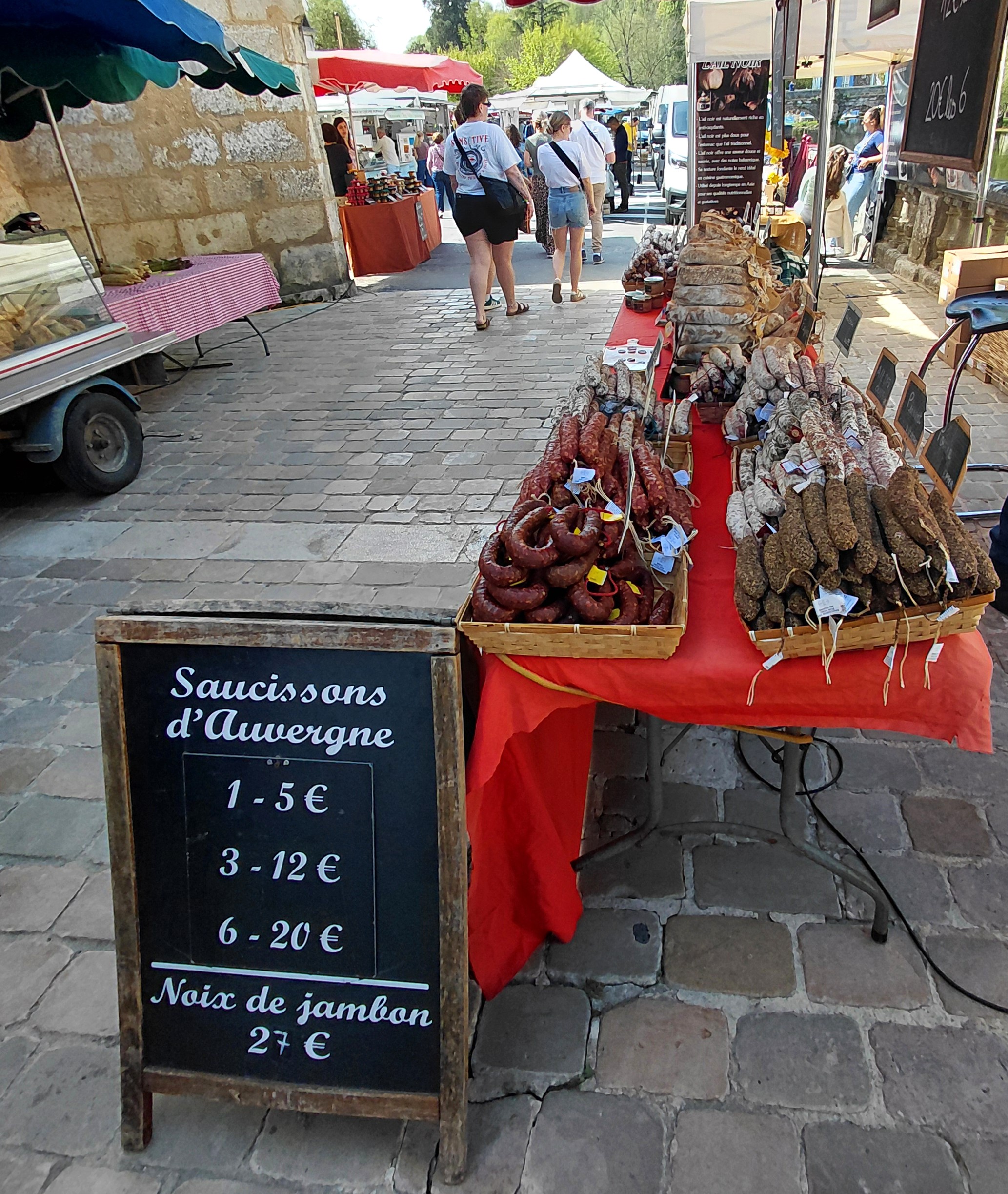
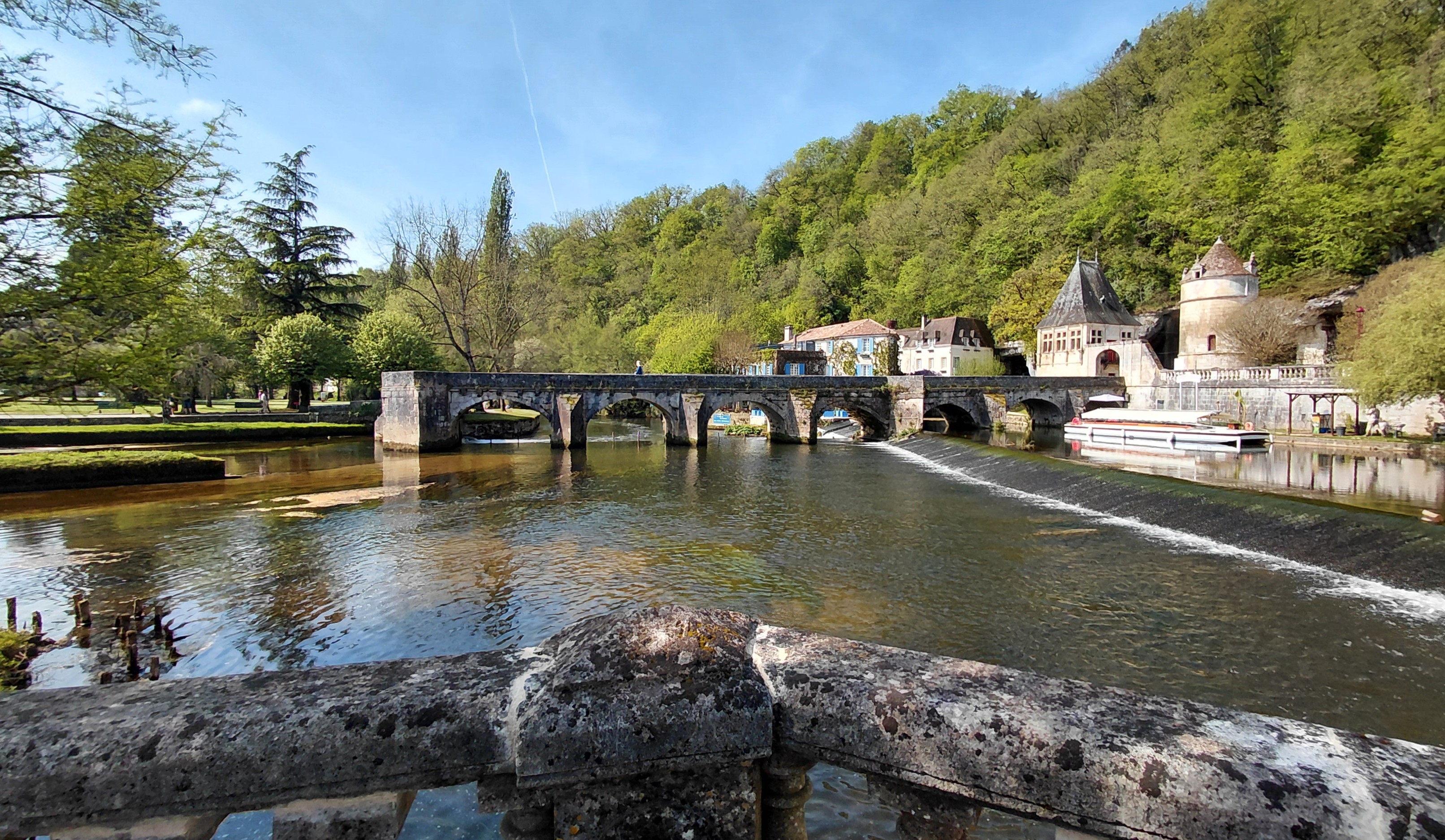
The streets were bustling because it was market day but it did not feel overcrowded. We wandered through the market, bought a picnic from one of the local shops and sat on the grass of the Old Monks Garden by the 16th century angled bridge. The weather was divine as it had been for most of this trip, so far.
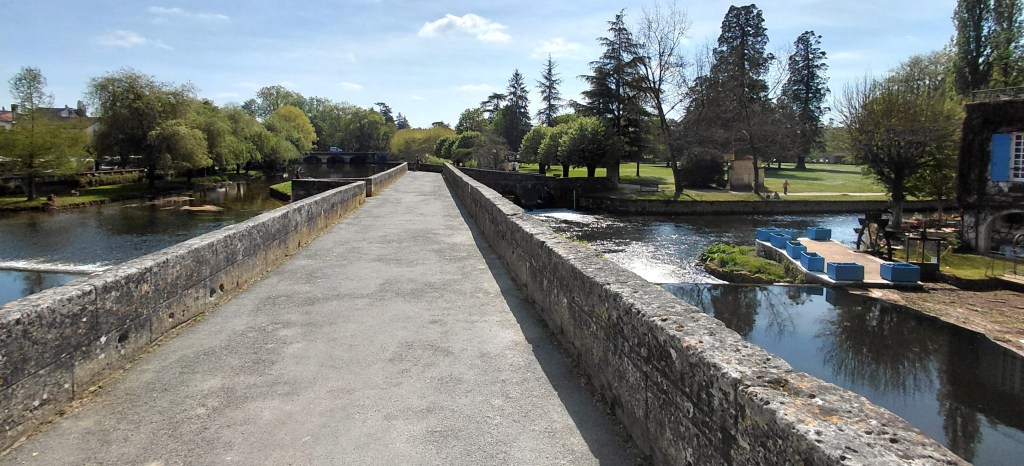
We had our picnic, basked in the sun and enjoyed the views over the river towards the abbey.
Brantôme abbey, [abbey of Saint-Pierre].
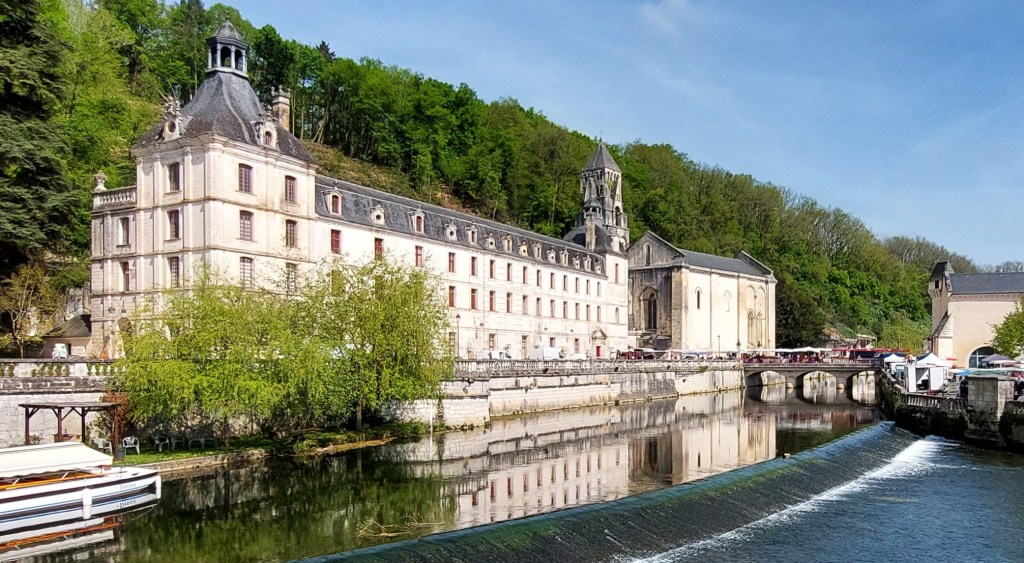
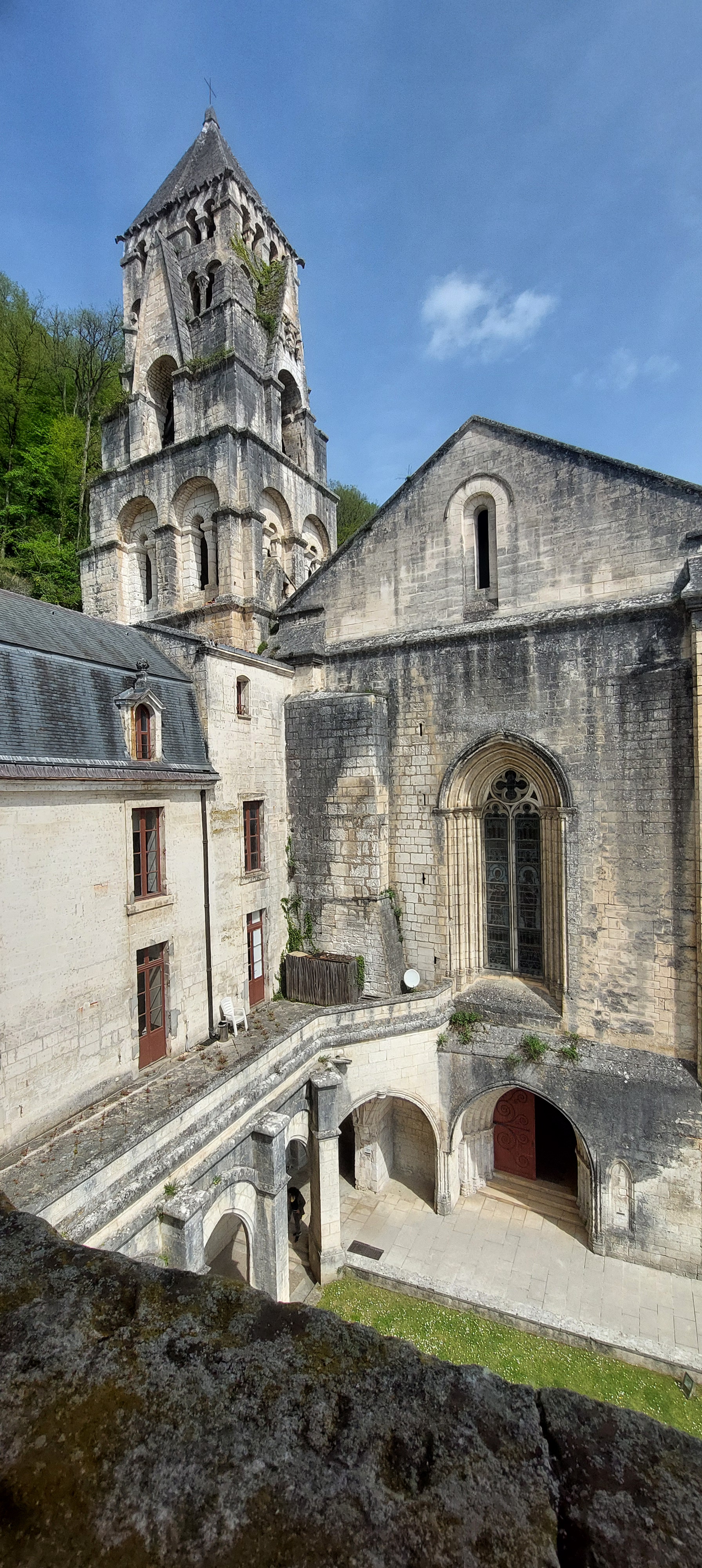
The abbey dates from the 8th century. Evidently we had relaxed by the river relaxed for a bit too long as it was closed for lunch when we got to the entrance and we could not wait for them to reopen. The small abbey church was open but had to be content with viewing the belfry from the outside. The 11th century detatched belfry is said to be the eldest in France. We were also not able to see inside the famous Troglodyte Caves which was a shame.
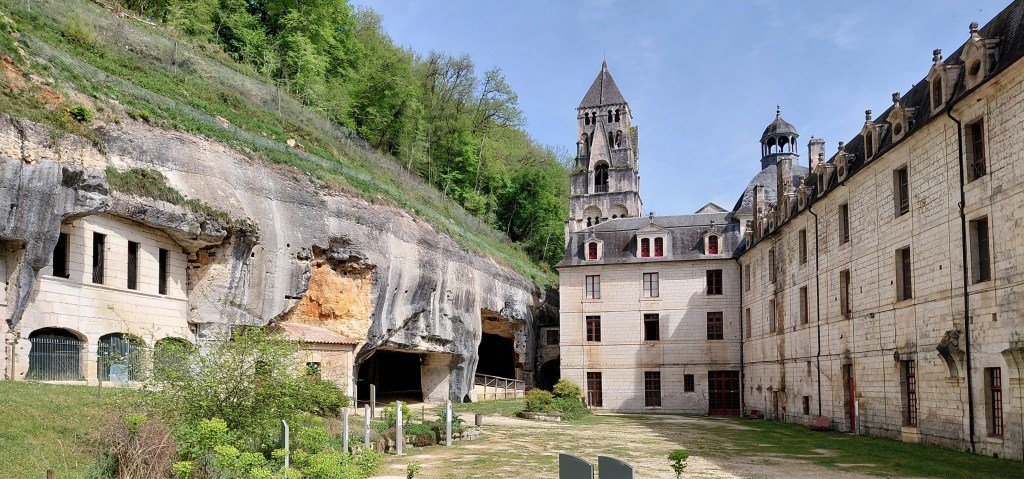
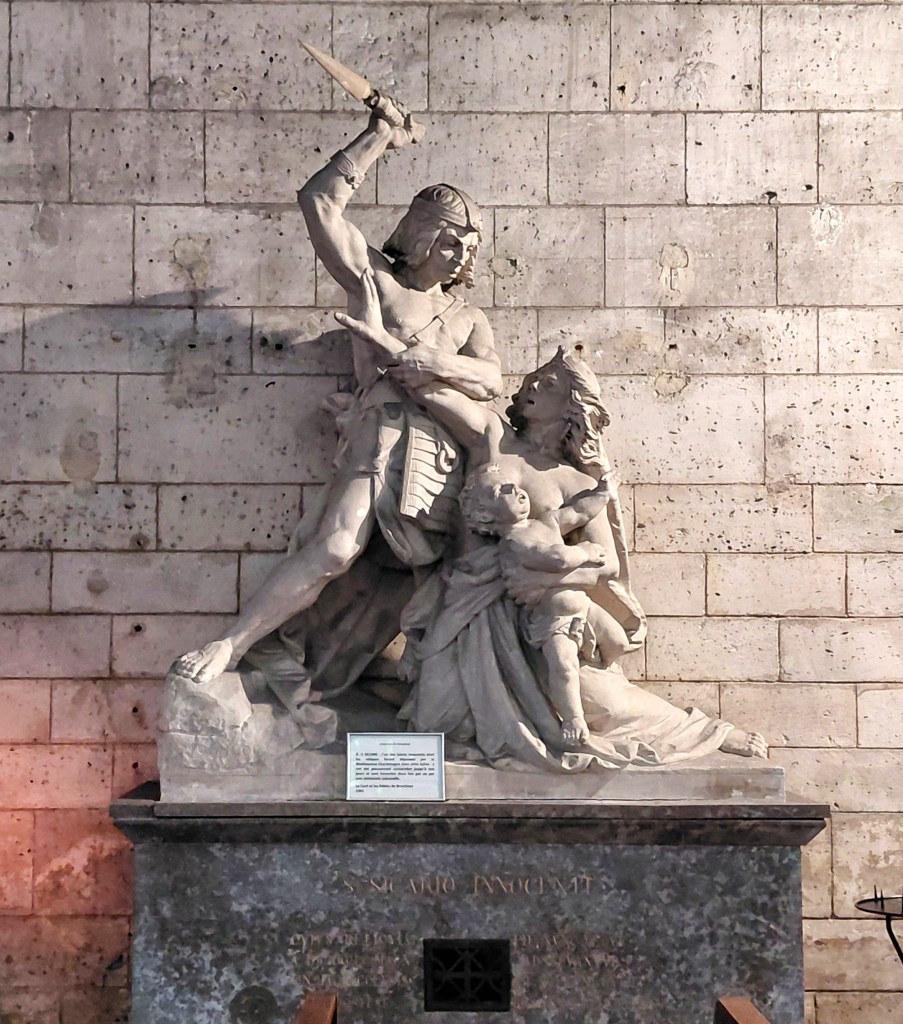
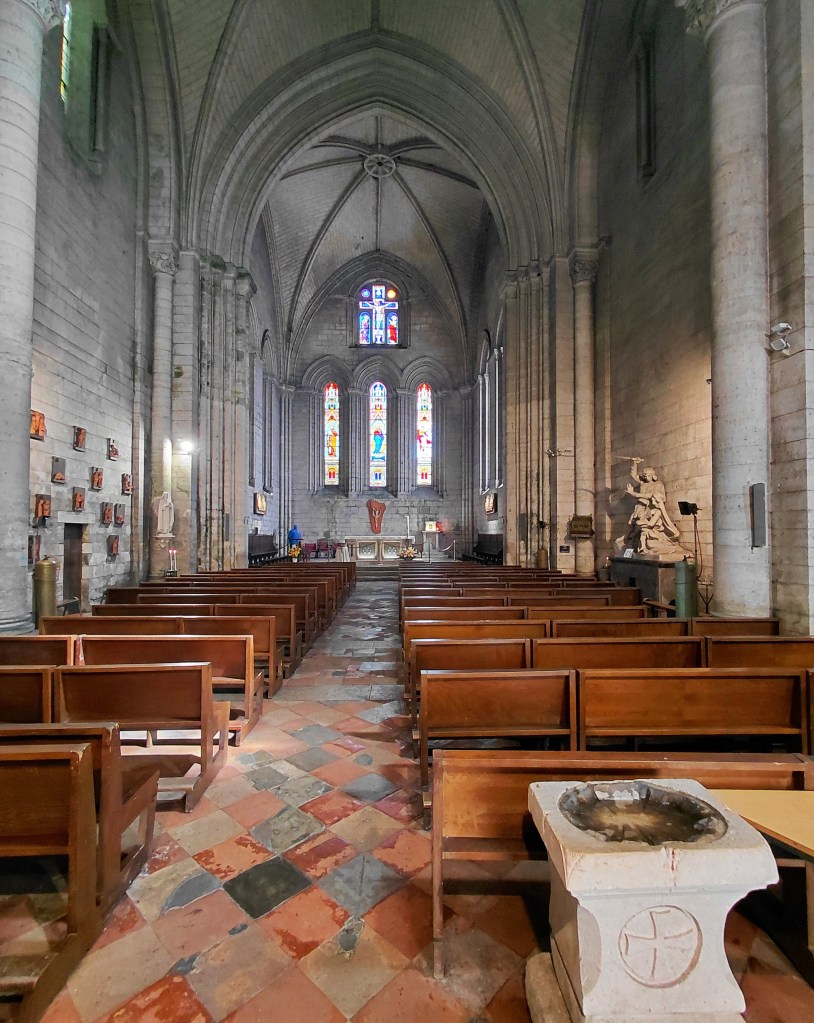
The small abbey church was open and I was quite taken by the marble sculpture- the Massacre of the Innocents, depicting the murder of the child martyr Sicarus on the order of King Herod, lovely!
We had a final look around the bit of the abbey that was open to us before heading back to our car.
Saint-Émilion
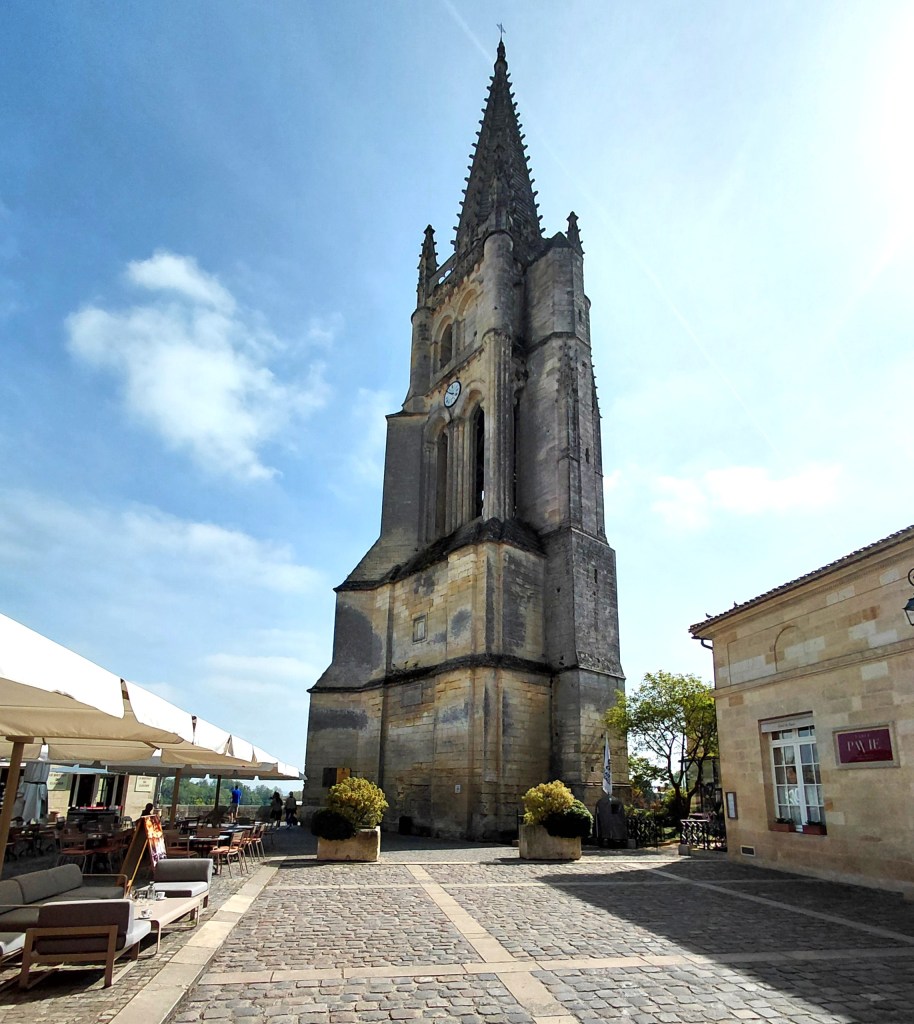
Saint-Émilion, 35 km from Bordeaux only meant one thing to us-wine! Unsurprisingly we drove past a lot of vineyards to get there. The roads leading to the town were full of parked cars so we knew it would be busy. We found a parking place next to the church and trotted in. We had to get our arses into gear as we did not have much time.
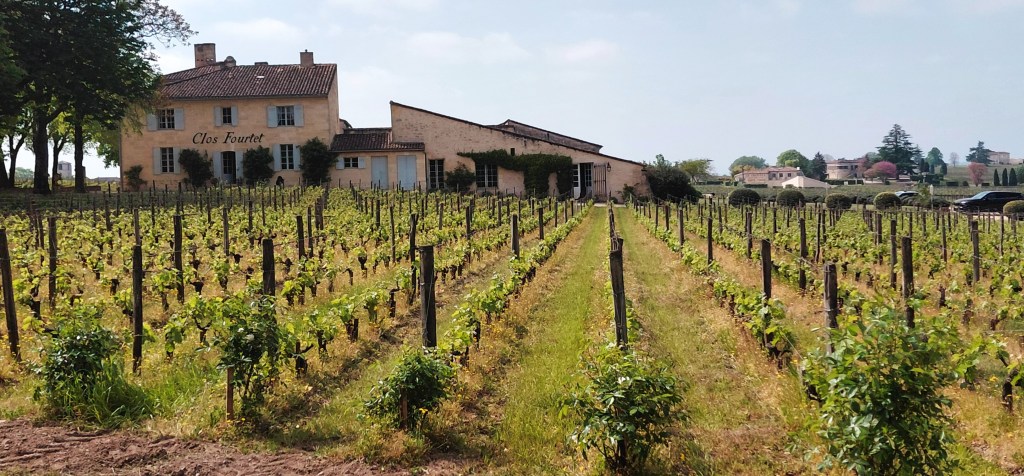
Église Collégiale
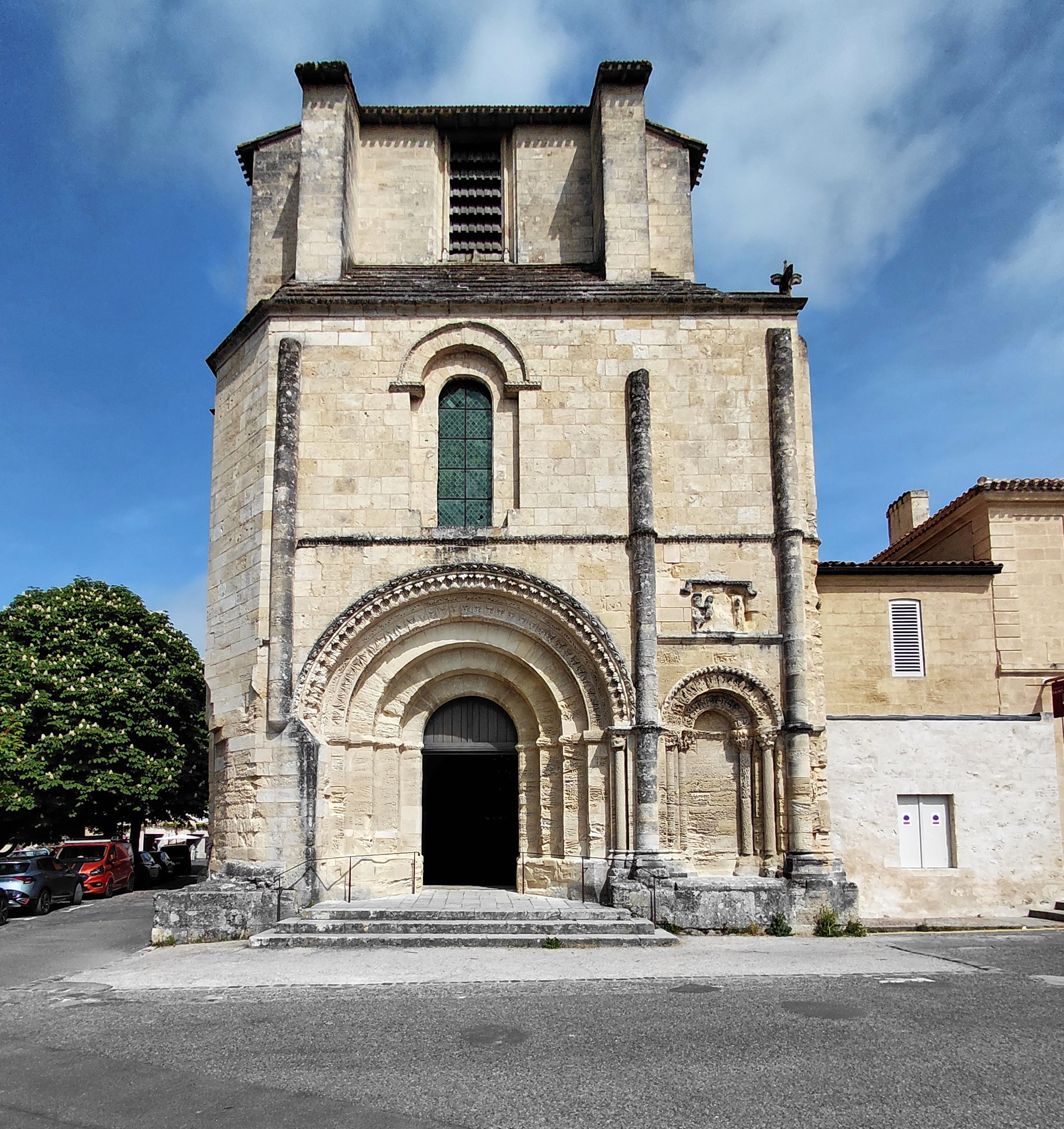
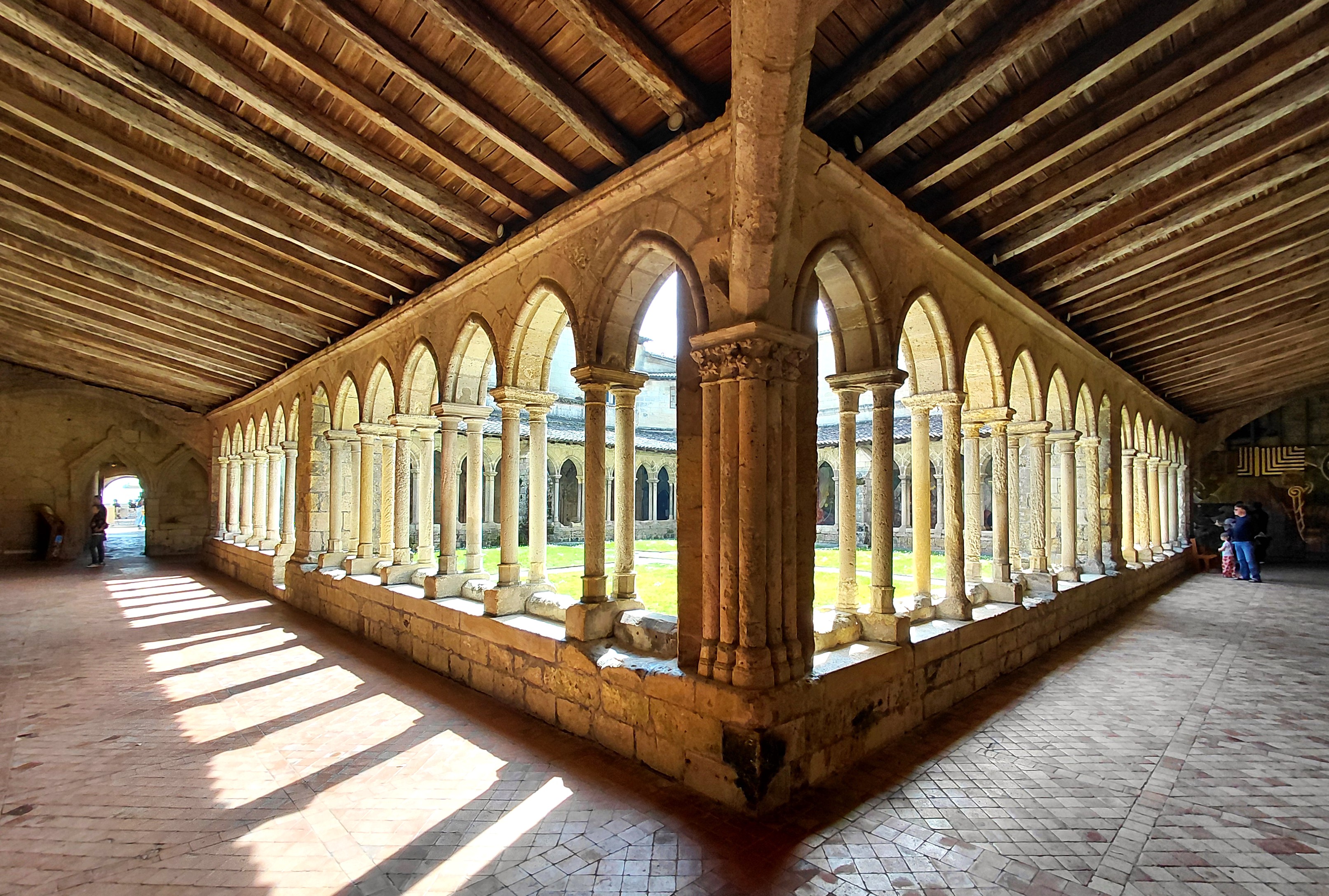
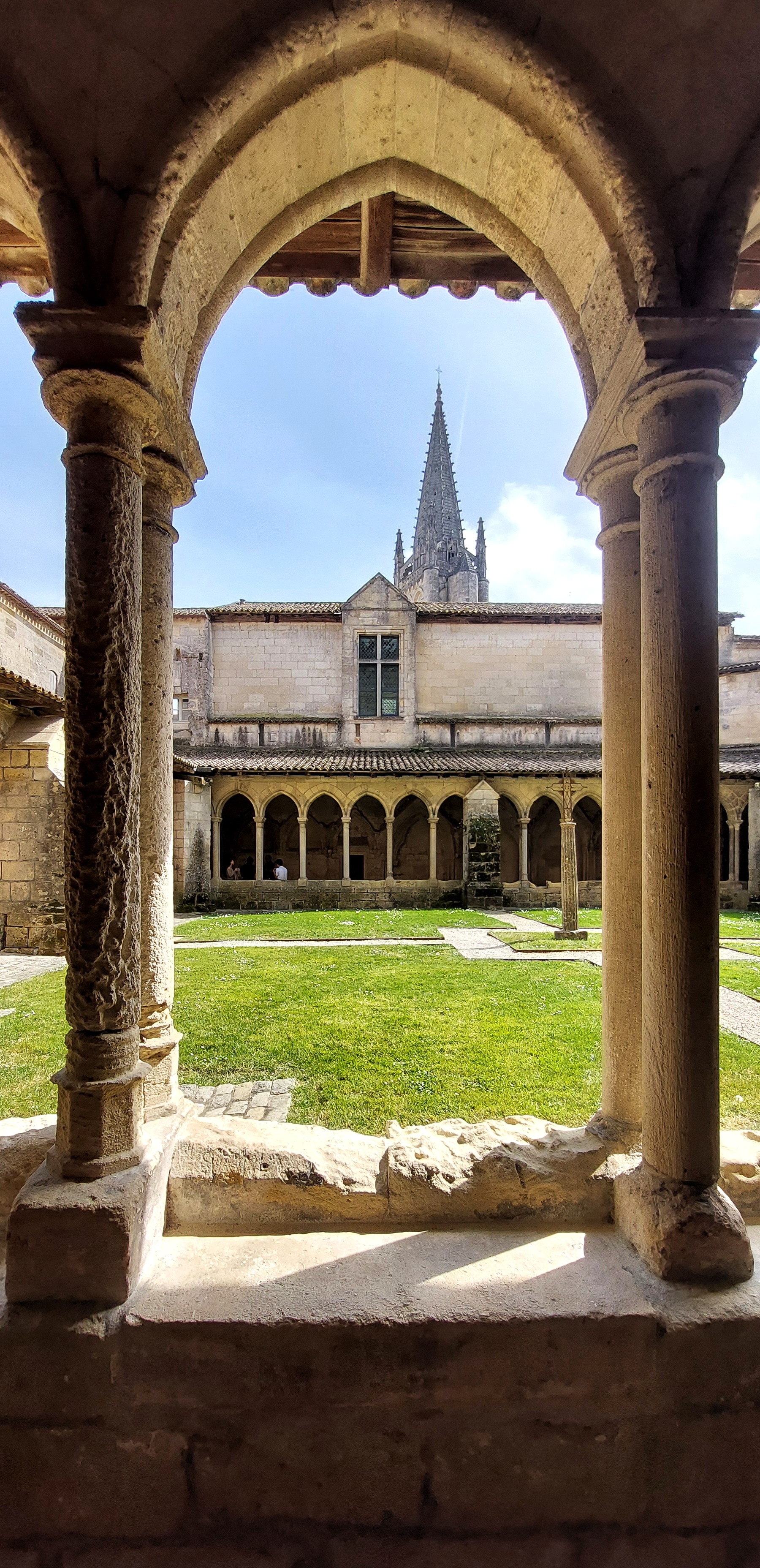
The Collegiate Church dates from the 12th century and has ancient frescos are still visible. The 14th century cloister was beautiful.
We did not have time to visit the underground Monolithic Church which was beneath the Bell Tower, but such is the nature of a road trip, you can’t do everything!
We decided to focus on the wine so headed to the nearest cellars.
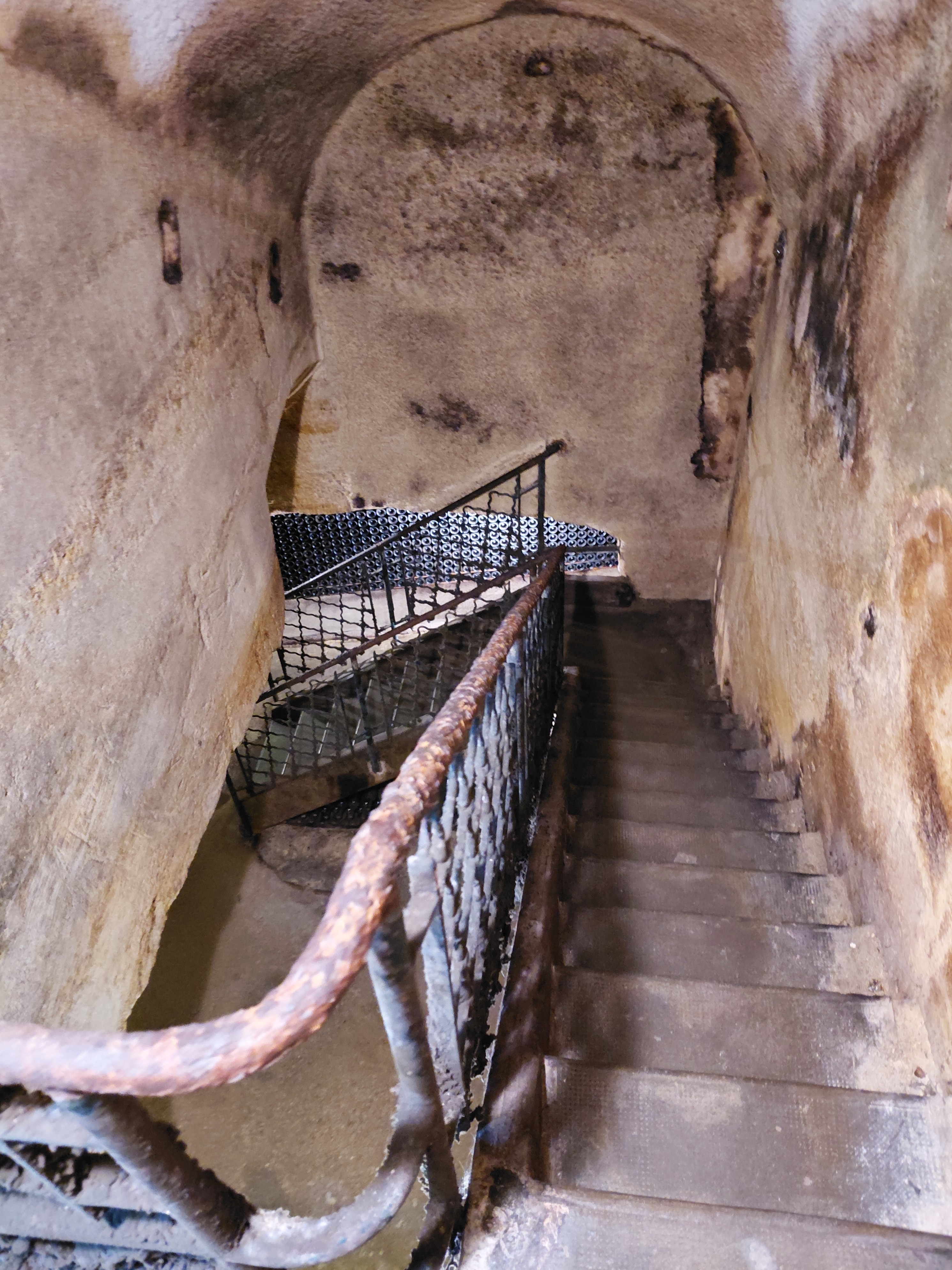
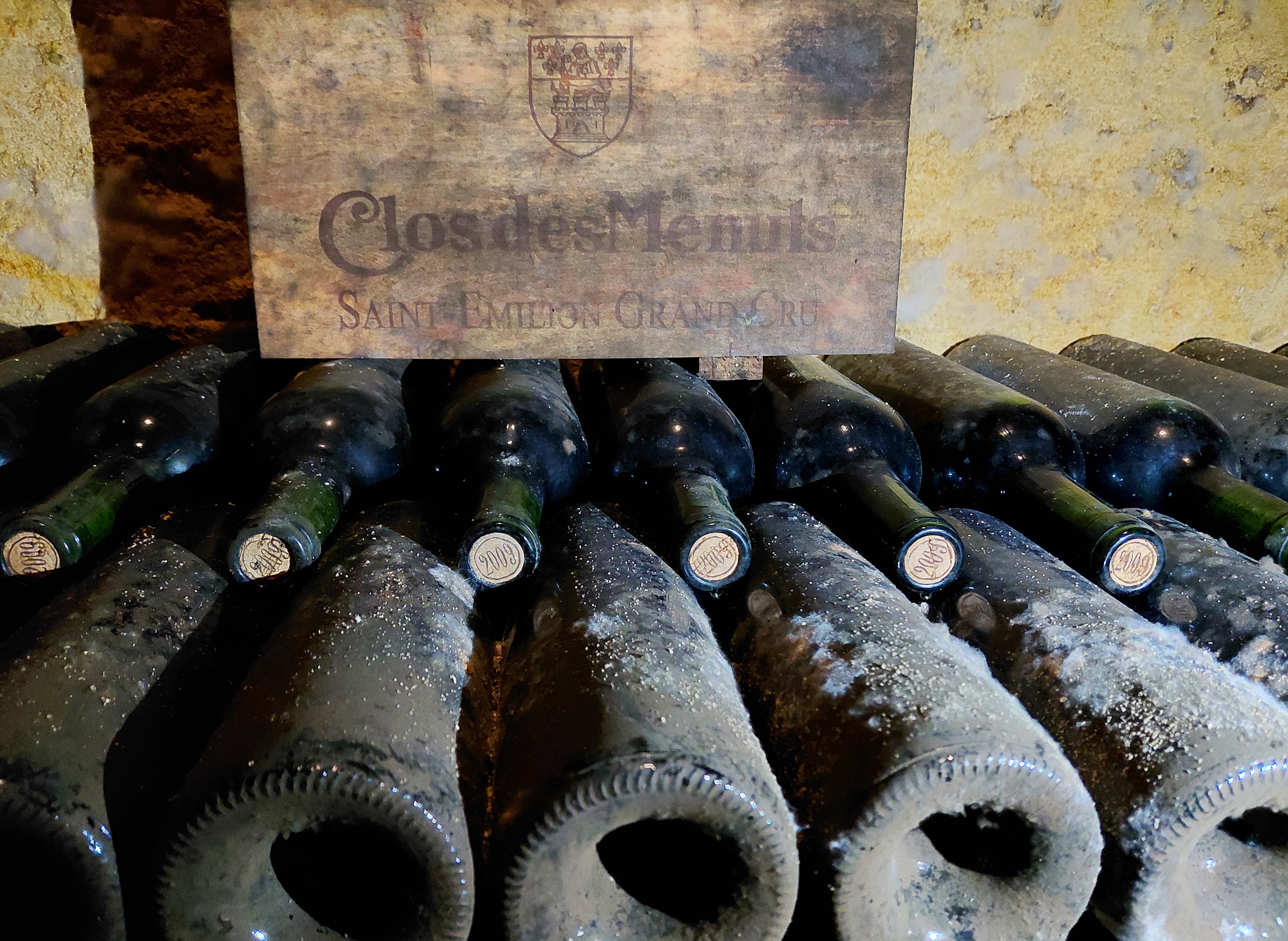
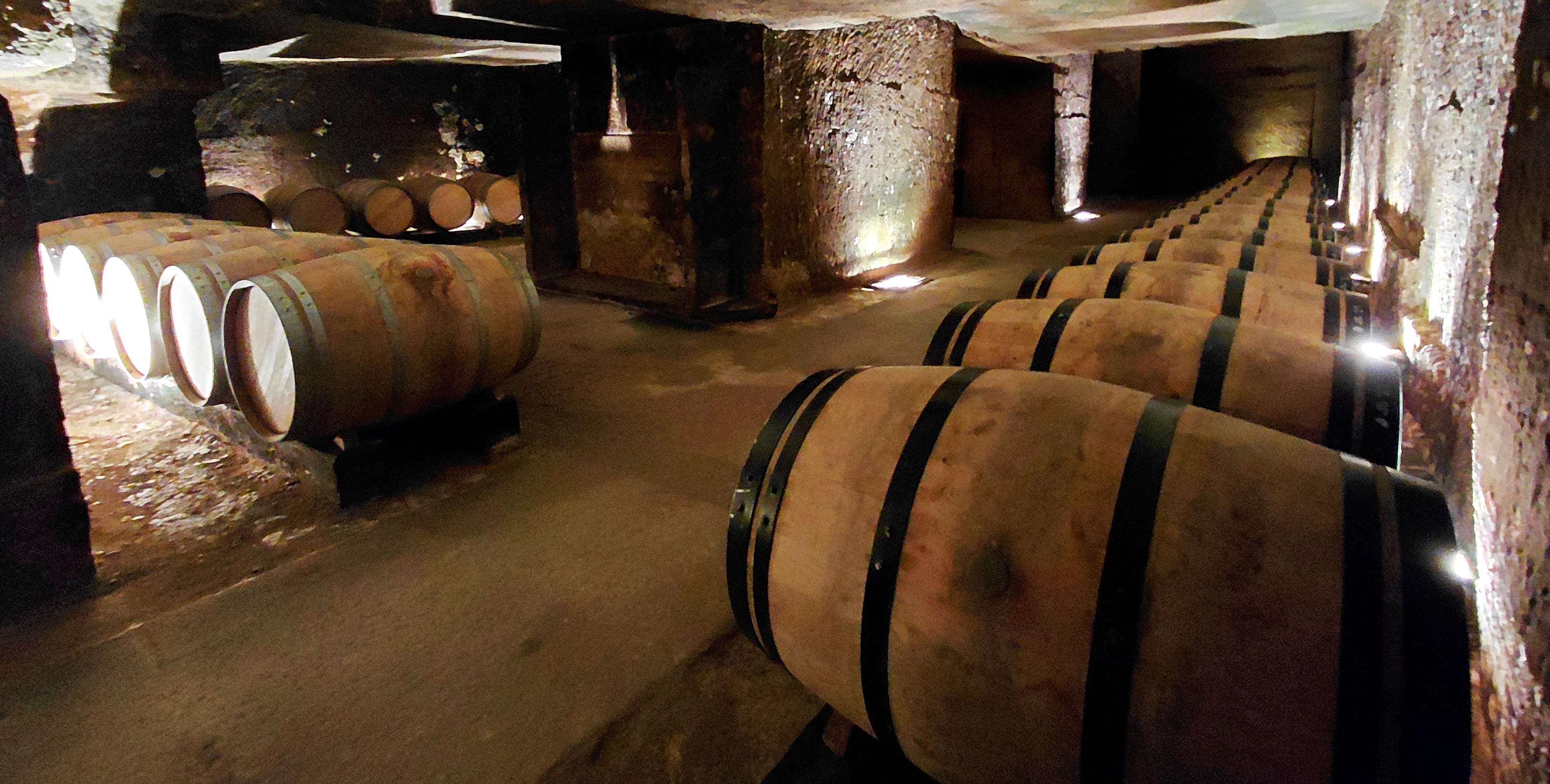
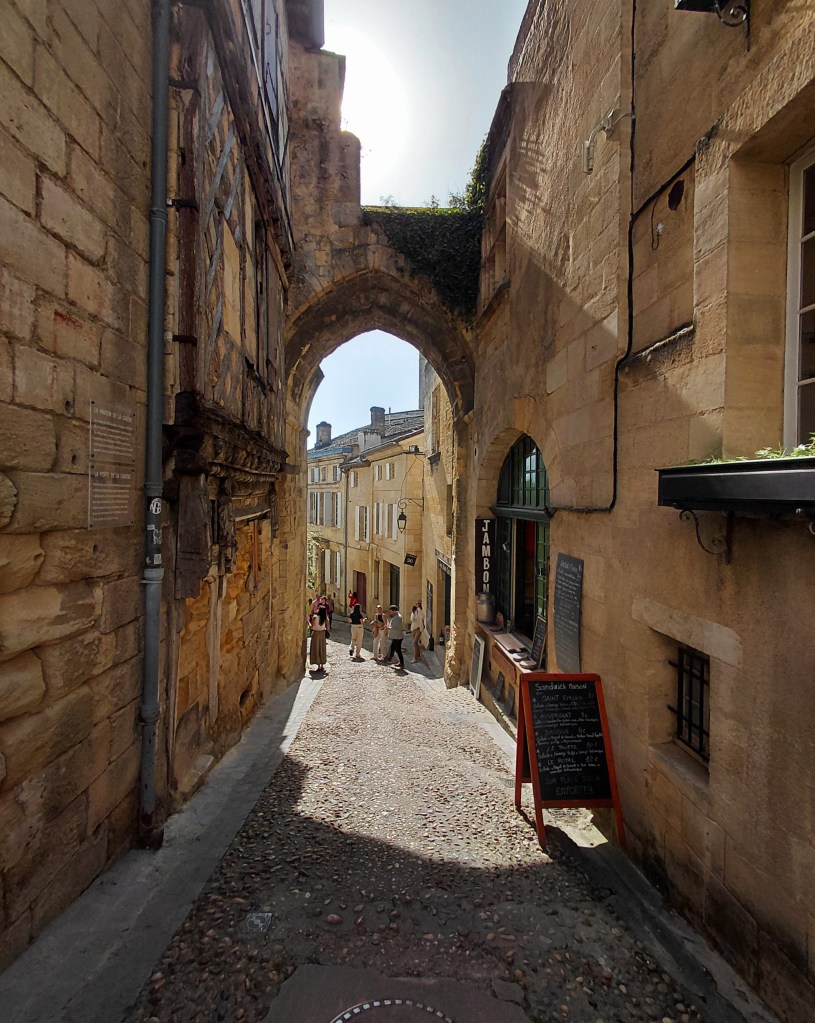
We walked through the cobbled streets to Clos de Menuts. The cellar entrance is in the shop and we were directed down steep stairs and left to our own devices to explore. The cellars were incredible,catacombe like,dusty and a bit spooky. We loved it down there. We bought a couple of [sensibly priced] bottles of Saint-Émilion Grand Cru before we left.
Cloister Les Cordeliers
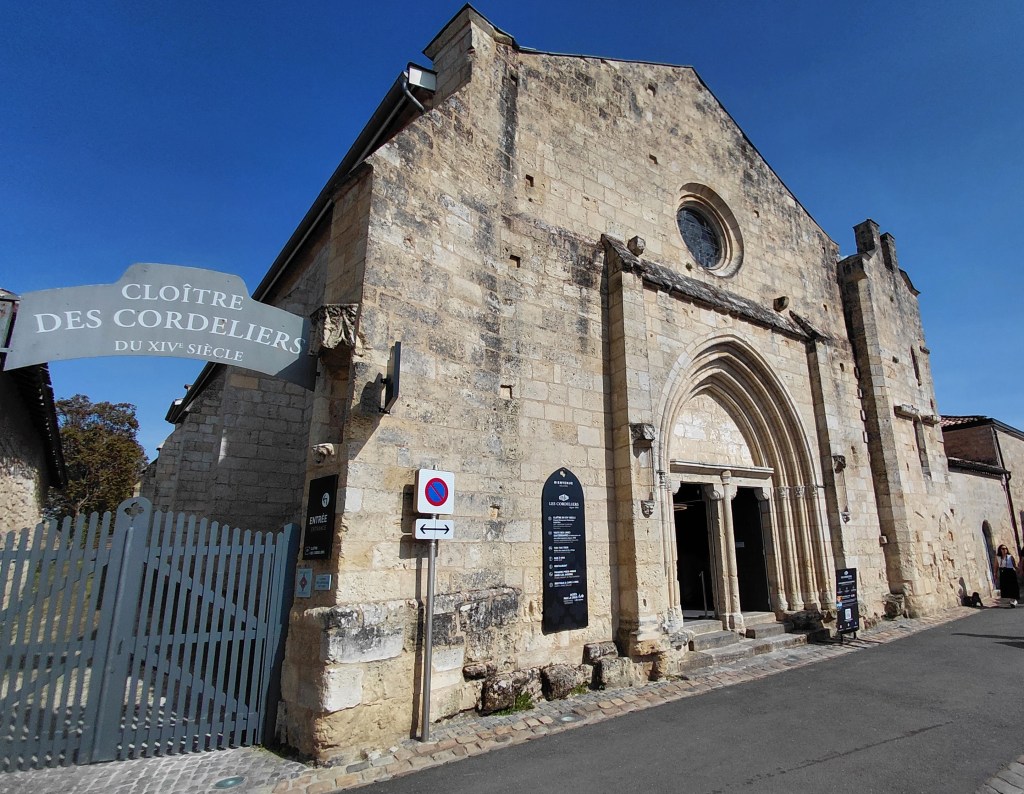
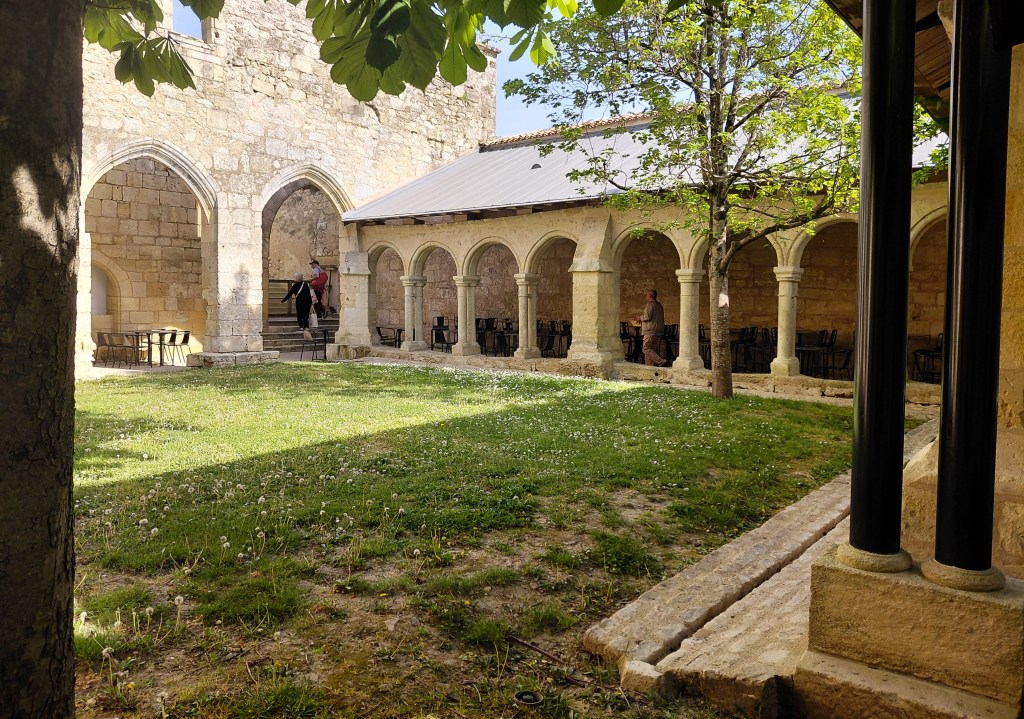
The Unesco listed former monastery dates back to the 14th century and has been partially renovated. It now houses a cafe, shop and wine cellars. This time we were not tempted to buy anything but enjoyed its tranquil setting. We wandered back through the narrow streets to our car and headed for Bordeaux.
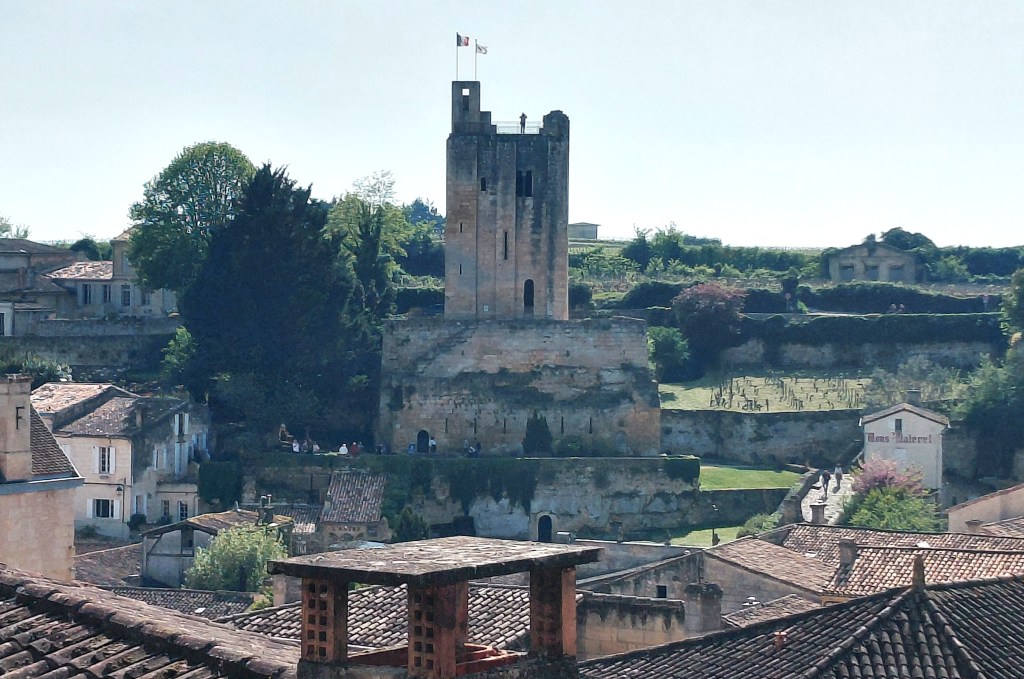
Bègles, Bordeaux,
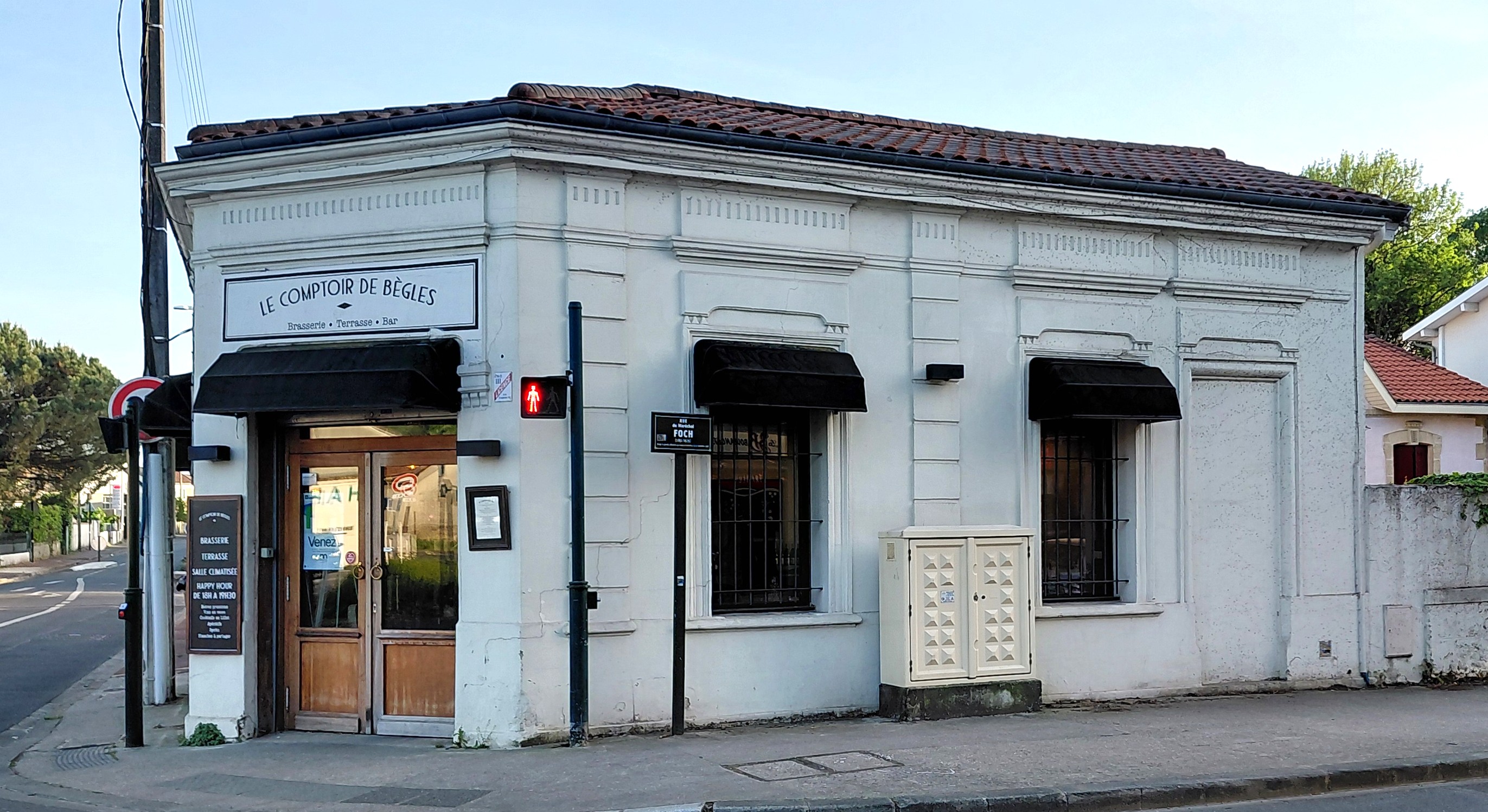
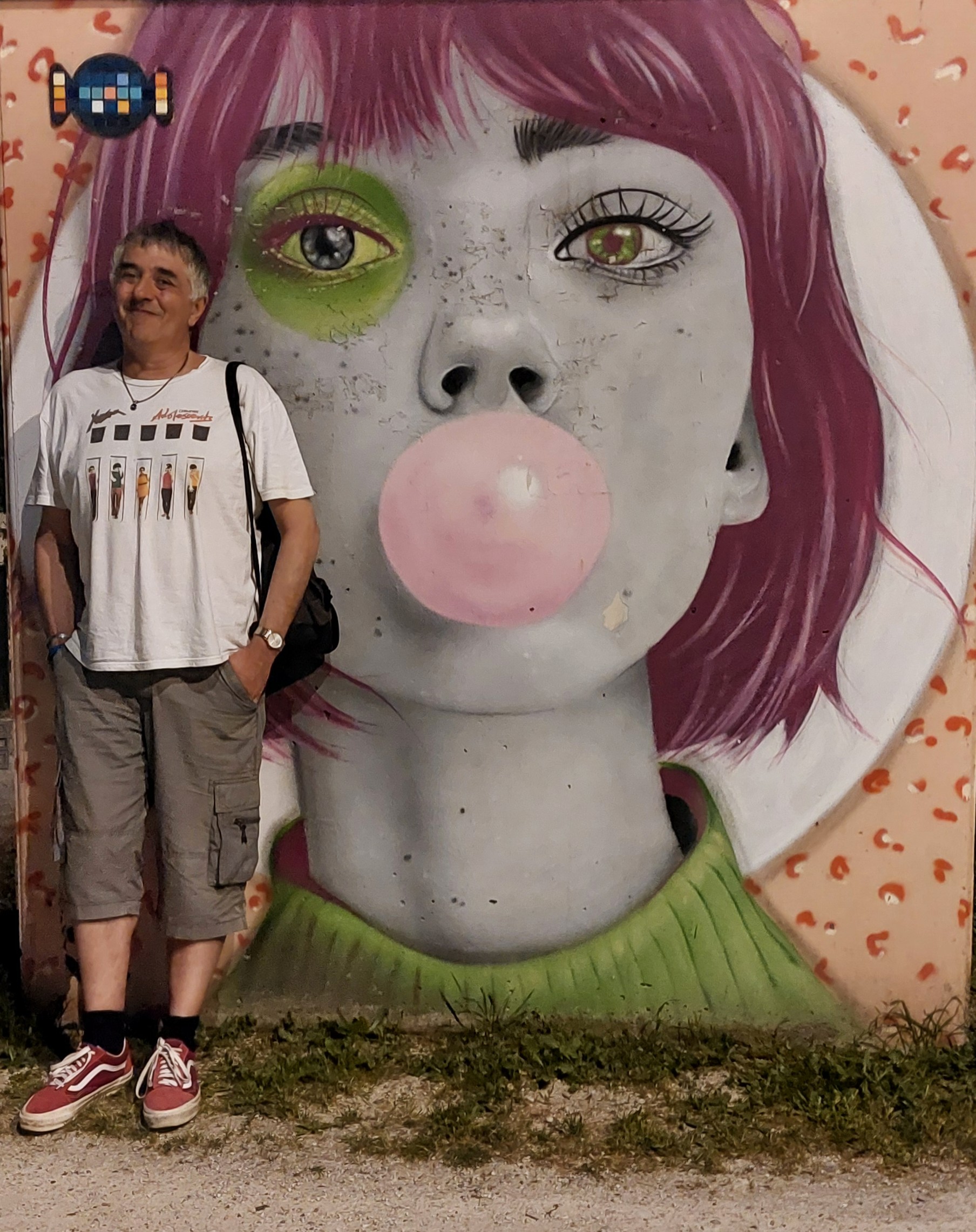
We were staying in Bègles, a suburb of Bordeaux, best known possibly for their rugby team. We had private parking and easy access to their tram system. It was 7pm by the time we got into our accomodation as we had problems trying to work out where it was, but we cracked it in the end. I knew in advance that it would be a long day and had booked a restaurant just around the corner from where we were staying for convenience. Le Comptoir de Bègles was a great choice and we had a wonderful meal.
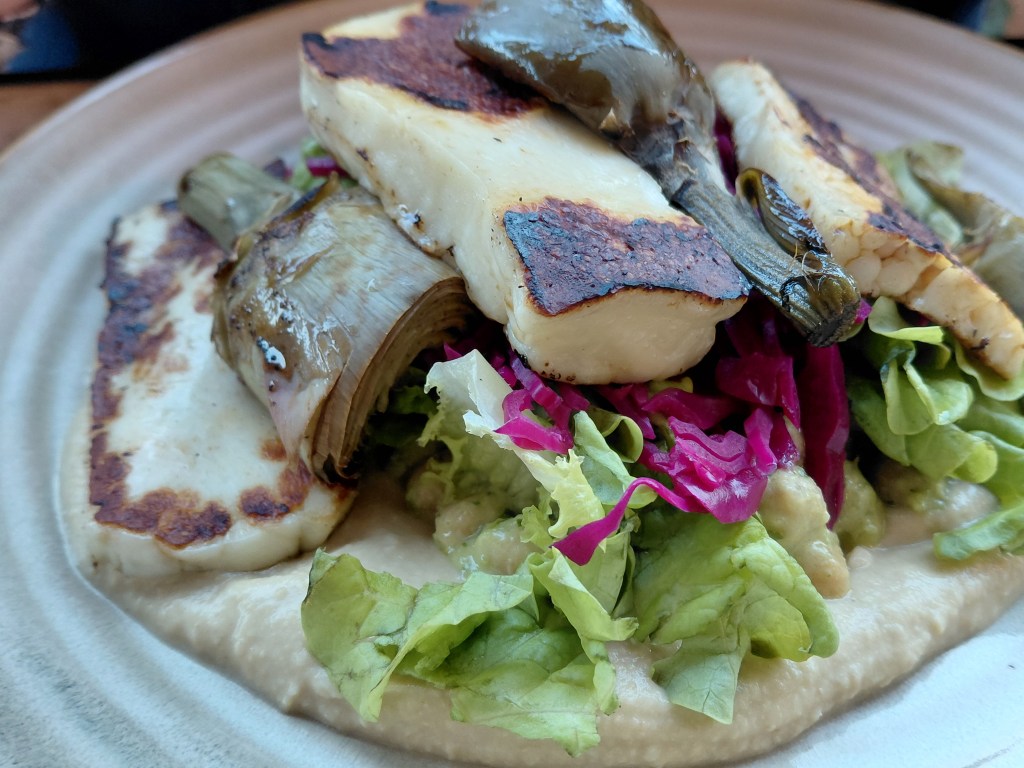
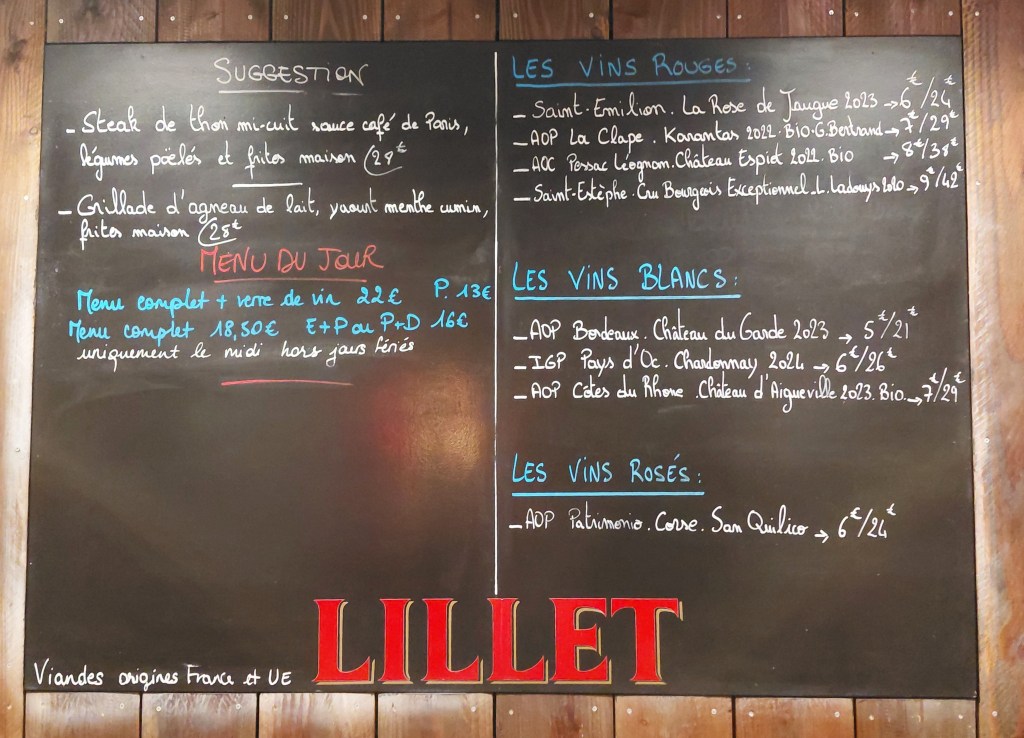
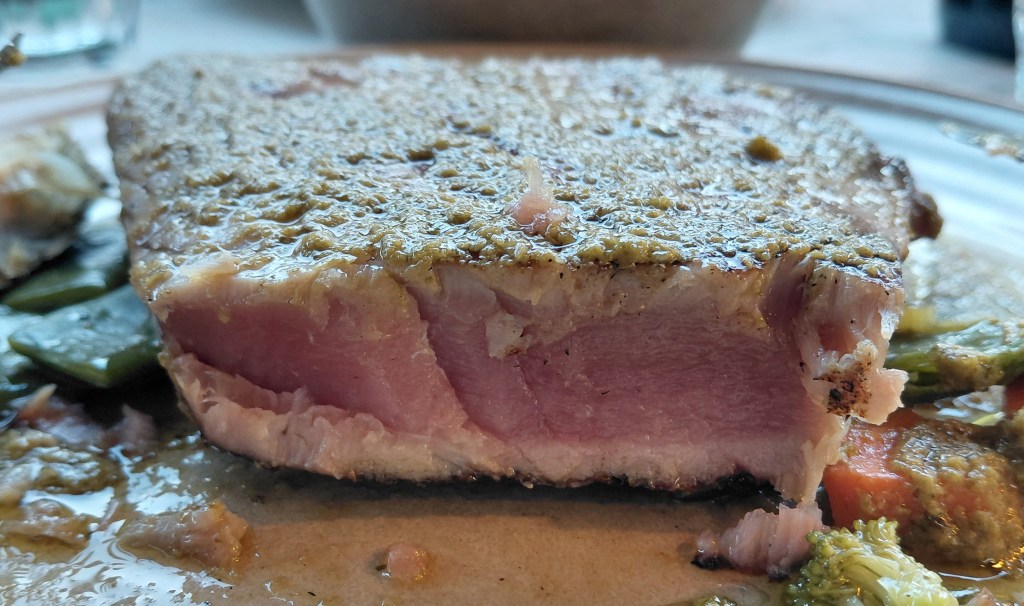
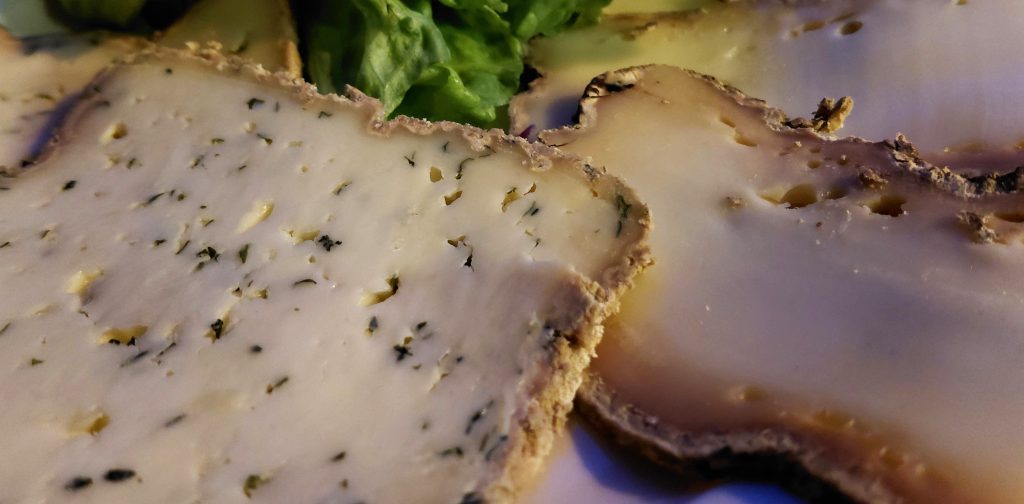
We shared a squid starter, Leashia then had a salad of haloumi and chick pea and I had fresh tuna, washed down with a lovely bottle of Saint-Émilion of course. We chose to share some cheese to round off the meal and this was the first time we had experienced the wonders of Tomme cheese which is made in the French Alps – woof, incredible!
The journey continues……
Quick Links:

