Greek Food
Leashia and I absolutely love Greek food but the menu can be overwhelming if you are not used to Greek cuisine. Leashia and I often choose a salad, a dip and one cooked item to share. You may be served [and charged for] bread as is the tradition. The bread is really lovely, but very filling. If you don’t want the bread just let them know.
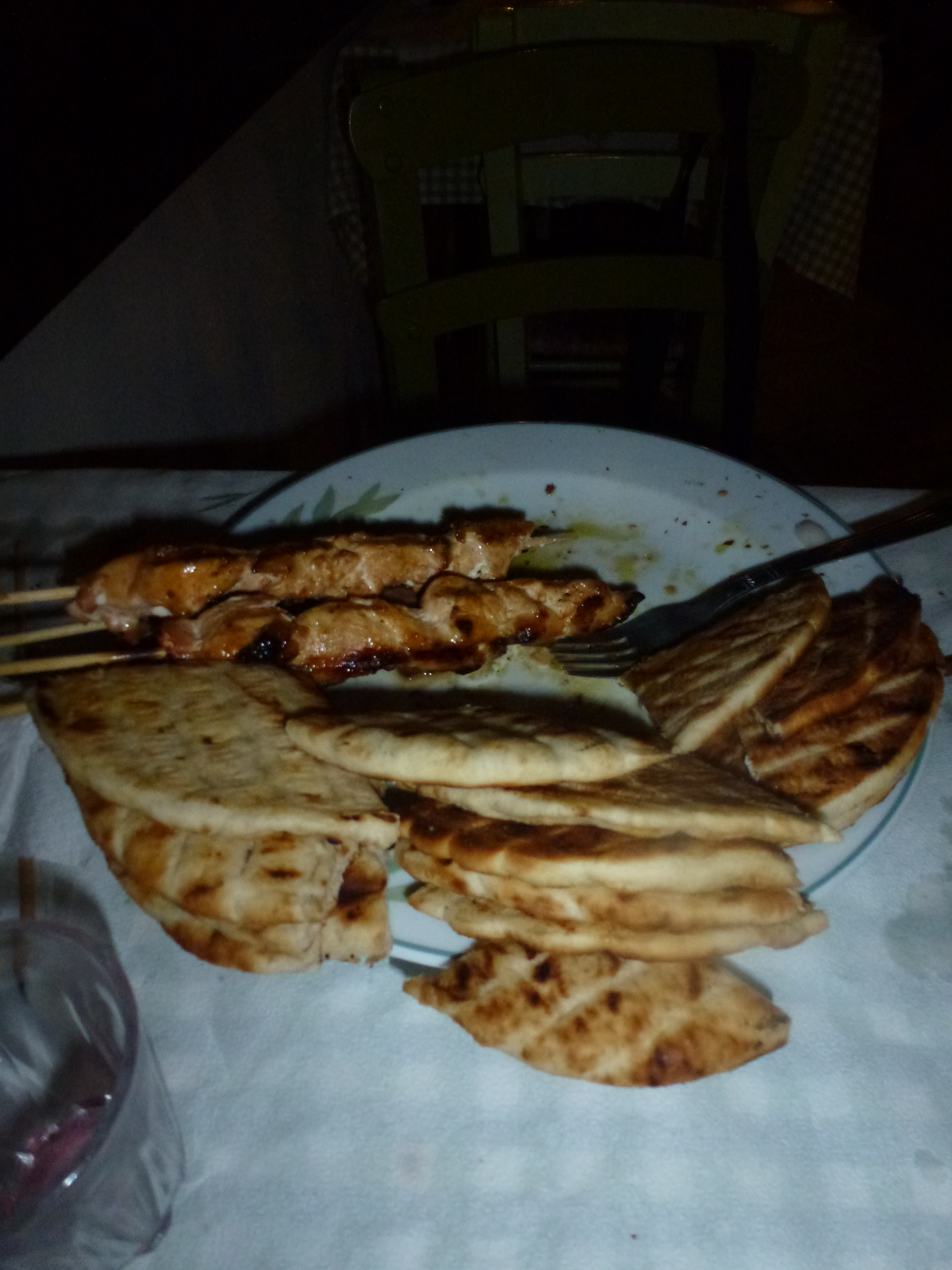
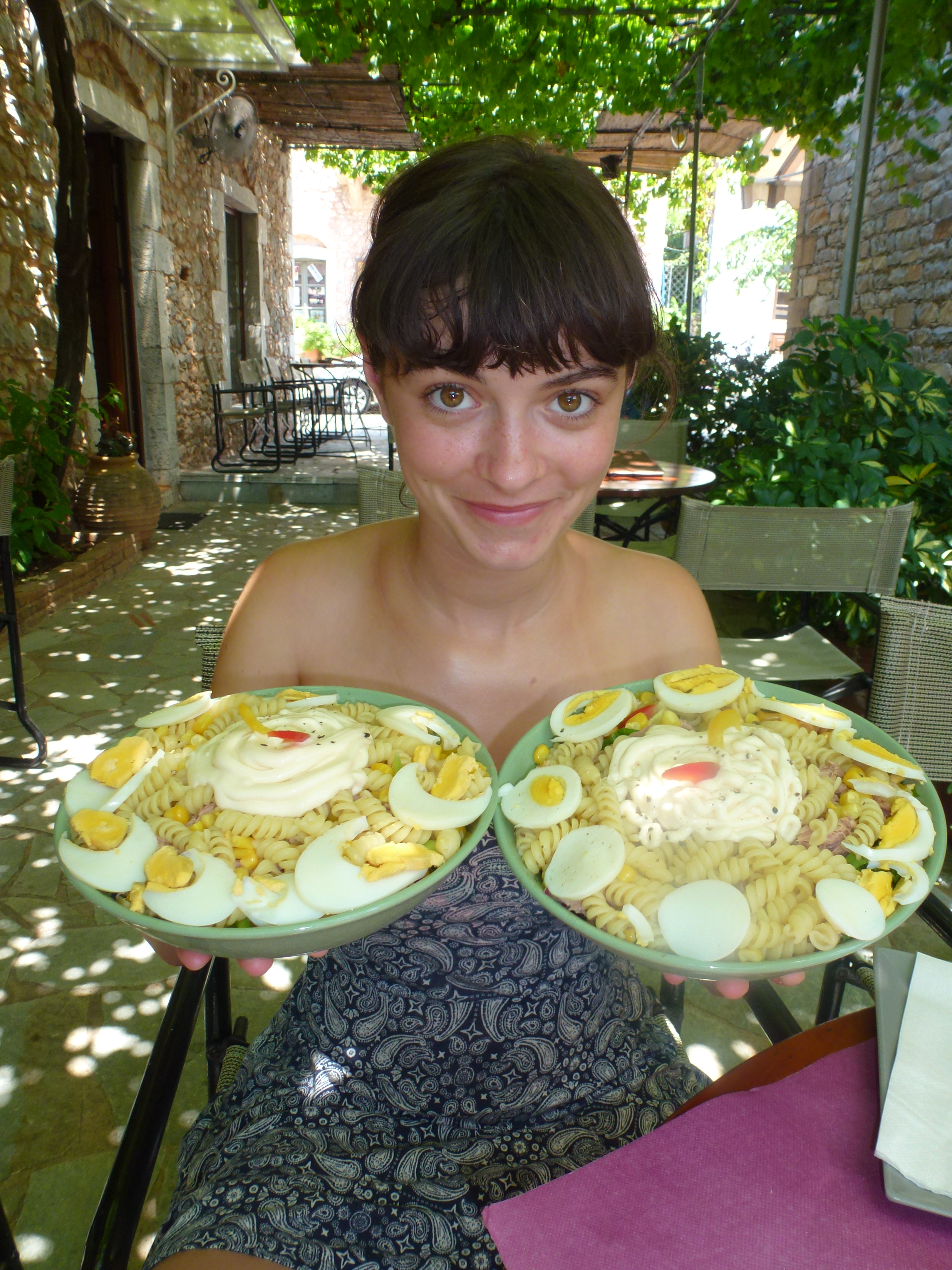
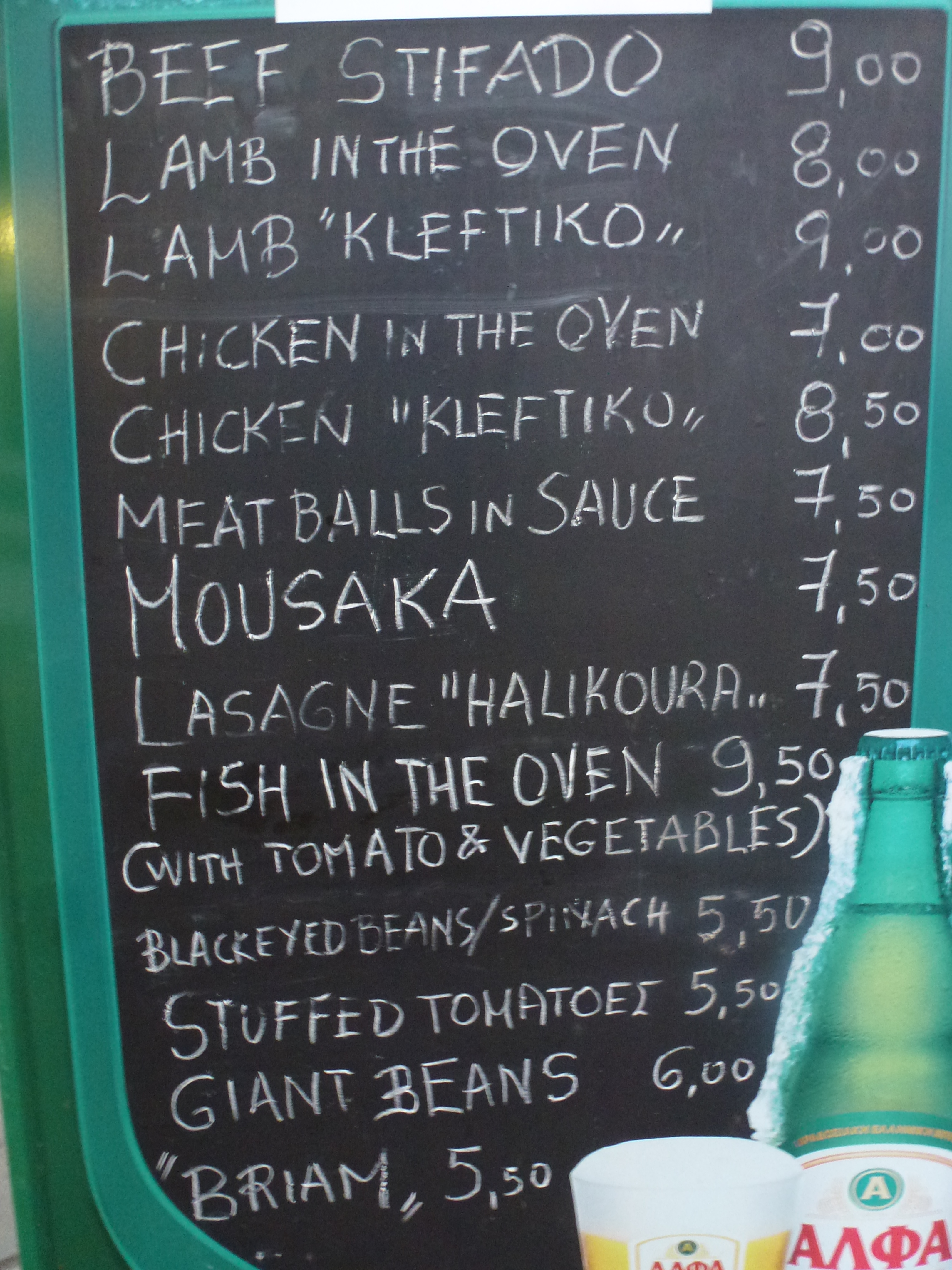
A hearty meal for two in a resort like Stoupa with a half litre of house wine should be in the region of 20 – 30 Euros. A lighter lunch is closer to 20 Euros. Many places offer a free starter or free pudding, or a free digestif drink or sometimes all three! YAY! So ordering one course is normally more than enough. If you head out of town to non-touristy places it will be cheaper, there may not be a menu in English but many retaurants are happy to show you what they have on offer in the kitchen.
If you feel inspired and want to create some Greek recipes of your own click HERE. |
Fish
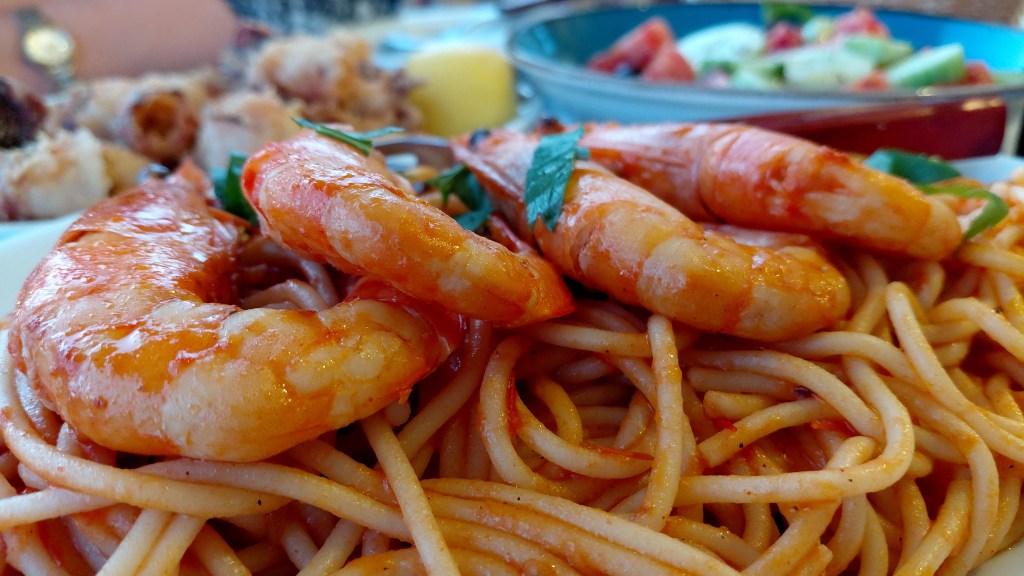
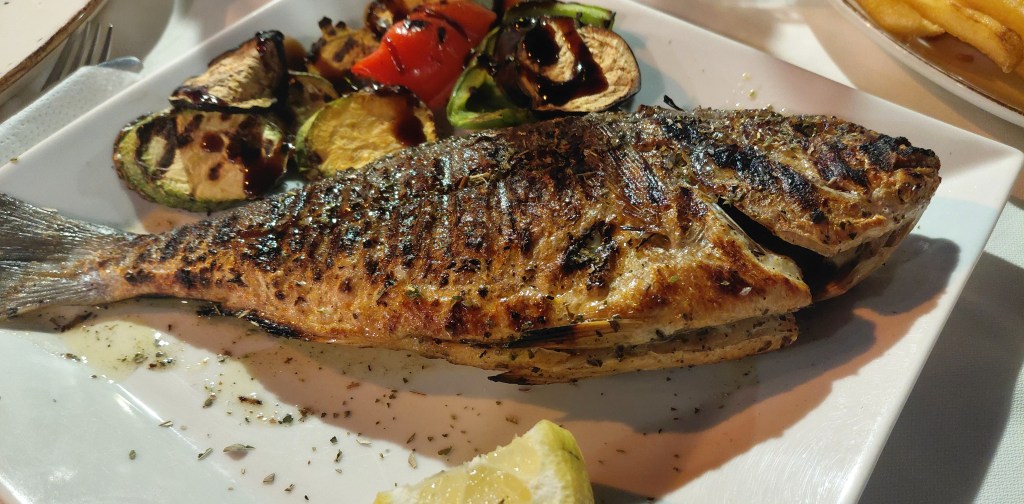
Large fresh fish can be pricey, but locally caught Sea Bream and Sea Bass is wonderful. Small fried fish, octopus, prawns and squid are good value and perfect to share. Fish that has been previously frozen usually has an asterix by it on the menu.
Meze
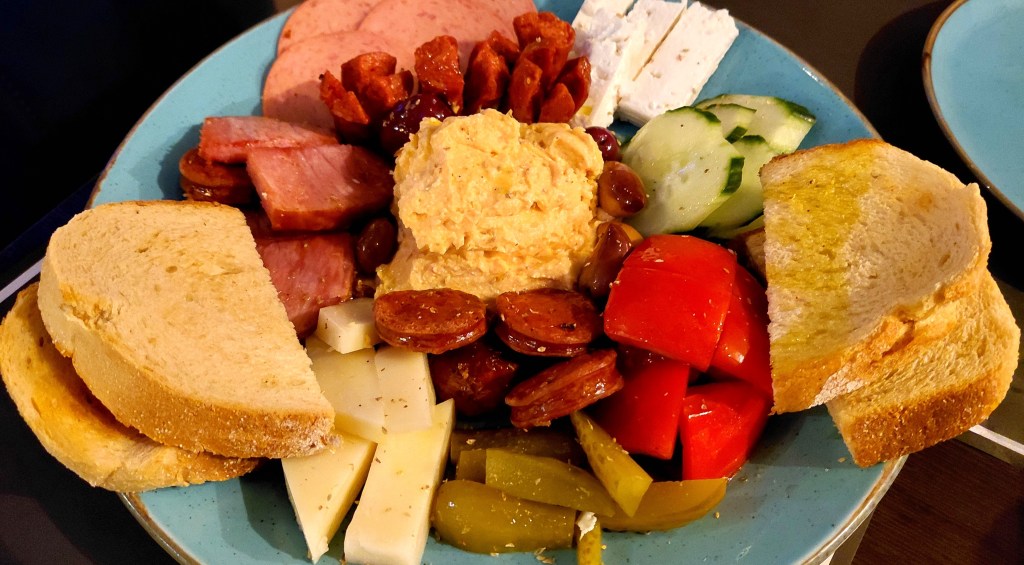
You can order several meze to share if you want and you can choose to have it plopped onto your table as an when [the Greek way] or Óloi mazí which means all together. Meze dishes are often listed under starters – cheese dishes, dips, fried courgette or aubergine dishes, small cheese or spinach pies and lots more. Some places offer a mixed Meze which I really love.
Salads
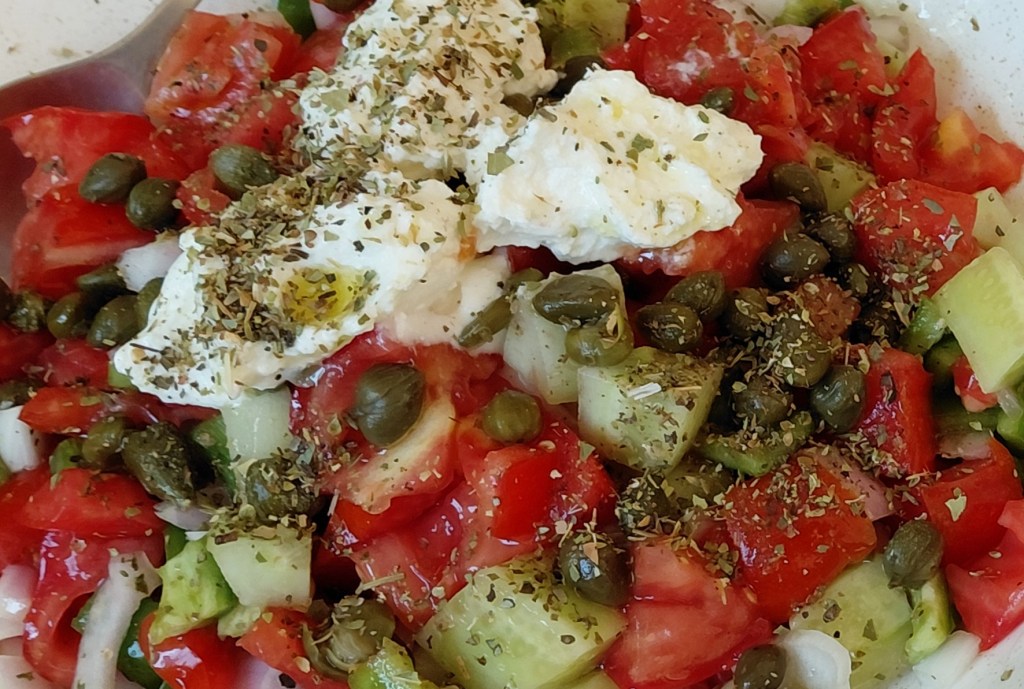
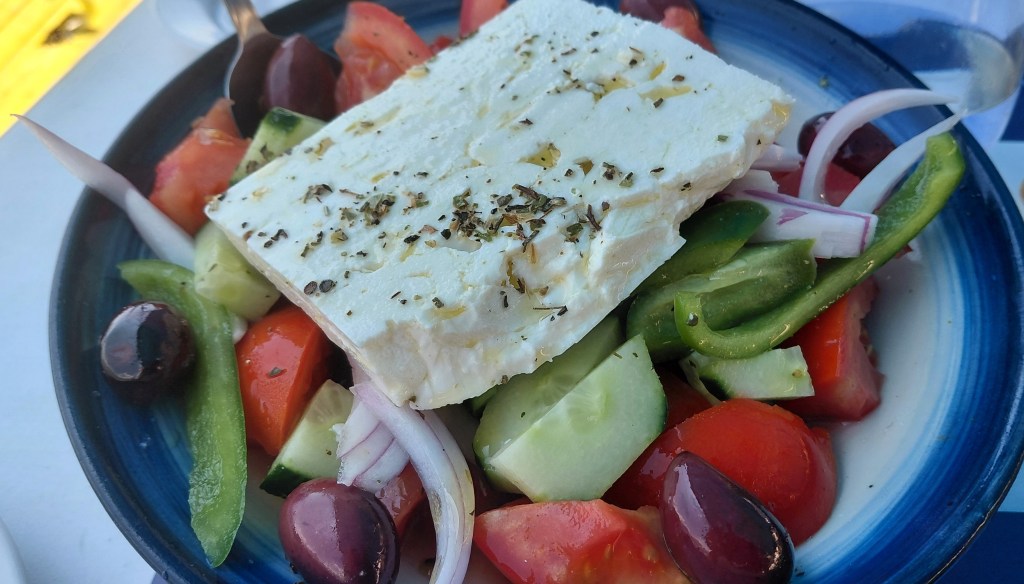
The ubiquitous Horiatiki Salata which means Village Salad is better known as Greek Salad and is a wonderful, refreshing lunch. Greek tomatoes are sublime! A Dakos Salad is also lovely and is made with dry bread [often called rusk on the menu – but it’s not the baby food thing], tomatoes, olive oil, herbs and feta.
Gyros and Souvlaki
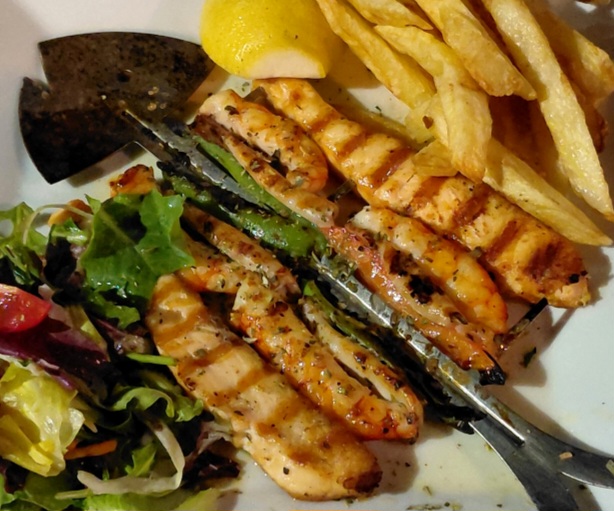
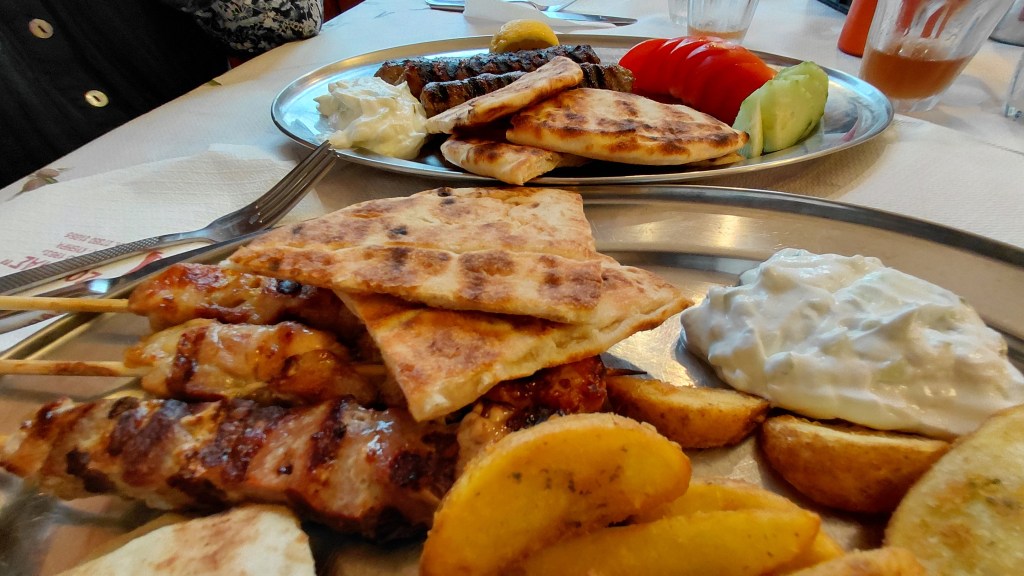
Most English peeps know Turkish kebabs well but the Greek Gyros is not so well known. It’s inexpensive, filling and very tasty. You can have it stuffed in a pitta with some chips or in a restaurant it is often served as a portion where the meat, salad, chips and Tzatziki [garlic, cucumber and yougurt dip] are served separately on your plate.
Souvlaki is quality flame grilled meat on a skewer [normally pork or chicken, but sometimes fish], again it is often served as a portion with pitta and salad and chips. I love Greek pitta, round fluffy flatbread, so much nicer than the oval pockets you often get in the UK.
Oven Dishes [and dishes cooked on the hob].
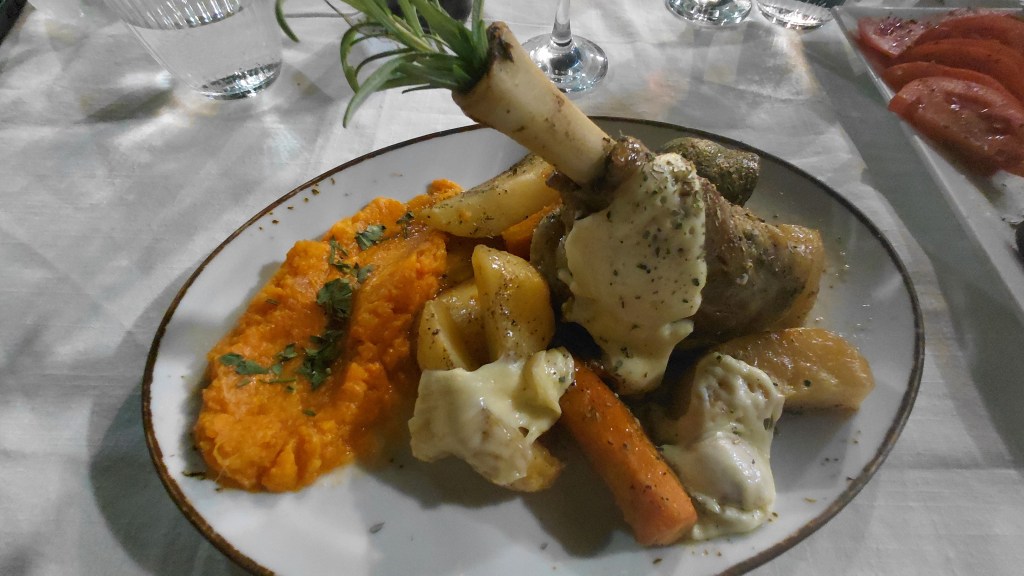
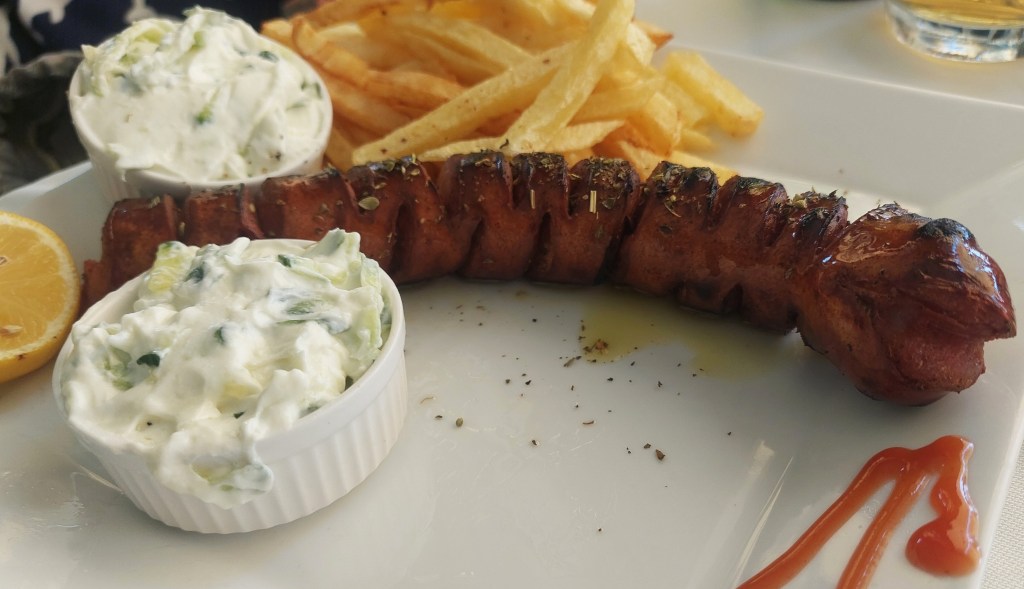
Oven baked dishes are generally served warm, not piping hot, but are thoroughly cooked. Greek staples such as Kleftiko [slow cooked lamb], Stifado [slow cooked stew], Pastitsio [meaty pasta bake] and Moussaka [baked potato, aubergine and lamb] are offered in many establishments. Minced beef Greek recipes are quite different from Italian or Spanish dishes, but even more yummy in my opinion. Try Soutzoukakia which are oblong shaped meatballs cooked in a tomato sauce or Makaronia me kima which is the Greek Bolognaise. Local Village Sausage is very tasty, often quite stong and salty and a bit sour, it’s normally served with chips and goes well with a nice cold beer.
Non-meaty oven dishes include Briam (similar to ratatouille but with potatoes too) and Gigantes (big beans in a tomato sauce).
Cheese
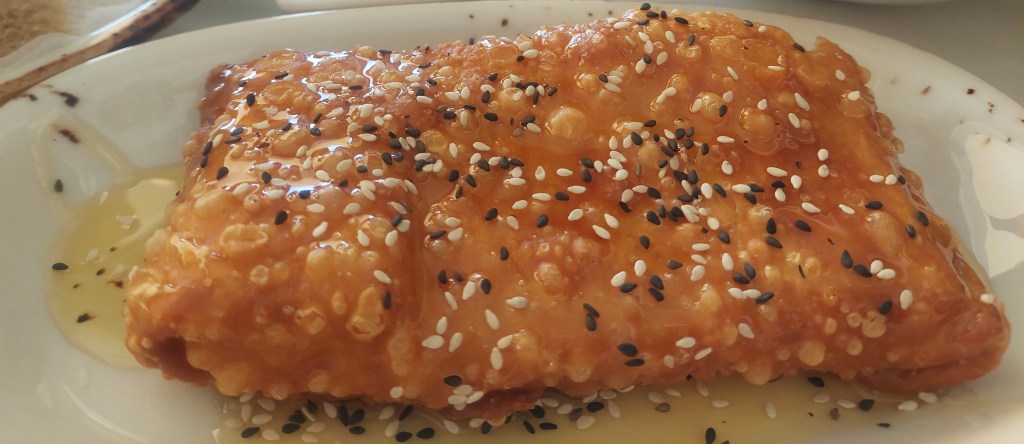
Feta cheese is wonderful and seems to go with nearly everything! Don’t expect to find Haloumi on the menu, that’s from Cyprus. Saganaki is more common in the Peloponnese and is a lovely starter. One of my favritist starters [to share] is Feta baked in filo pastry, topped with sesame seeds and drizzled with honey, simply divine!
Deserts


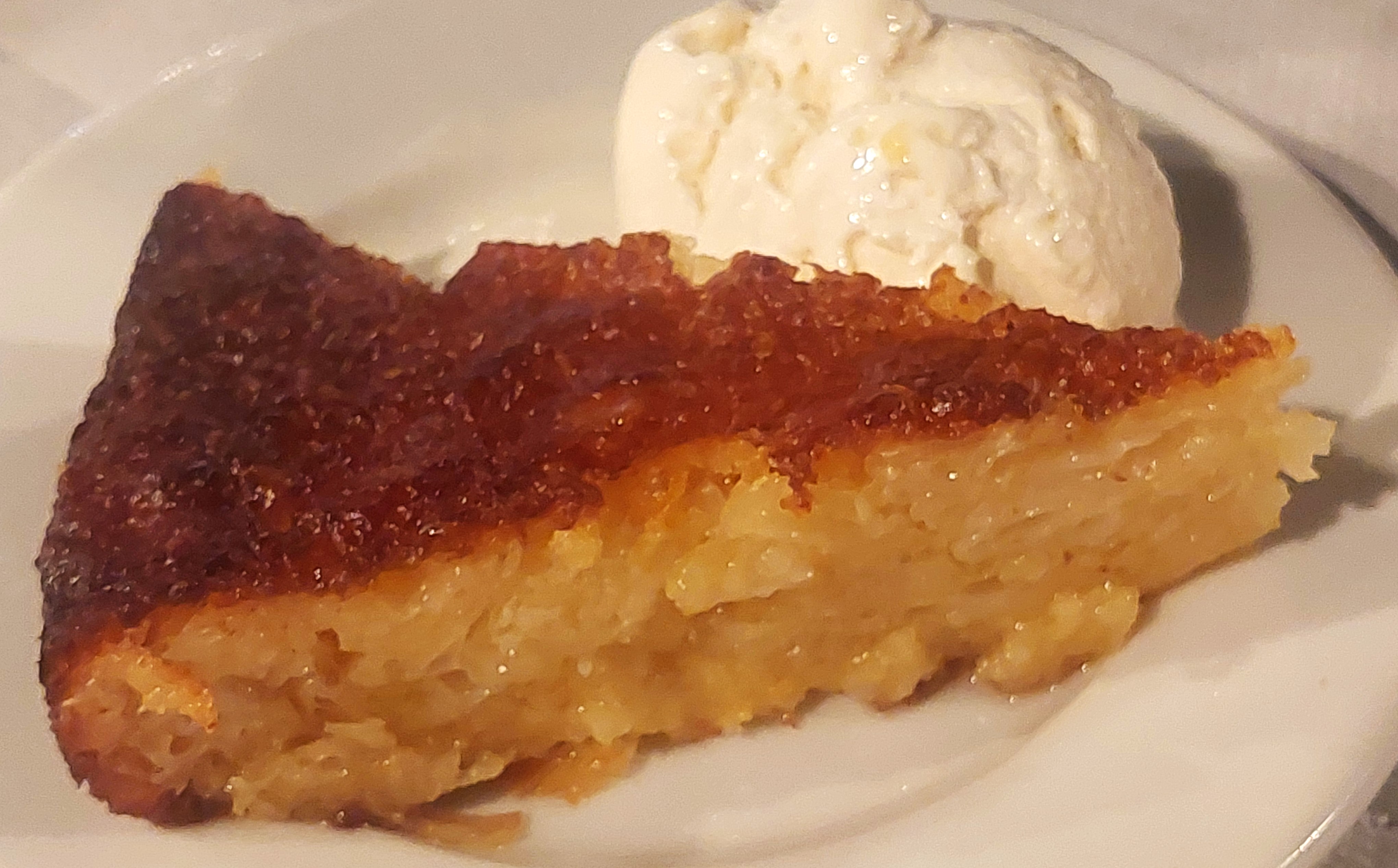
If you are lucky you may get offered a free small home made dessert. This could be cake based [Portokalópita, orange cake -yum!] or perhaps Baklava or fresh watermelon, [Karpouzi]. I love it all! The local bakeries are the place to go if you have a sweet tooth.
Greek Drinkies
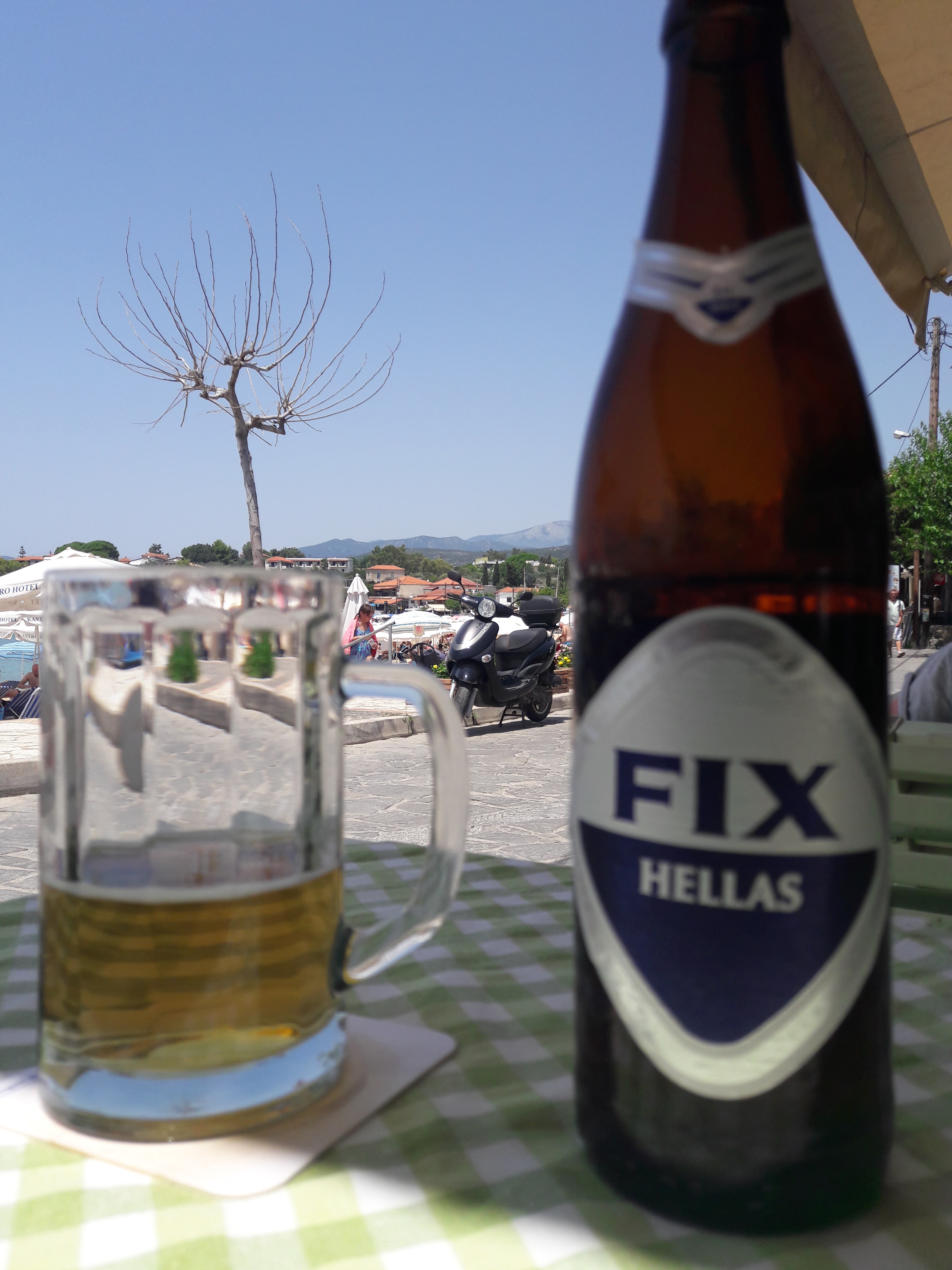
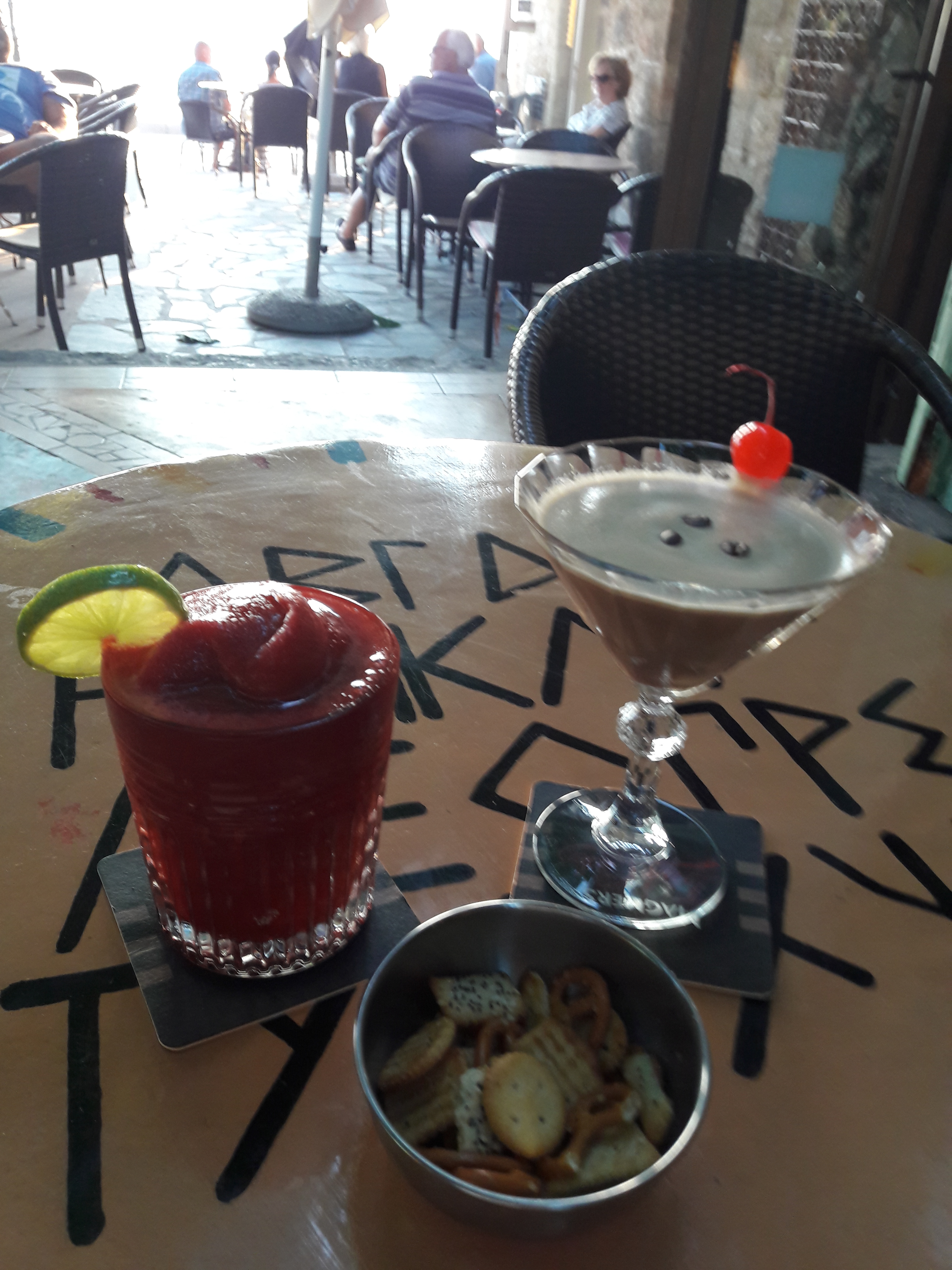
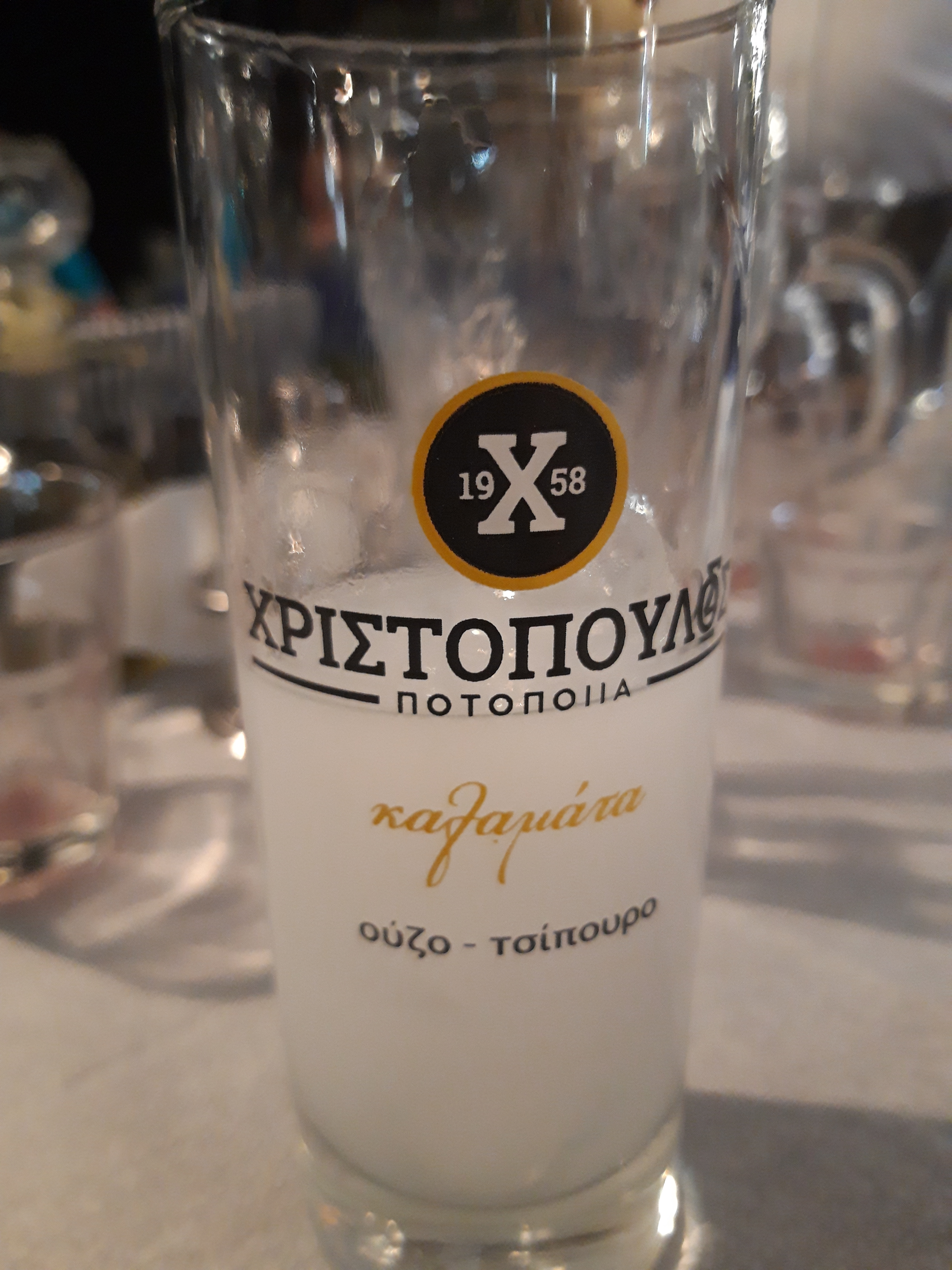
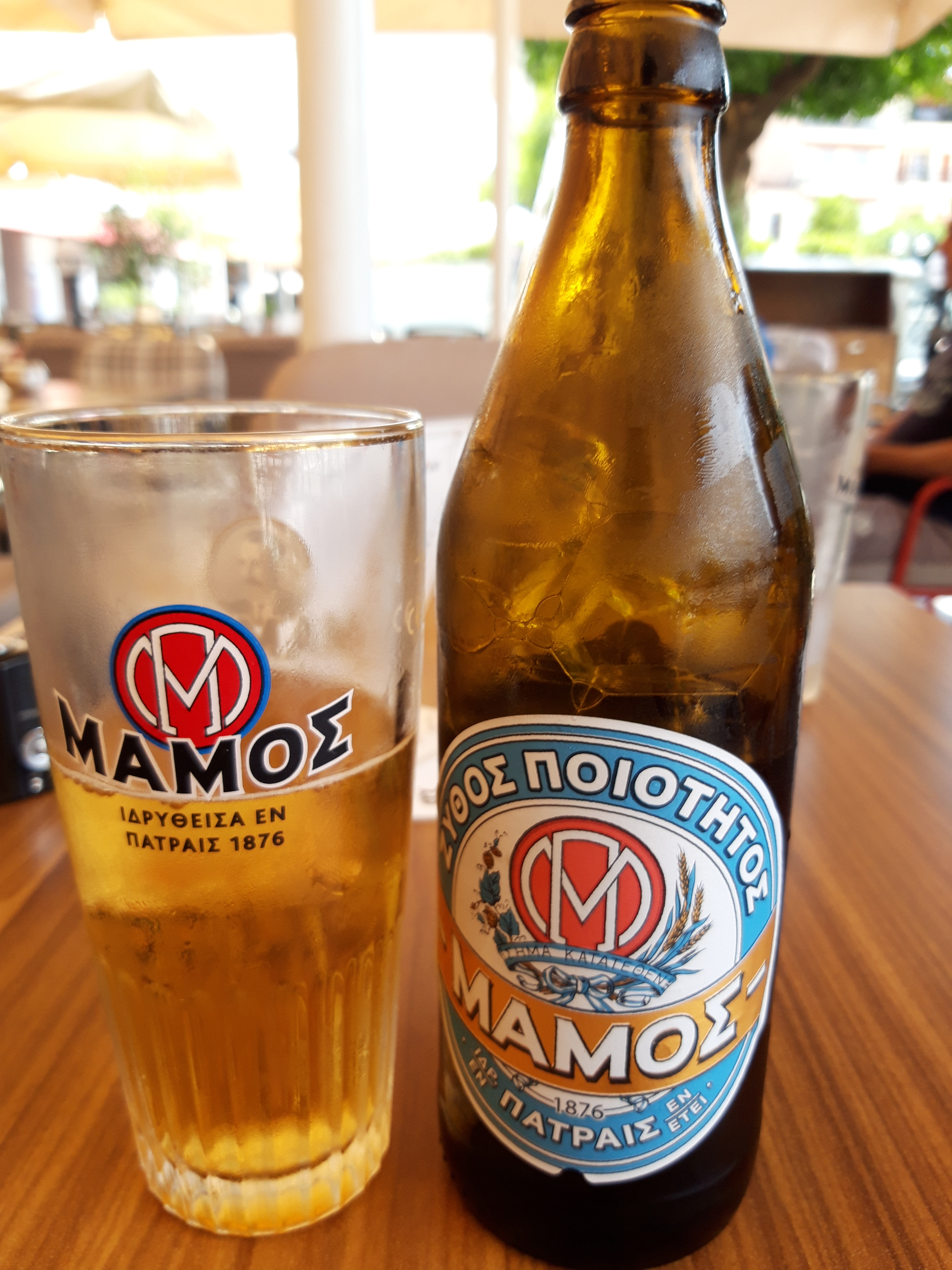
A bottle of beer is generally cheaper than at home in England and may be even cheaper if you go off the beaten track. Don’t just go for Mythos, try Fix, Mamos or Alpha which are all very good. A half litre of house wine in a restaurant is generally around 5.00 Euros, although a bottle of Greek wine can be pricey. Ouzo is also a common aperitif or digestif. I also like Metaxa [a type of Greek brandy] after a meal if I’m feeling posh.
Local delicacies
The Peloponnese and the Mani have some superb recipes and delicacies, here are some of my favrits:
Mani Smoked Pork – This is lovely, smokey and salty and can be eaten on it’s own, in a salad or as part of a pasta dish. It goes really well with orange segements.
Sfela cheese – A salty strong cheese that you can get from the cheese counter at most decent supermarkets.
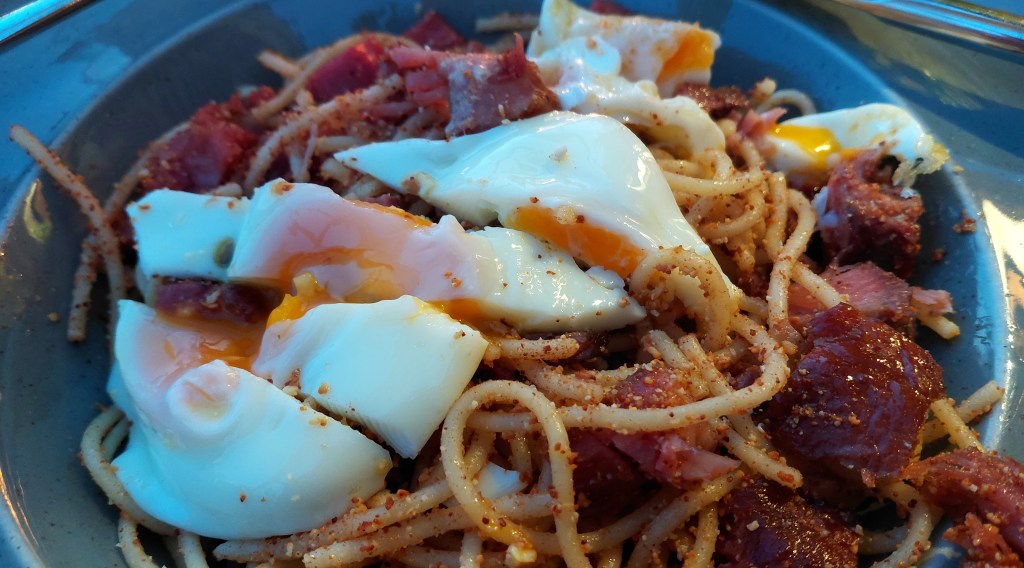
Tsouchti – Mani smoked pork with spaghetti, grated Mizithra cheese and topped with a fried egg or two. A unique and quite dry pasta dish. I like to break up the egg into the pasta and stir it in.
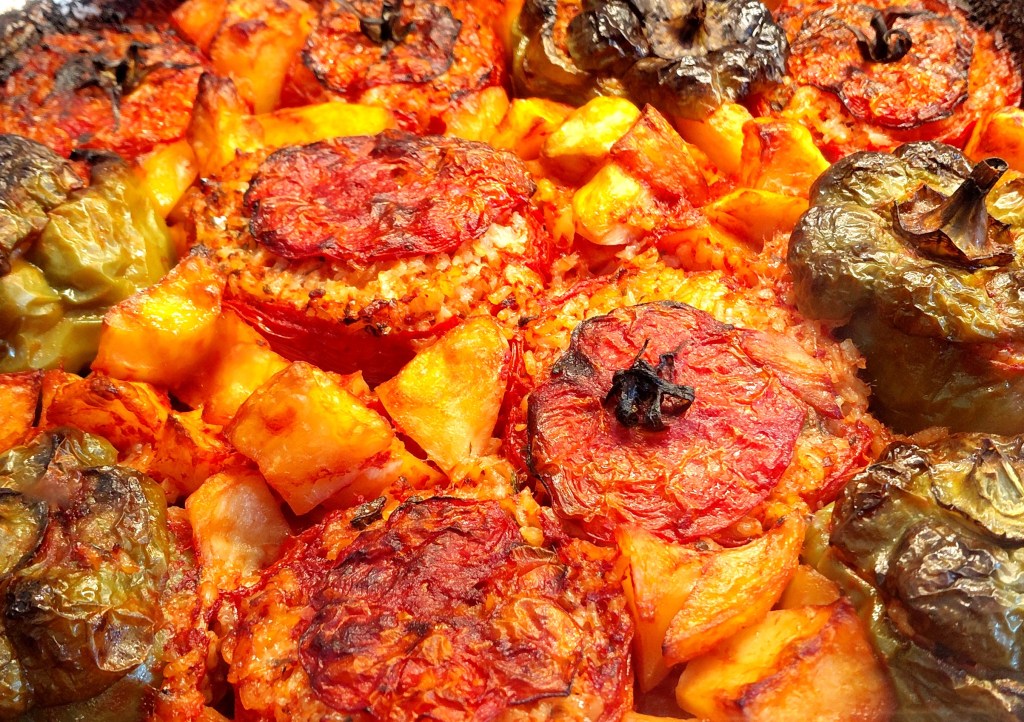
Gemista – Oven baked peppers or tomatoes stuffed with rice, herbs and finely chopped veggies. The Peloponnese version does not use meat.
Taygetos honey – Simply delicious, from the Taygetos mountains.
Merenda – Not exactly local, but my favritist chocolate hazelnut spread.
Nema Beer – Made locally near Stoupa, very tasty.
Greek Coffee
Greek coffee is rich, dark and strong. Traditionally made from very finely ground Arabica coffee beans in a slim pot known as a briki. It’s an acquired taste and I have now acquired the taste. I buy my ground coffee in Greece to take home. It’s not complicated to make, but it takes practice to make a perfect one. I like mine to be medium sweet [Metrio].
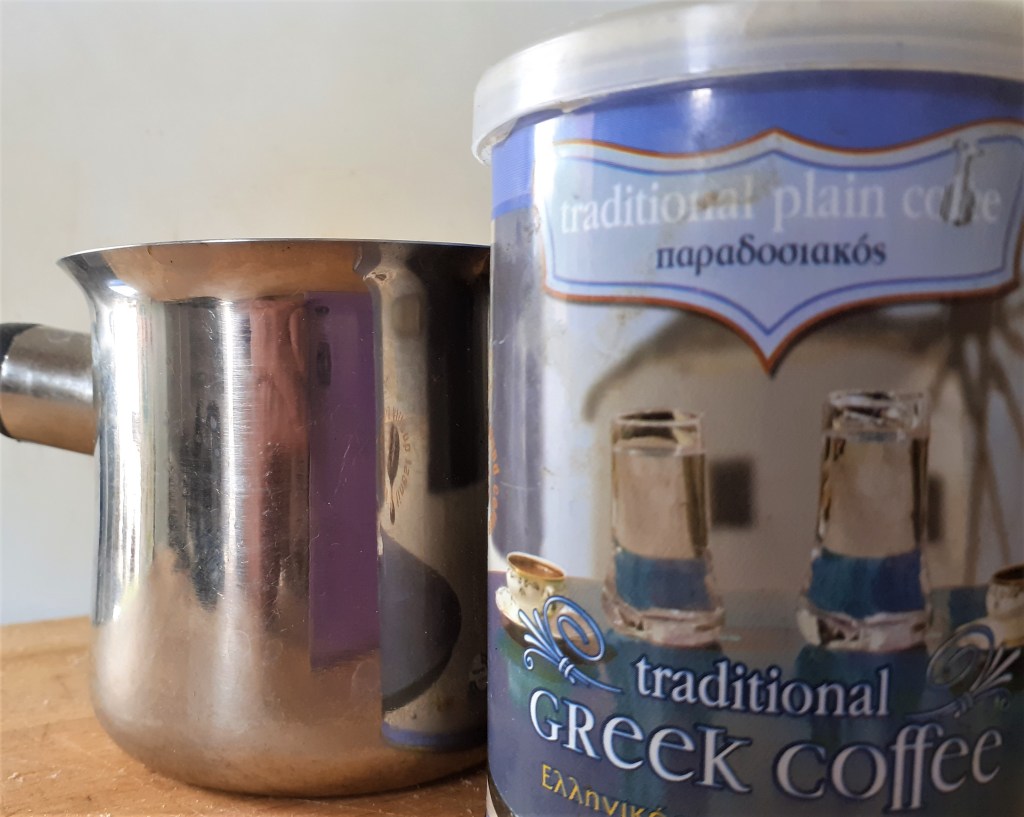
Don’t drink the dregs at the bottom of your cup and don’t add any milk.
Quick Links:

