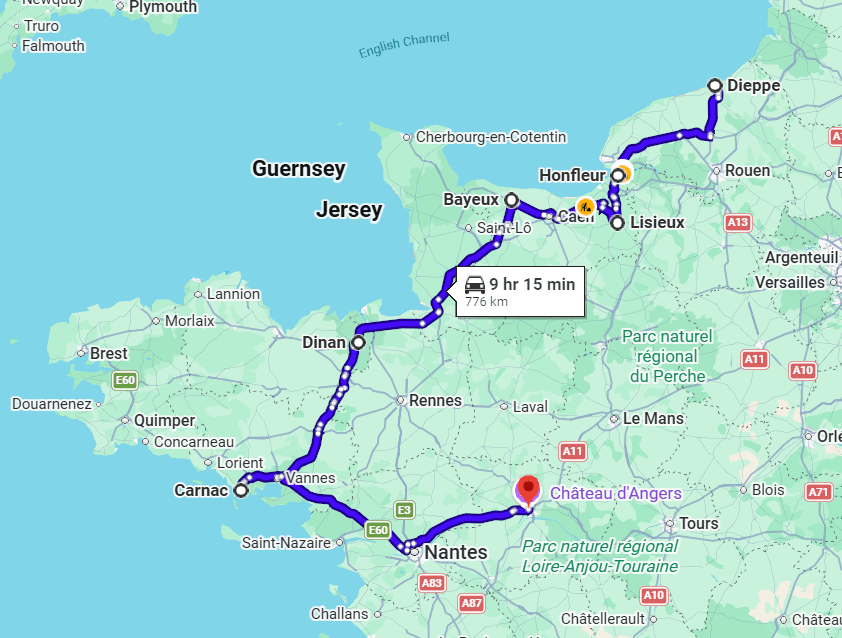
This page covers the start of our Road Trip: Honfleur, Lisieux, The D-day beaches, Bayeux, Dinan, St Malo, Carnac and Angers.
Day 1- Newhaven to Dieppe.
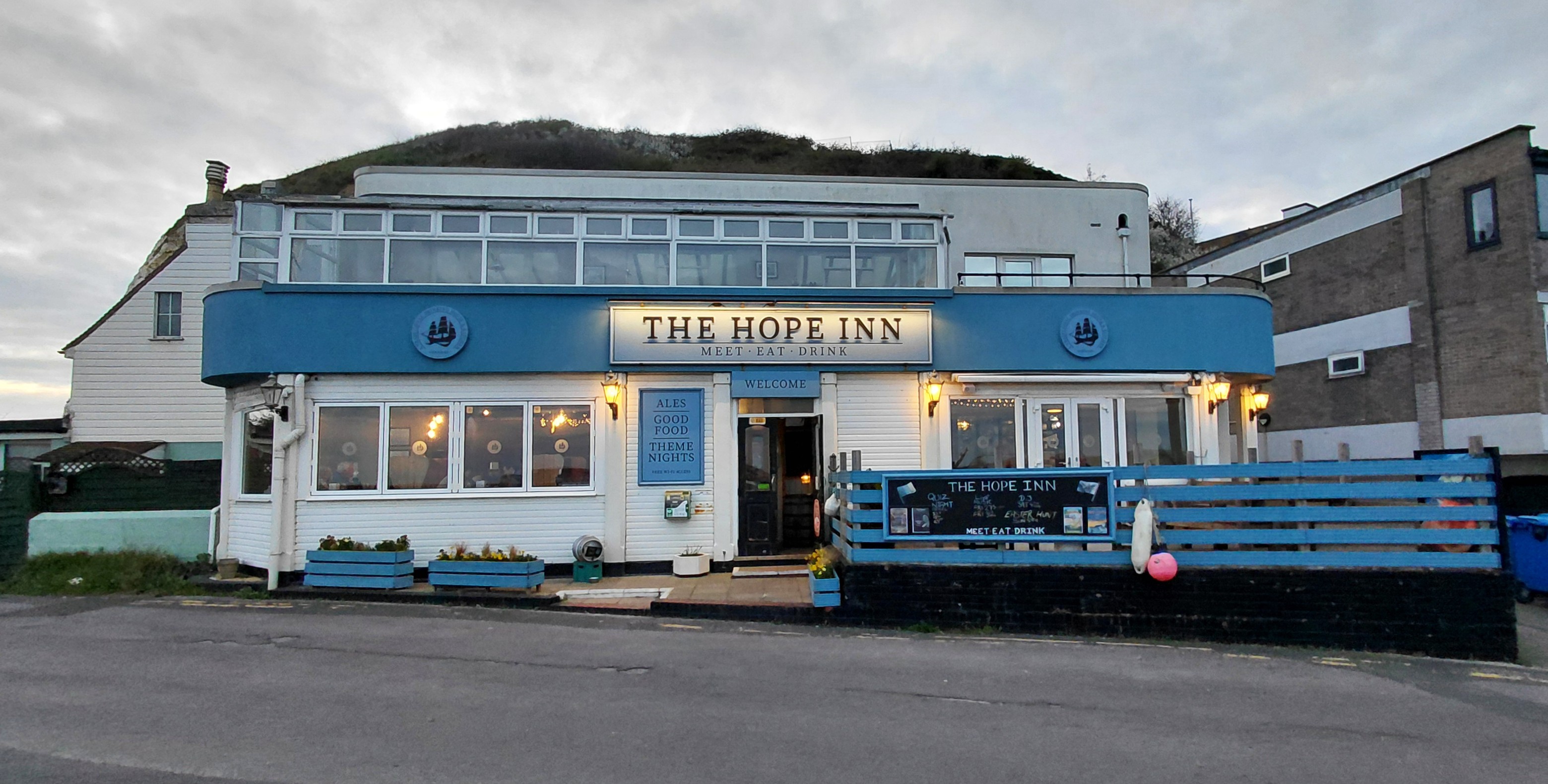
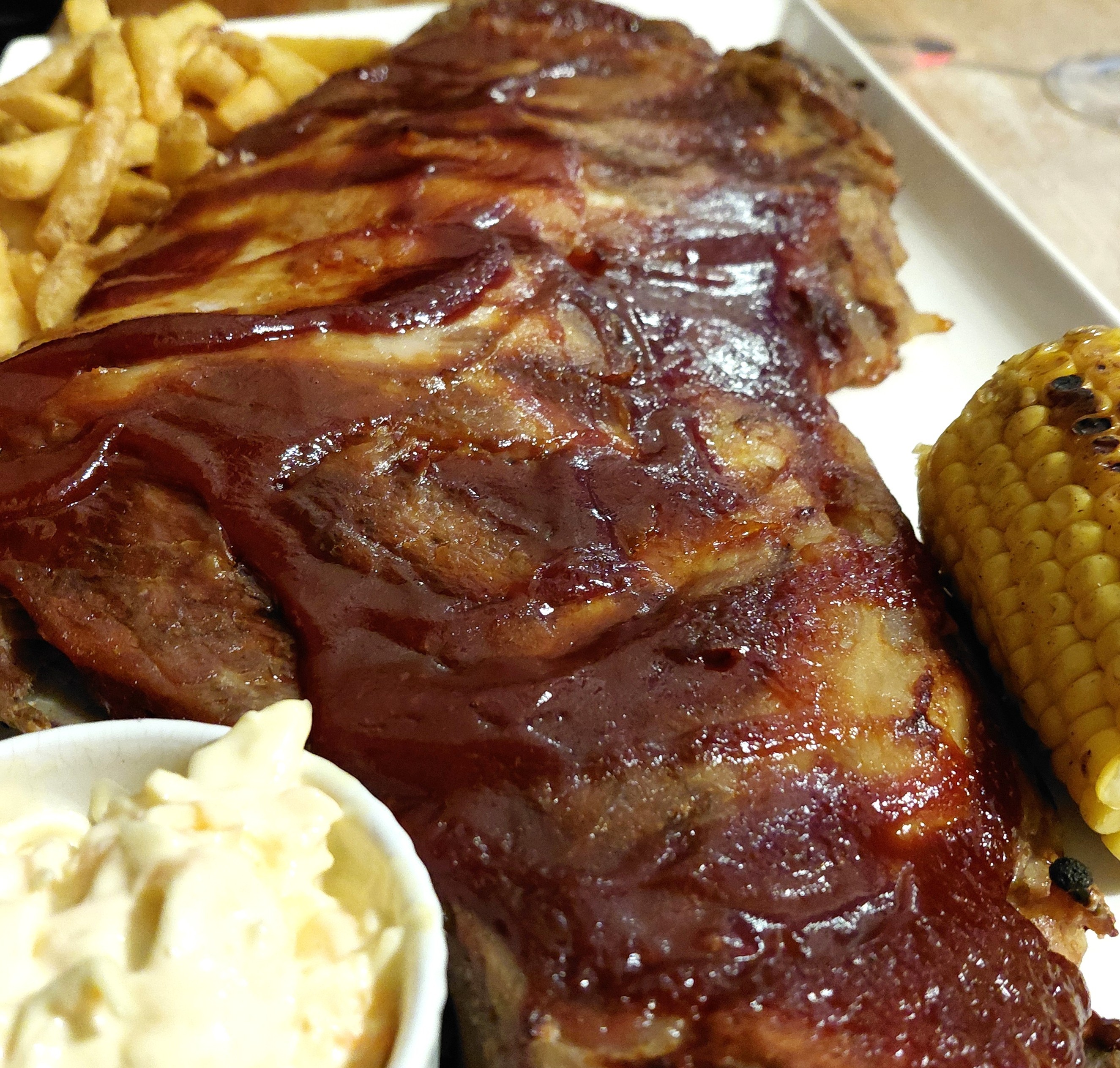
When we drove to Greece a couple of years previously we had dinner at The Hope Inn in Newhaven prior to our departure for France. We did the same this time. Leashia’s beef ribs were obscenely large and as we hate wasting food we saved some for a picnic.
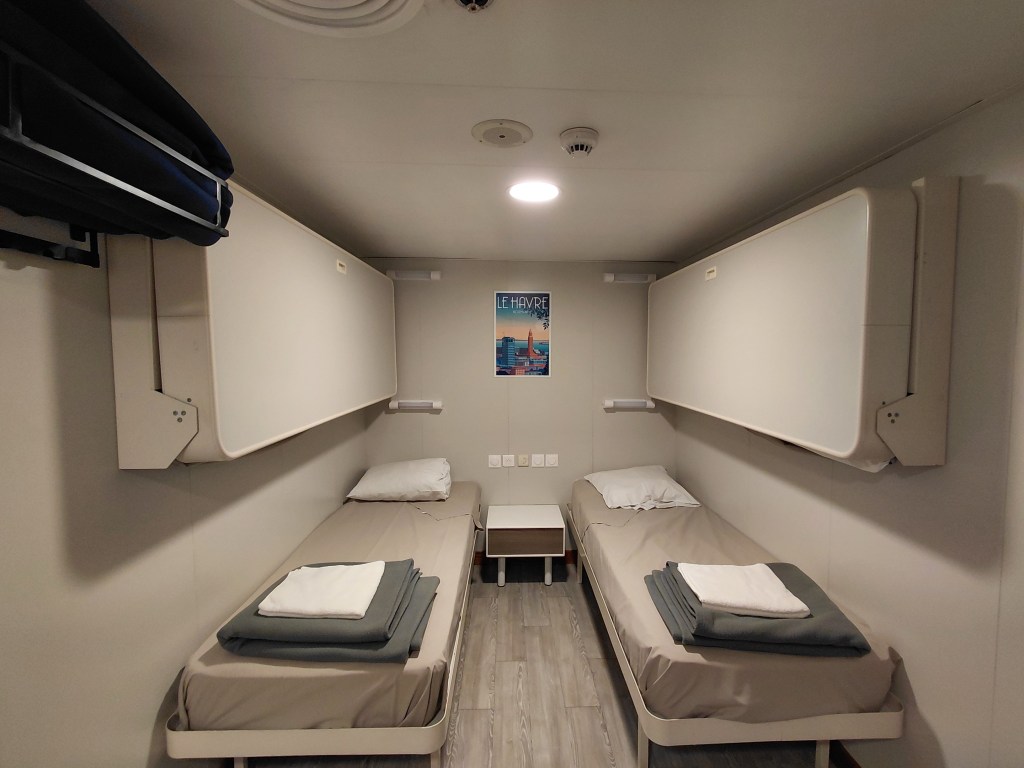
We had booked a cabin for our overnight ferry to Dieppe as on the last occassion I found it nearly impossible to sleep on the airplane style seats in the lounges. The cabin was basic but fine, we got some sleep and were raring to go when we arrived in France in the early hours.
Day 2- The drive to Lisieux via Honfleur, Normandy.
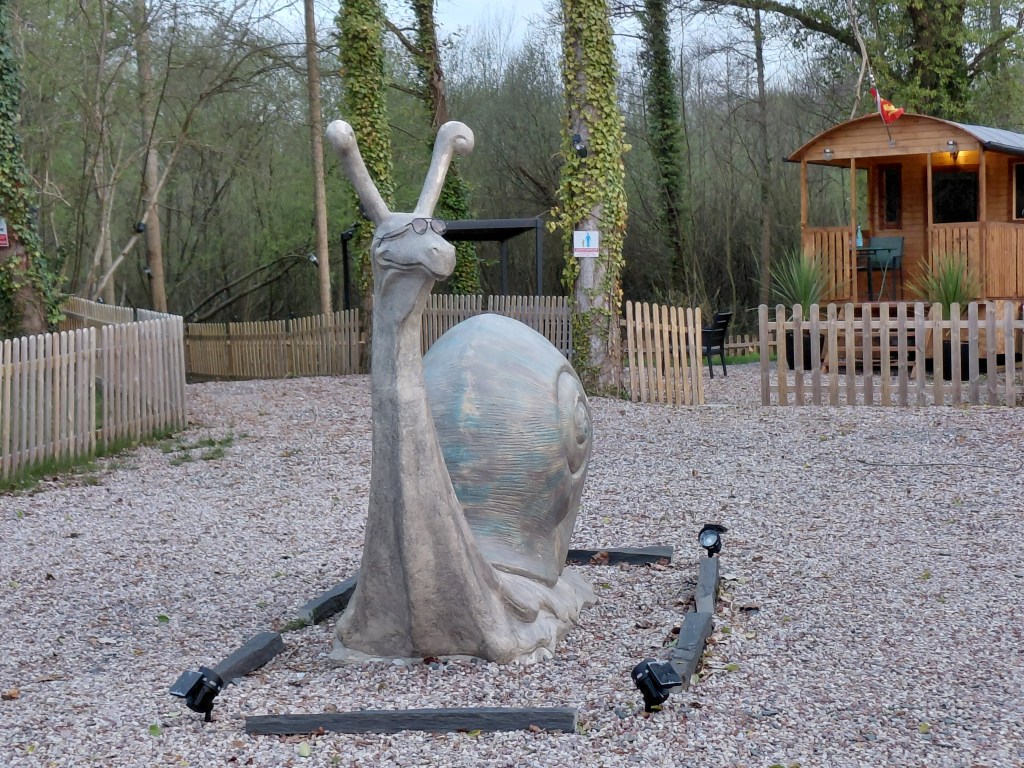
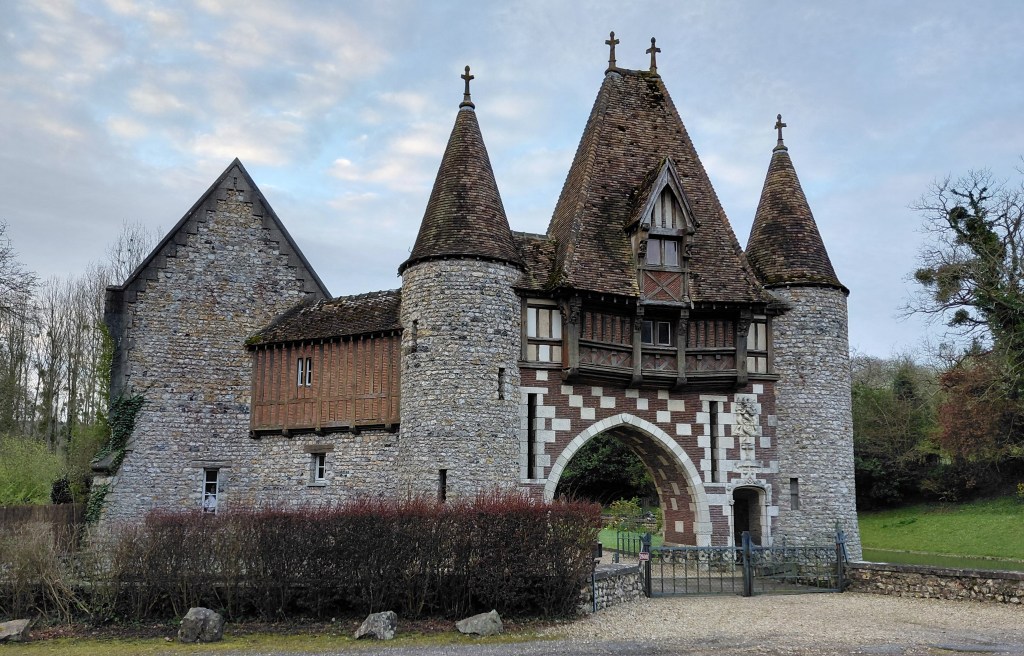
It was dark as we drove through the country roads towards Honfleur, our very first destination, so we could not see much of the country until dawn broke. On the way we stopped to look at the attractive entrance gate to the Manoir de La Pommeraye and a large bespectacled snail that was nearby.
Honfleur
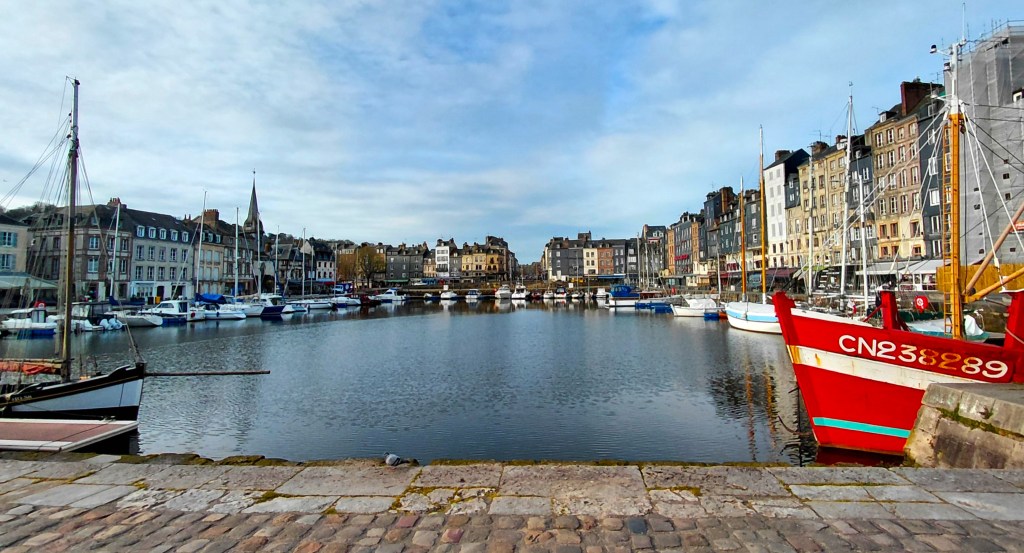
We parked for free in Honfleur and had a wander around the town. We originally planned to have lunch here but we were actually in time for breakfast! Honfleur is on the Seine estuary and is described in our Rough Guide to France book as ‘Normandy’s most beautiful seaside town.’ although the sea has now retreated. As this was our first Normandy seaside town [Dieppe doesn’t count] we were not in a position to argue.
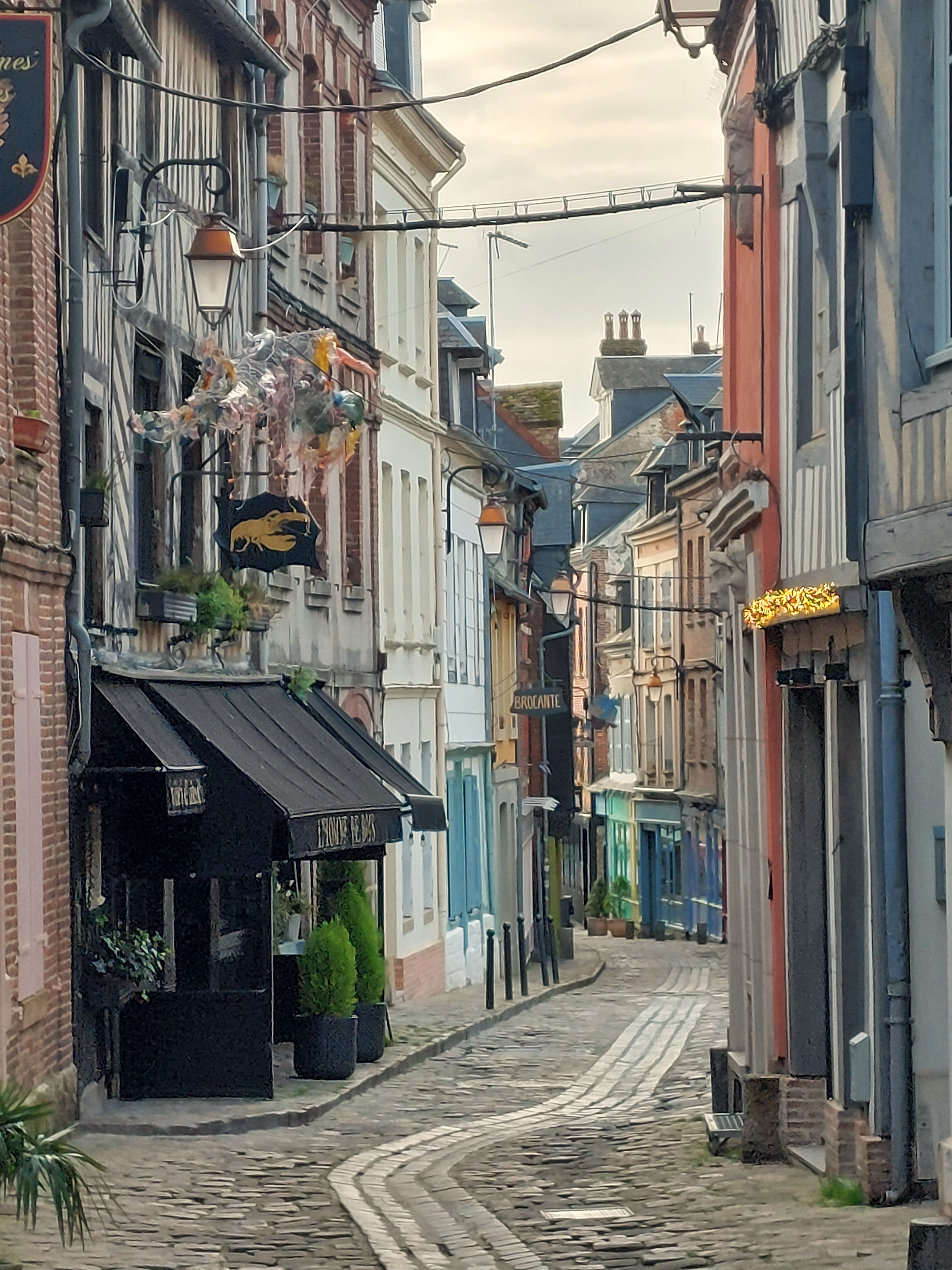
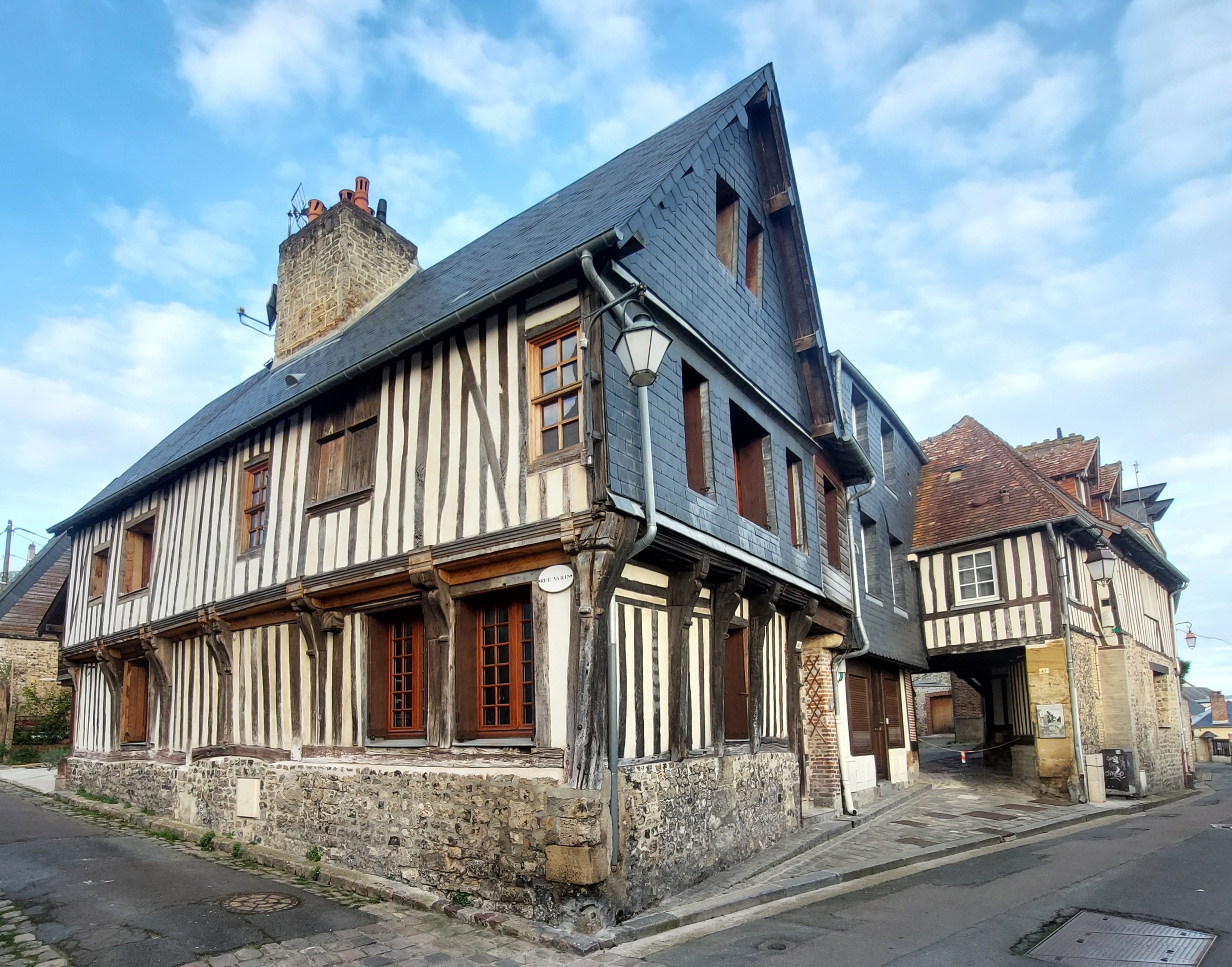
It was certainly very pretty and the 18th century timber framed buildings and cobbled streets were lovely. We expected the town to be busy but it was very tranquil and there were only as few people milling around. We were visiting in late March so I suspect it busies up over the summer.
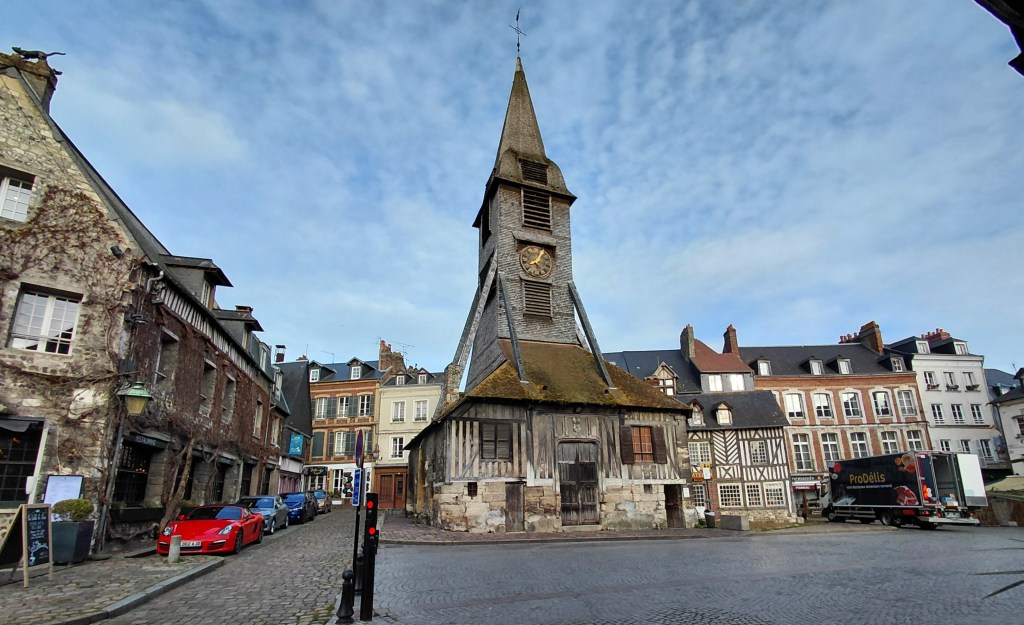
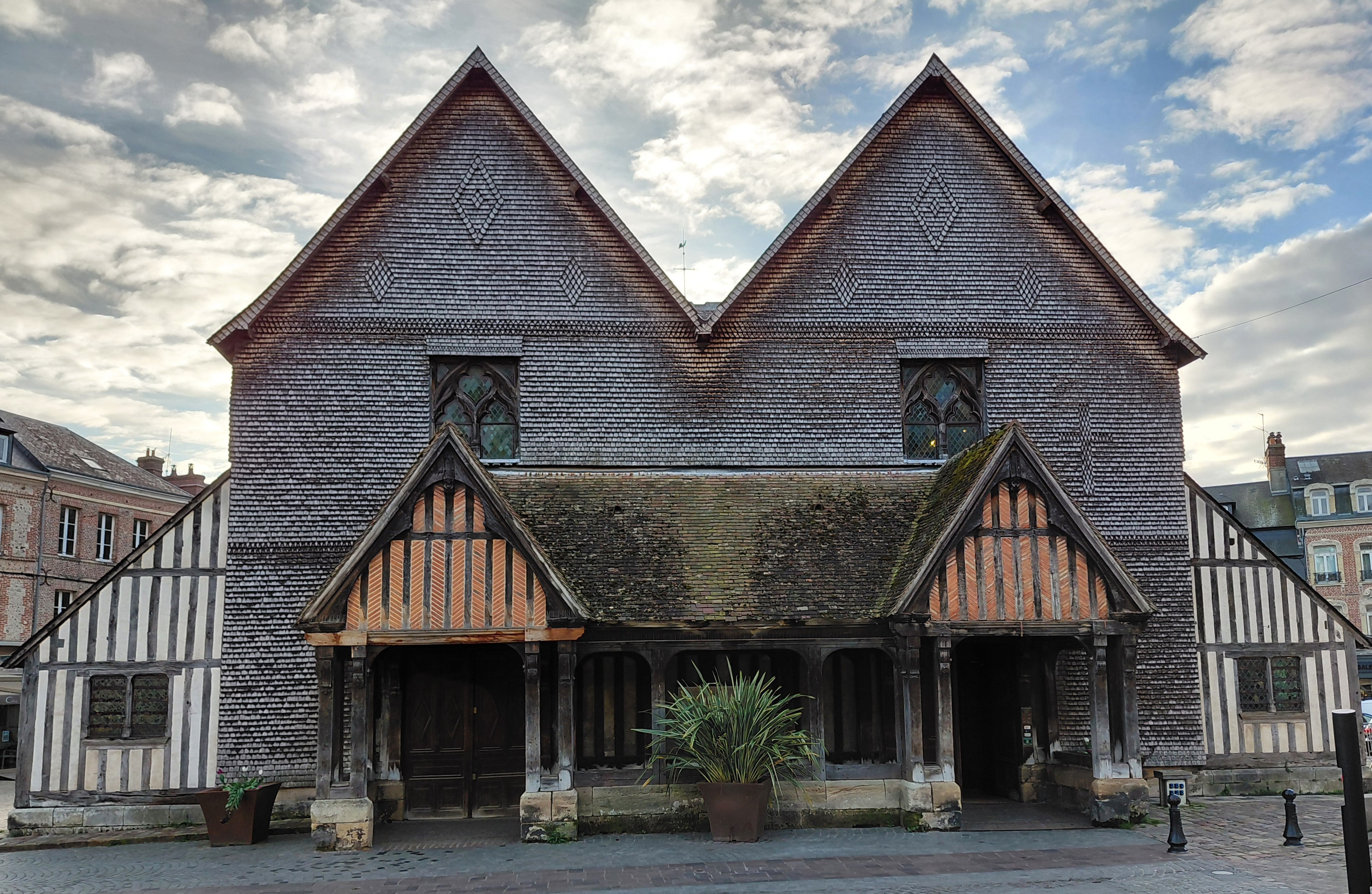
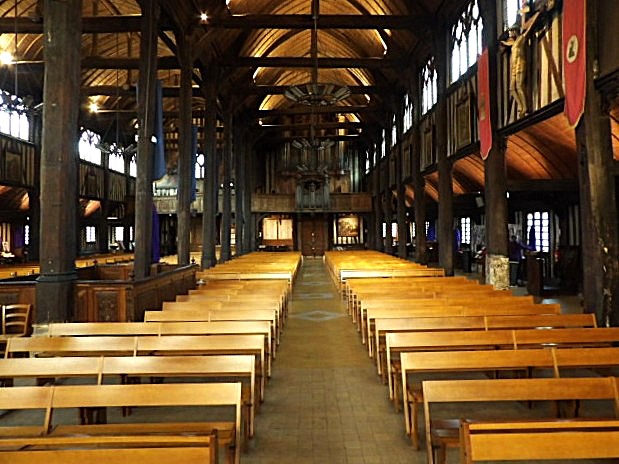
We headed to the 15th century L’église Sainte-Catherine in the centre of the old town. It is France’s largest wooden church with a separate bell tower and the main church building when viewed from the front looks like a market hall.
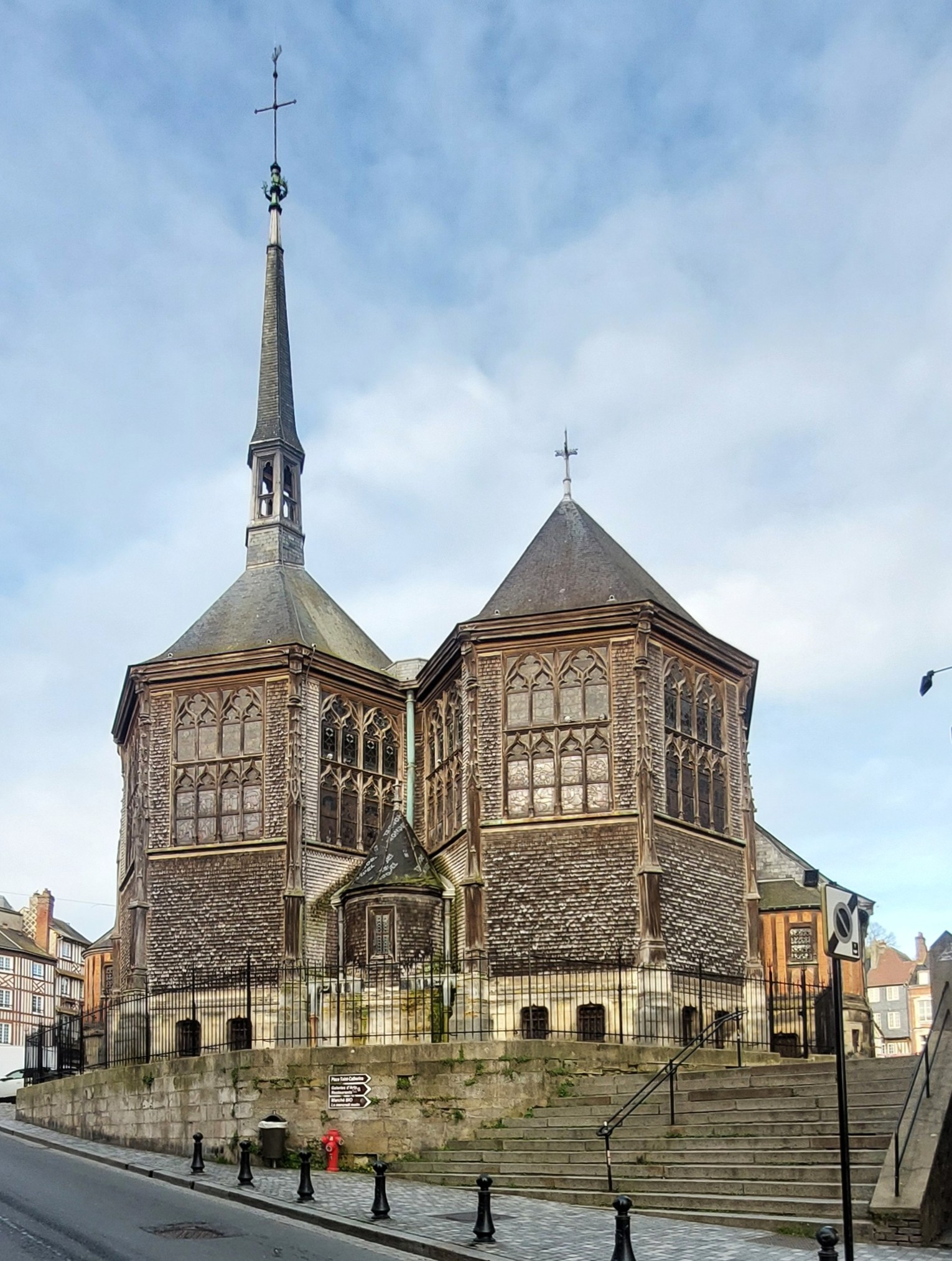
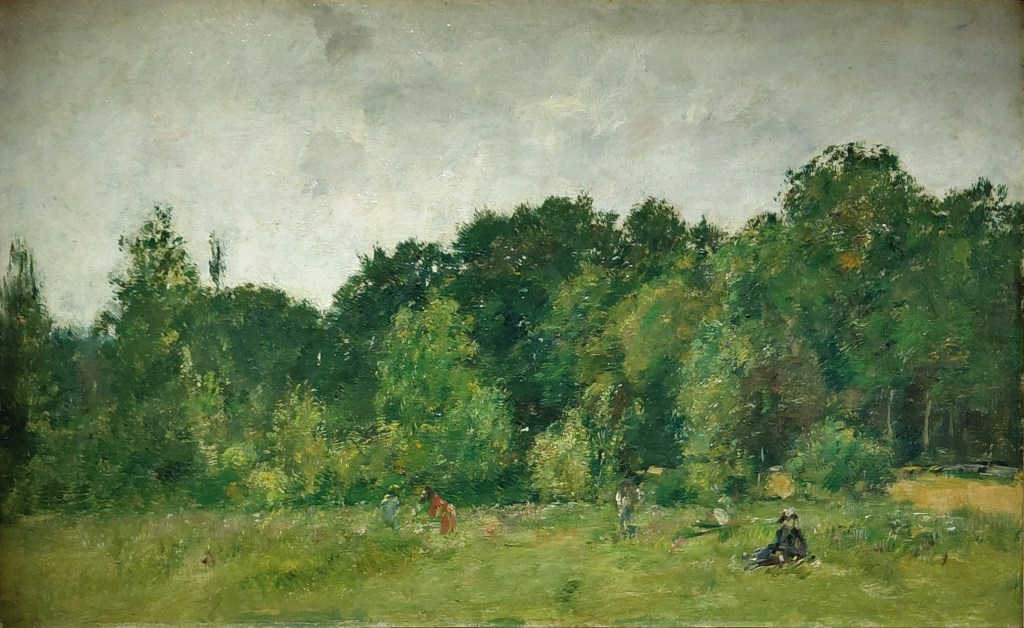
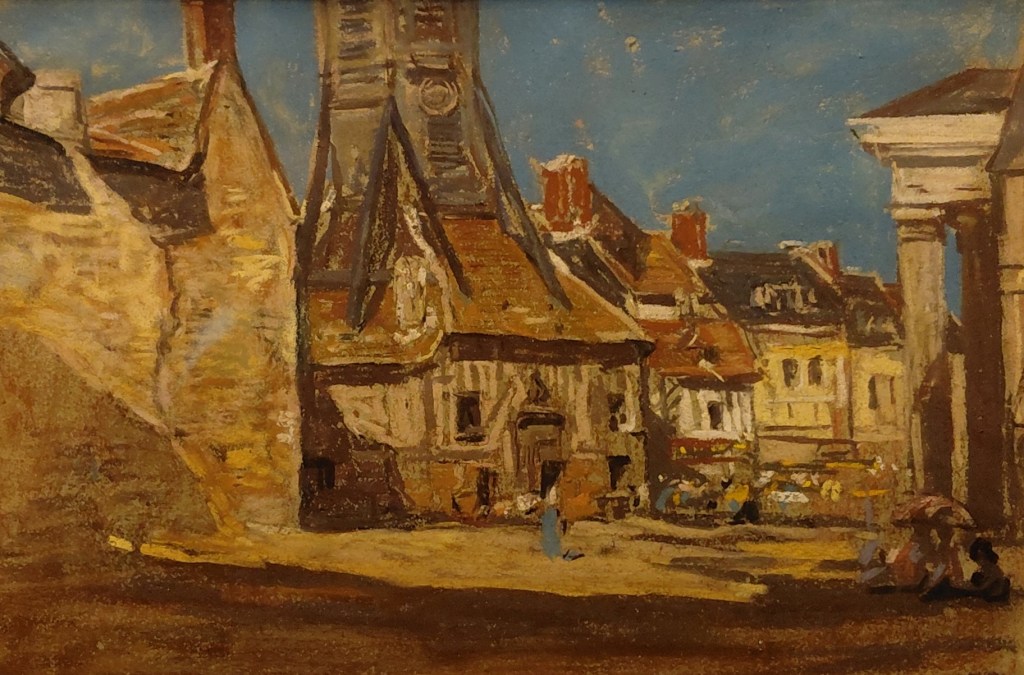
We stumbled across Le Maison du Tripot where we had a lovely breakfast. Our tummies were now ready to do some more exploring so we headed for the Boudin Museum which had some some quality impressionist paintings on display [not just by Boudin]. We bought a ticket that also incorporated Les Maison Satie.
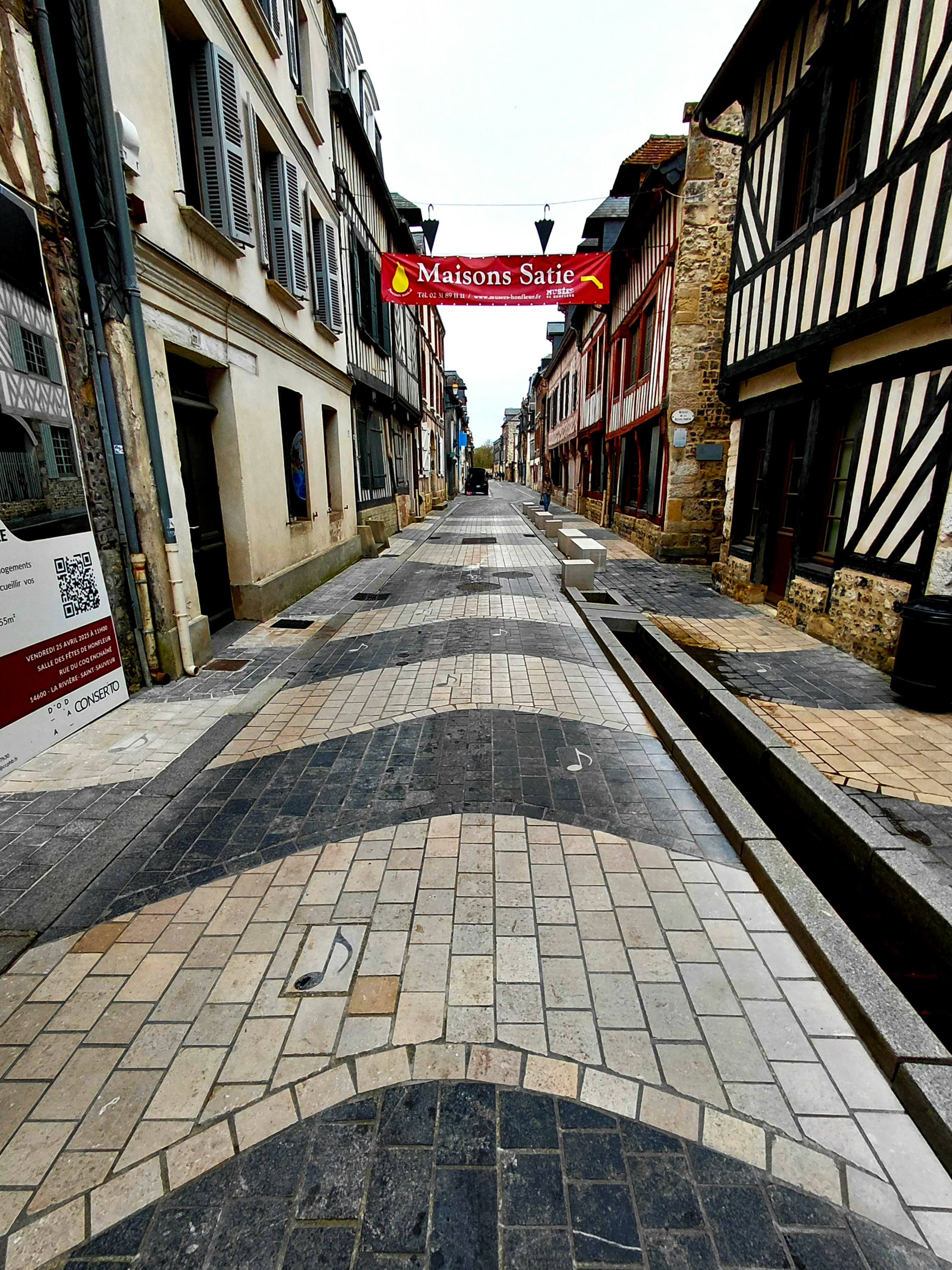
Les Masions Satie is a museum dedicated to Erik Satie in his former home and it was wonderfully surreal, a bit bonkers and lots of fun. To find it just follow the musical notes on the road.
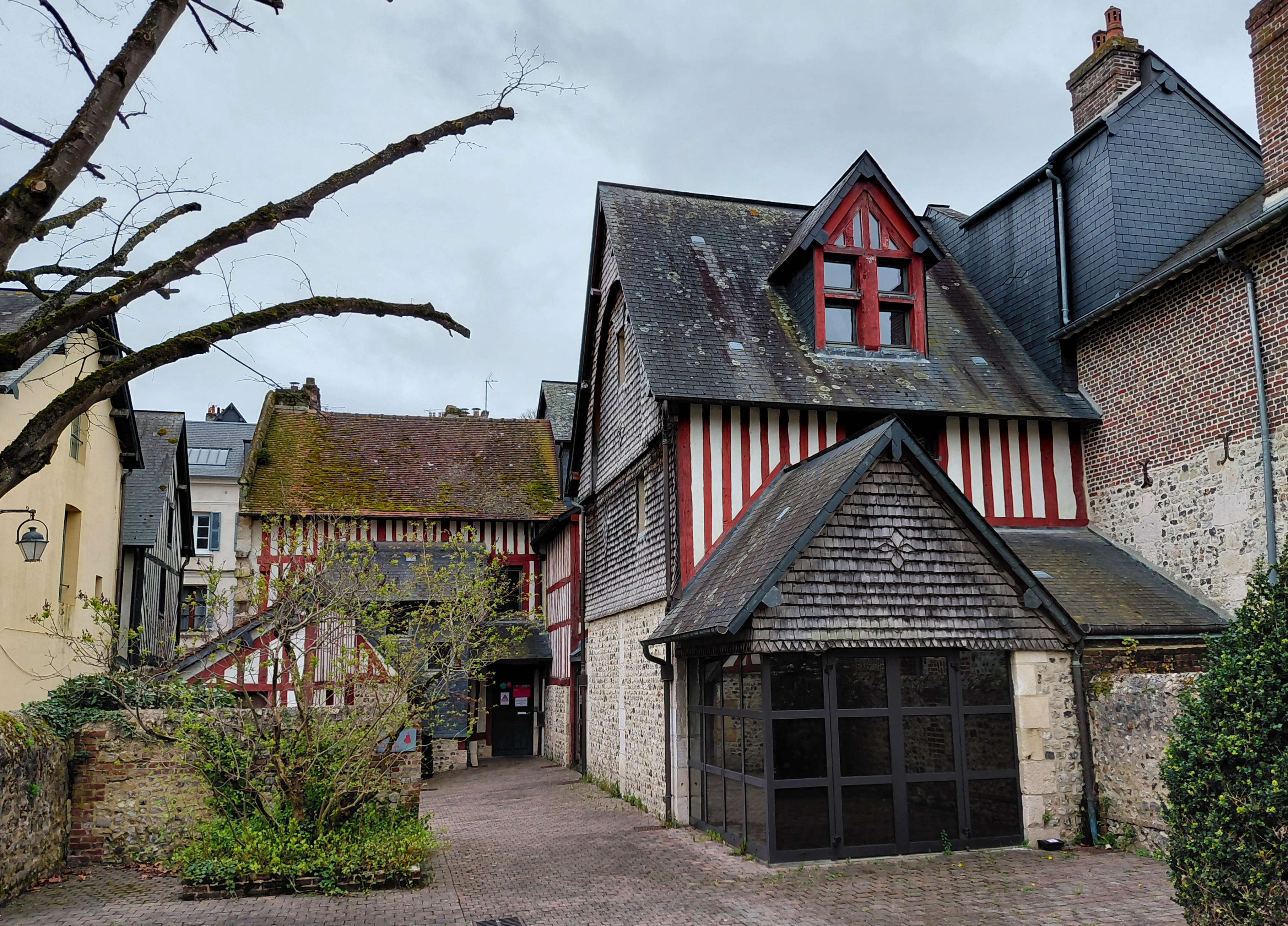
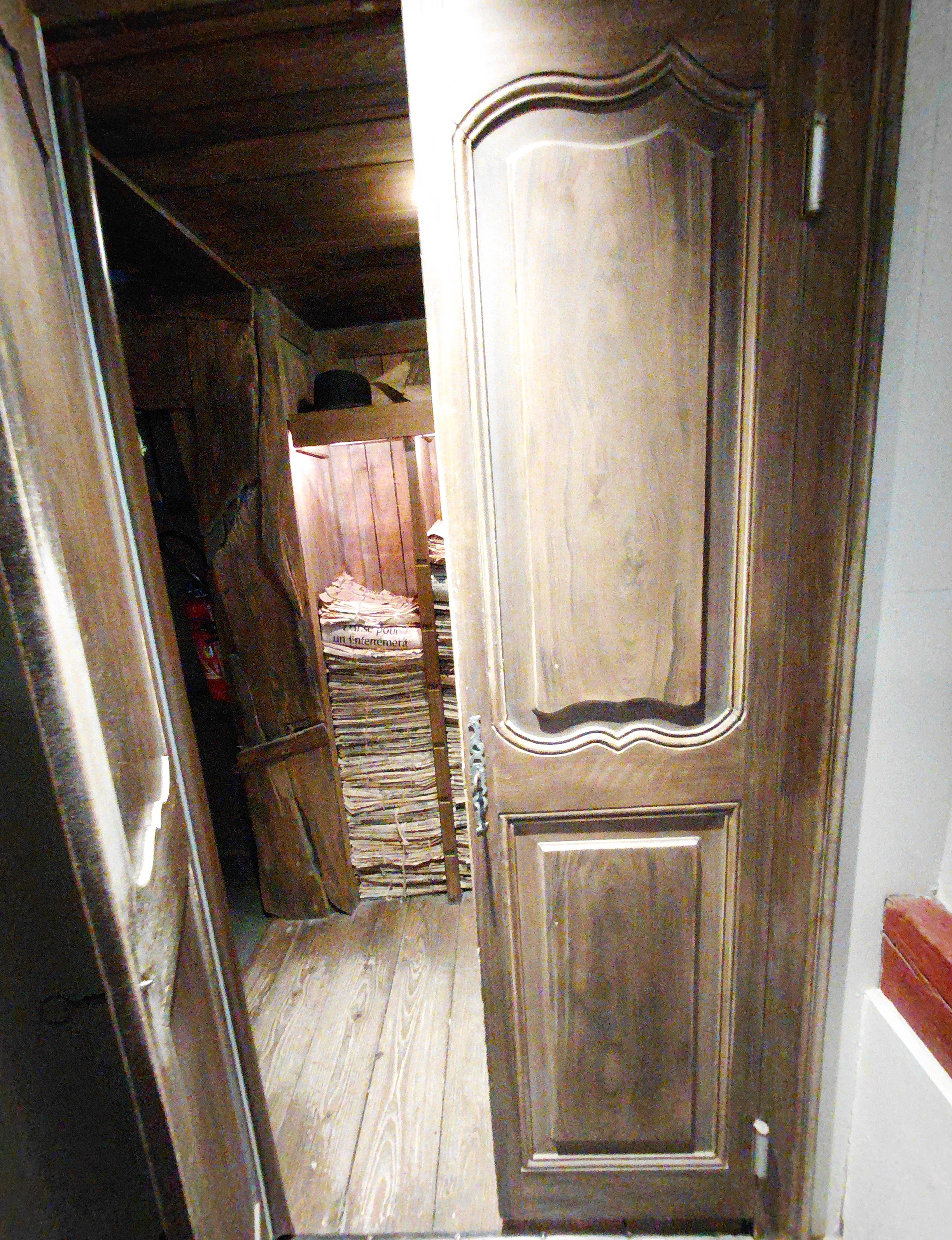
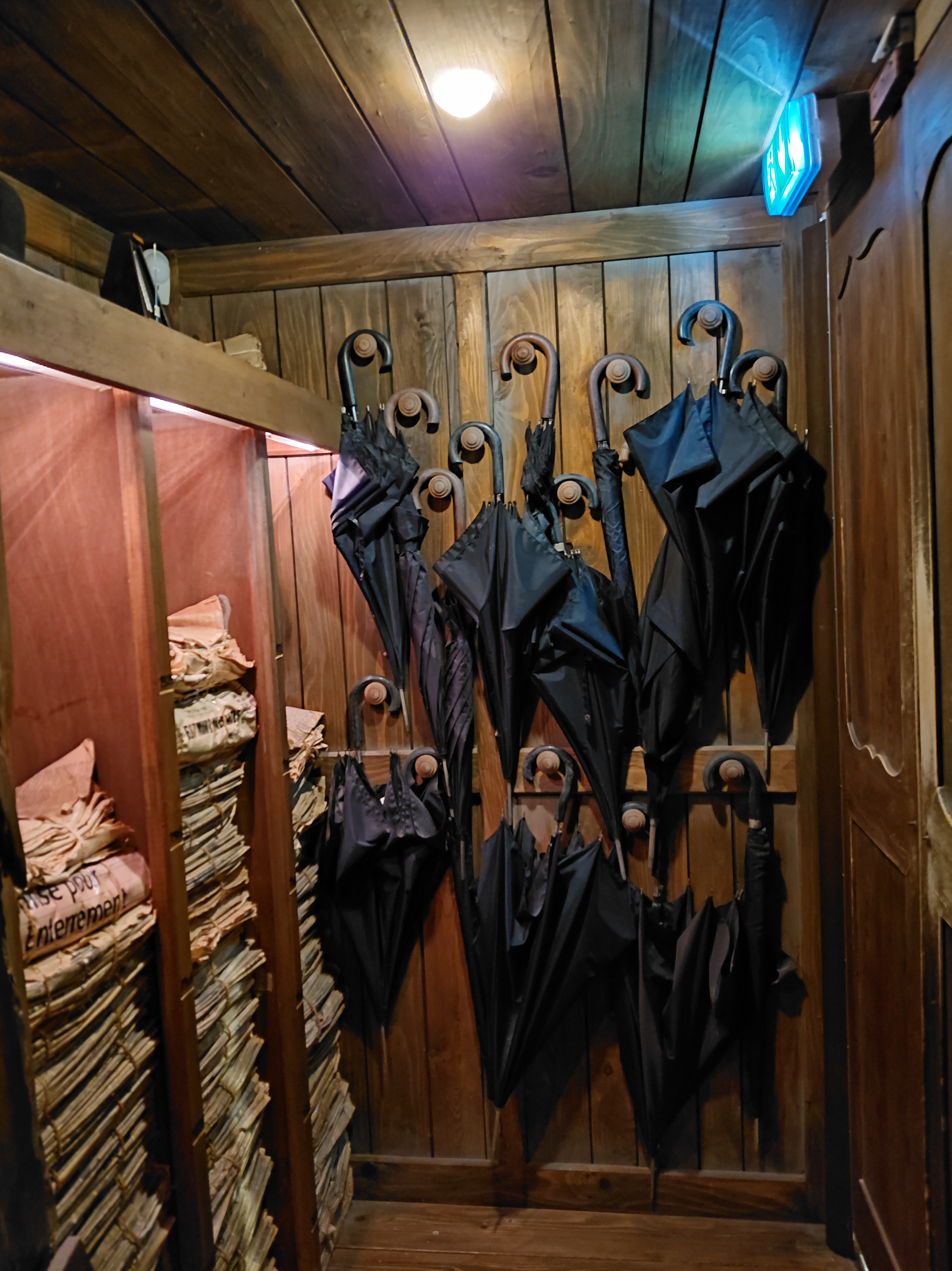
The entrance to the museum is through a closet and we were treated to a range of exhibits including a large glowing pear, a weird monkey and a pianola [playing Satie of course].
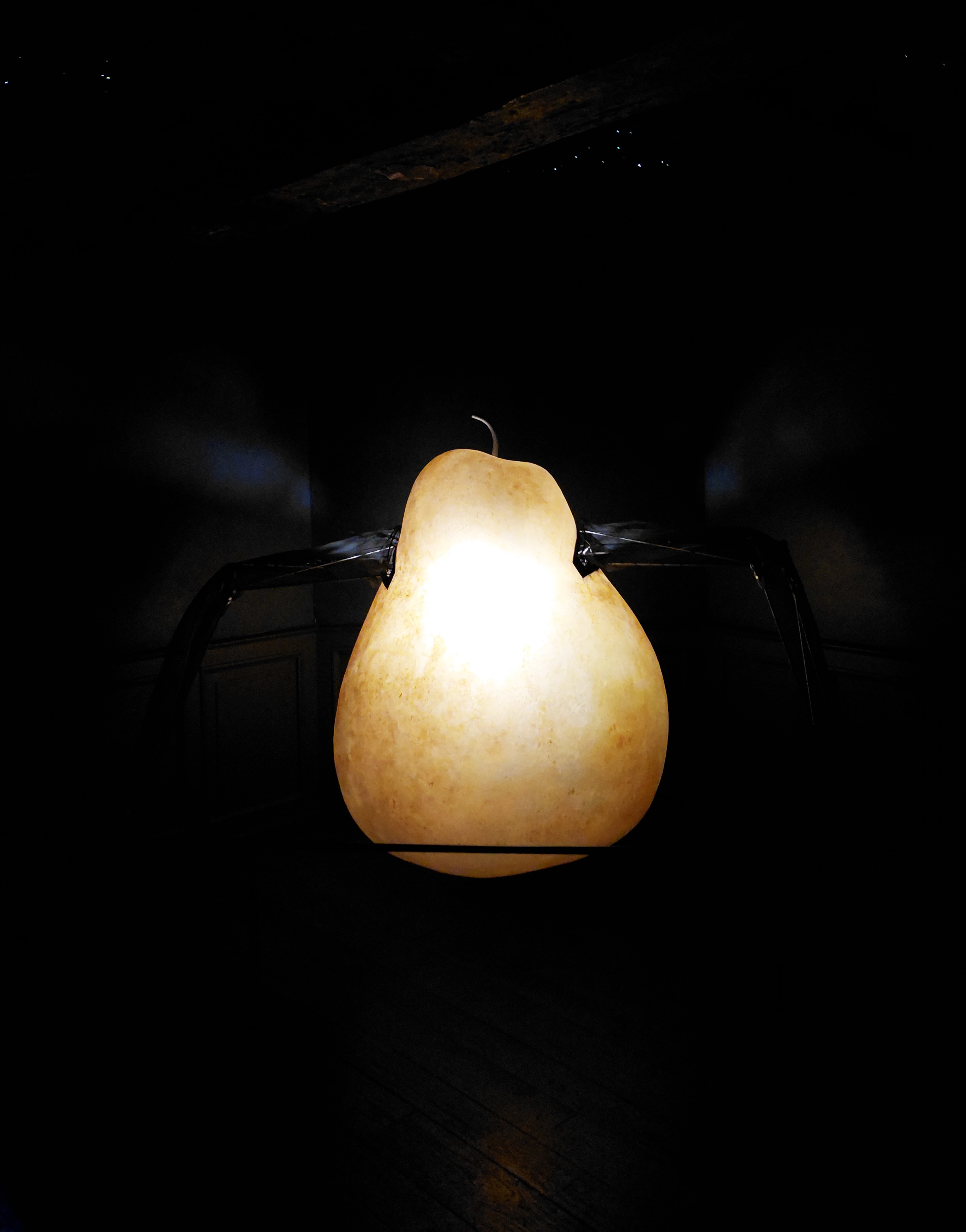
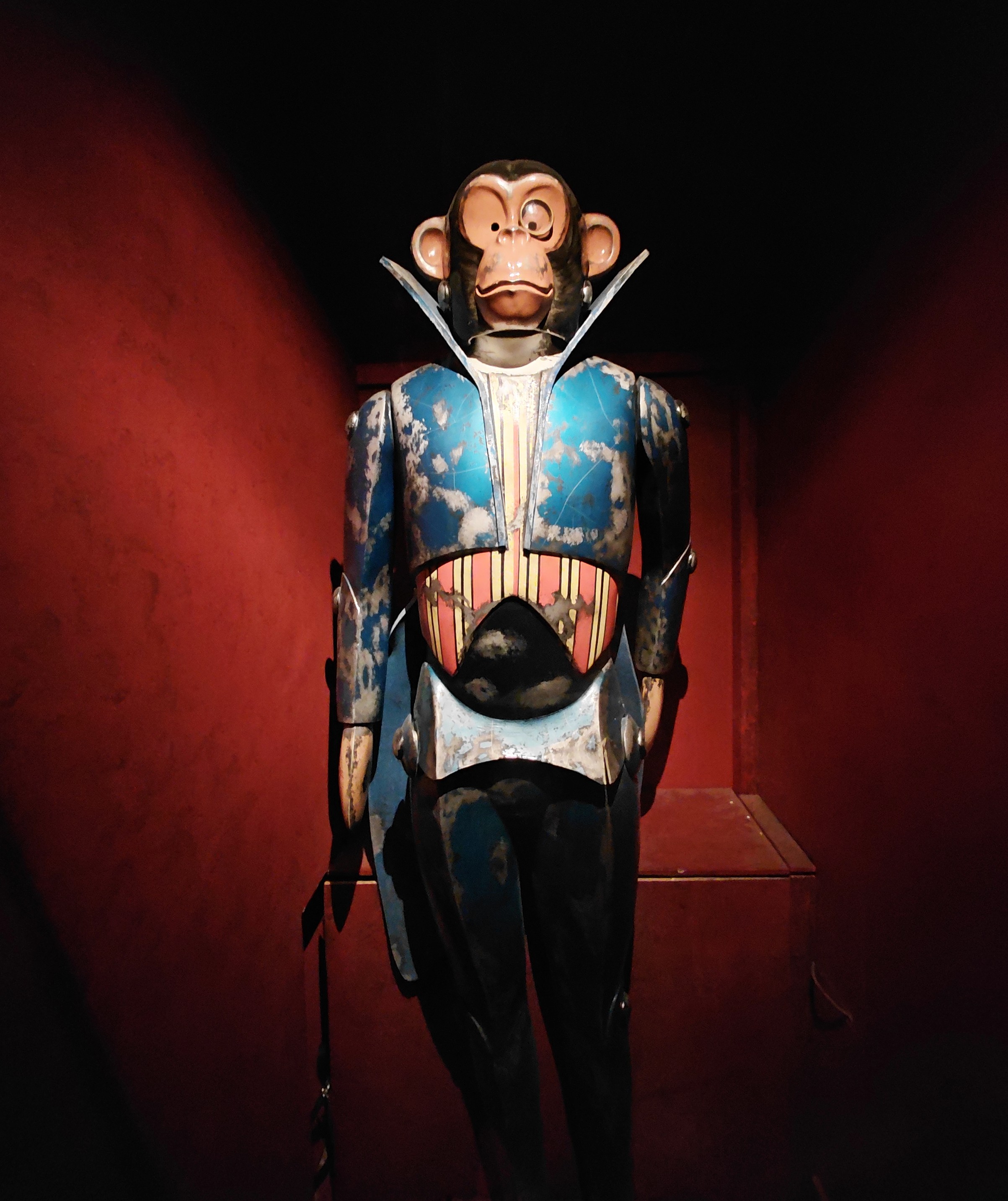
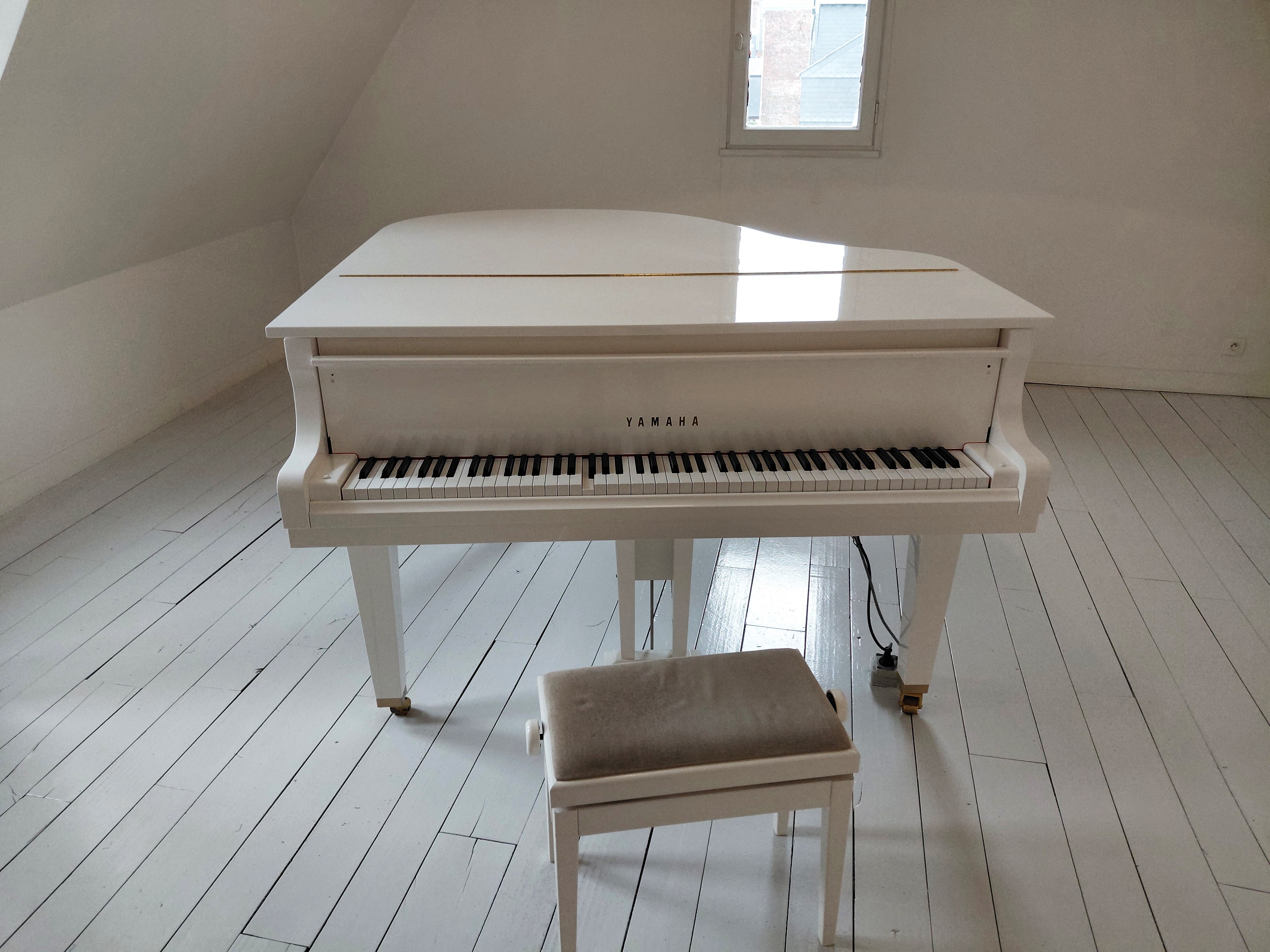
One of the highlights was a carousel that you have to pedal to make it work. We didn’t understand everything that was on display apart from the surreal link to Satie, but we had a great time.
Our next destination was Lisieux, a 40 minute drive from Honfleur where we were booked to stay for two nights.
On the way we stopped for some food [cheese, saucisson, baguette and other essentials] at Carrefour Express where I discovered my new favritist crisps – Tartiflette flavour! We checked into our accomodation early, [Leashia finished off her ribs from the ferry] had lunch on the balcony before we had a well deserved nap.

Lisieux
Lisieux is the principle town of the Pays d’Auge region of Normandy. St Thérèse, lived here until her death in 1897 from tuberculosis when she was just 24 years old. We spent the afternoon visiting the incredible Basilique de Ste – Thérèse and St Thérèse Convent.
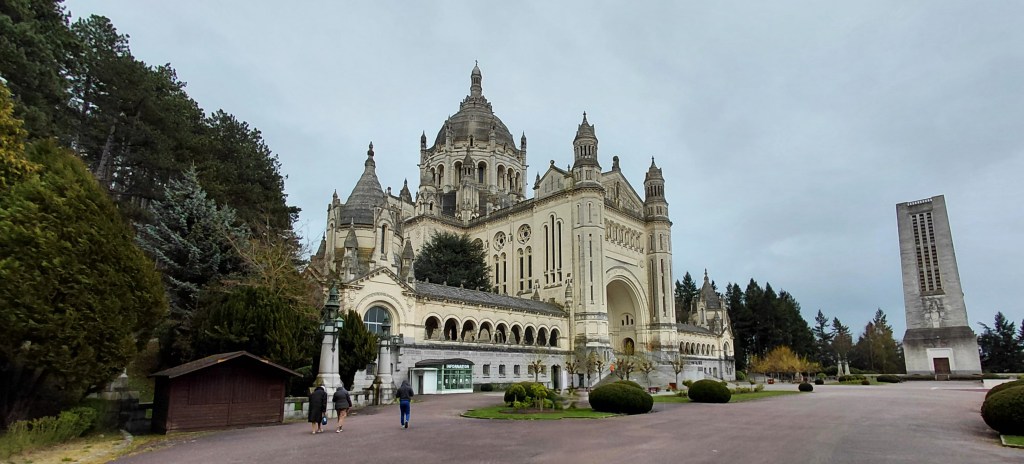
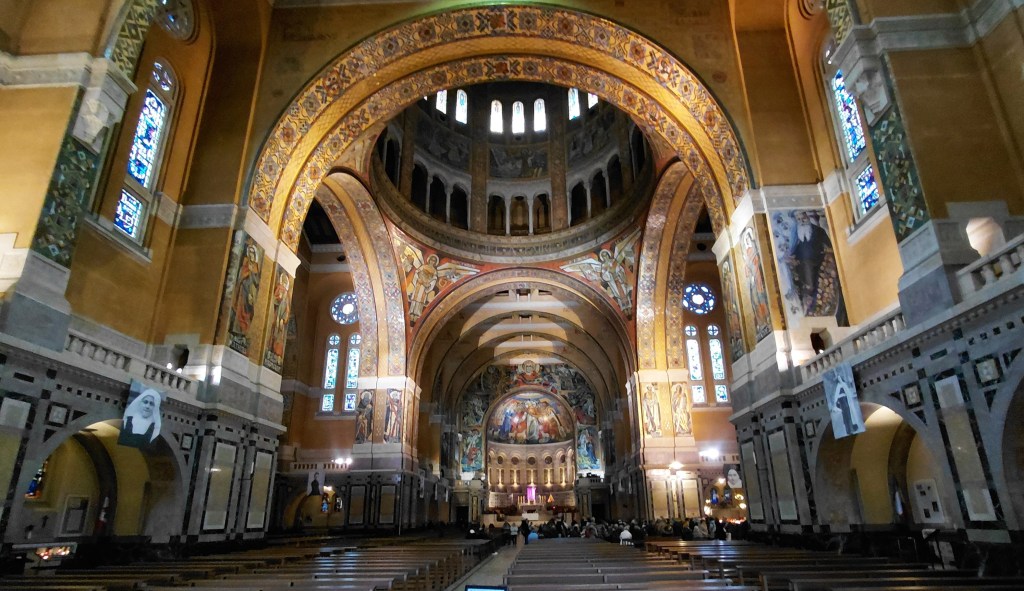
The most imnpressive thing about the Basilica is its size, it’s absolutely huge! It was built in the 20th century so it is relatively modern. The vast interior is adorned with mosaics and stained glass windows. Sadly, the crypt was closed when we were here.
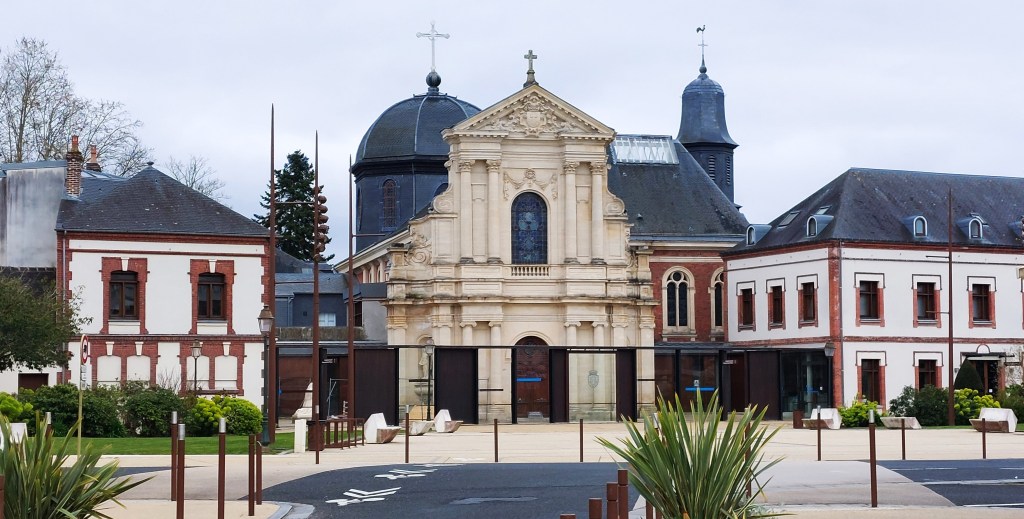
St Thérèse Convent, chapel and museum.
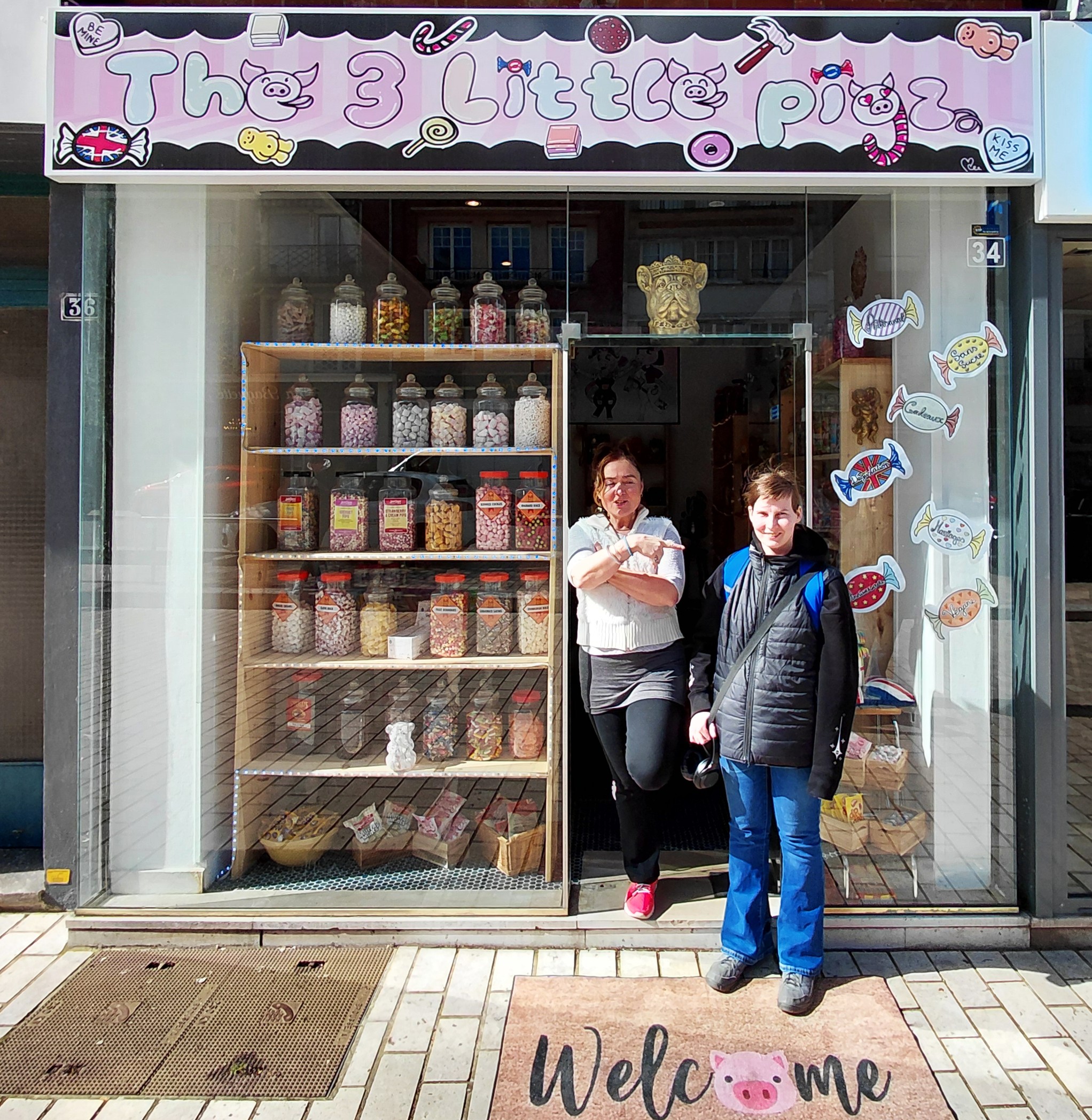
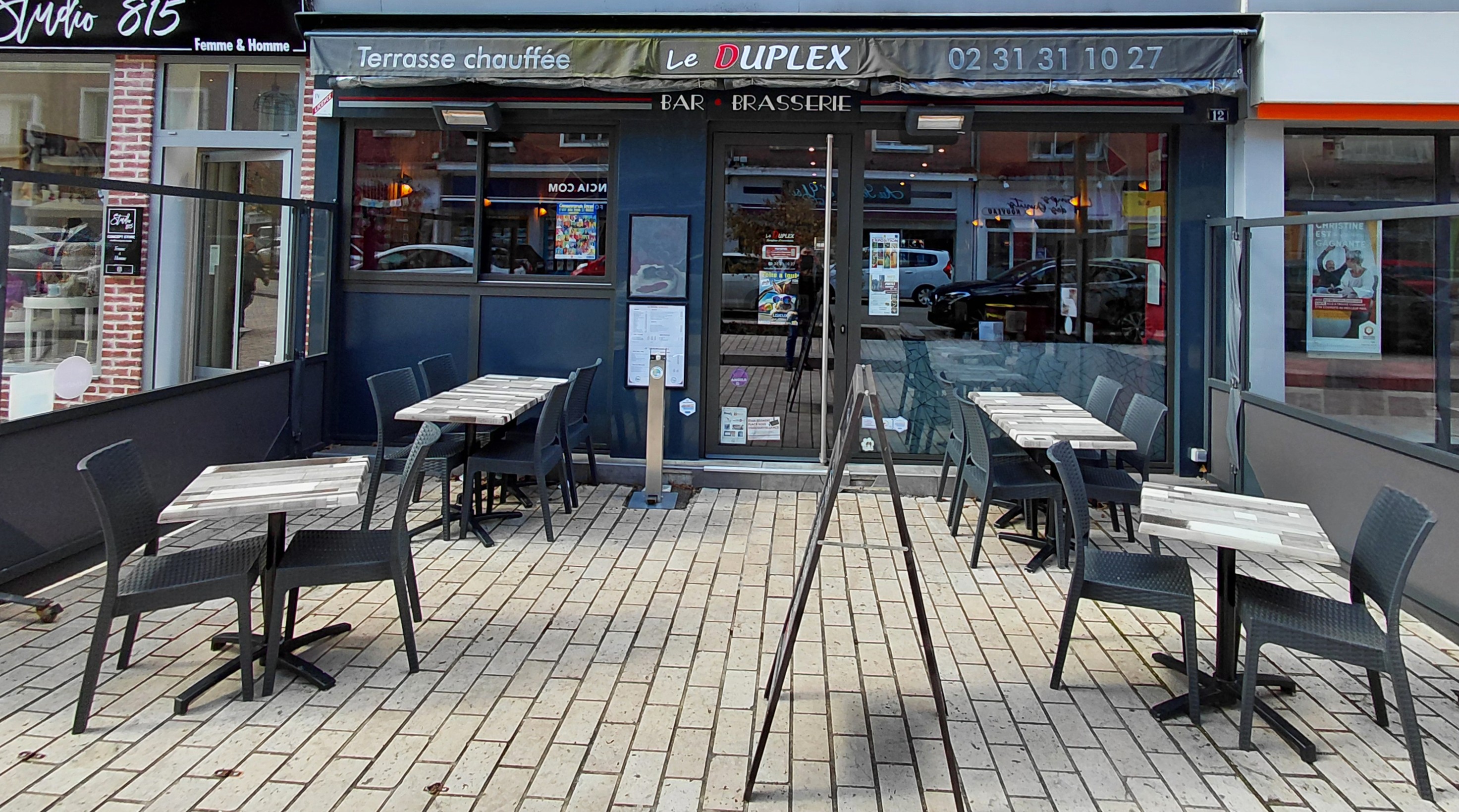
The Convent is closed to the public but The Chapelle du Carmel and the museum dedicated to the tragic life of St Thérèse is open to the public and free to enter. We ended the day with a pleasant meal at Le Duplex brasserie which is just a few doors away from the 3 Little Pigs English sweetshop owned by the very amiable and very English Jane.
Day 3 Lisieux, Normandy
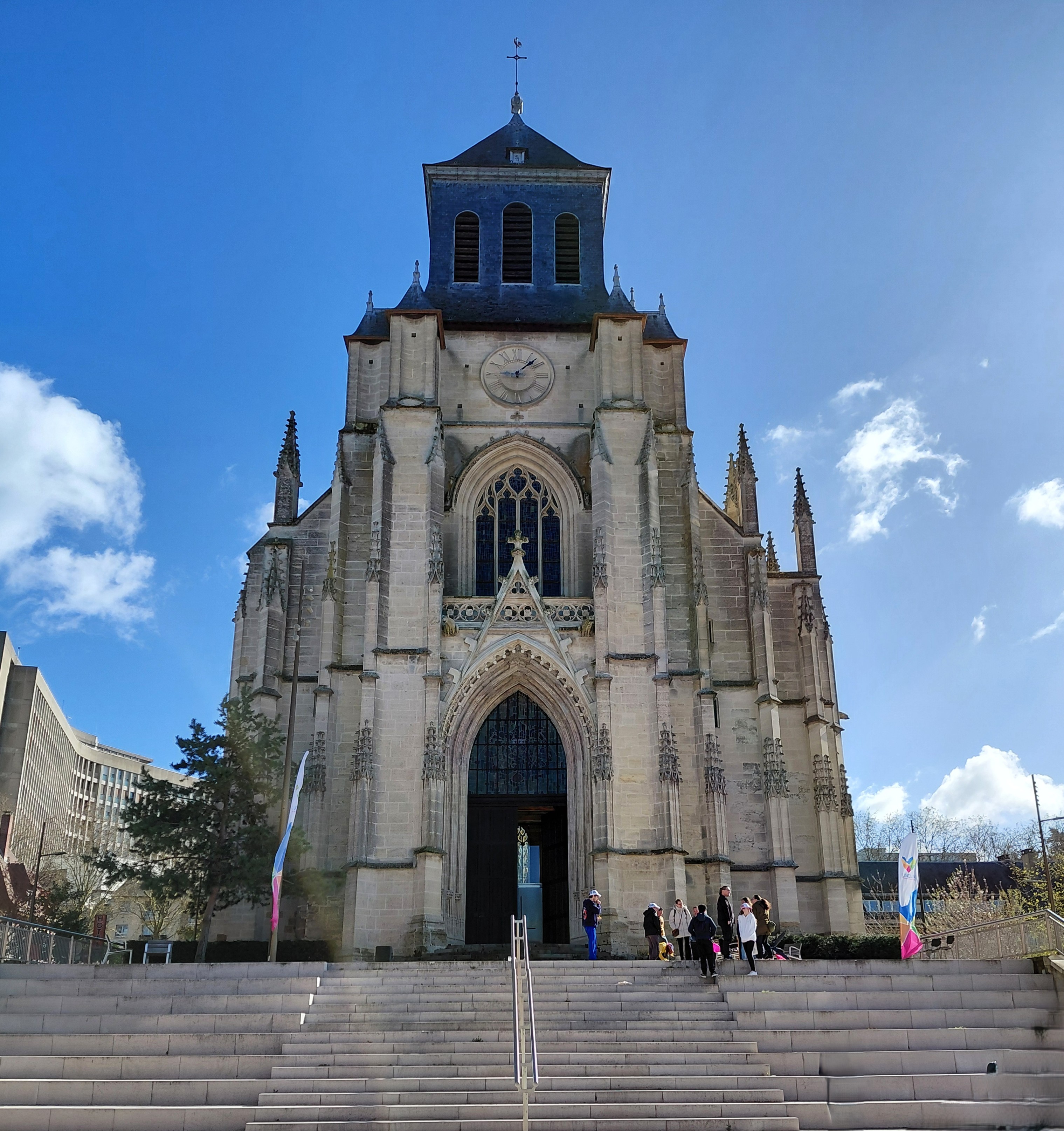
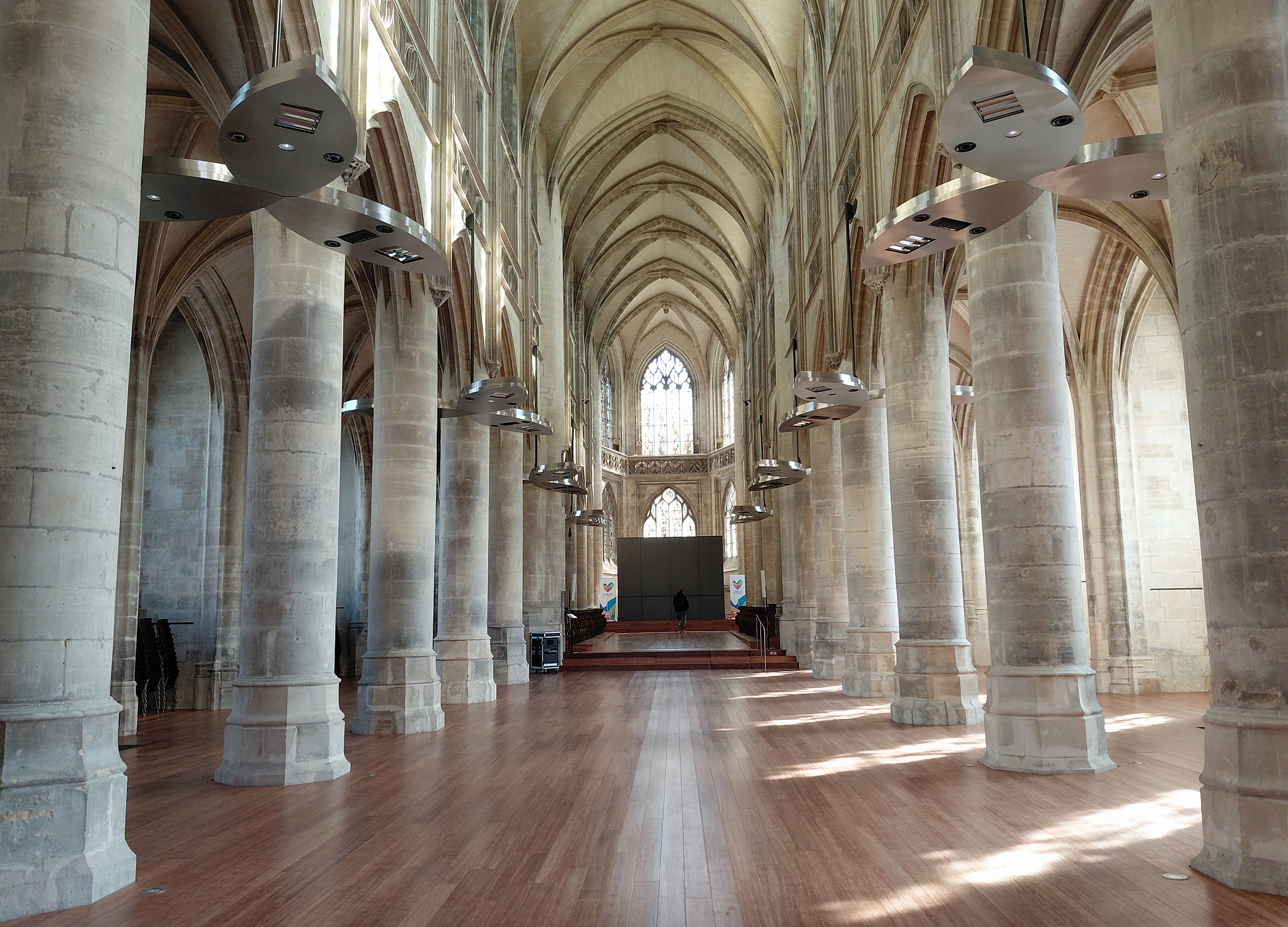
We had the morning to explore Lisieux and visited the 15th century Gothic Church St-Jacques which was badly damaged in the Second World War. It is no longer a functioning church and is now repurposed as an exhibition space.
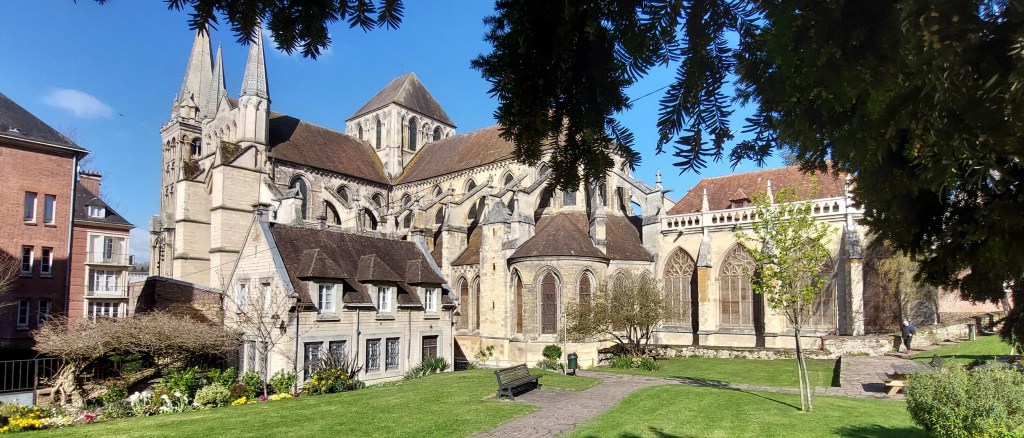
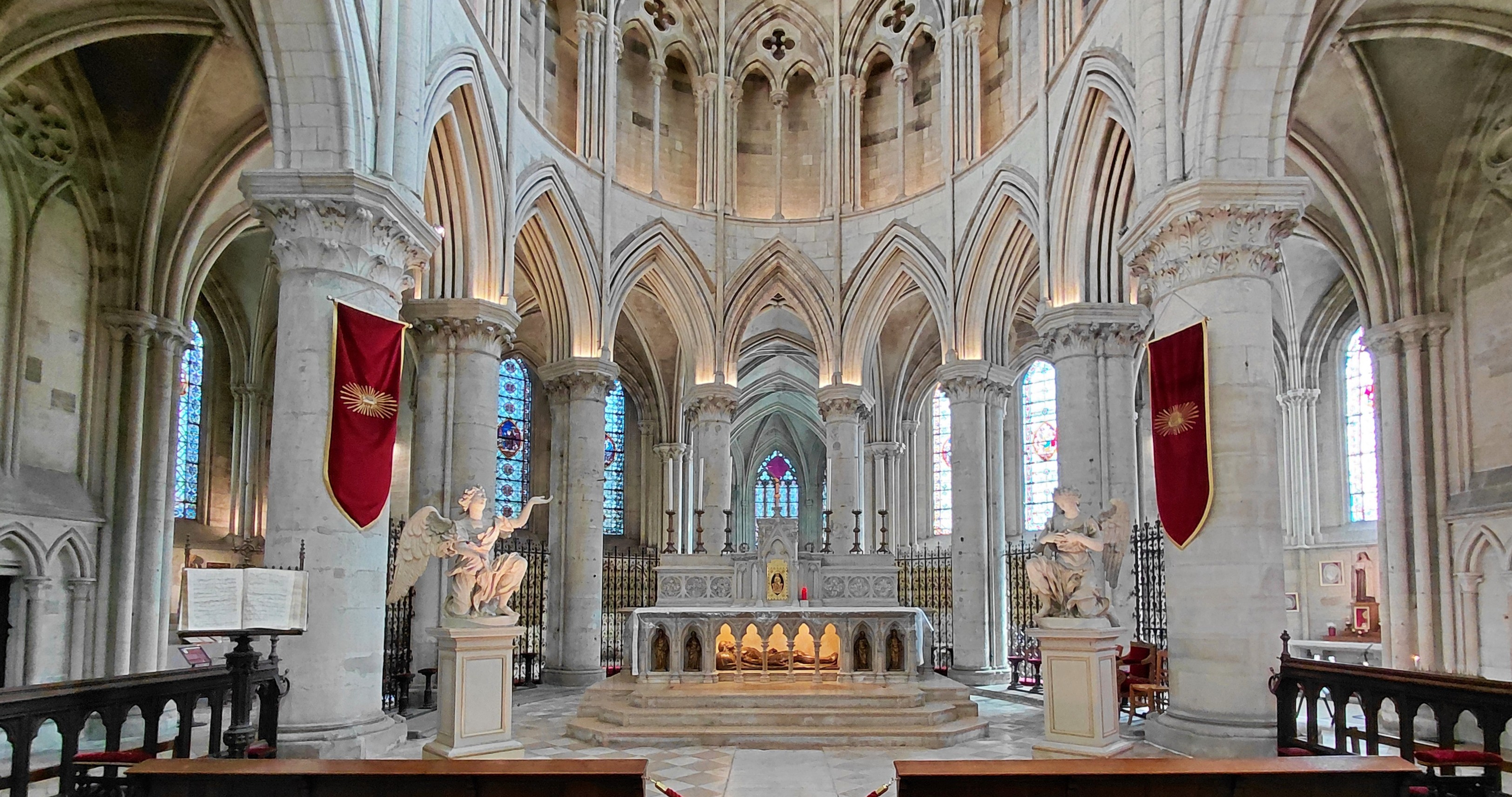
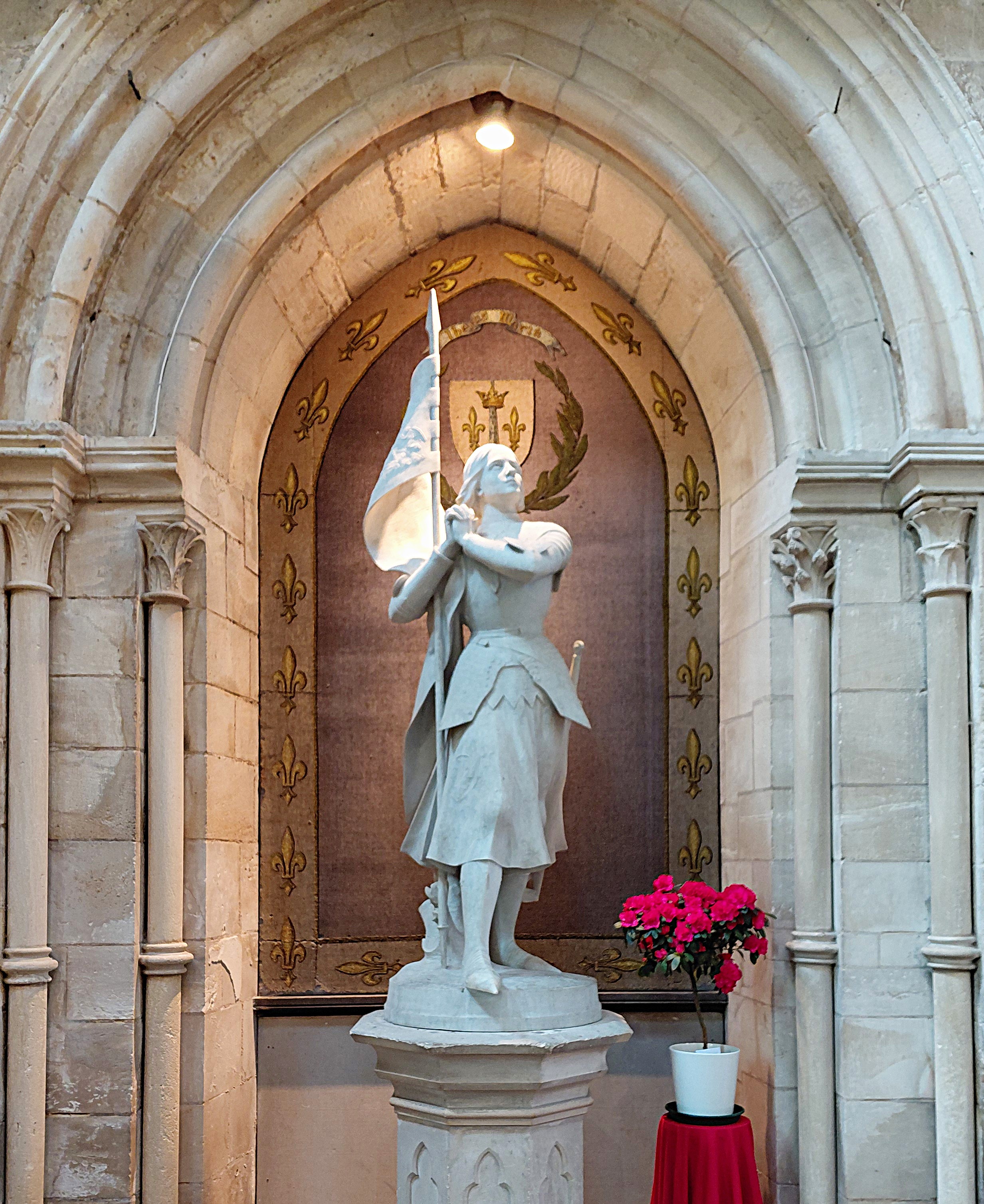
Cathédrale Saint-Pierre was completed in the 13th century and was where St Thérèse used to attend mass in her youth. It also contains the tomb of Bishop Pierre Cauchon who oversaw the trial of Joan of Arc in 1431. The Cathedral survived the Second World War intact.
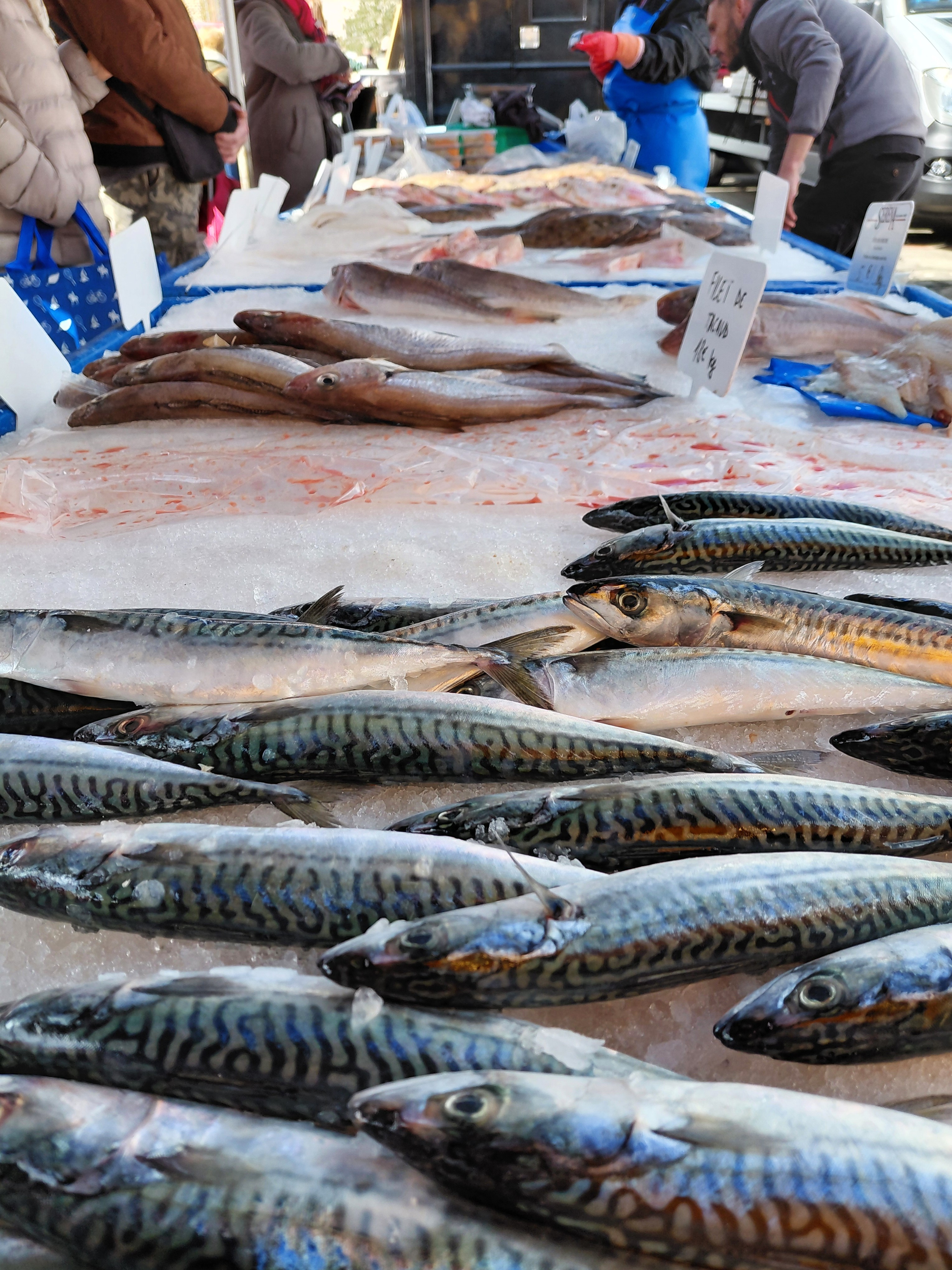
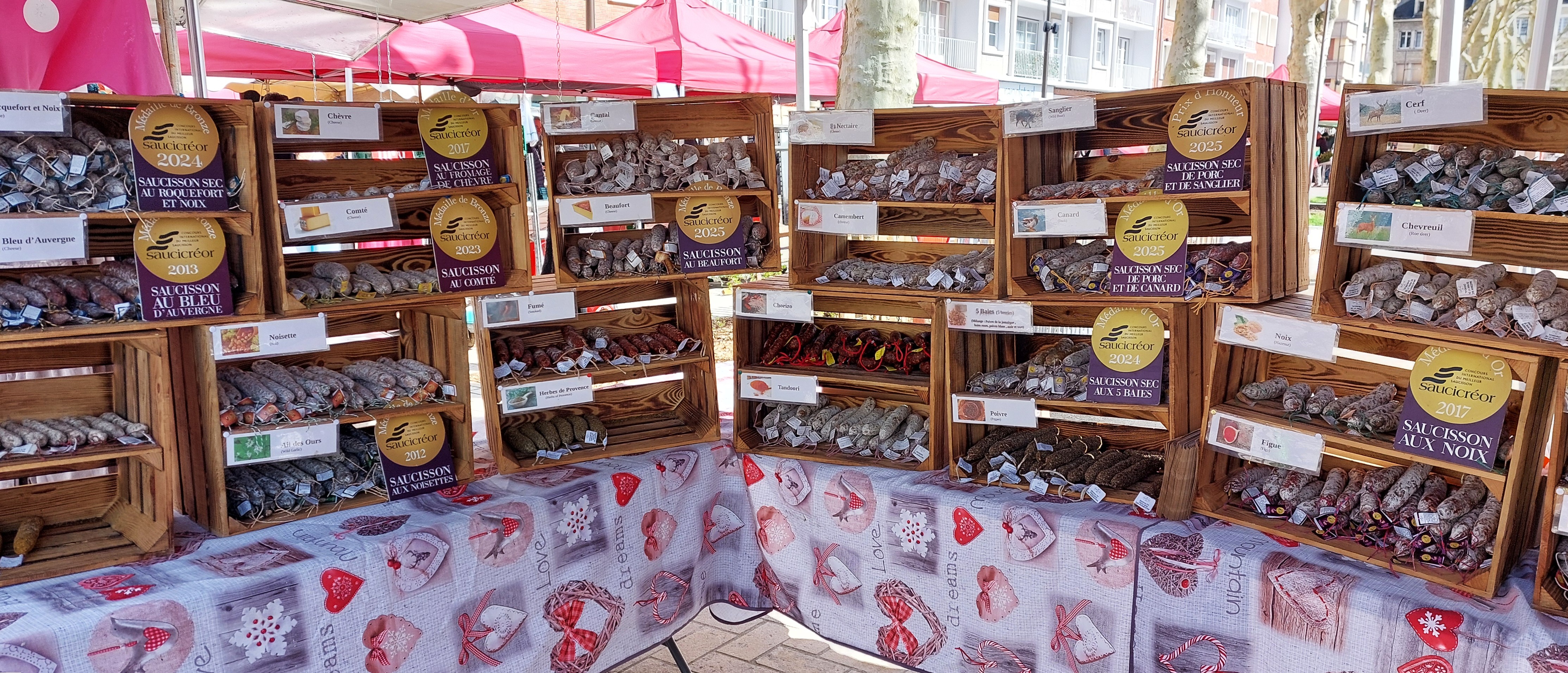
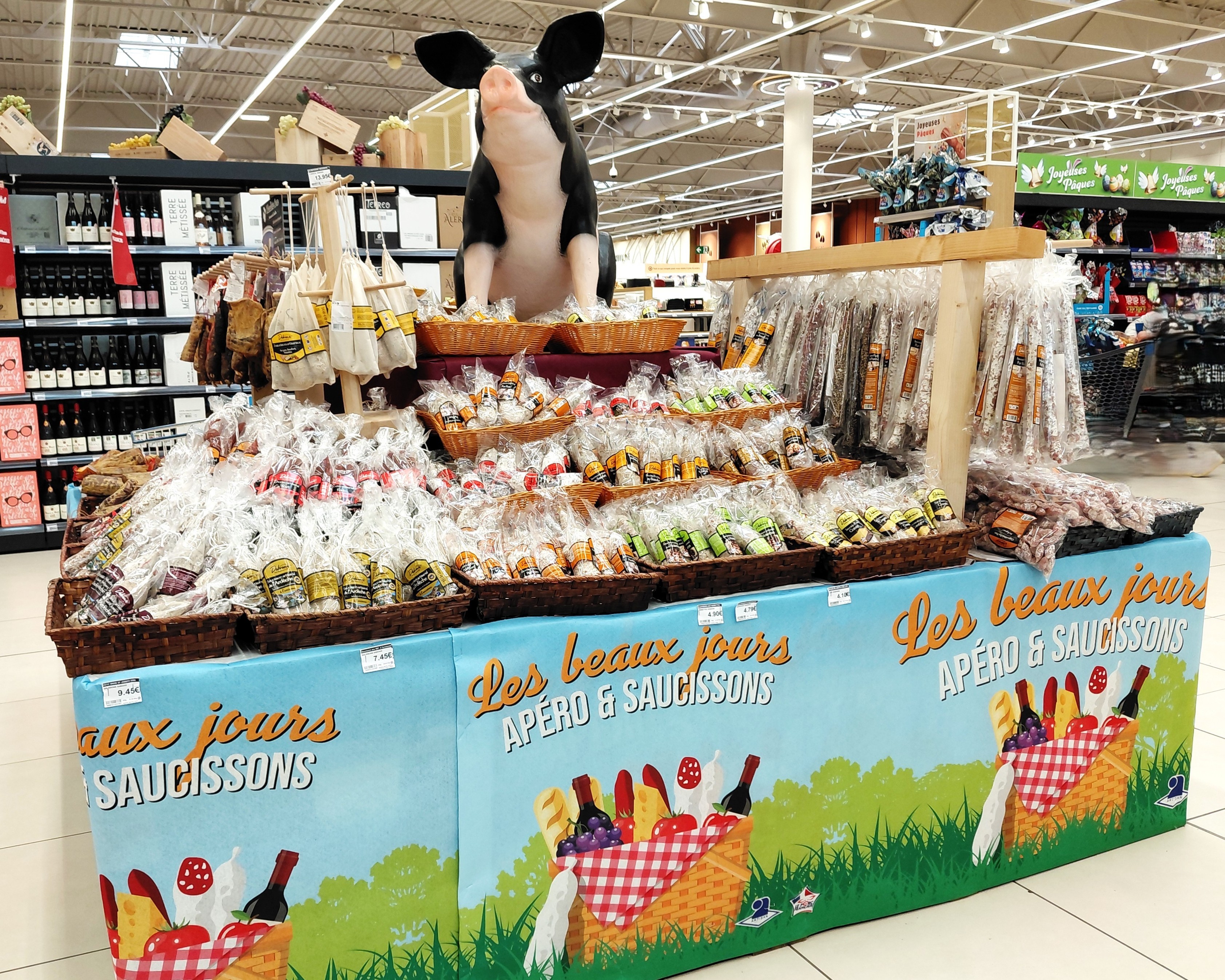
It was Saturday and that meant it was market day [it’s also on a Wednesday]. We thoroughly enjoyed choosing local saucisson, cheese and bread for our lunch. I wish we had local markets [and food] like this in England!
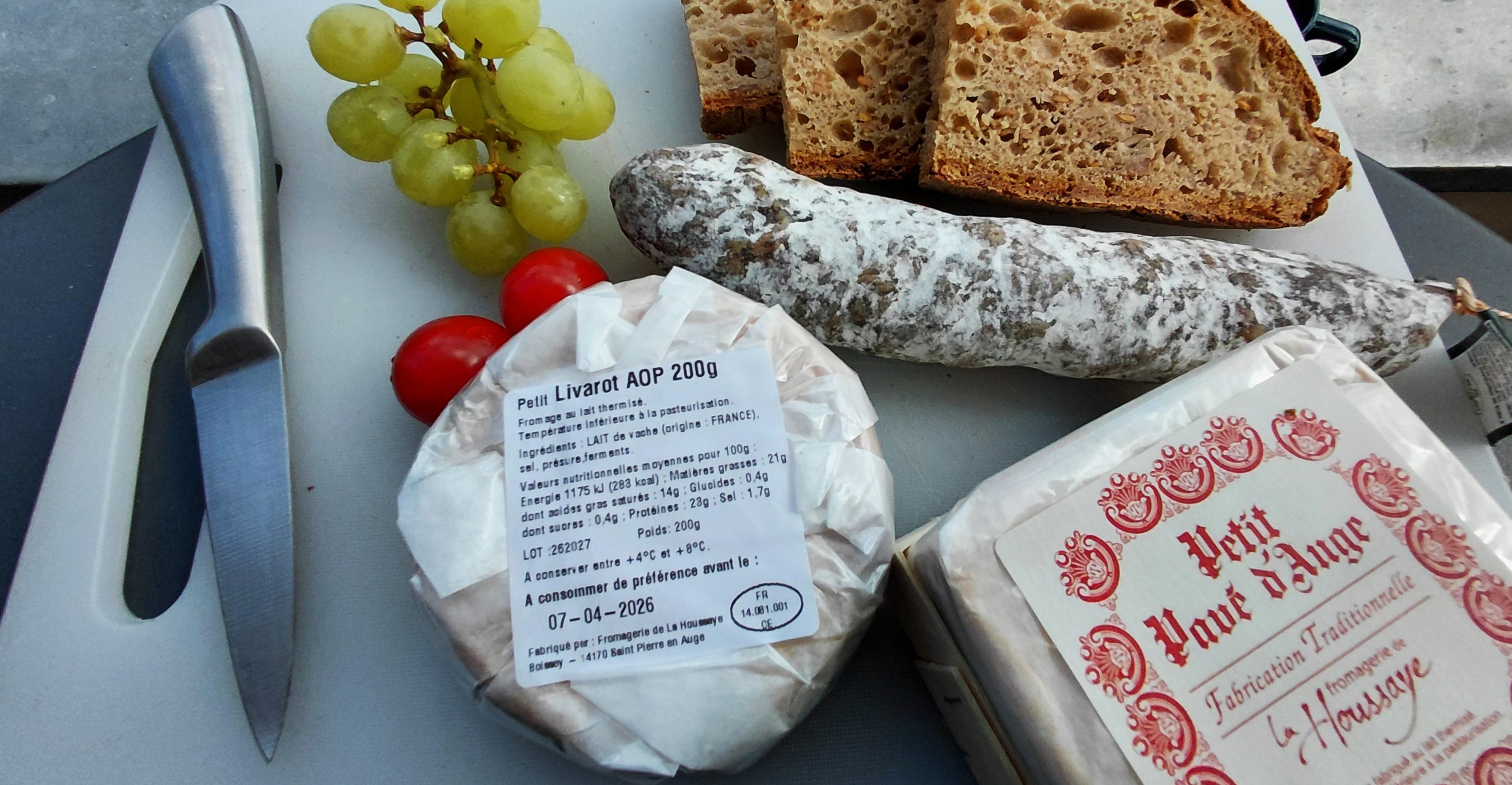
We had our lunch on our small balcony, it was just perfect. This started off a much enjoyed routine for this trip – sourcing local food for a picnic lunch wherever possible.
Exploring the Pay’s D’Auge
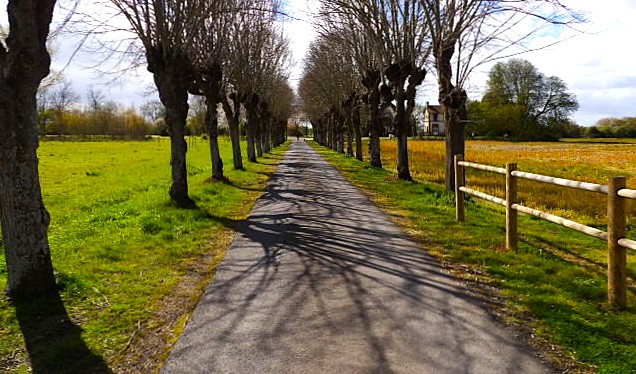
After lunch we had the afternoon to explore the area by car. The lush countryside of the Pay’s d ‘Auge lies to the south of Lisieux and the area is well known for its cheese and cider. Leashia and I are both cheese lovers as you may have already guessed from our lunch.
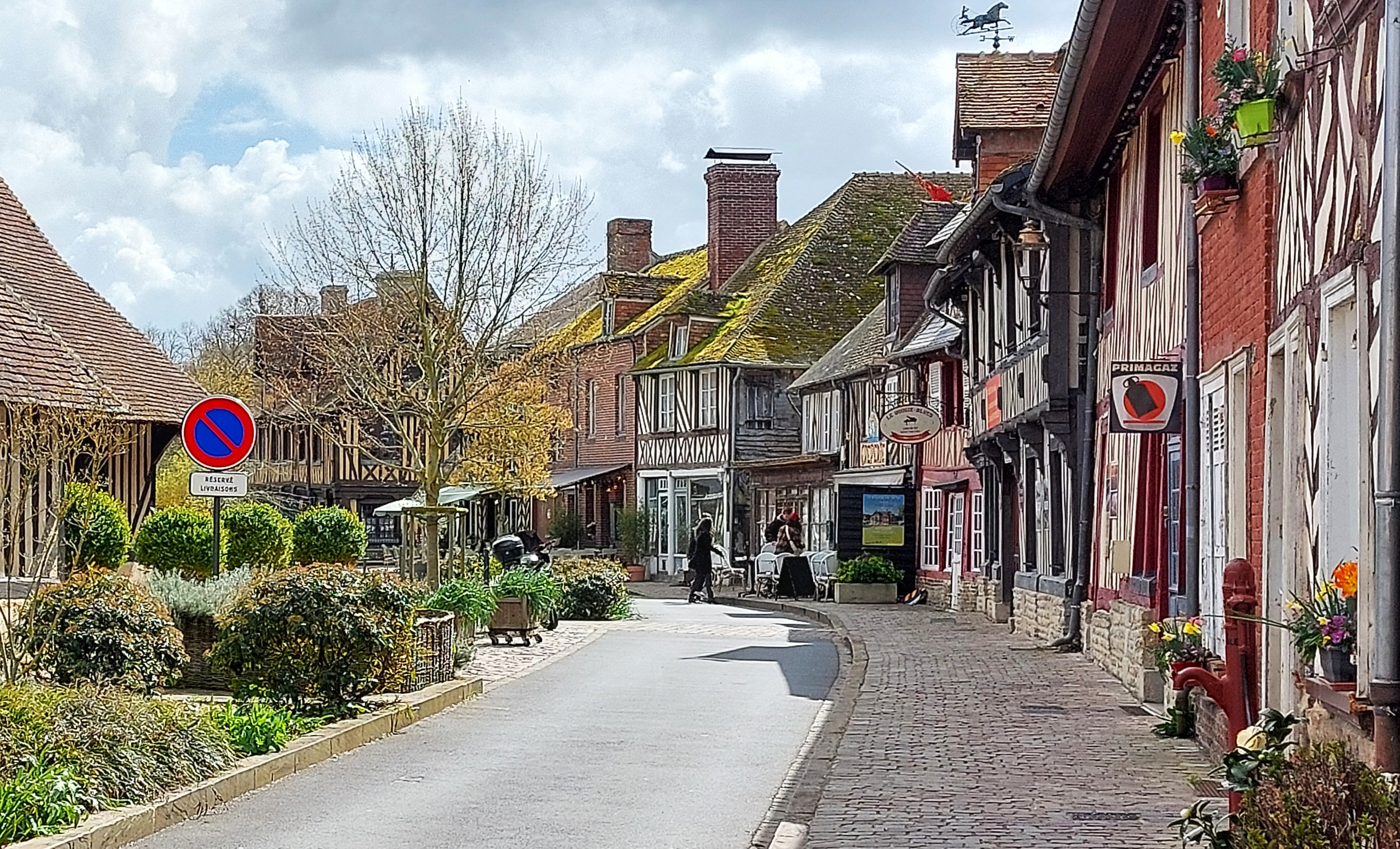
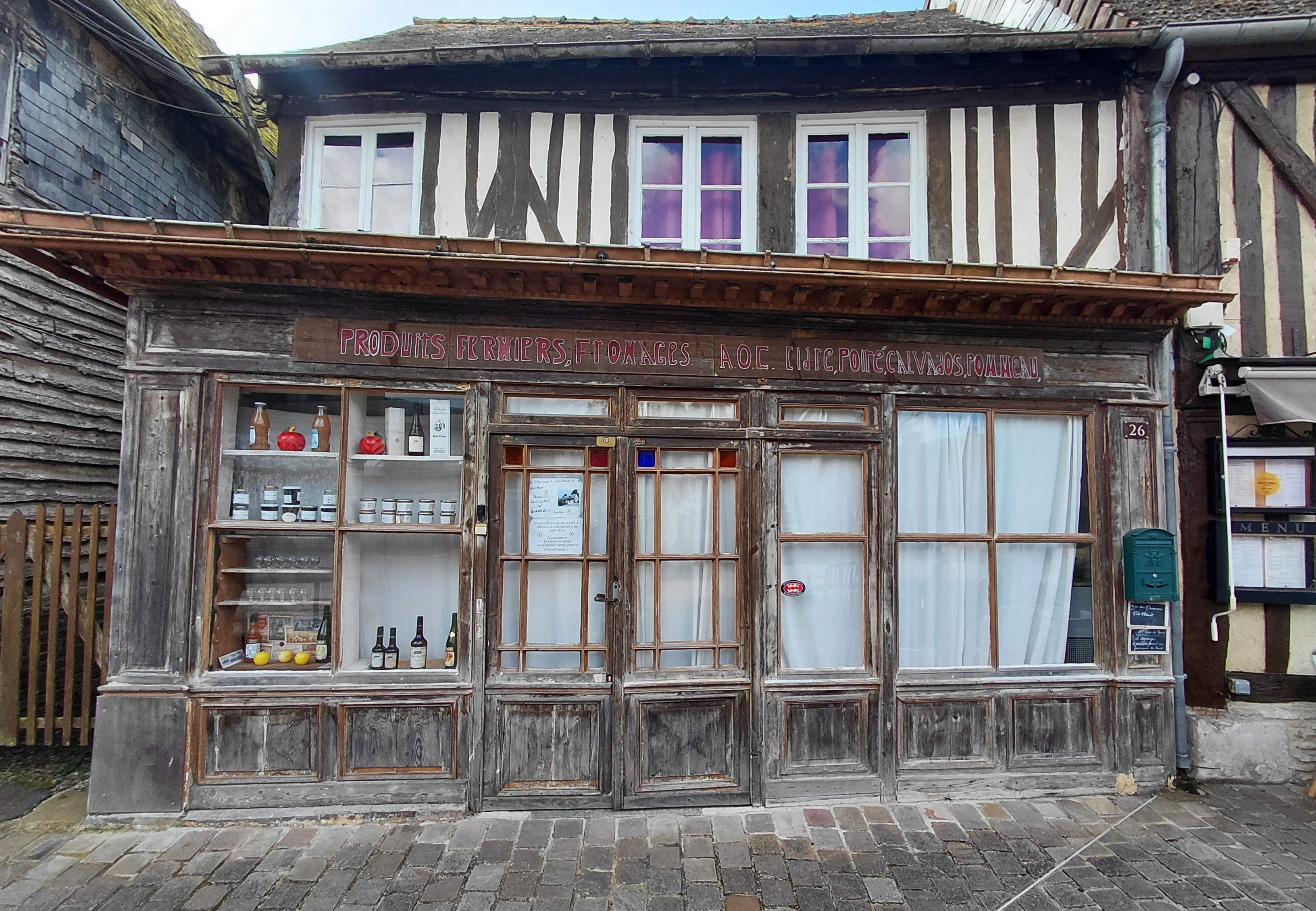
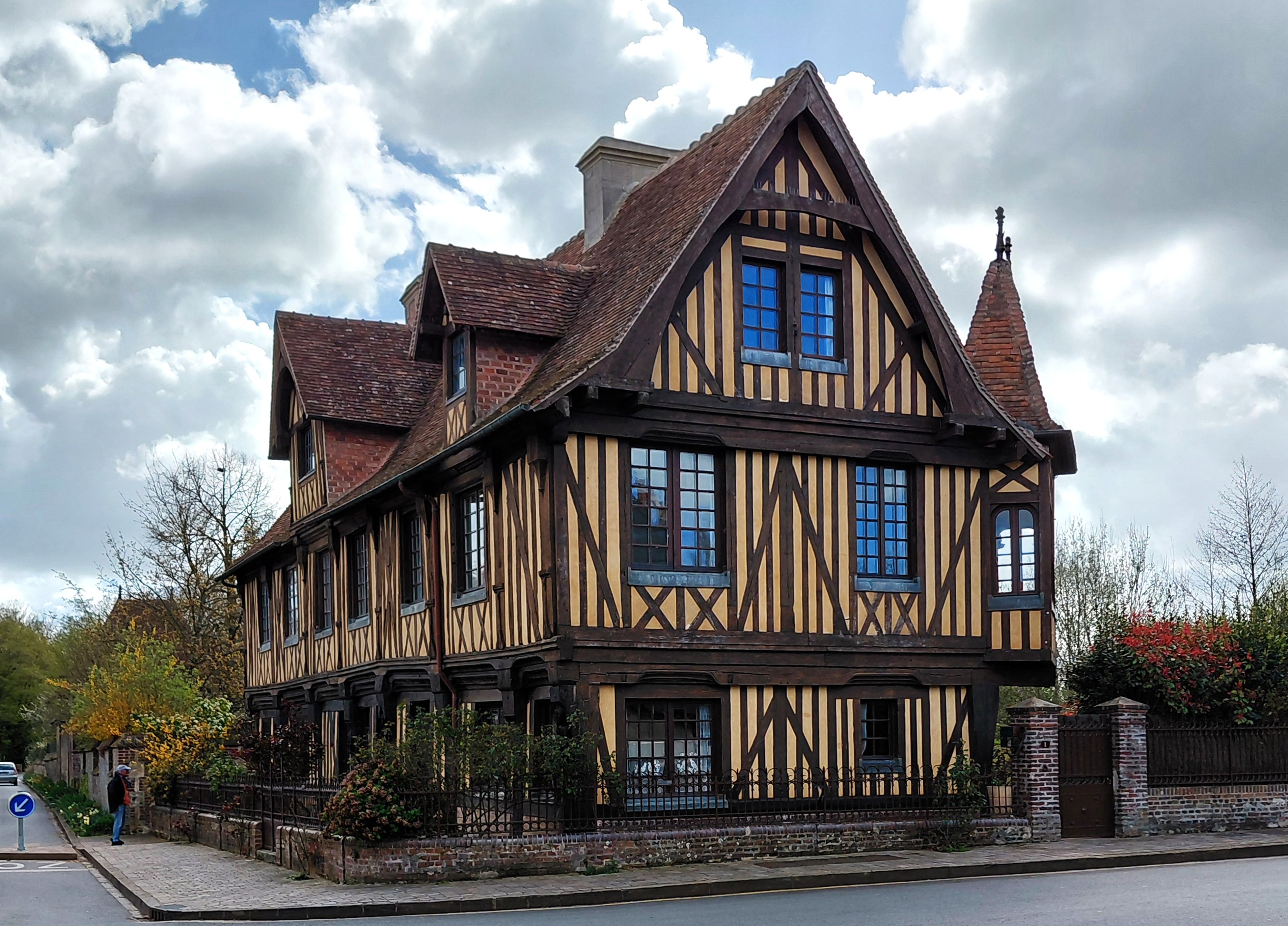
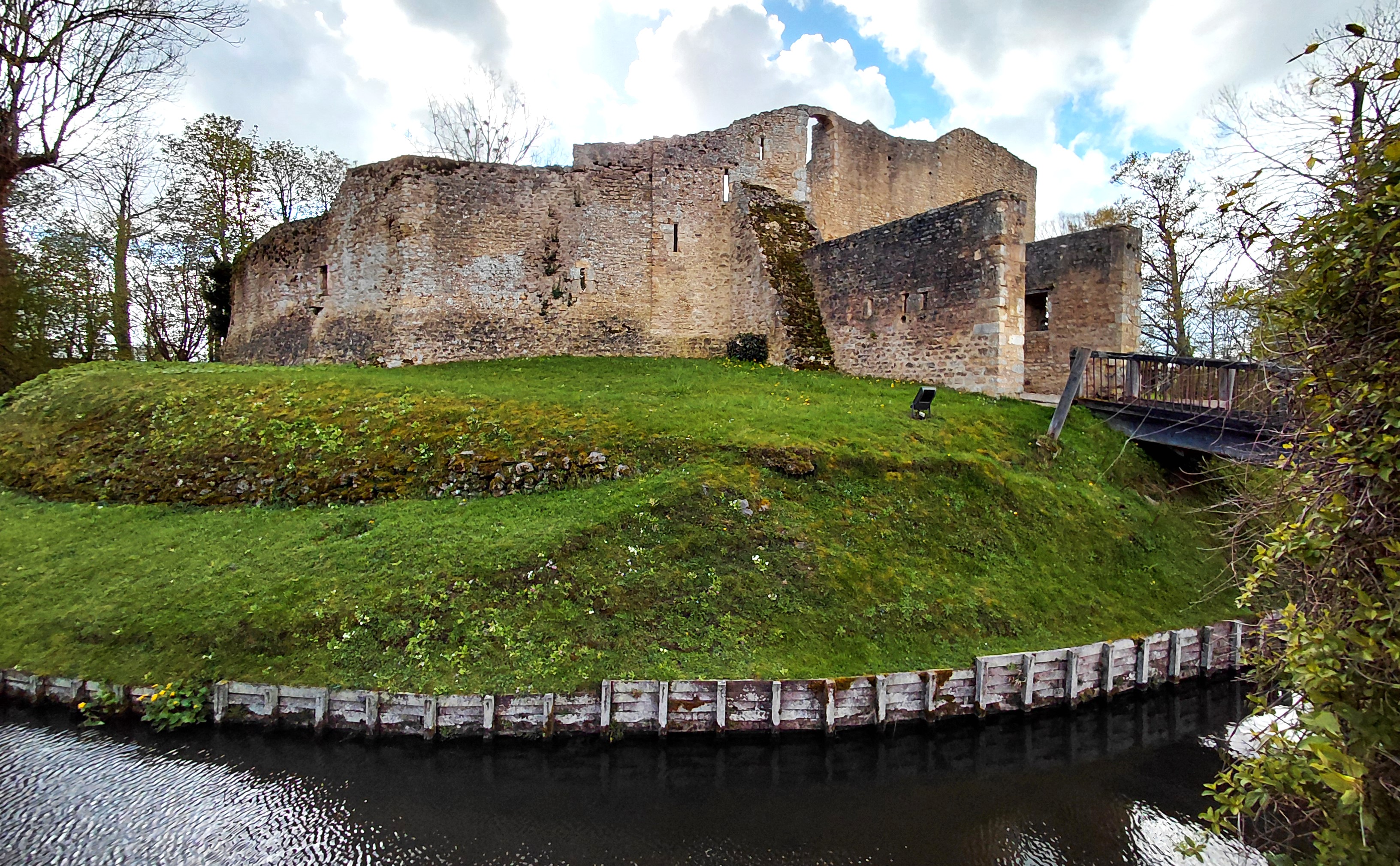
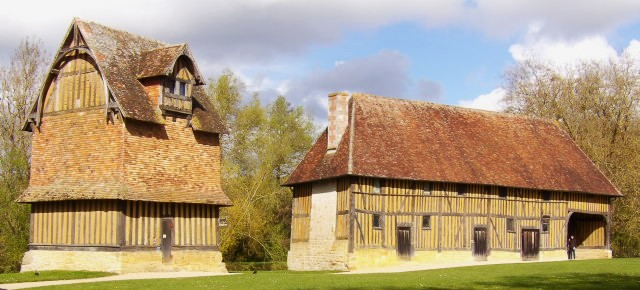
We headed first to the little village of Bevron en Auge [see photos above], which is well known for its pretty half timber houses. We also visited Château de Crèvecœur , a restored castle with outbuildings and museum, [photos below]. It’s ideal for kids and we enjoyed our time here, even though we had no kids with us.
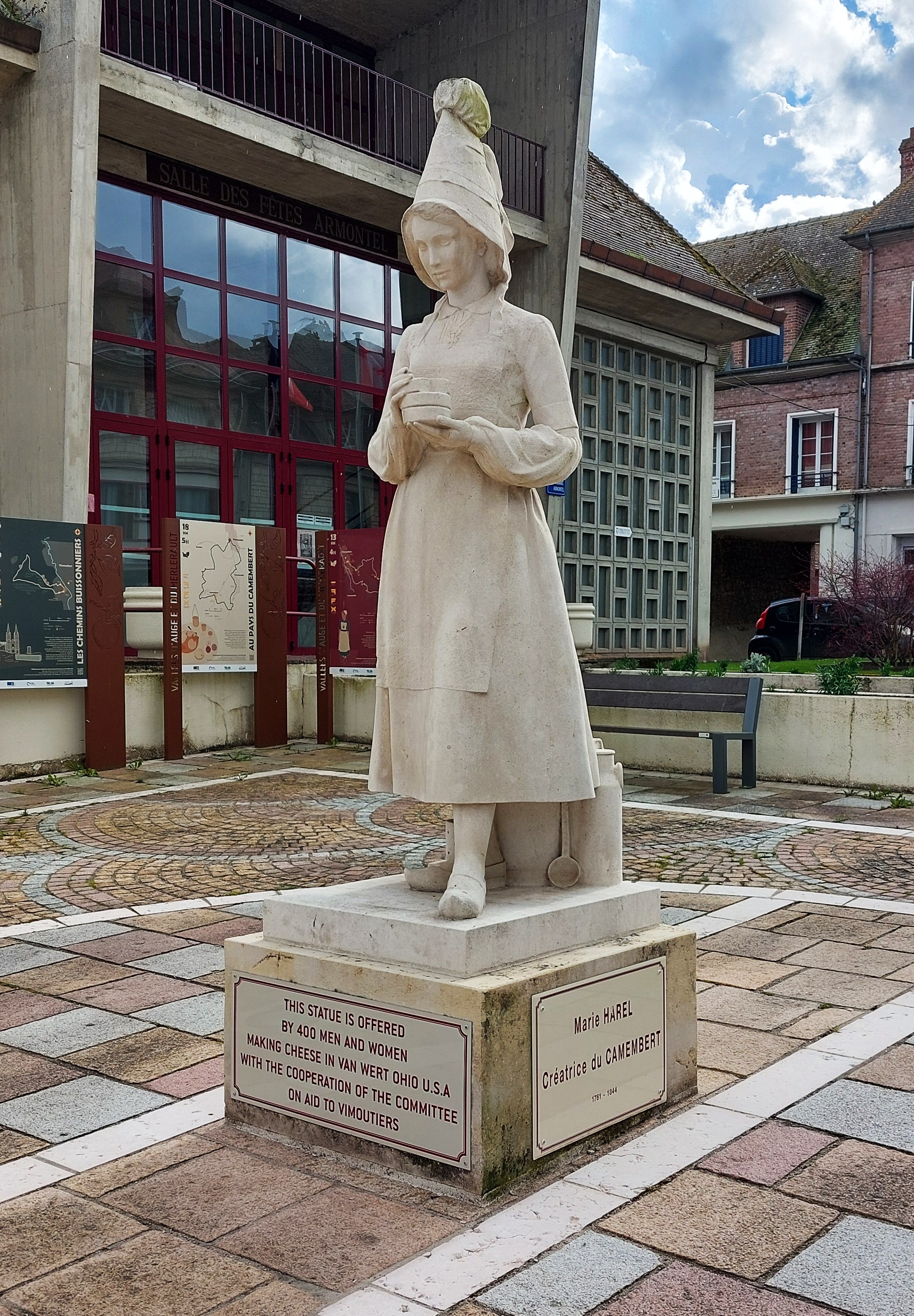
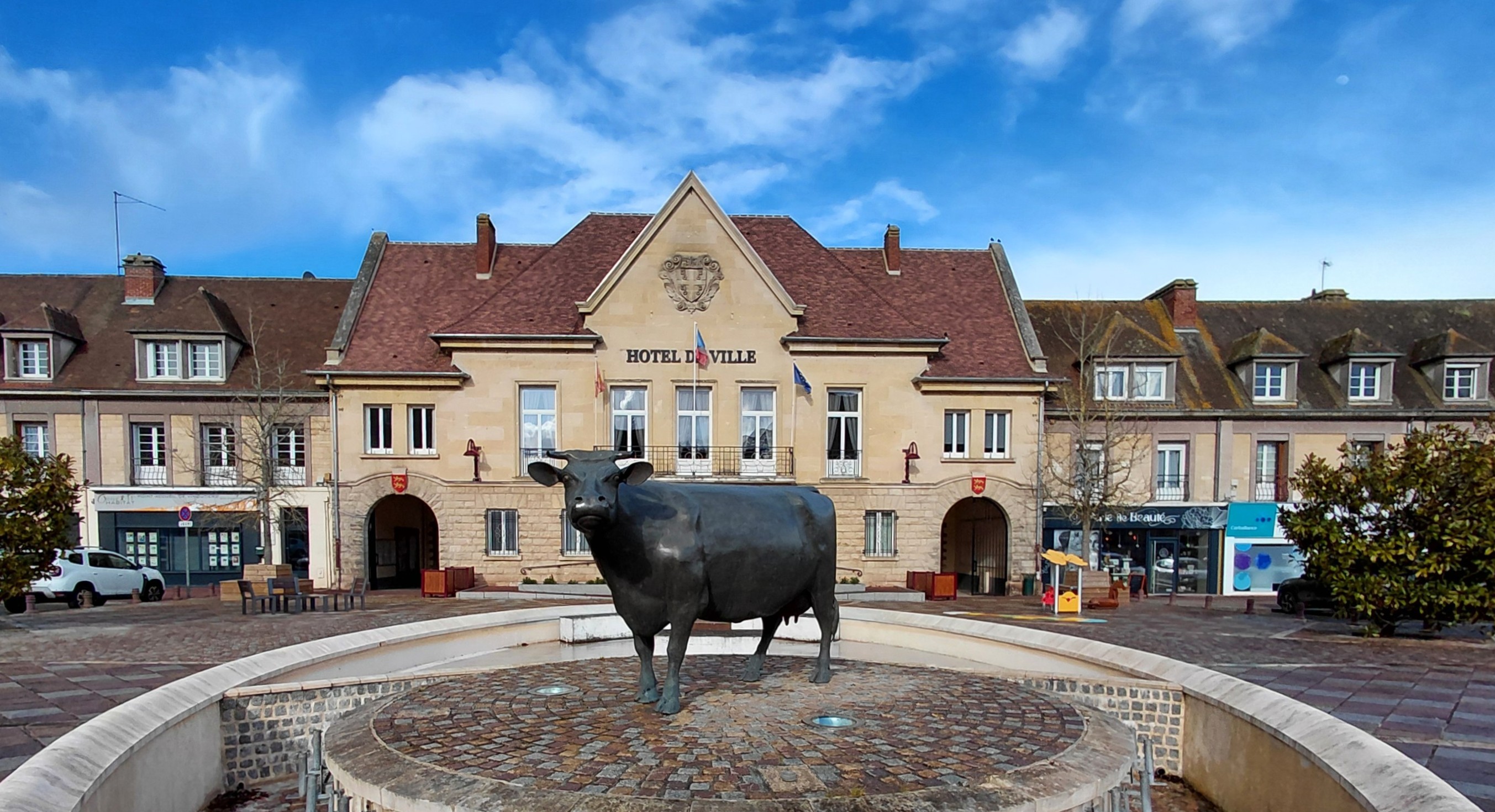
Vimoutiers was our next stop and we were most grateful to find a public toilet near the Town Hall. There was a handsome cow in the village square and a statue of Marie Harel who is credited with inventing Camembert cheese in 1791. We then walked to the Eglise Notre-Dame which was built in the late 19th century.
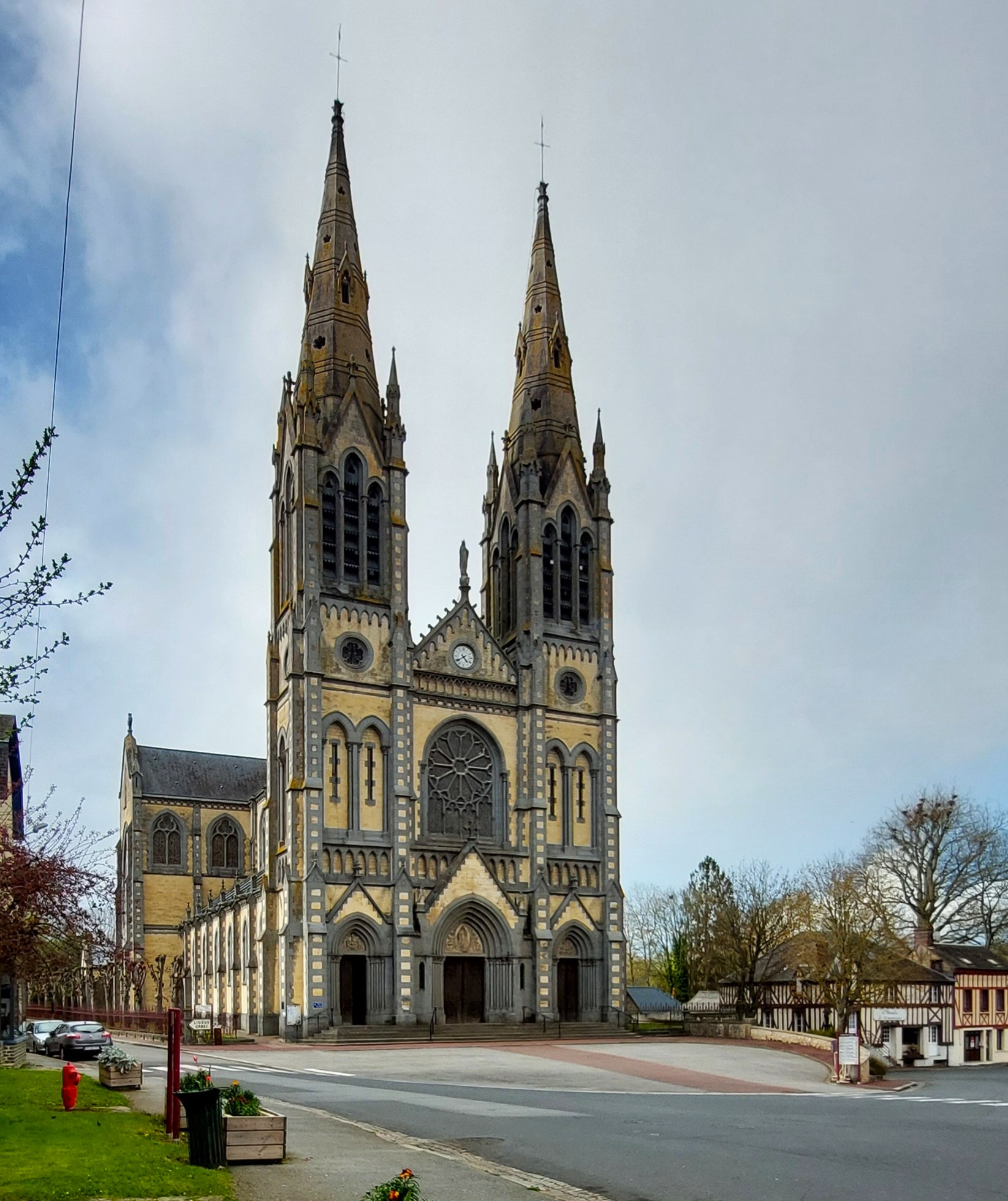
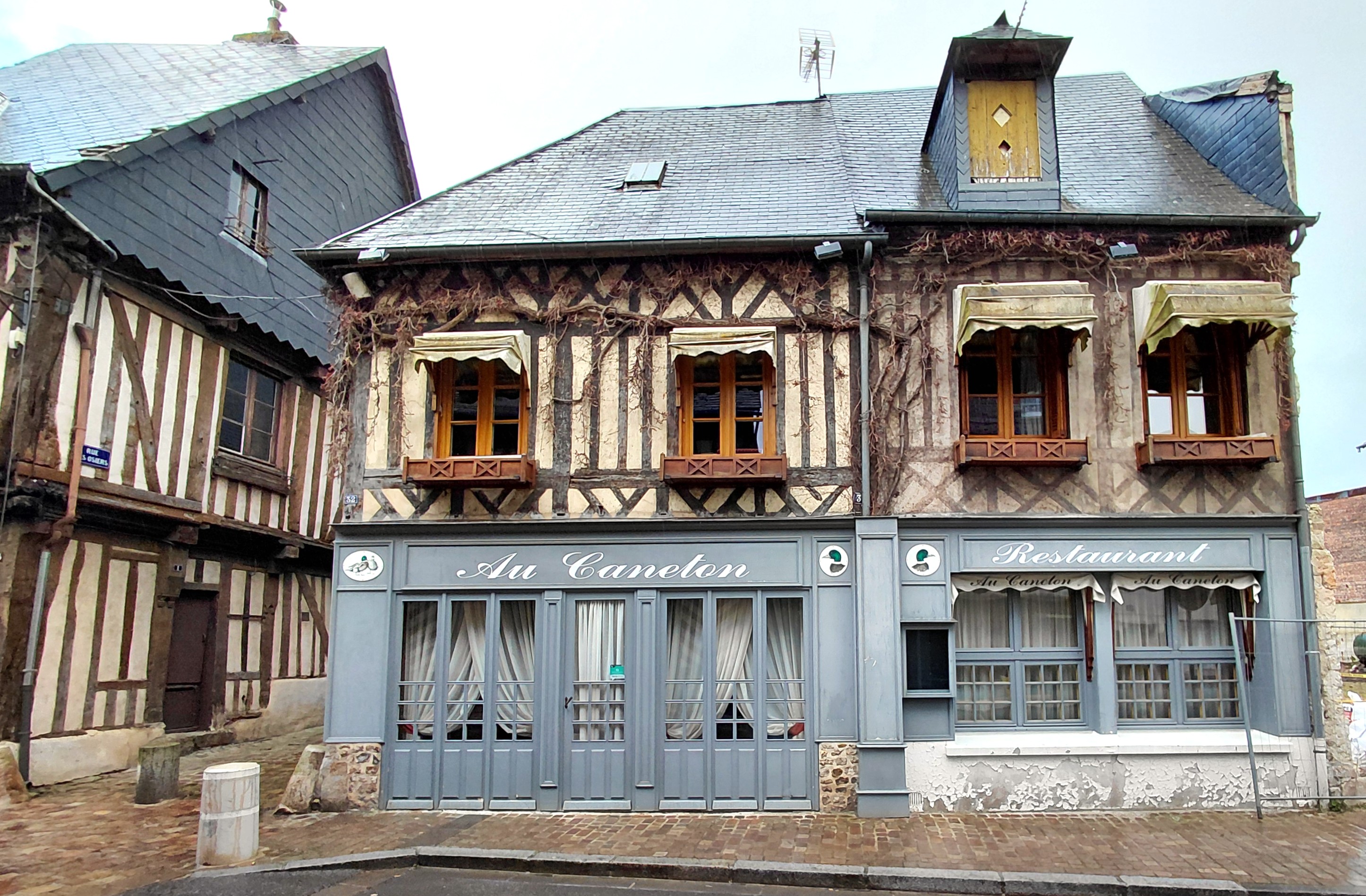
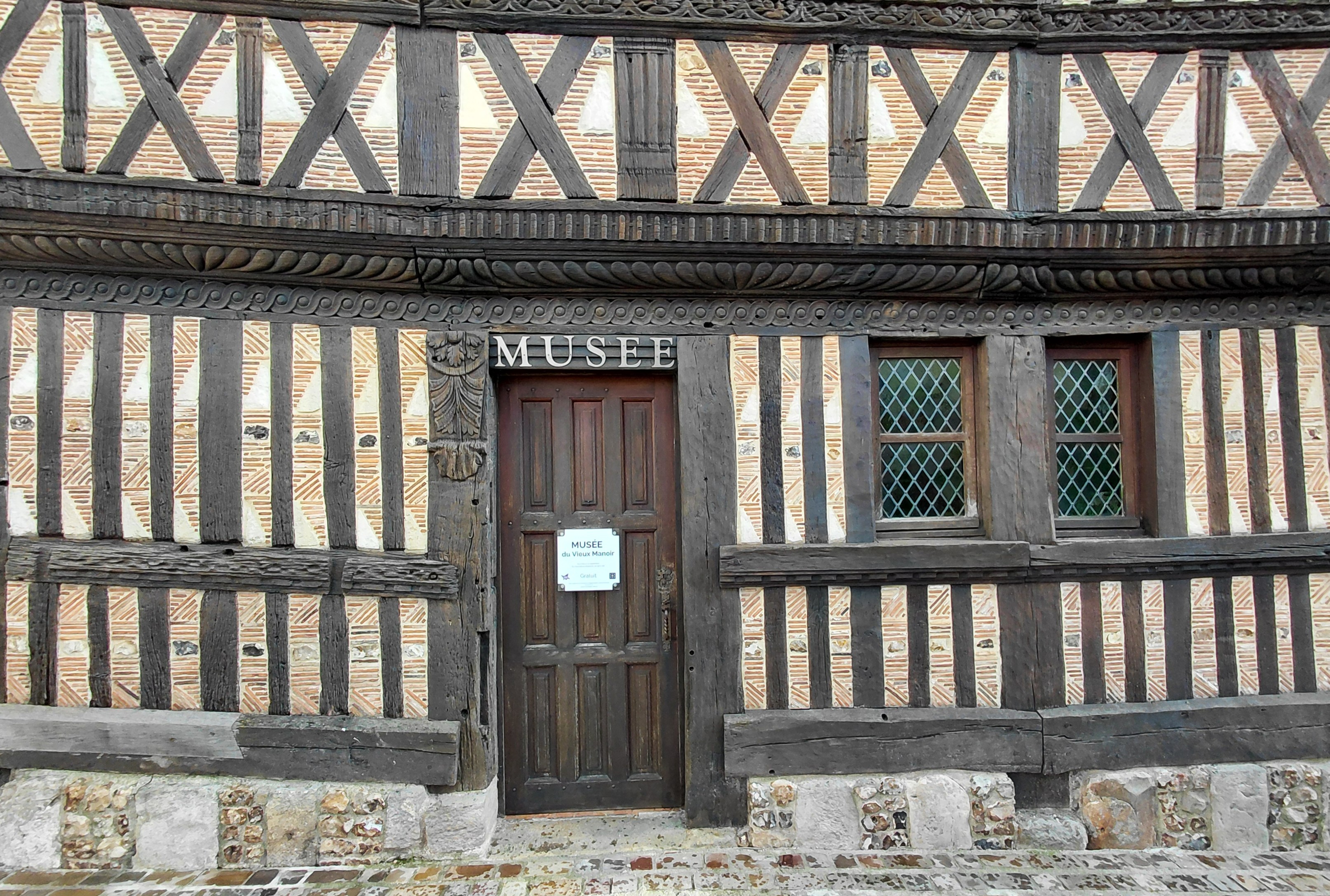
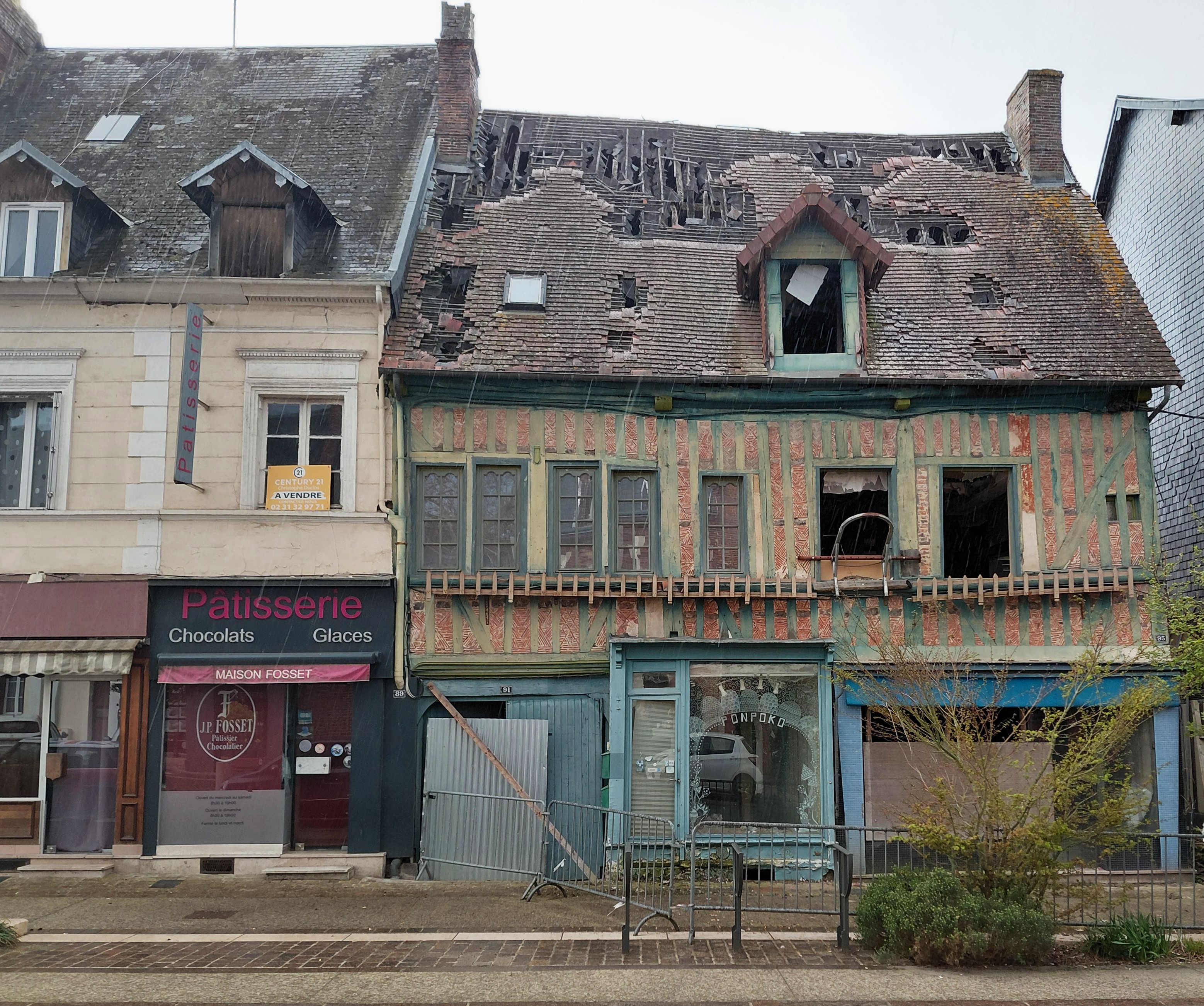
Camembert was not far away and it was a very sleepy hamlet indeed, [the museum was closed]. We stopped briefly at Orbec to look at the pretty timber and tile houses [in various states of repair] and drove through Livarot on our way back to Lisieux.
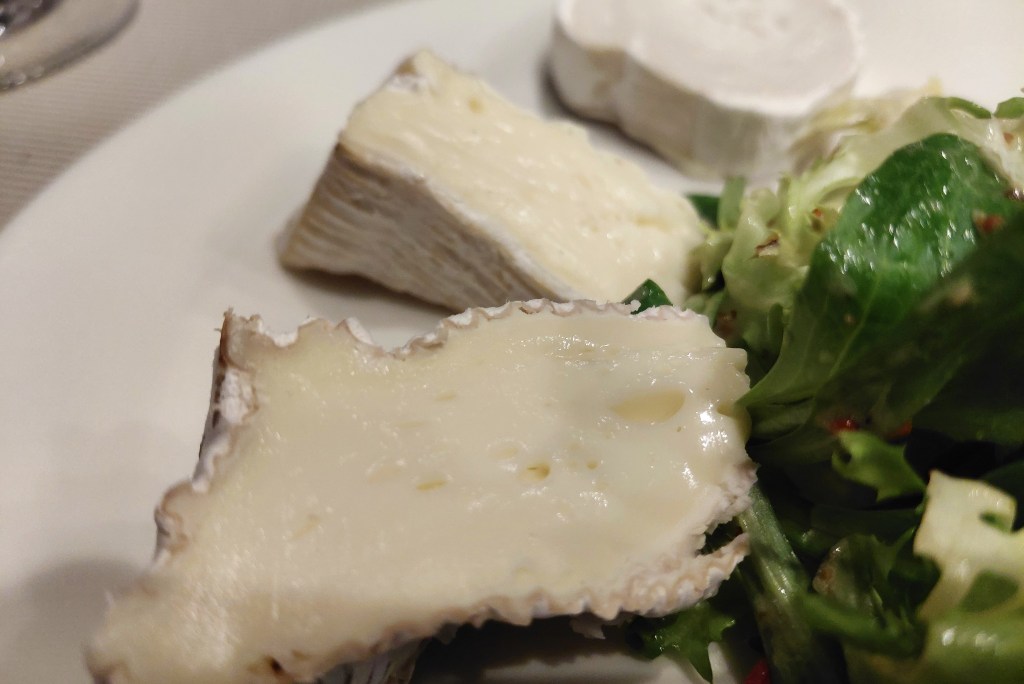
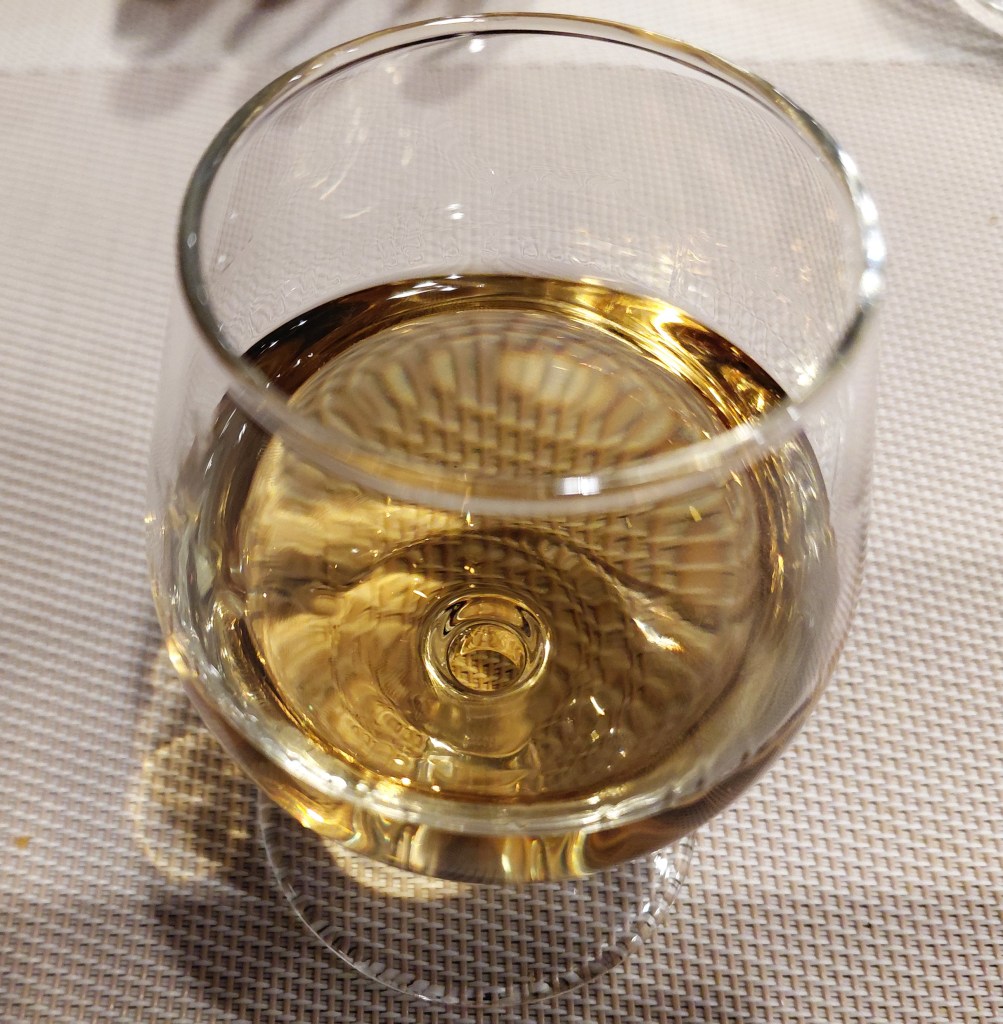
We ended the day with a pleasant dinner at Au Bistrot Gourtmand, the highlight for me was the local cheese washed down with Calvados. Poor Mrs Lyons found it all a bit too much and was very sleepy but did manage to enjoy her apple crumble.
Day 4 To Bayeux, Normandy
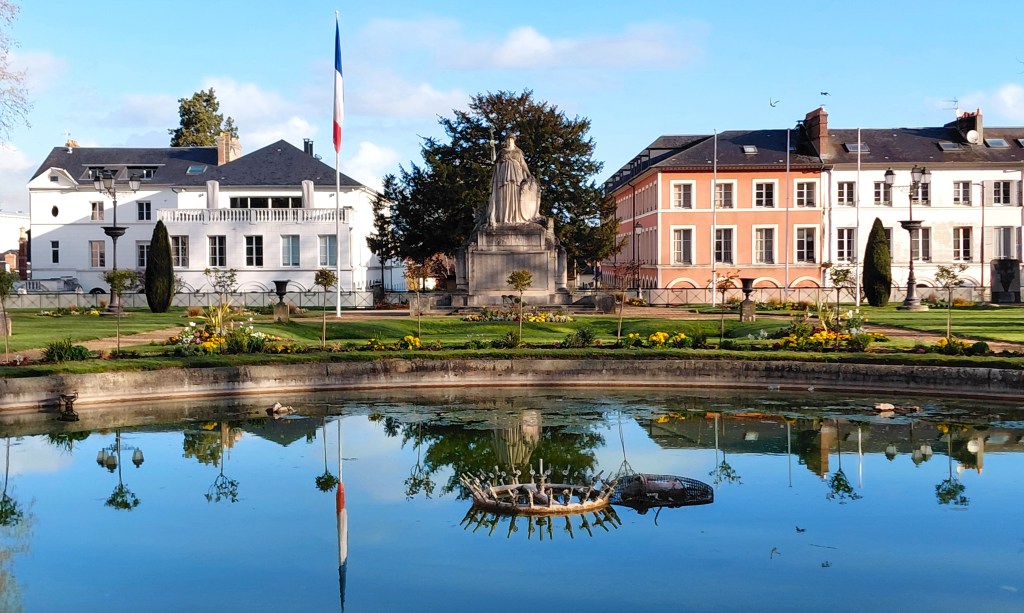
We started off the day by having a wander around the Jardin de L’eveche in Liseux. The Garden’s origins go back as far as the 17th century but many of the features and monuments were added in the 19th century.
Pegasus Bridge Memorial and Museum
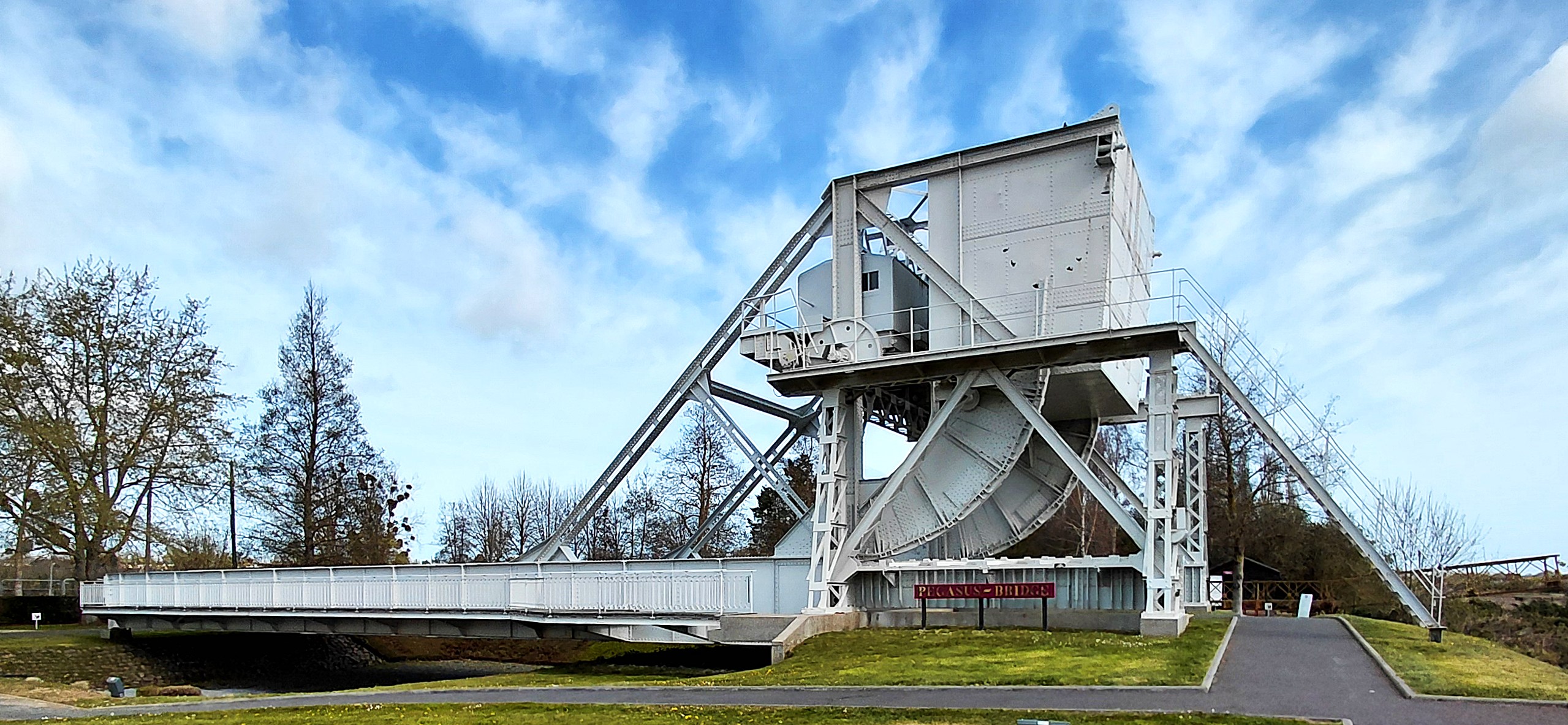
Our next destination was the Pegasus Bridge Memorial and Museum. which was about a fifty minute drive to the west of Lisieux. This was to be our introduction to D-Day. We did not know it at the time but the next couple of days was going to be an emotional rollercoaster.
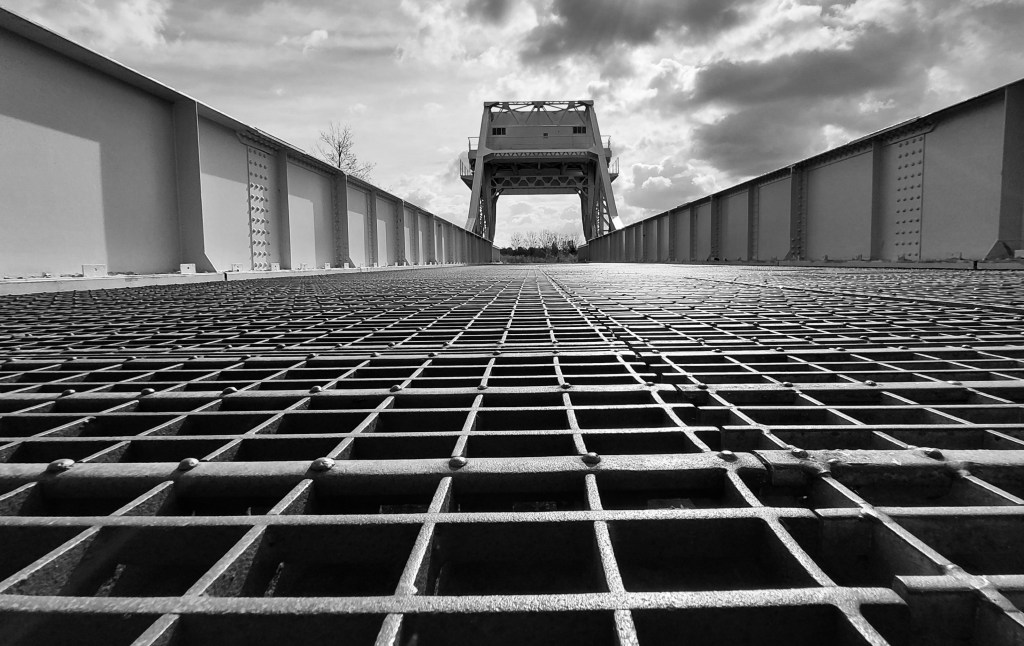
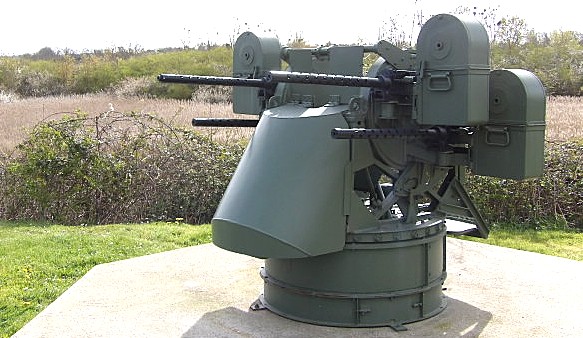
The iconic bridge has been moved from its original location over the Caen canal to its current home and is now a memorial. The excellent museum which is adjacent details the attack on the 6th June 1944 by the British 6th Airborne Division.
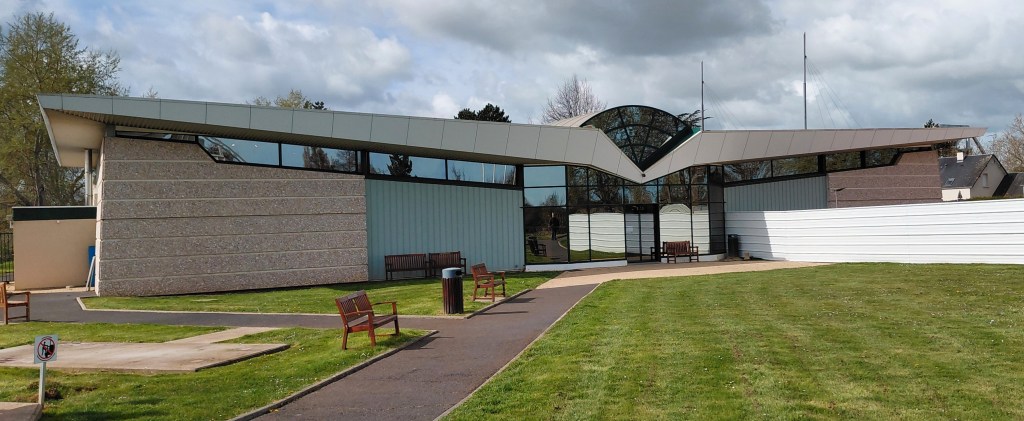
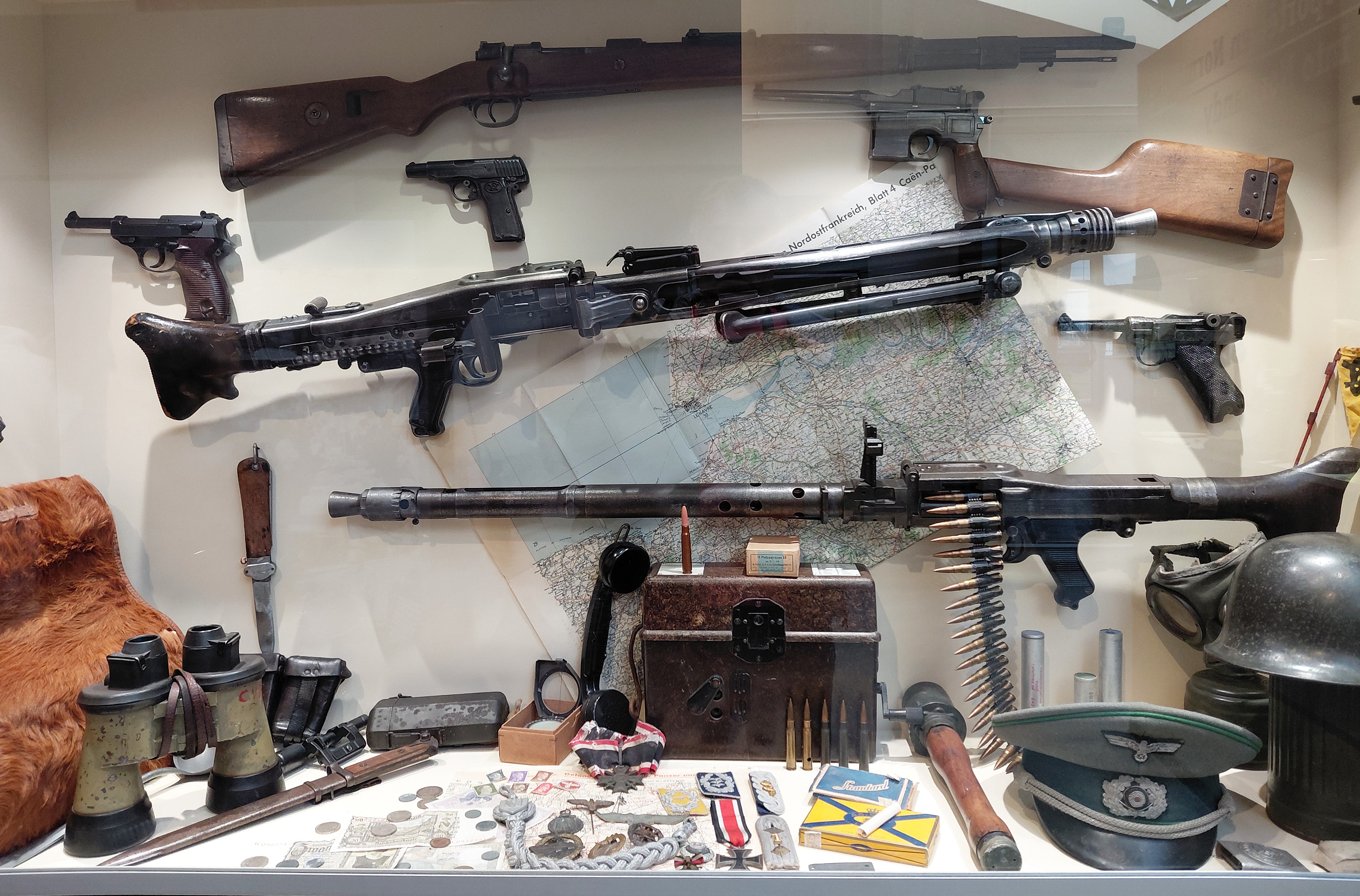
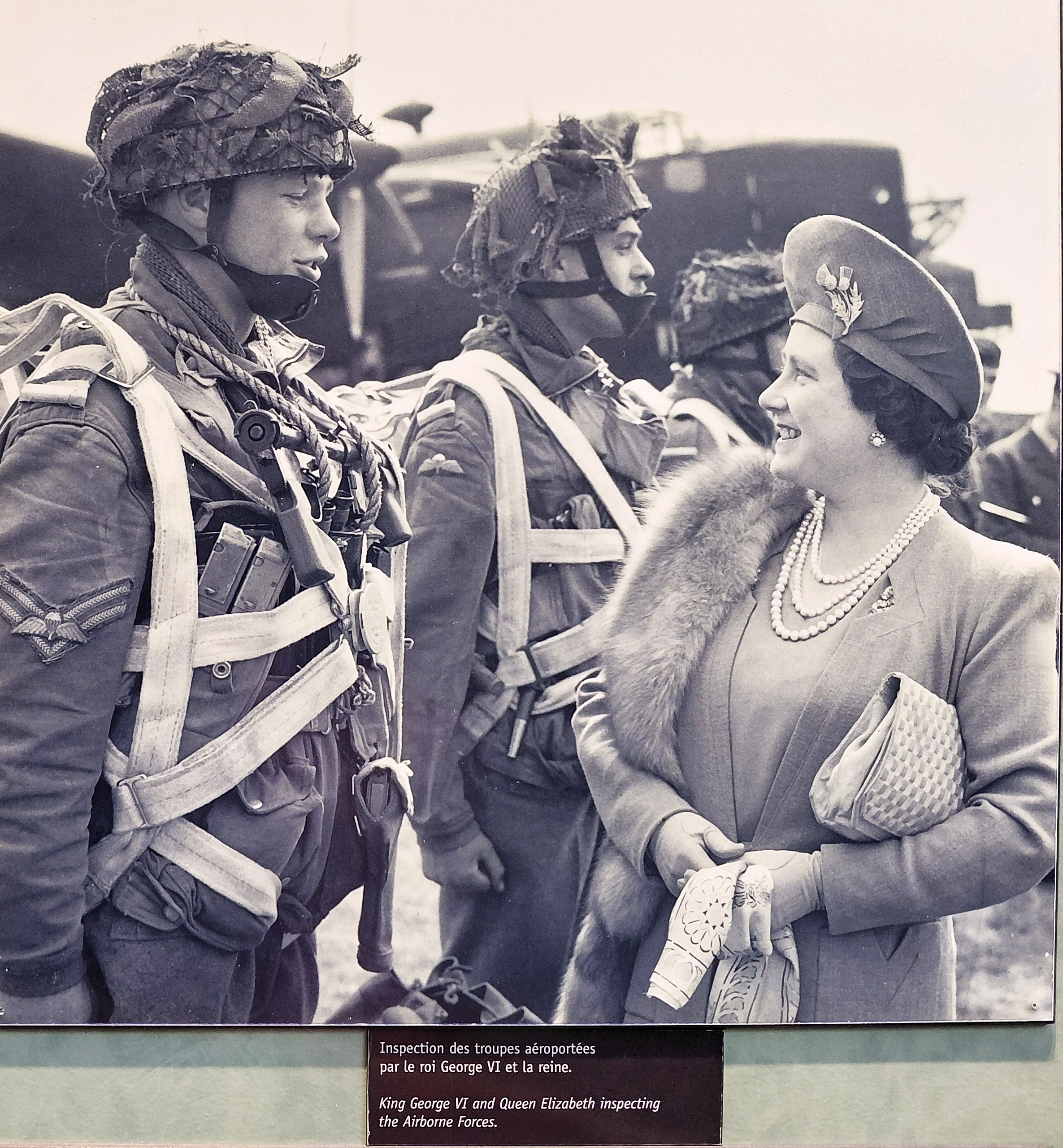
It is impossible not to be moved by the heroism and tragedy of the night time raid depicted through film, photographs and exhibits.
Caen Memorial
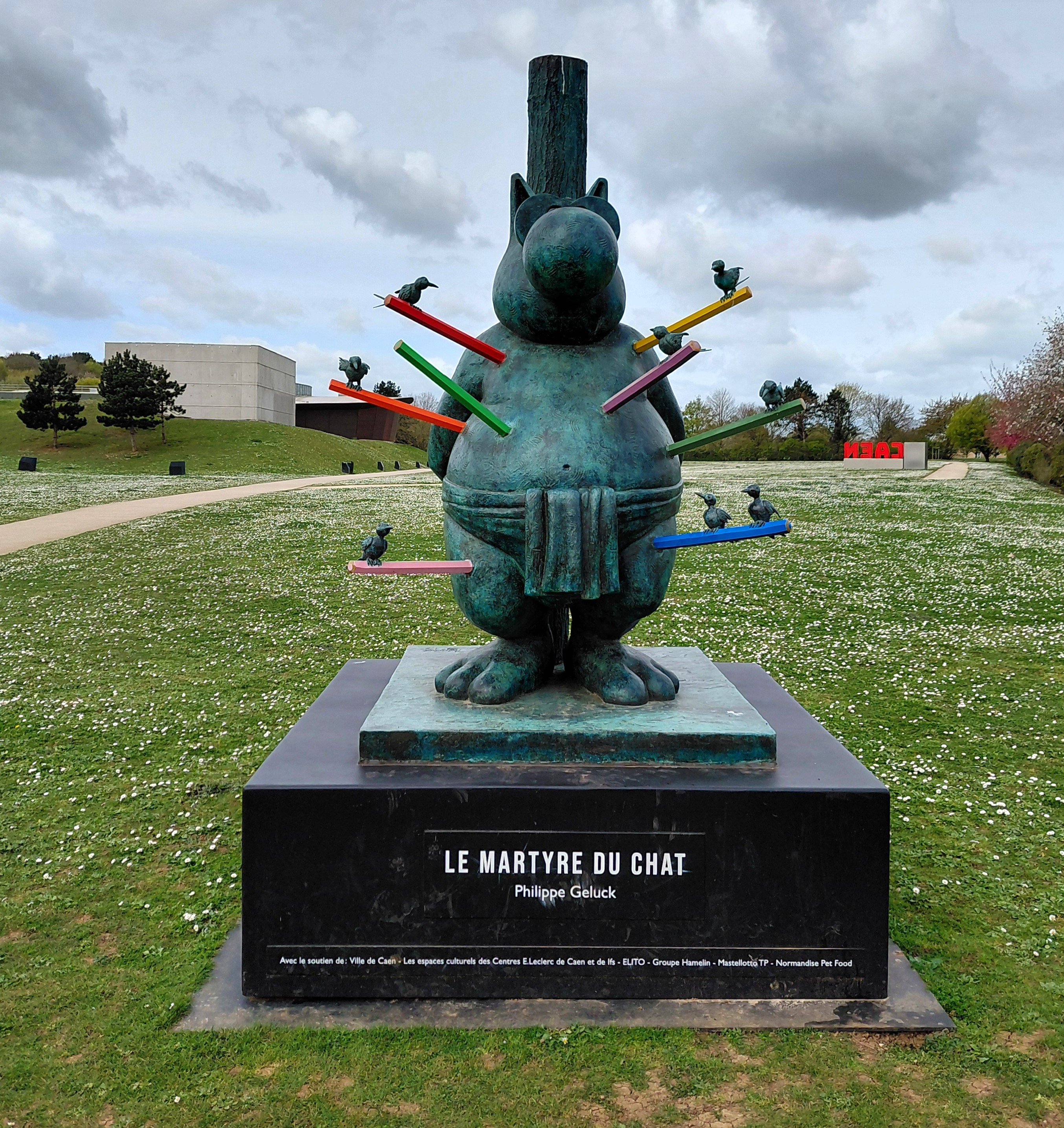
We spent a couple of hours at the Pegasus Bridge Memorial before heading off to the Caen Memorial which was only 15 minutes away. We ate our picnic in the grounds as planned before walking towards the Memorial entrance. The memorial is in fact a well regarded museum that focuses on the Two World Wars.
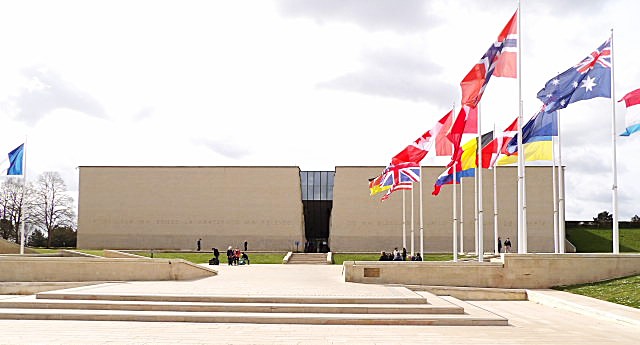
As we approached the entrance we were gutted to be told that it was closed for a conference! We were a bit pissed off by this as our agenda did not allow for another visit. At least our lunch was yummy and the gardens were pleasant.
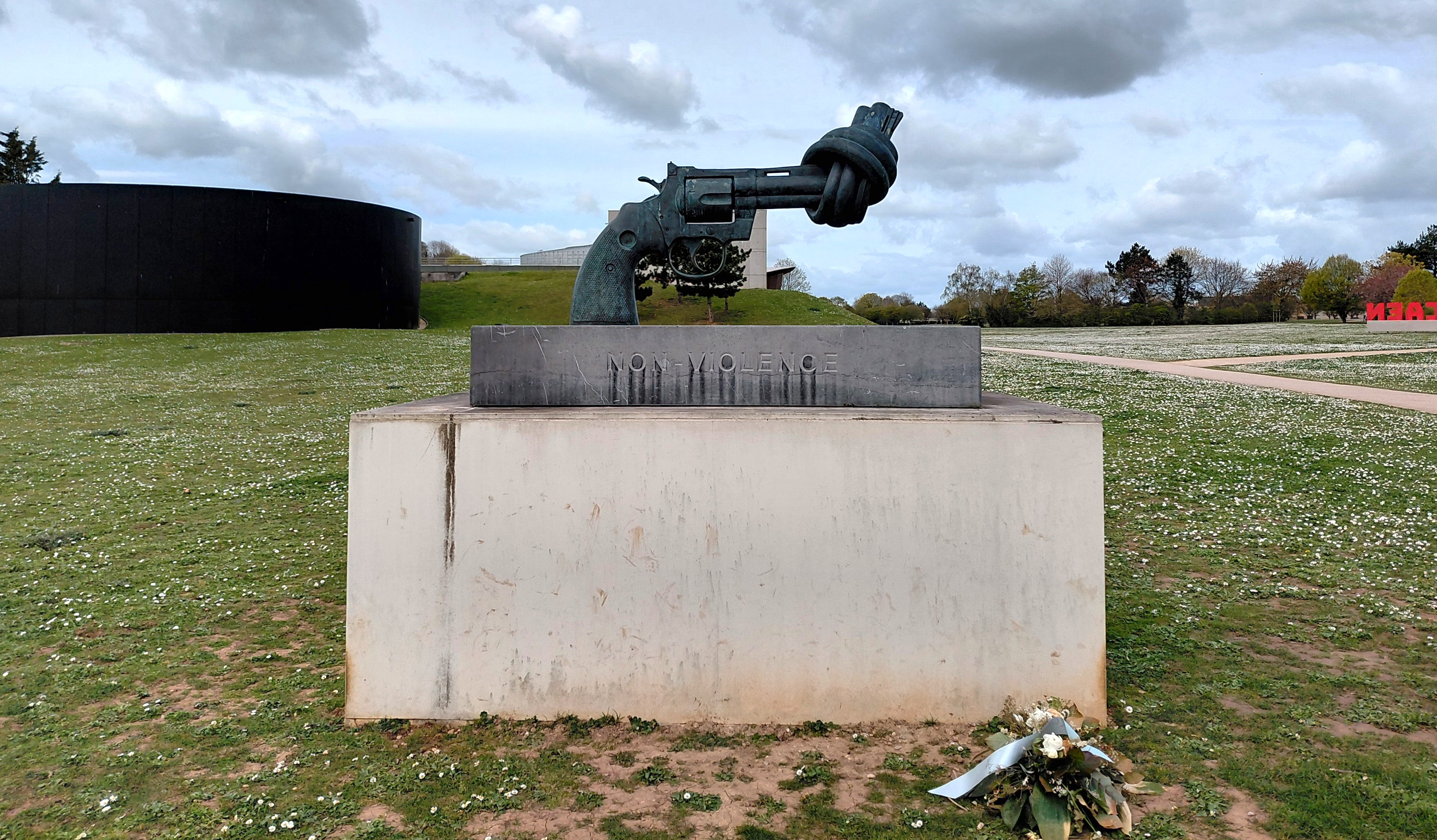
British Normandy Memorial
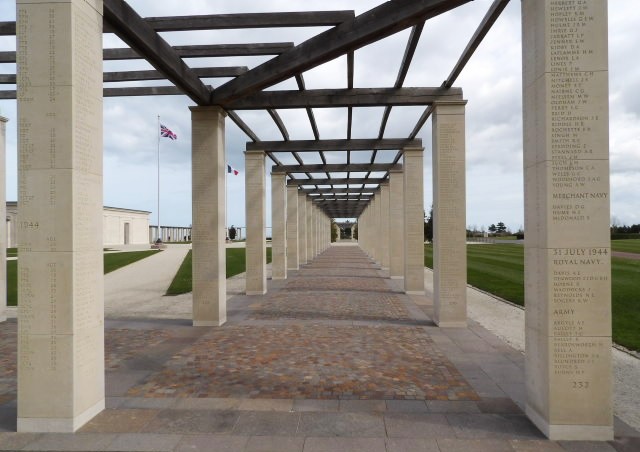
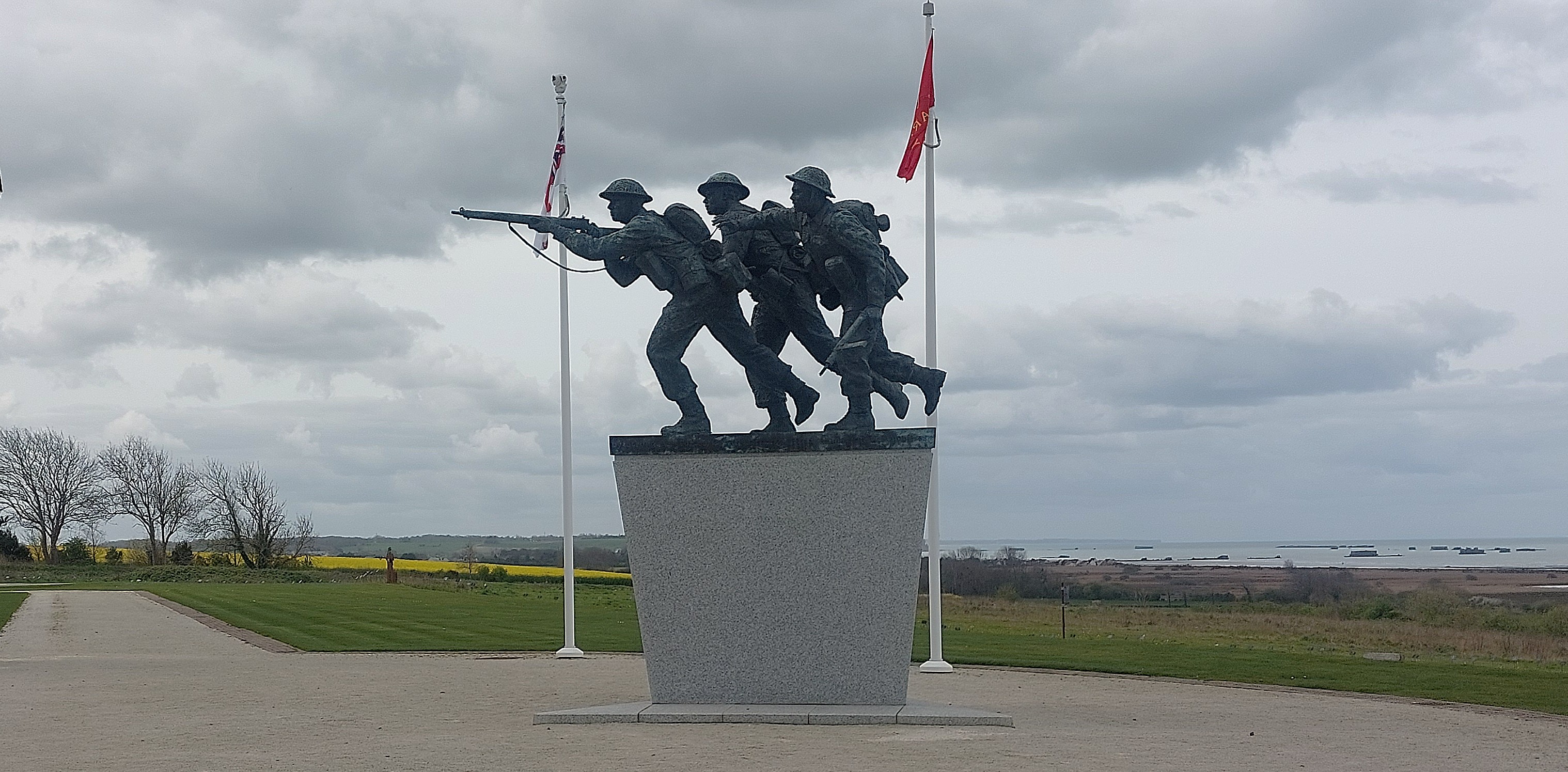
We visited the British Normandy Memorial which is near Ver sur Mer, a thirty minute drive to the north. The Memorial overlooking Gold Beach was so peaceful, a stark contrast to June 6th 1944 when it was scene of the major assault lead by British 50th (Northumbrian) Infantry Division. The huge car park was mostly empty and there were not many people at the memorial when we visited.
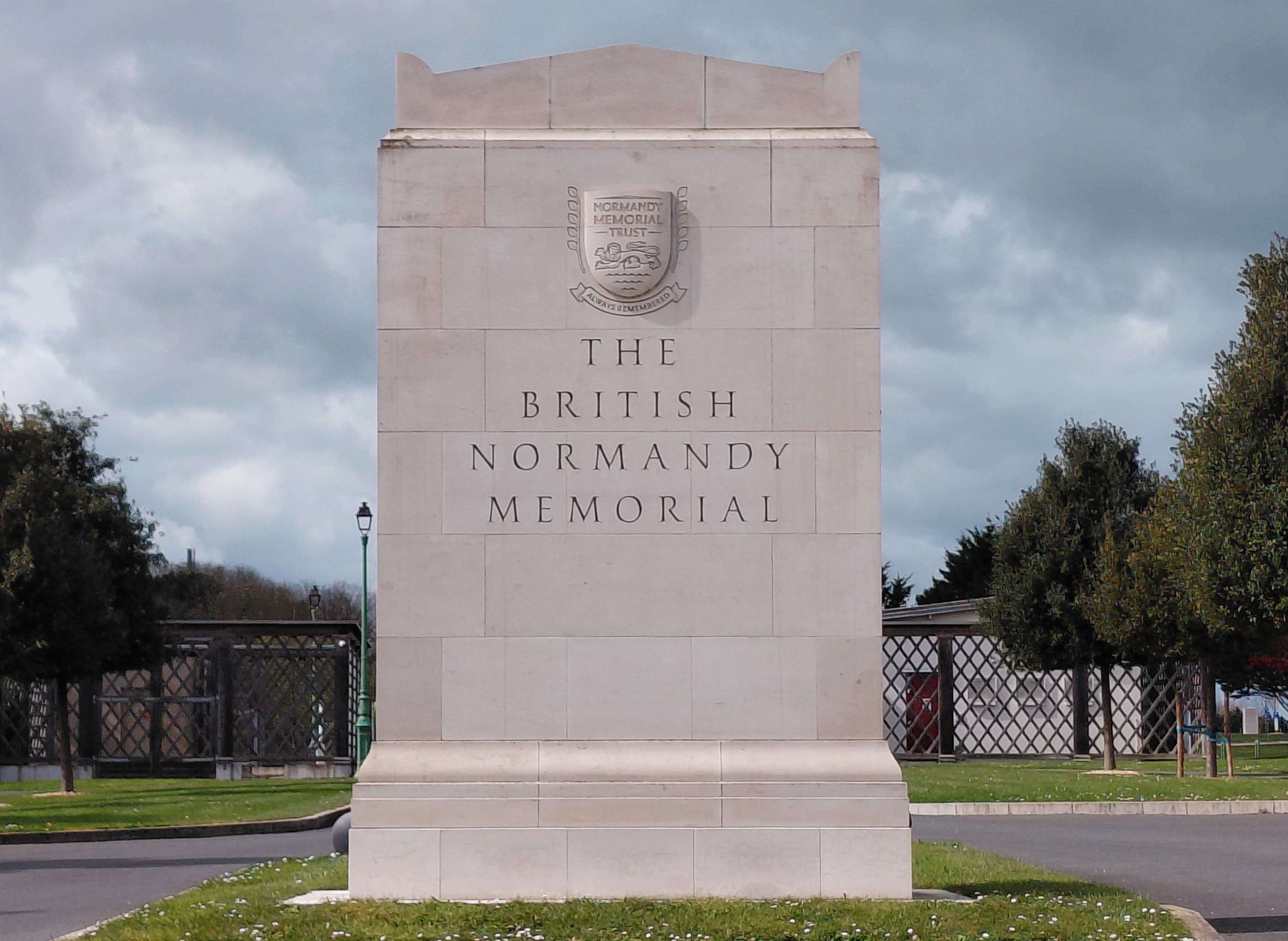
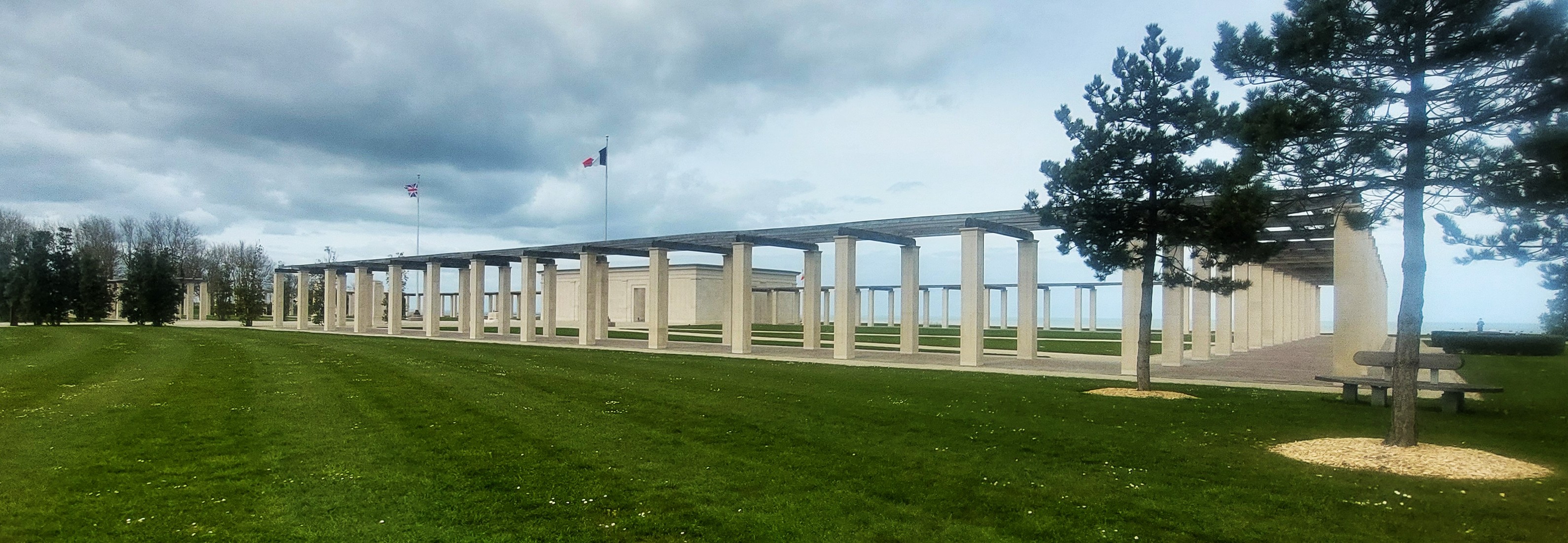
The memorial opened in 2021 and honours the more than 22,500 people who died in the battle for Normandy under the command of the British. The names of the fallen are inscribed on 160 stone columns. The scale of the monument and its setting was powerful and evocative, Leashia and I were moved to tears.
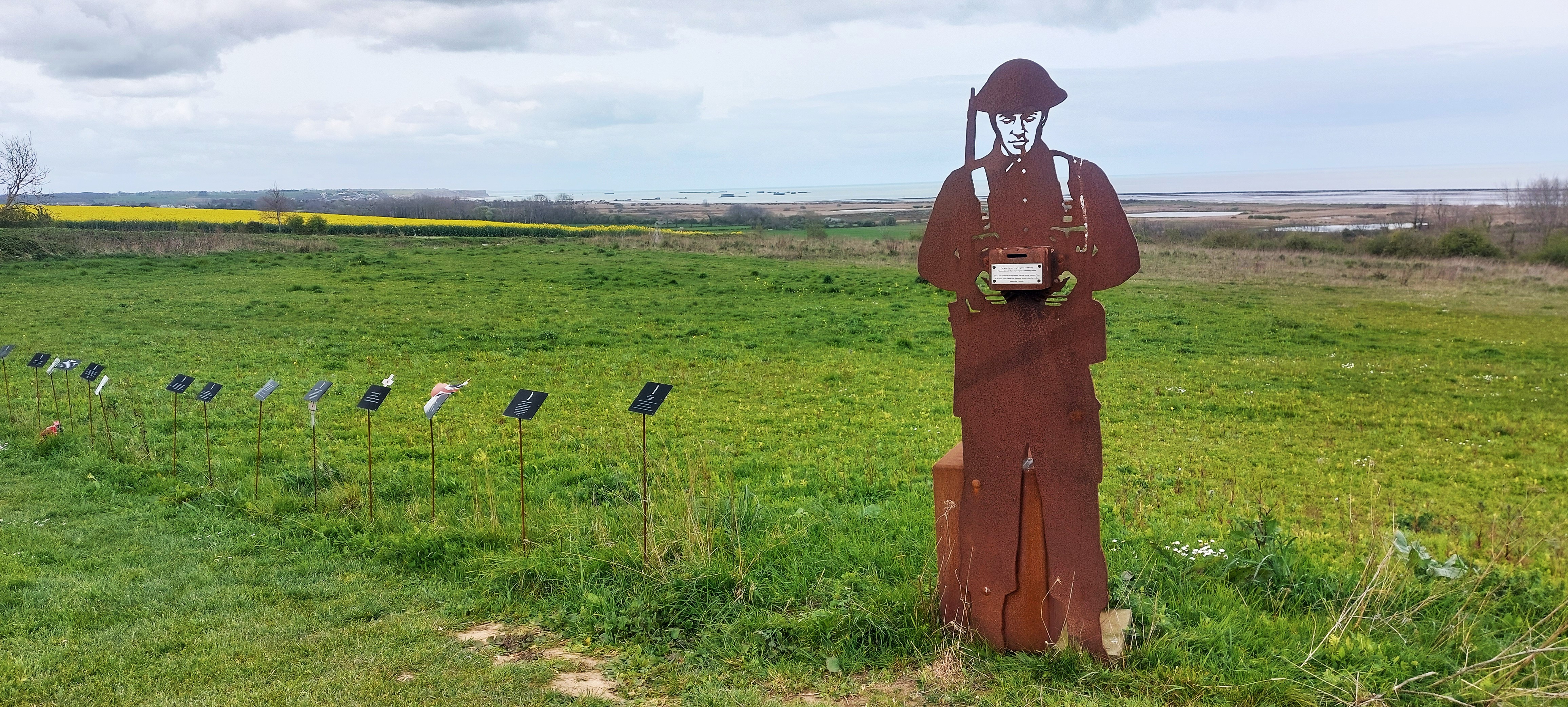
Ryes Cemetery
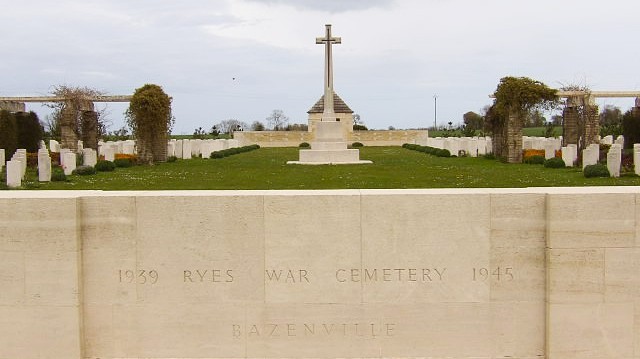
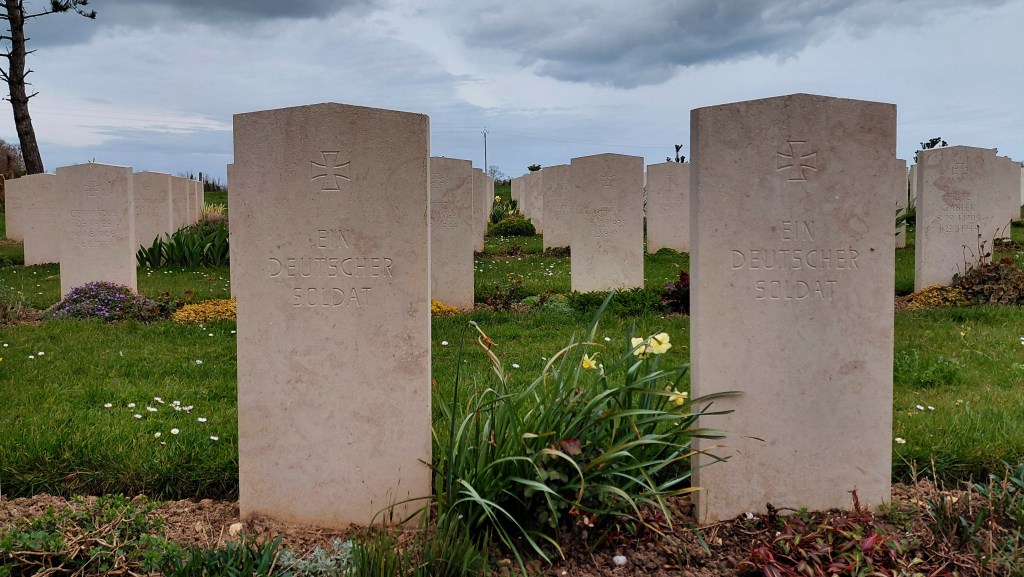
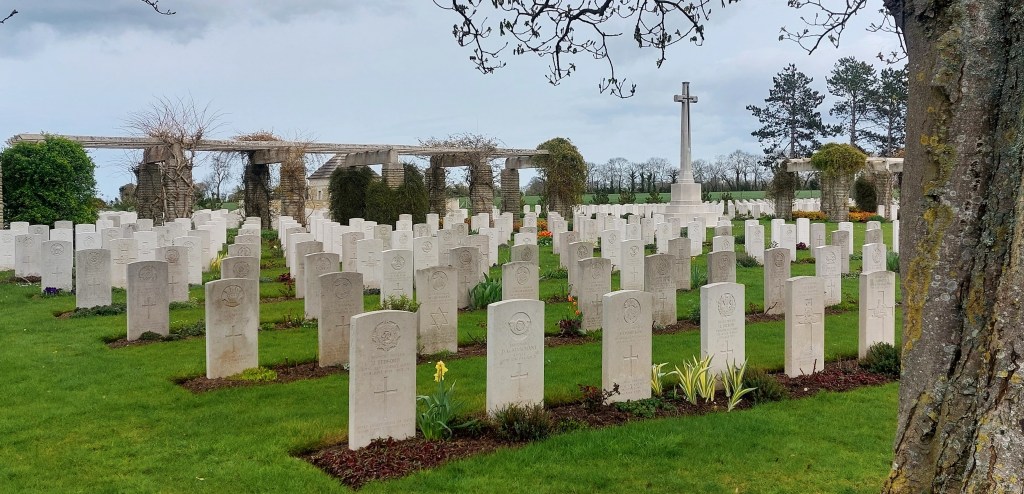
A 12 minute drive from the British Normandy Memorial is a small[ish] cemetery that contains 653 war graves. It’s situated on a small hill near the village of Bazenville. The majority are Commonwealth graves but there are also over 300 German graves and a Polish grave. We were the only people there and had the feeling that perhaps it doesn’t get many visitors.
Bayeux
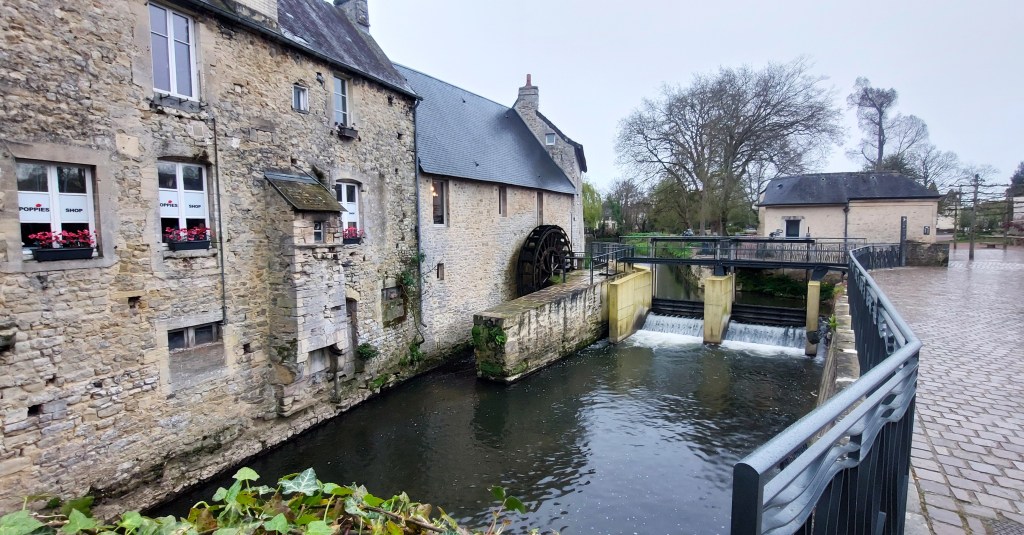
It was just a fifteen minute drive to Bayeux, which was to be our home for the next two nights. The attractive town has the river Aure running through it. Our visit to Bayeux was not to see the famous tapestry [which was in the process of being relocated to London on loan], it provided a good base for visiting important sites relating to D-Day and for our full day organised tour planned for the next day.
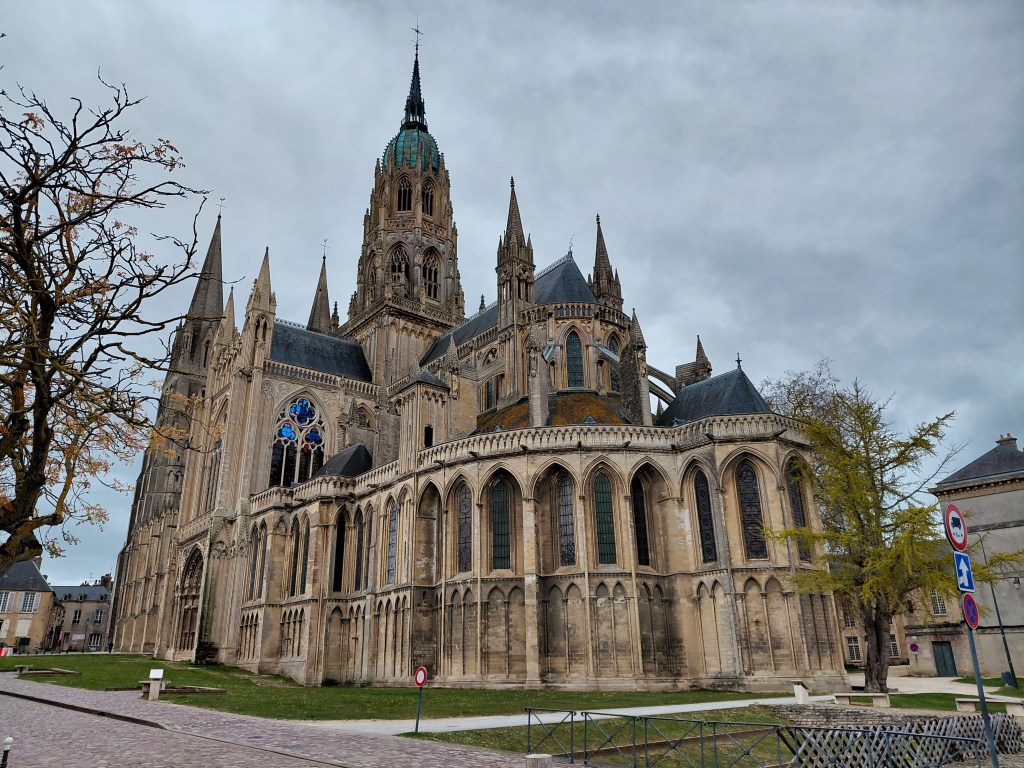
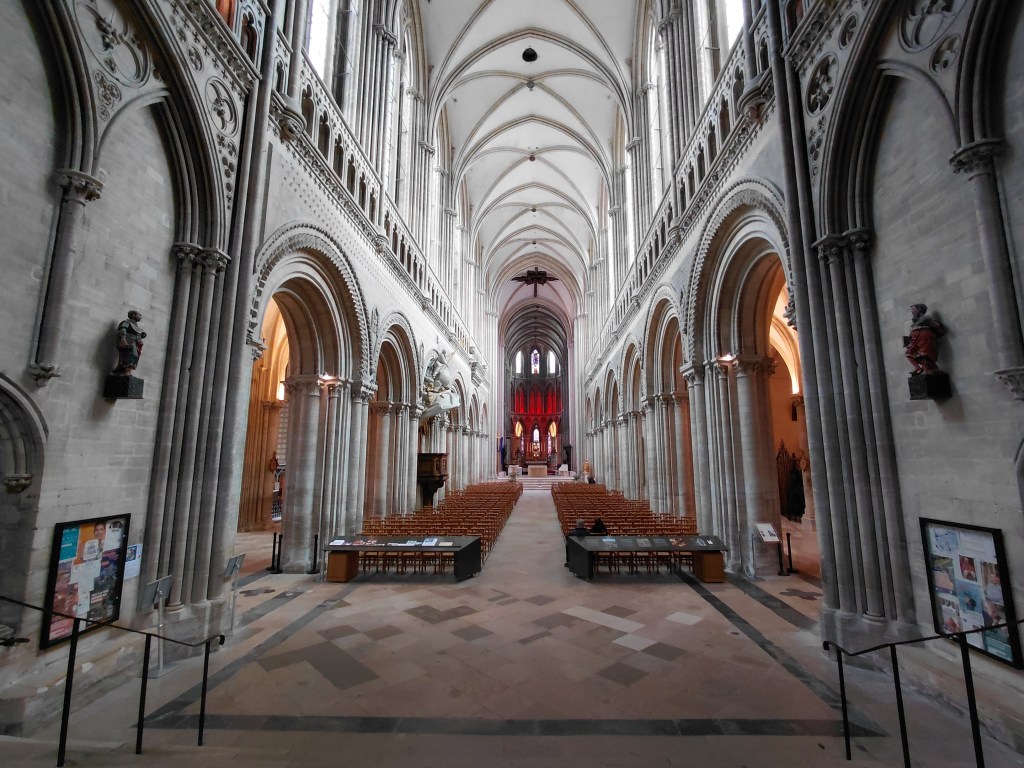
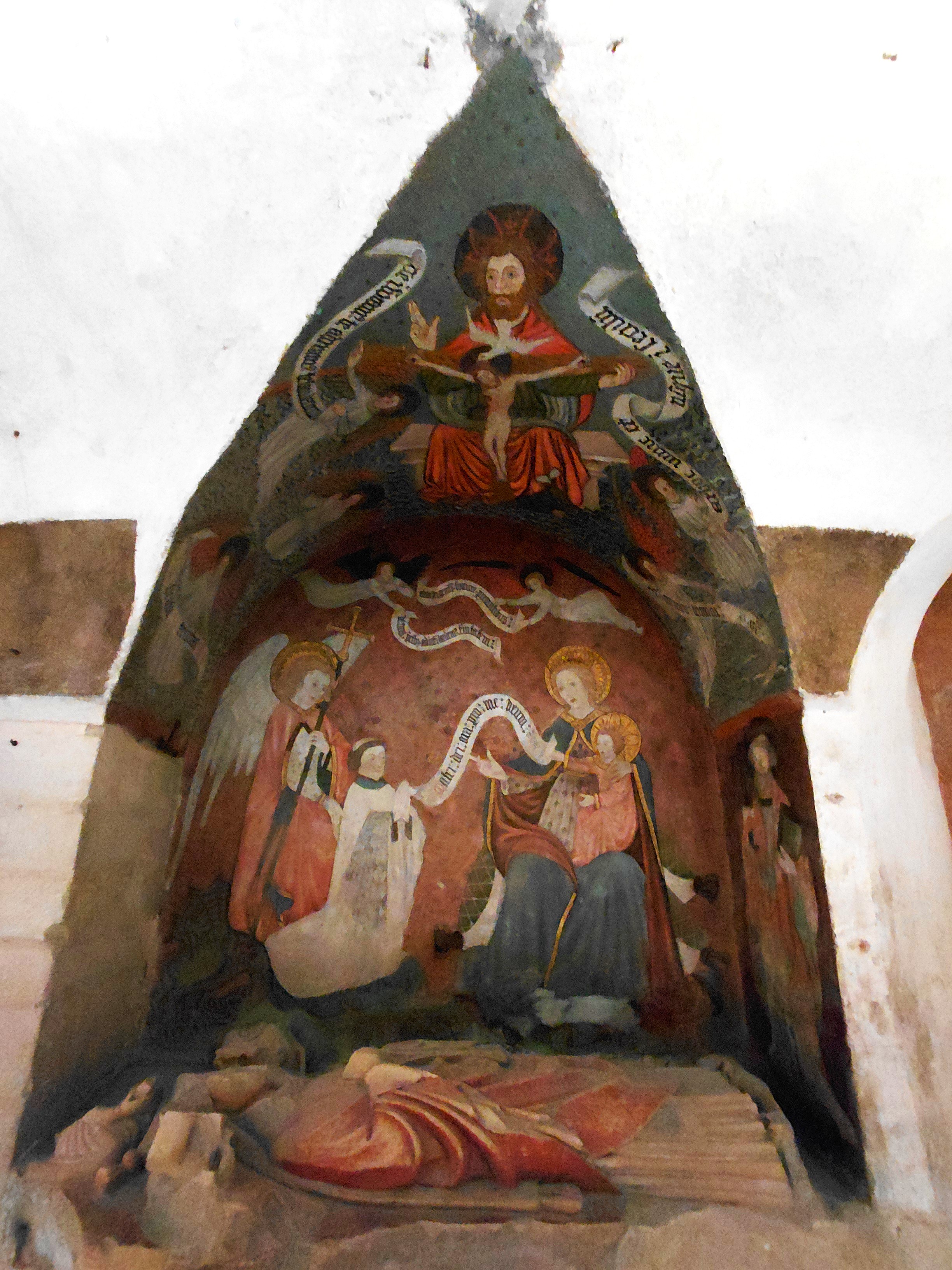
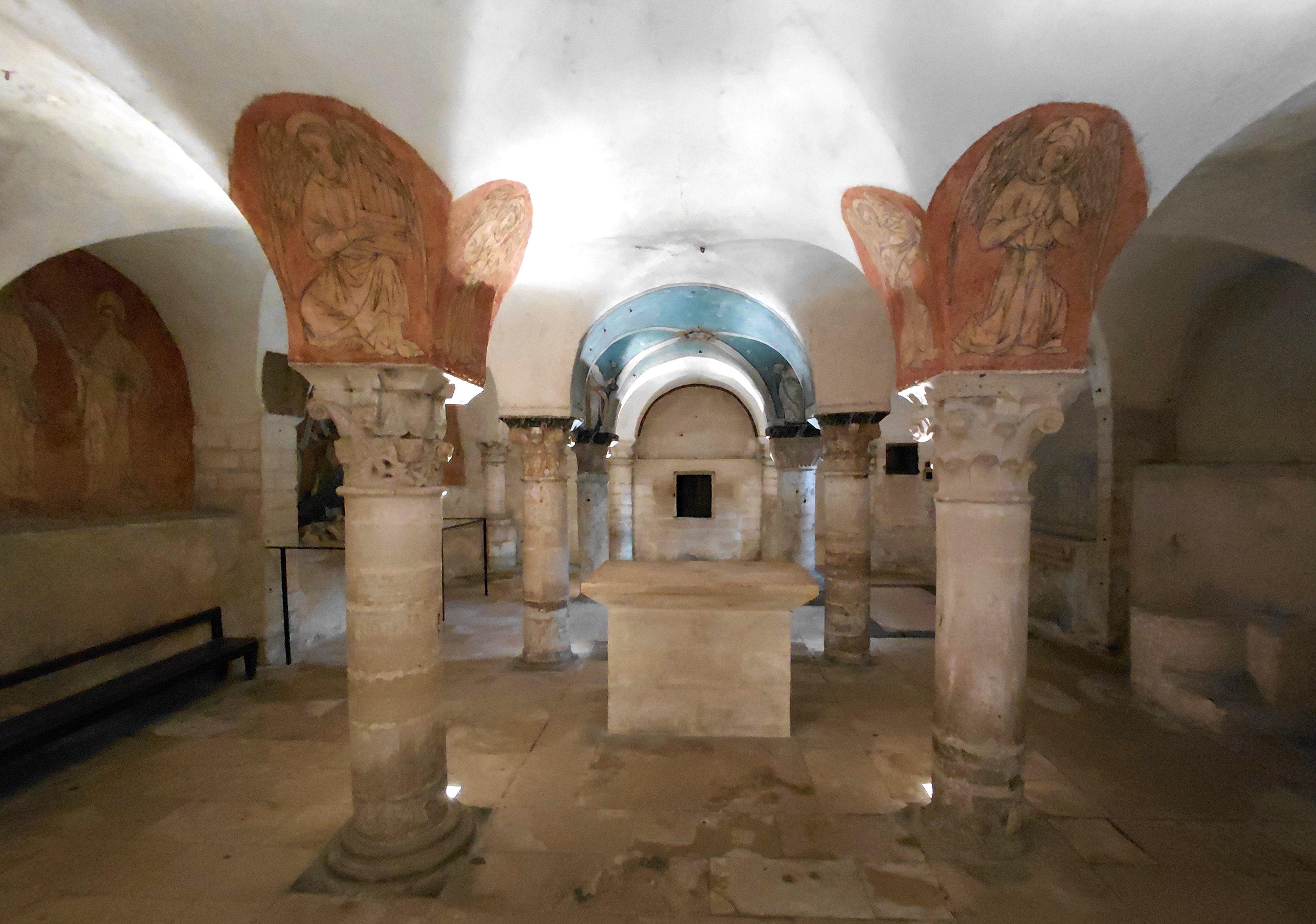
Our accommodation was on the edge of the town but we were happy to walk into the centre and visit the sites on our agenda. We had a walk around the town to get our bearings and visited cathedral first which was hard to miss. The origins of the Notre Dame Cathedral goes back as far as the 11th century, the Crypt is the oldest surviving section and the 15th century frescos are well preserved.
The Memorial Museum of the Battle of Normandy and the British War Cemetery
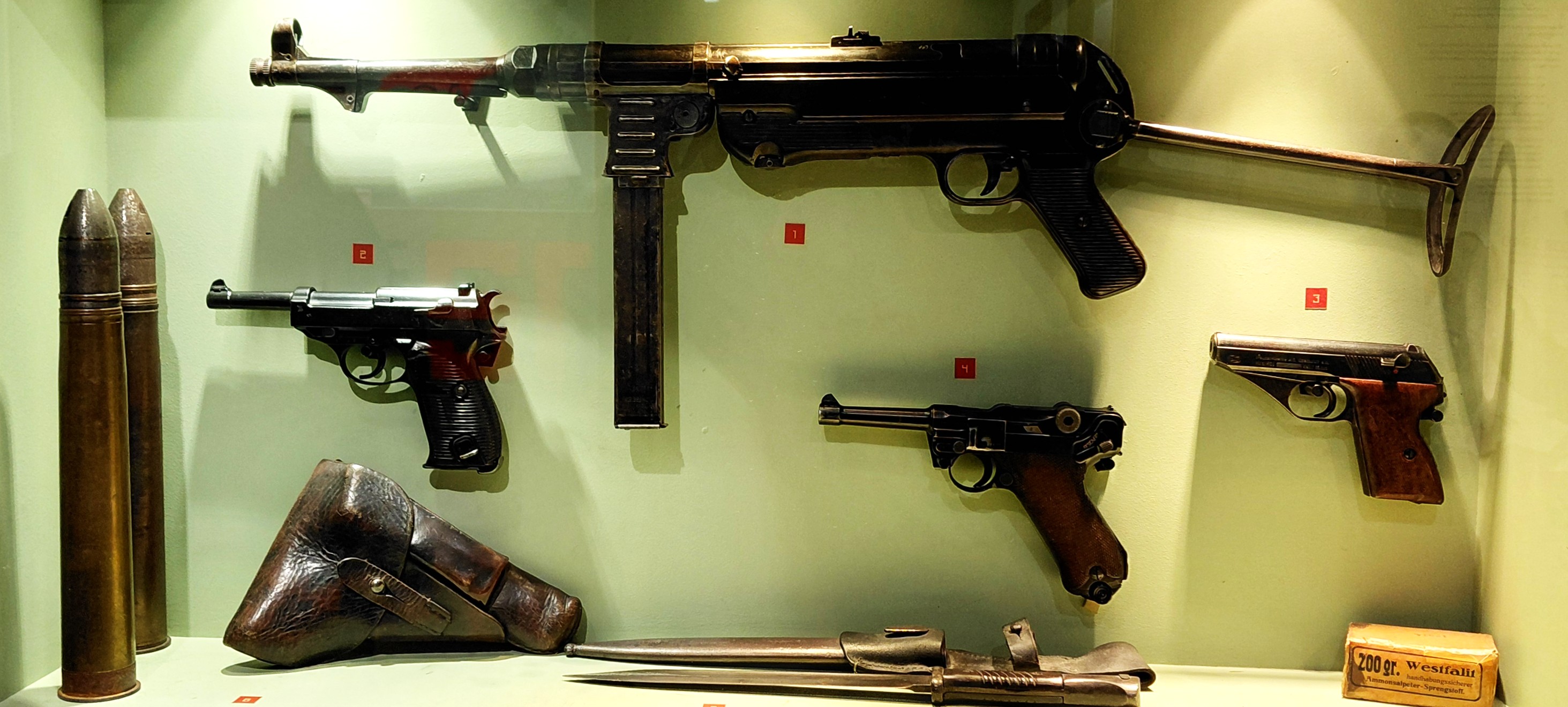
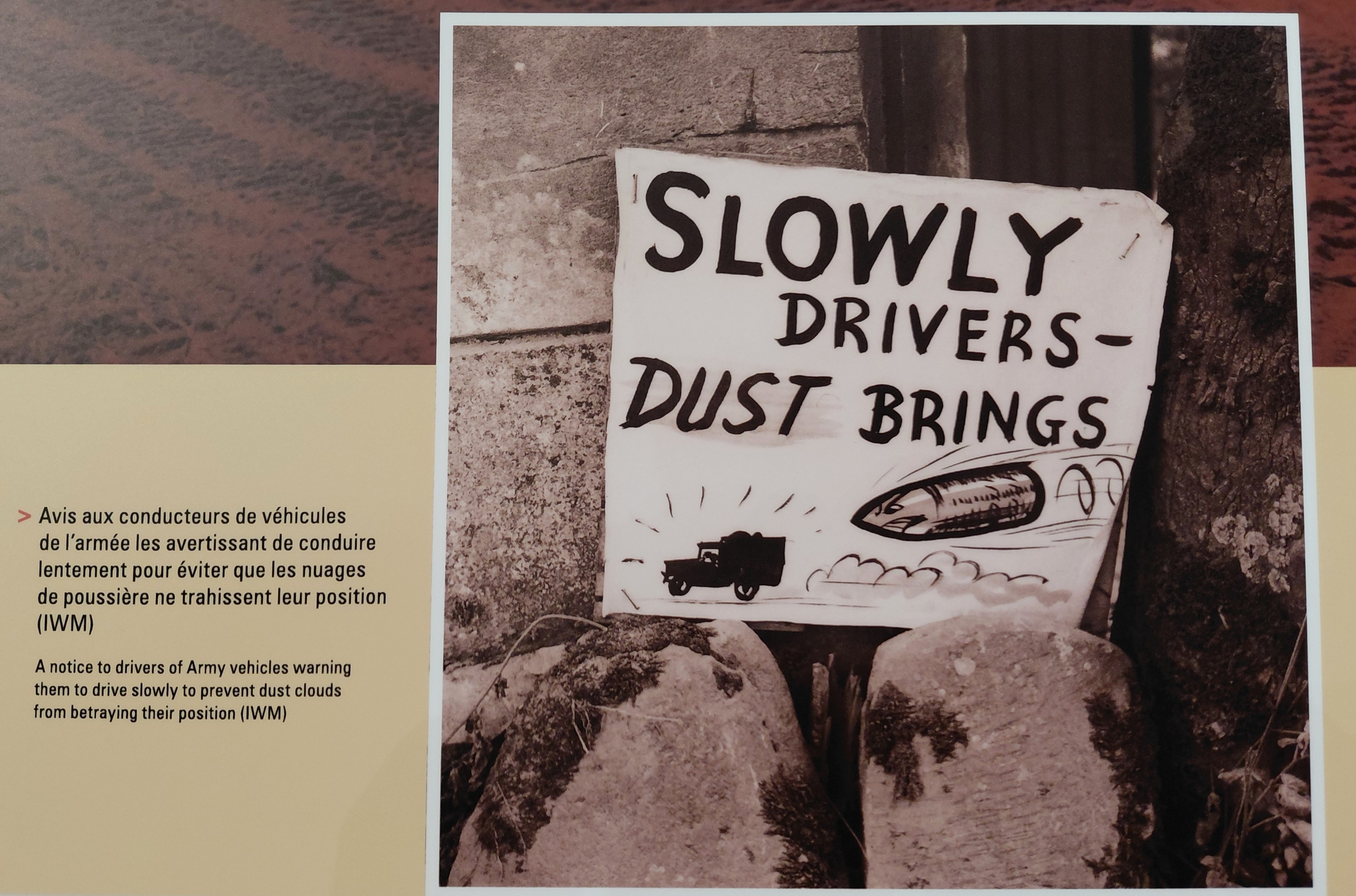
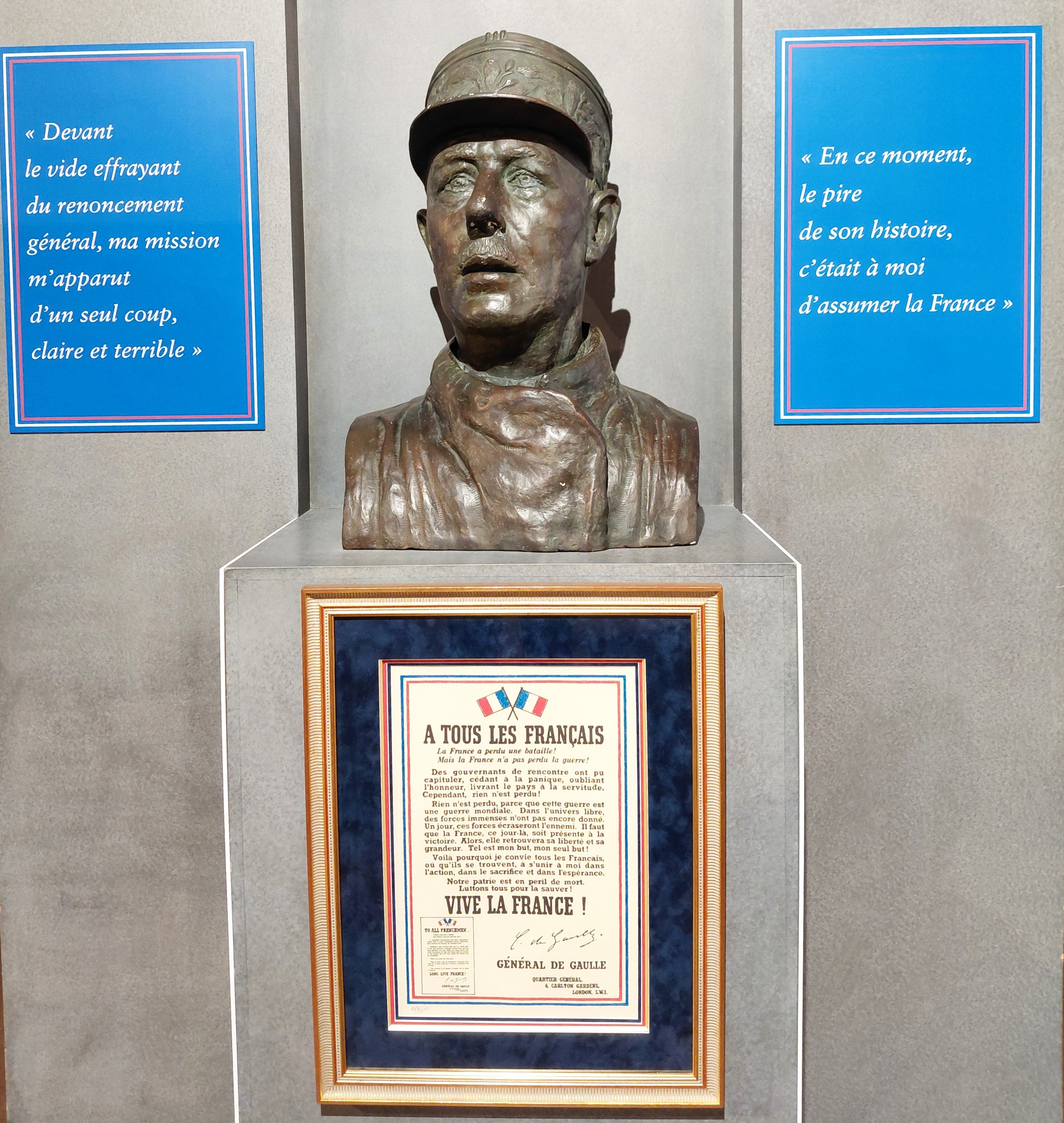
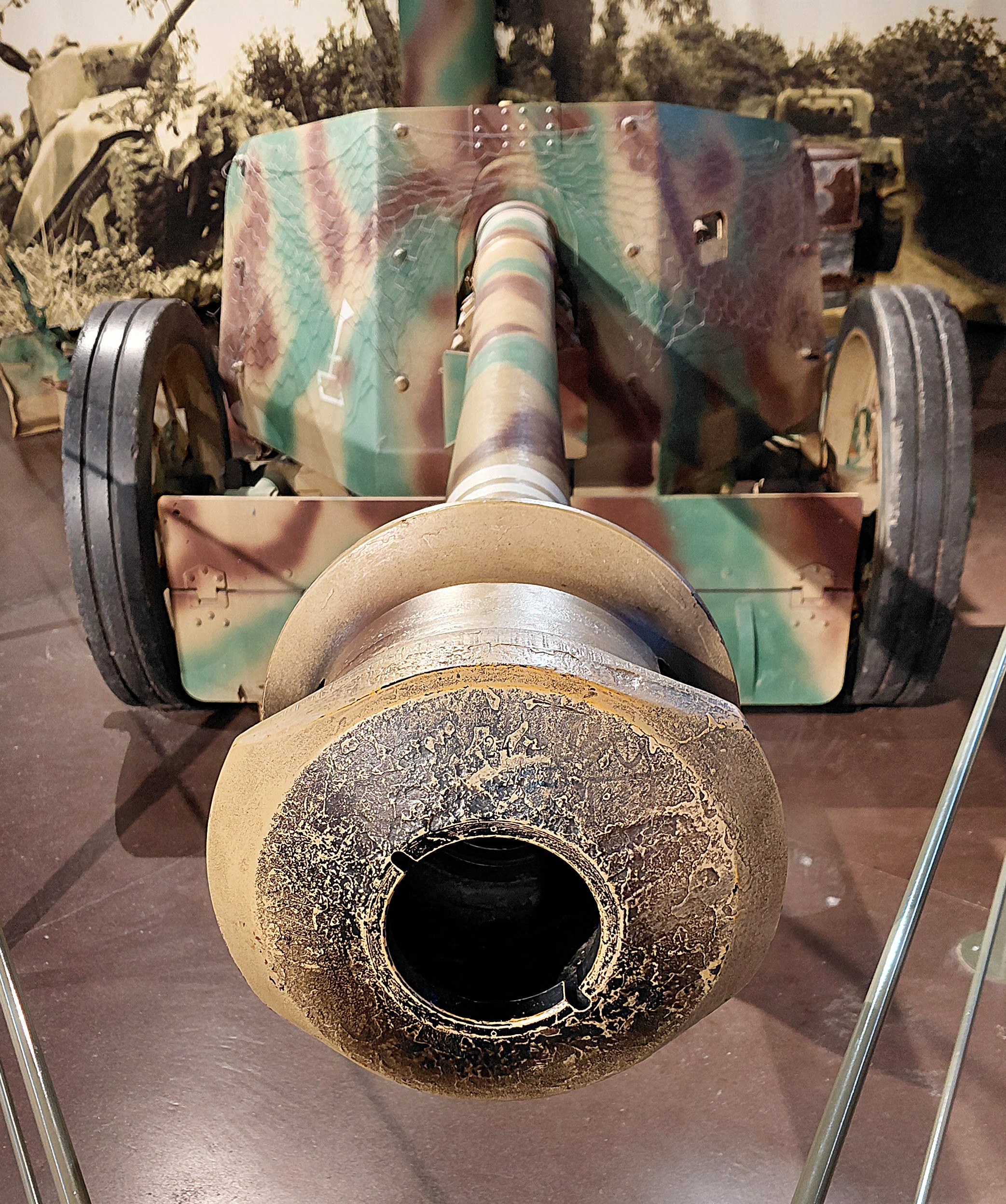
From the Cathedral it was a 15 minute walk to The Memorial Museum of the Battle of Normandy. The museum was excellent and covered the whole campaign to recapture Normandy from the Germans in vivid detail.
The British War Cemetery.
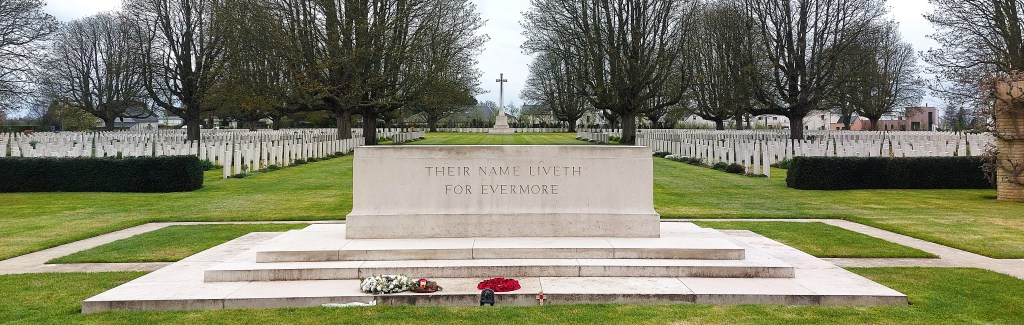
The British War Cemetery was just over the road from the Battle of Normandy museum and is the final resting place for more than 4000 British and Commonwealth servicemen who died in the Battle for Normandy. There was nobody around when we were there. A sombre and sobering place to visit.
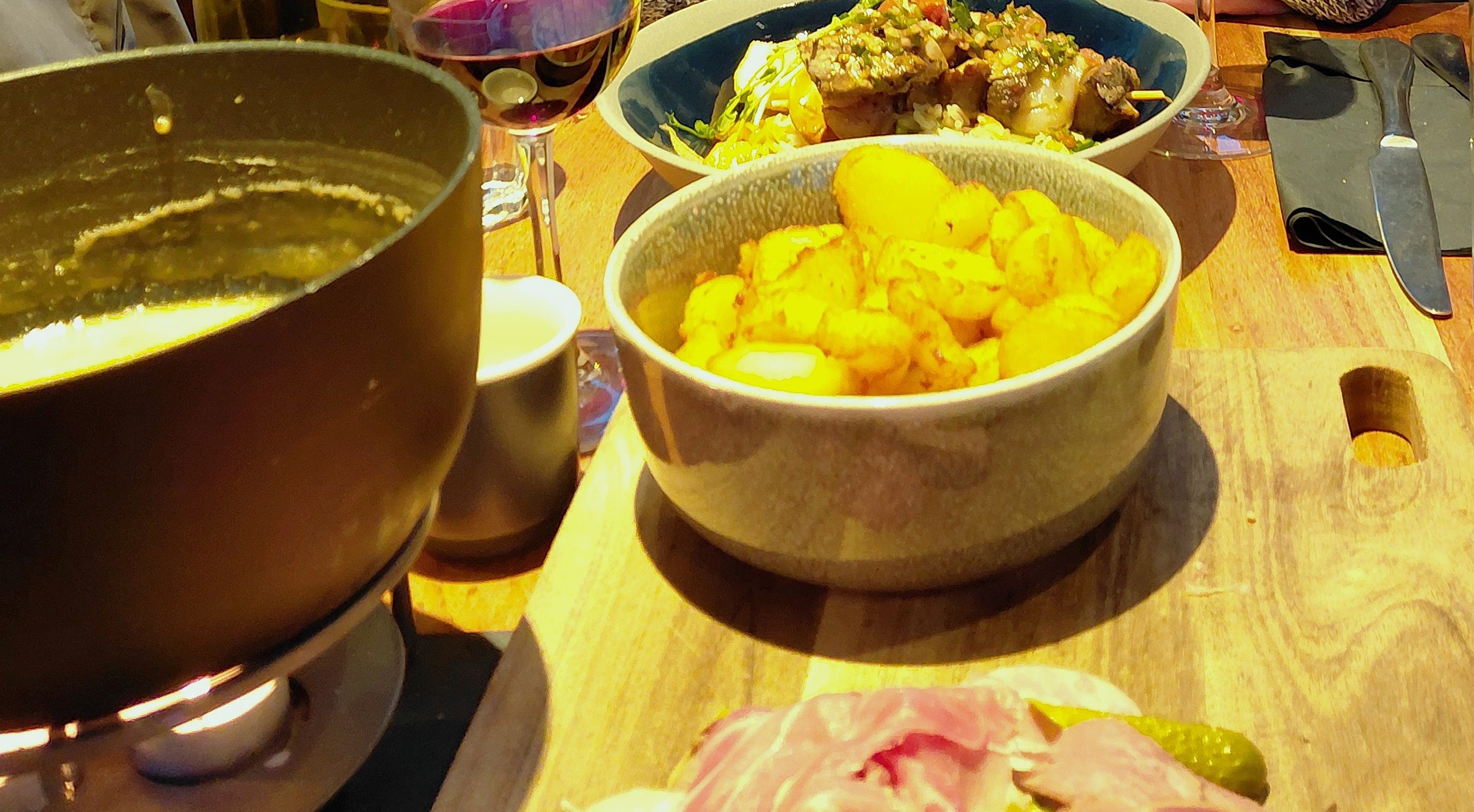
We rounded off the day with a dinner at Le Moulin de la Galette which was by the river. I had a Camembert Fondue and Leashia had fish skewers. Yum!
Day 5- Normandy American D-Day Beaches Full Day Tour from Bayeux
We had to be up early today as we had booked a Full day tour of the Normandy D-Day beaches which started and ended in Bayeux. We booked this with the Gold Beach Company via Tripadvisor. The tour was not cheap but it was incredible and worth every penny. Matthew our guide was knowledgeable and passionate about the subject.
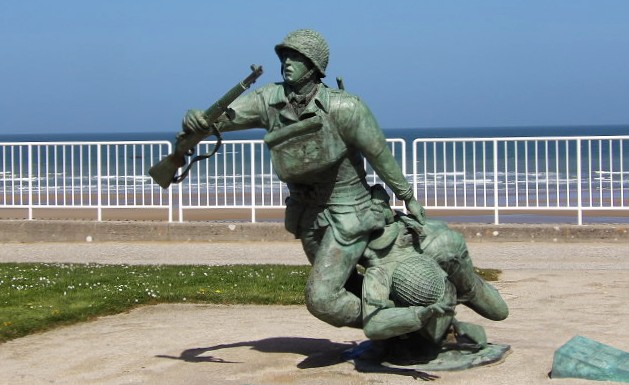
This day was so special that it deserves a page to itself. Click HERE to find out more.
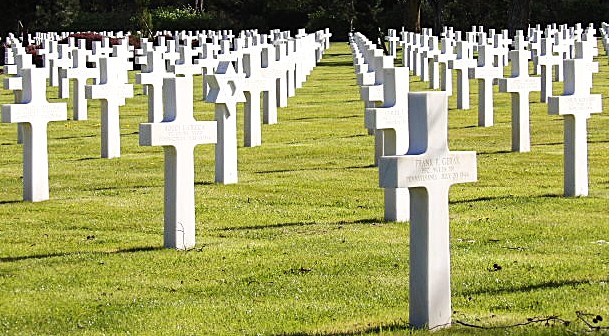
We were emotionally drainied by the time we arrived back in Bayeux in the early evening and headed to a bar for a drink to recover before rounding off the day at La Normande for an excellent dinner.
Day 6 -To Dinan [Brittany] via Mont Saint-Michel
We knew that the island abbey town of Mont Saint-Michel can get very busy and it was about an hour and a half drive from Bayeux. So we got up early[ish] and headed directly there. We made good time and were pulling into the car park by 11 am. Entrance to the island is free but the car park is not and you also need to pay to enter the abbey.
Mont Saint-Michel
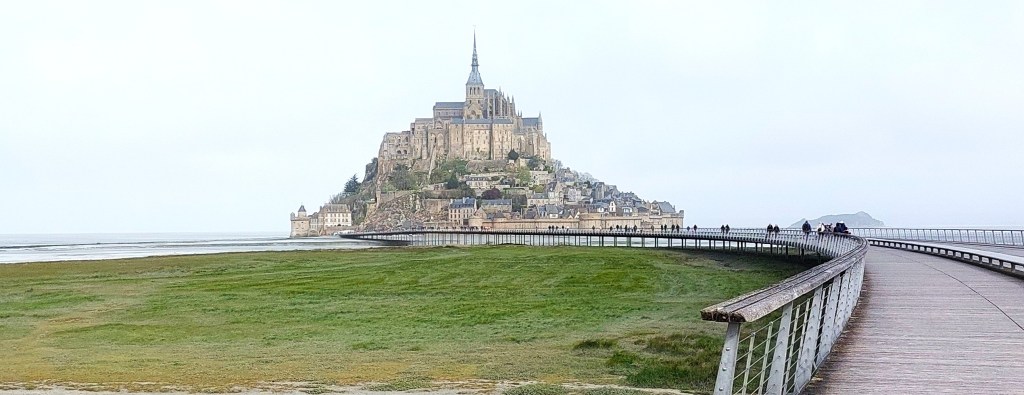
There was the choice of walking to Mont Saint-Michel or hopping onto the free shuttle bus. We decided to walk the 2km to the island. It took us around 40 minutes and it was lovely to see Mont Saint-Michel getting biggerer as we approached. Crossing the curved bridge on foot to the island was the right decision. It was a grey start to the day but the rain held off which was helpful as we had a picnic with us and were already hungry!
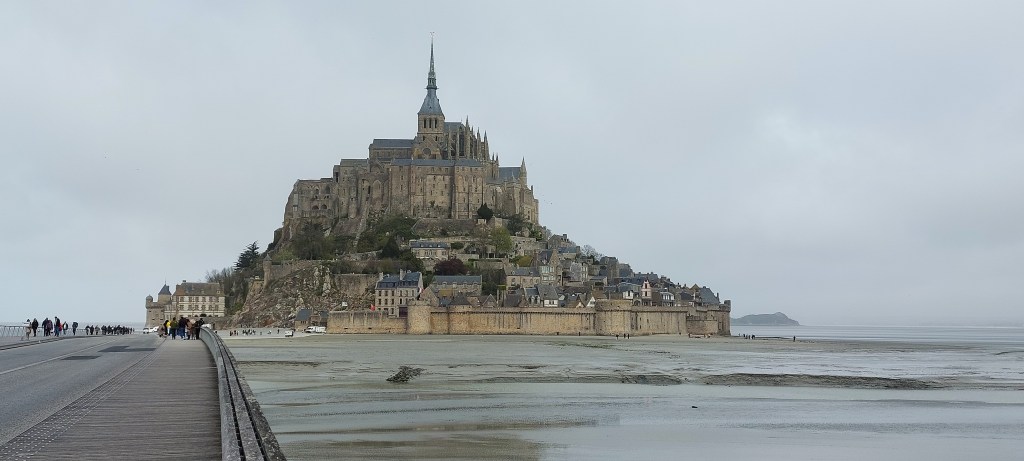
The island is protected by an impressive fortified wall. The huge abbey at the top dates from the 8th century and has had many additions and modifications over the centuries.
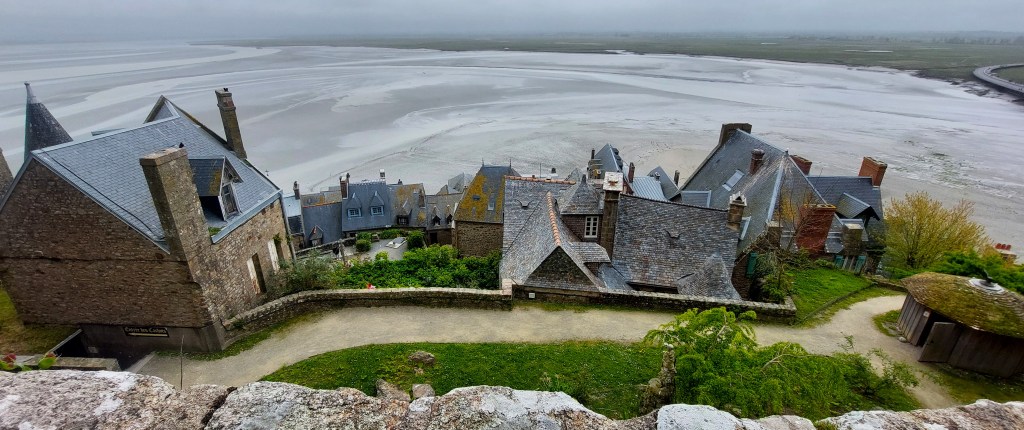
Once we were inside the main gate we walked along the Grand Rue which was already pretty busy and unsurprisingly was lined with tourist shops. There is a public toilet [not free]. There are also lots of steps as expected. There are many narrow passageways and pathways leading off from here and we managed to find a quiet place to have our picnic.
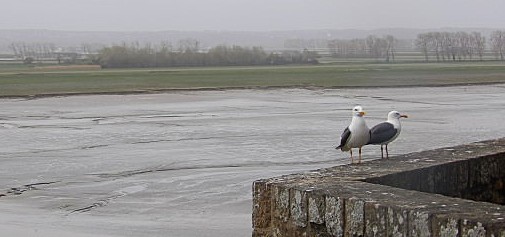
Watch out for the seagulls, we saw one swoop and steal somebody’s food from their hand – thieving bastard! After our early lunch we spent the next couple of hours having a mooch and taking in the views before heading up to the abbey.
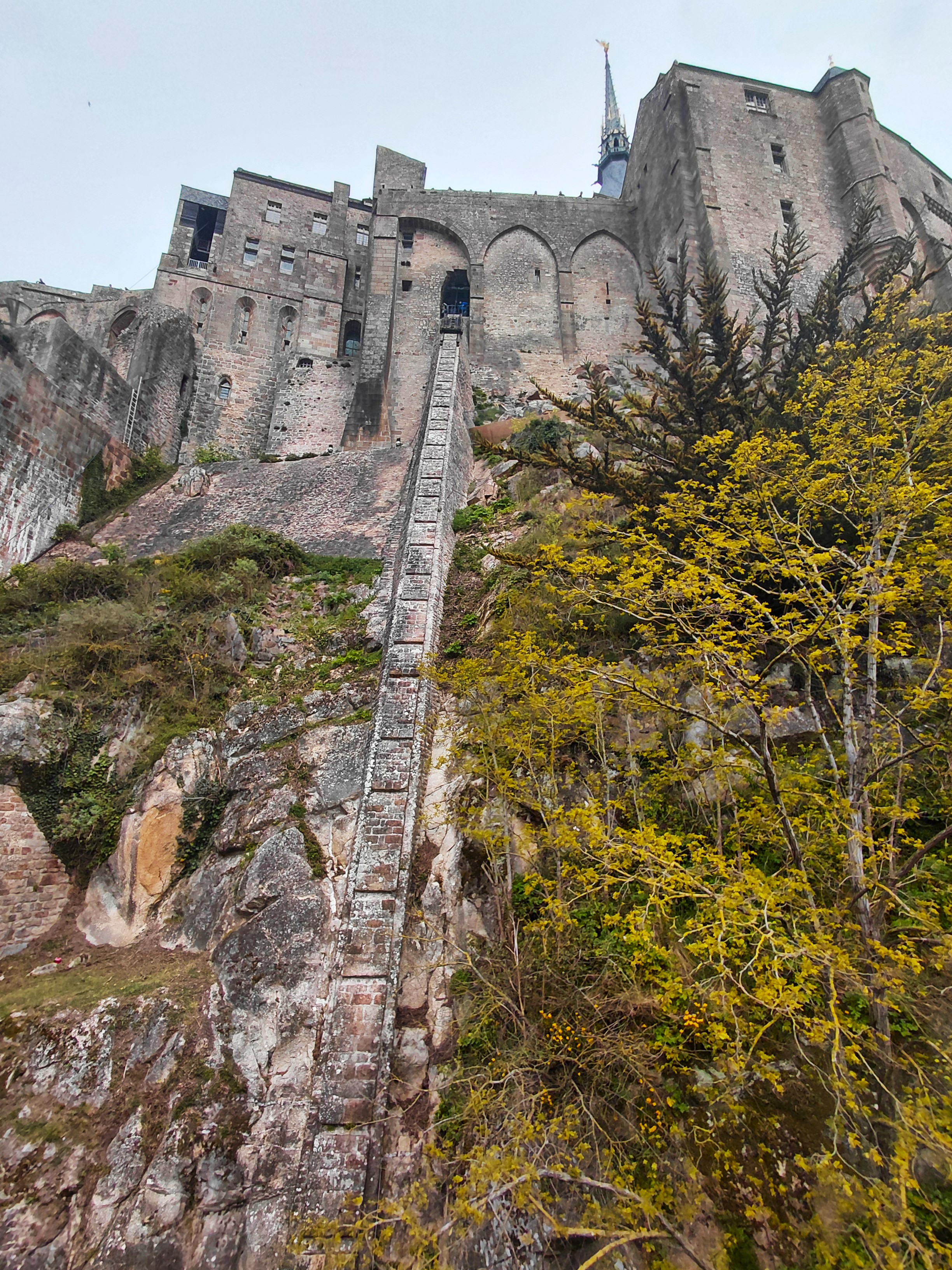
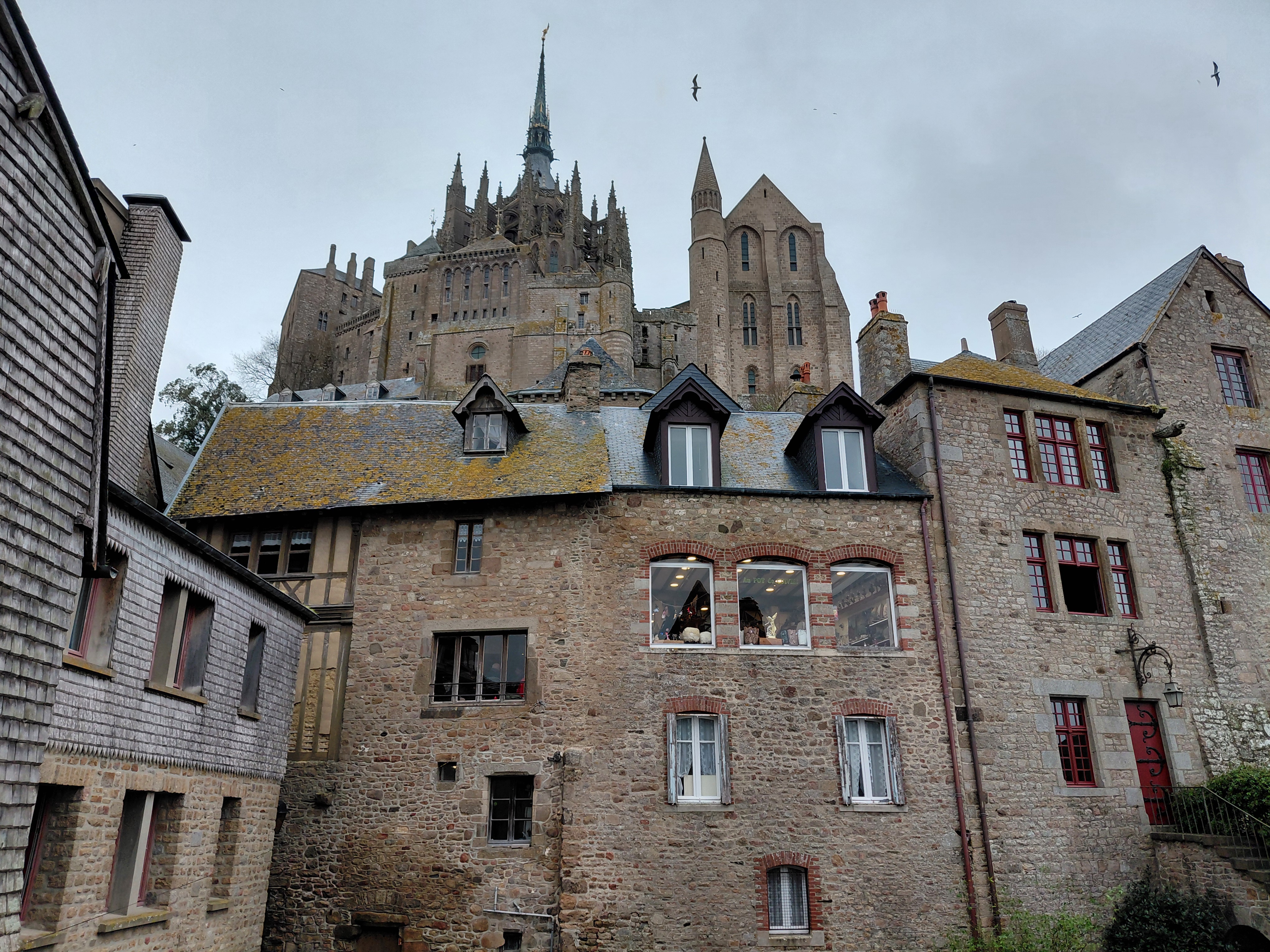
The Abbey
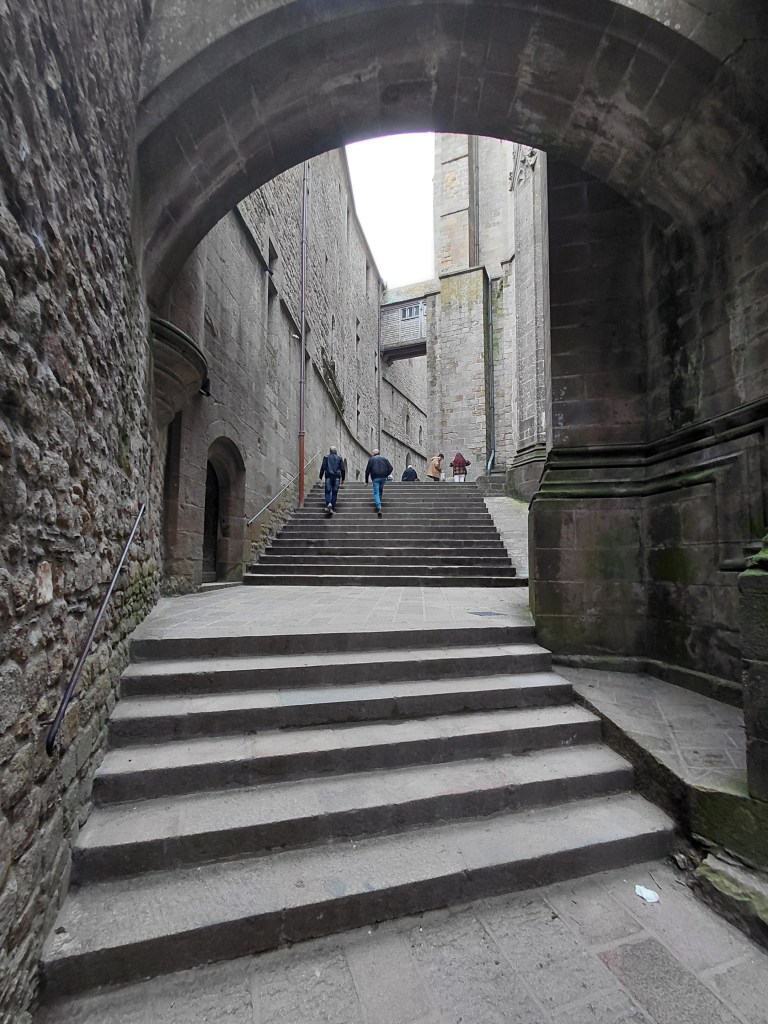
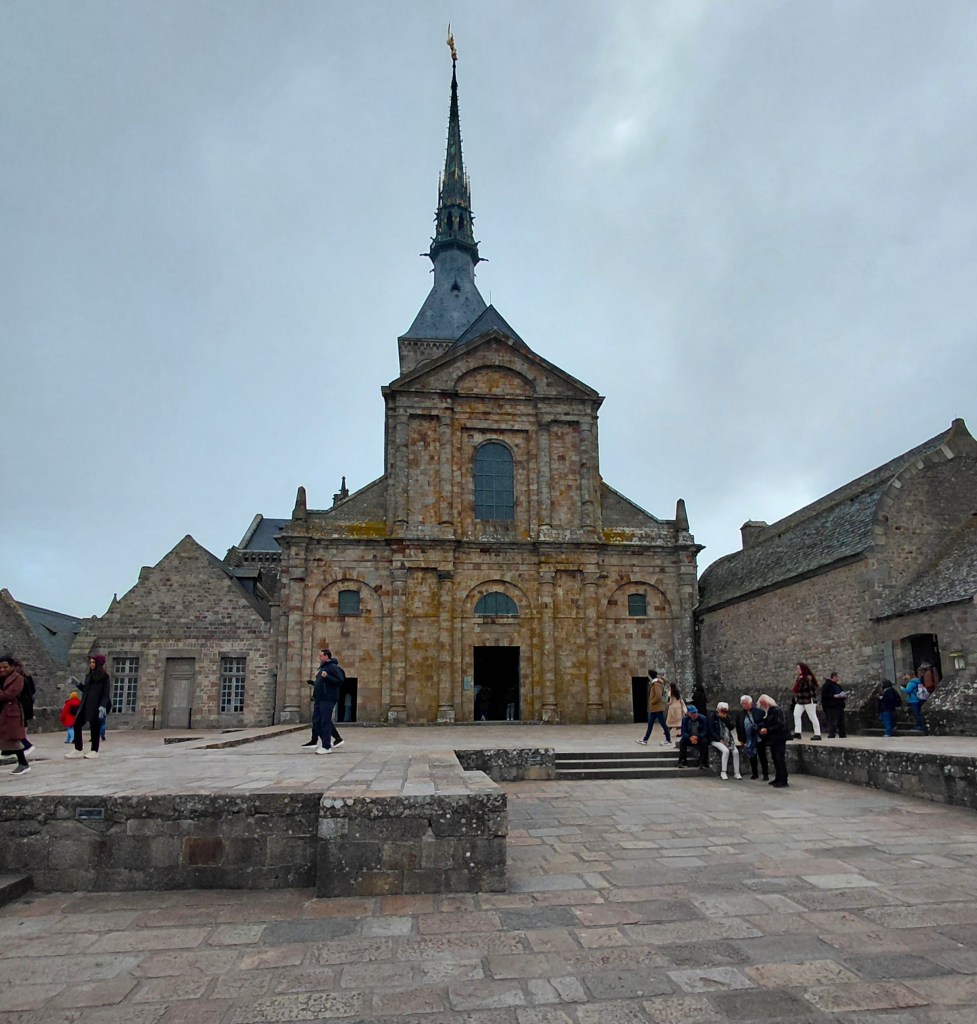
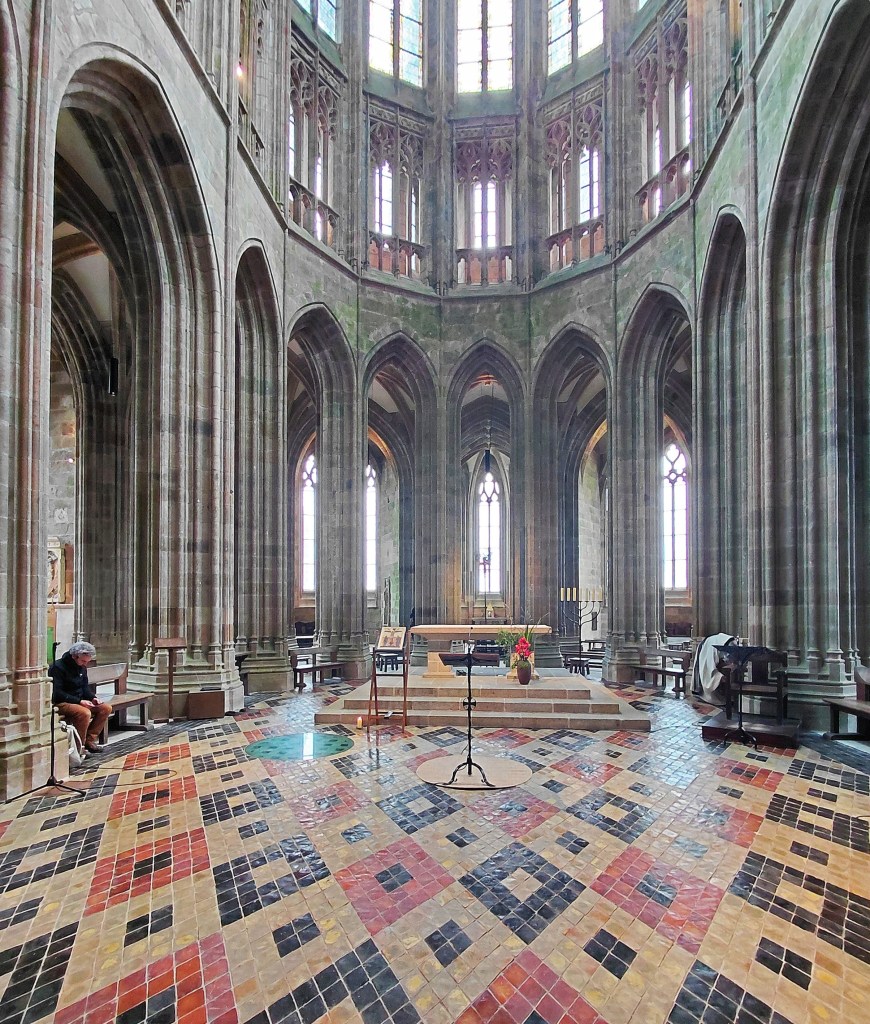
There were quite a few more steps up to the abbey and there is a route to follow once you are there. There are many rooms and passageways but very little in the way of original furnishings. It was an enjoyable experience despite the crowds and we spent around an hour here.
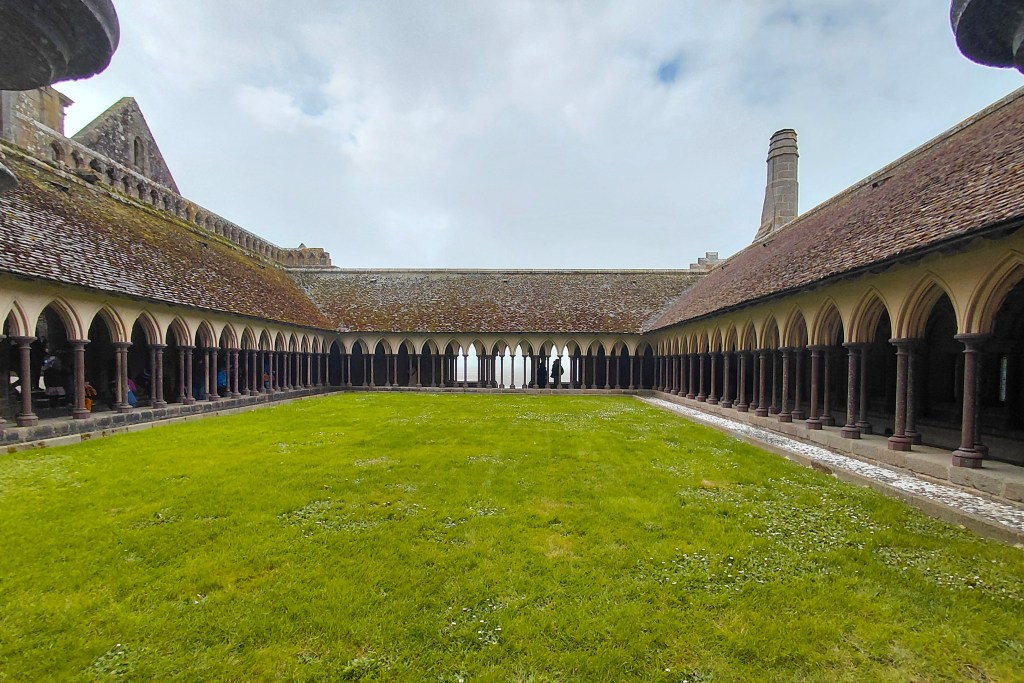
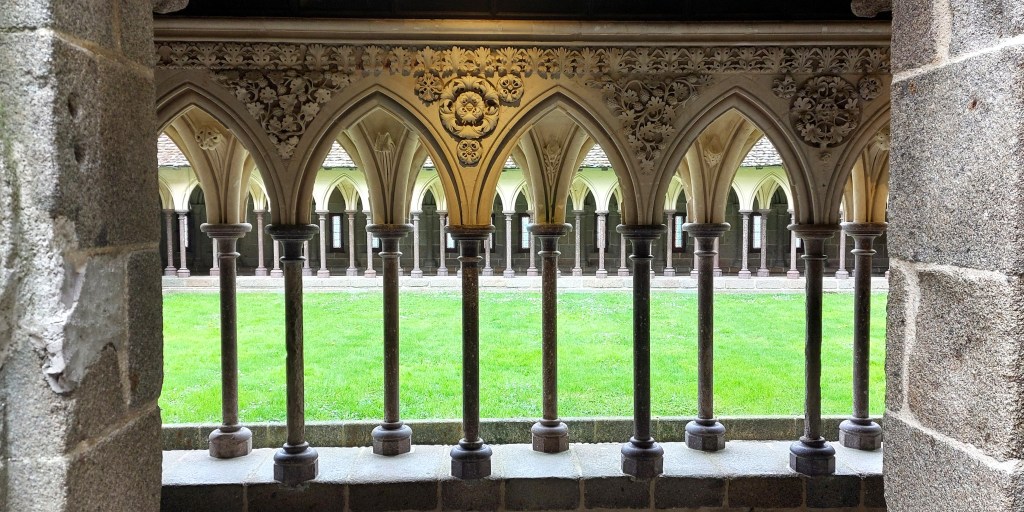
Highlights were the abbey church and the cloister which was built in the early 13th century. The wheel room was also fascinating, it was installed in 1818 as a convenient way to bring up food for the inmates when the abbey was being used as a prison.
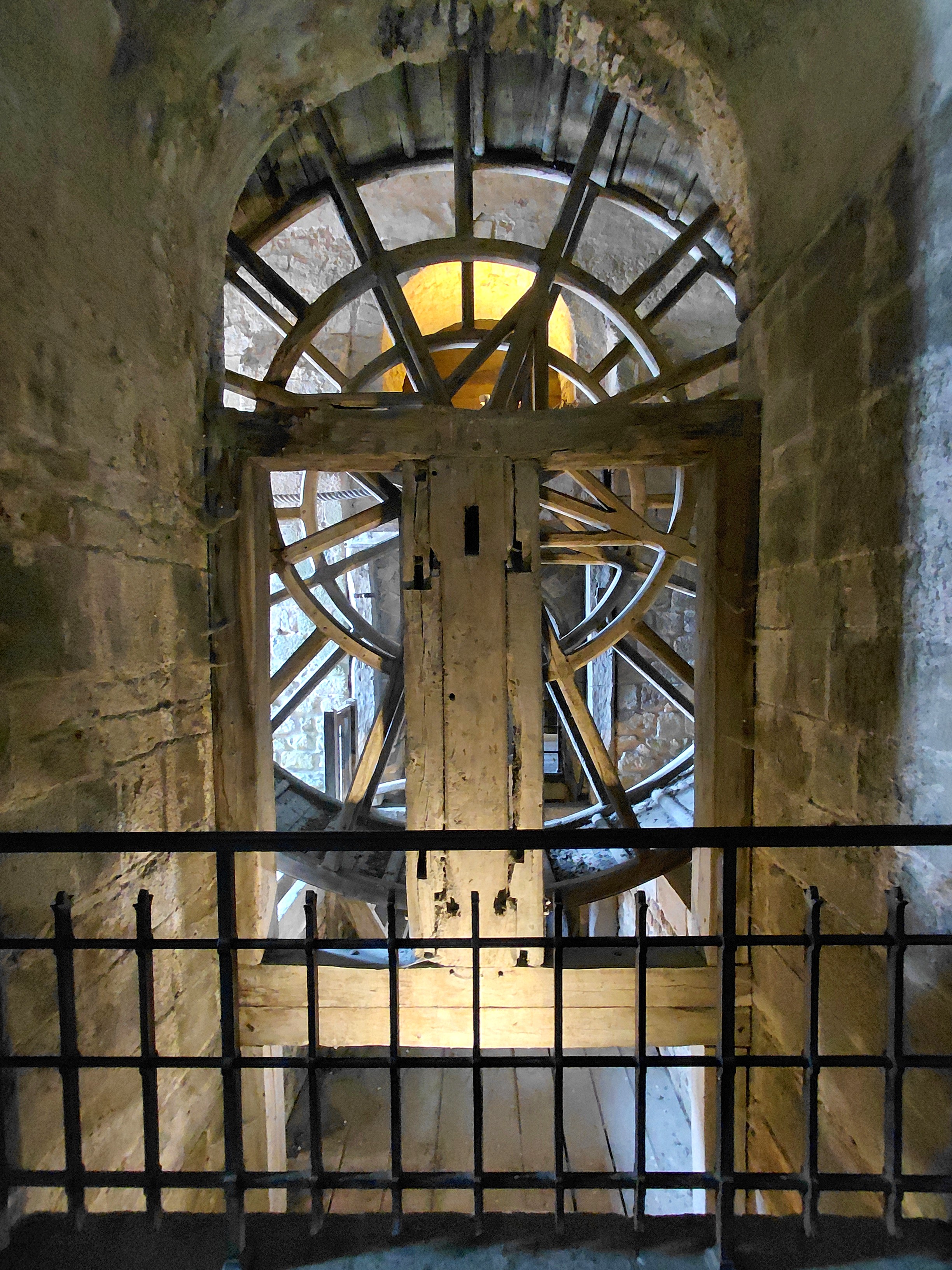
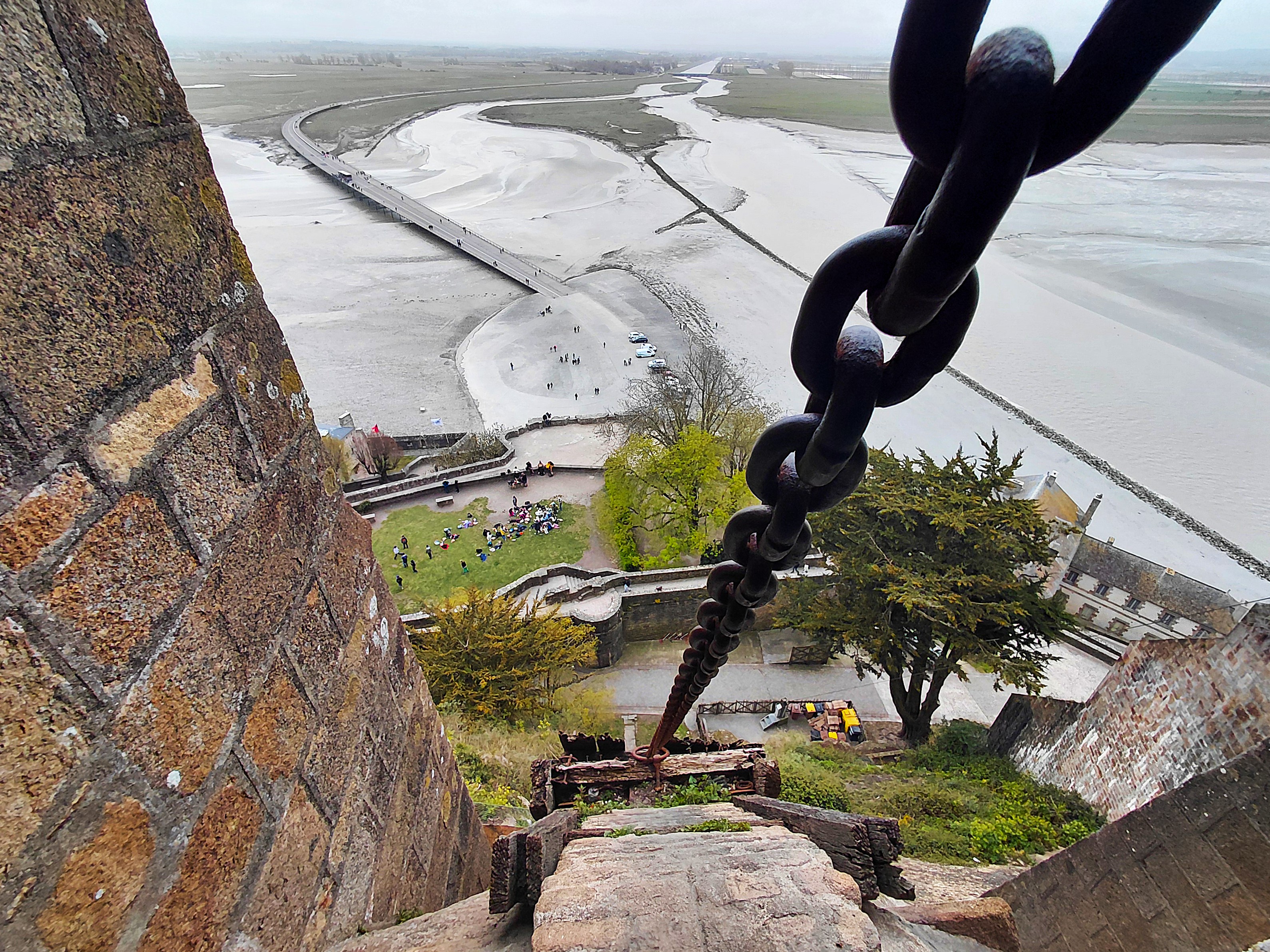
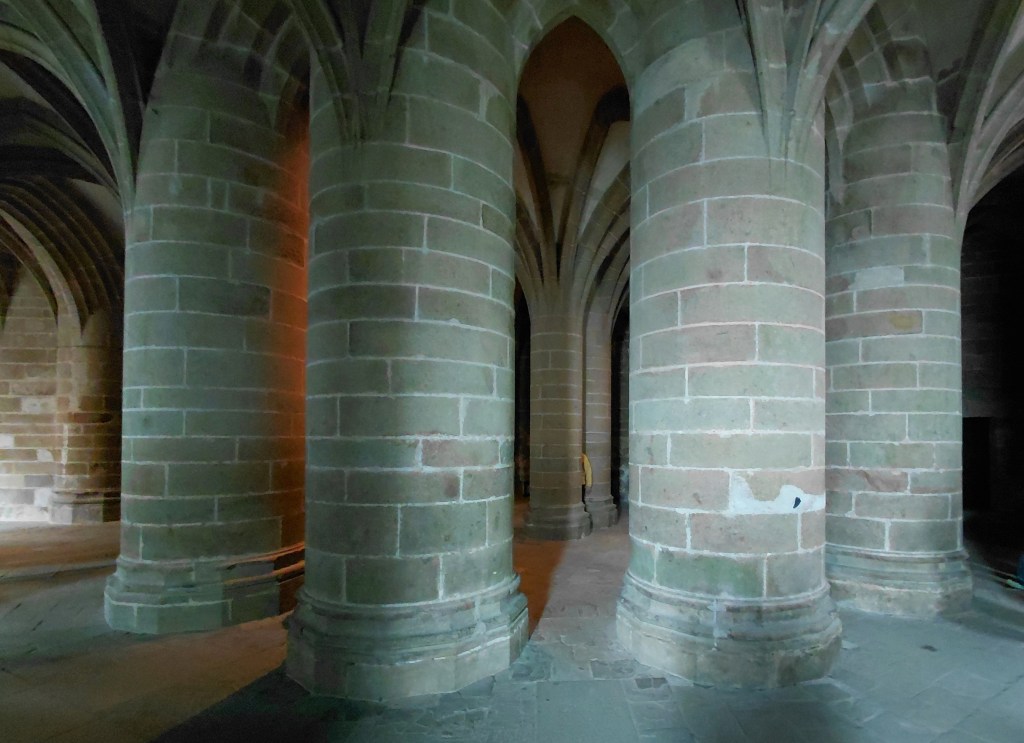
The architecture of some of the rooms, especially the vaulted ceilings was another highlight. The 15th century Crypt of the Great Pillars was pretty impressive. The final highlight was the toilet, which was free, yay!
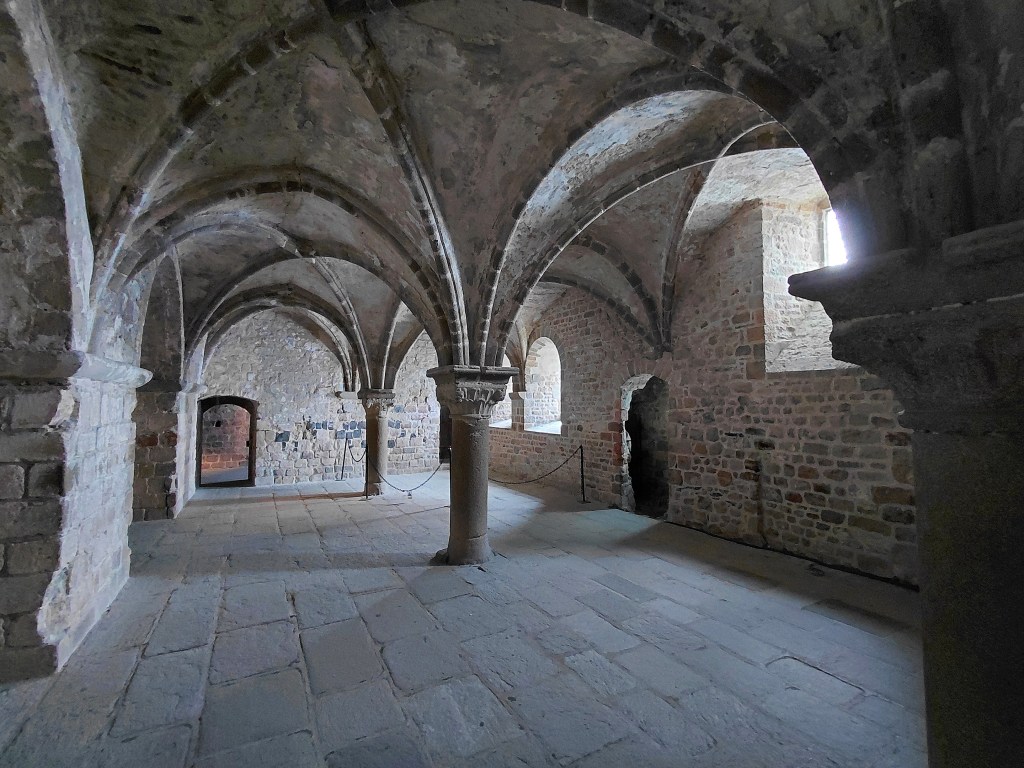
We opted to take a different route back to the main gate and squeezed through some narrow passageways and also visited the quaint [and not busy] Église Saint-Pierre on the way. We opted to get the shuttle bus back to the car park. The bus was really weird, it had a steering wheel at both ends! Our next destination was Dinan, which was to be our home for the next three nights.
Dinan
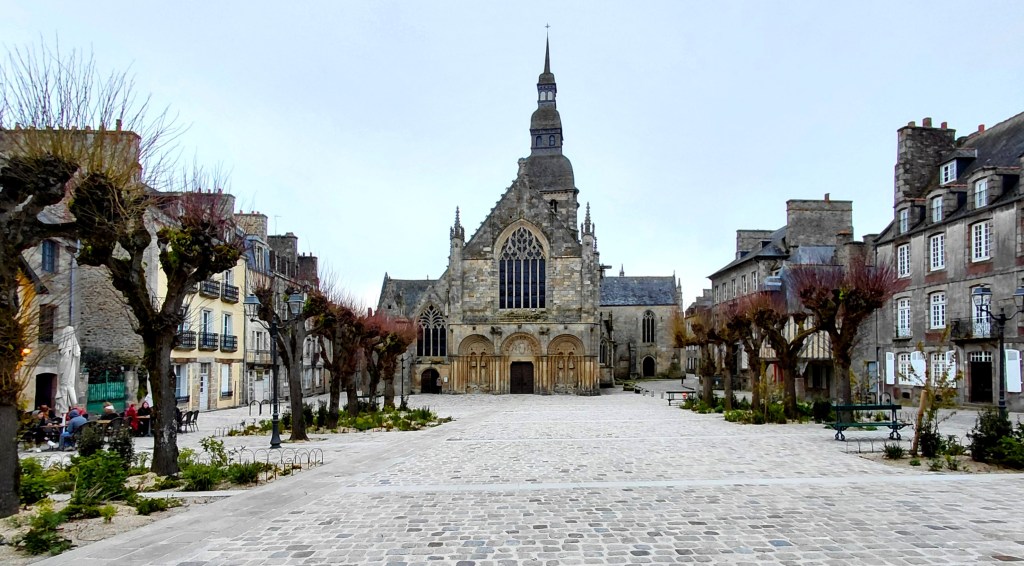
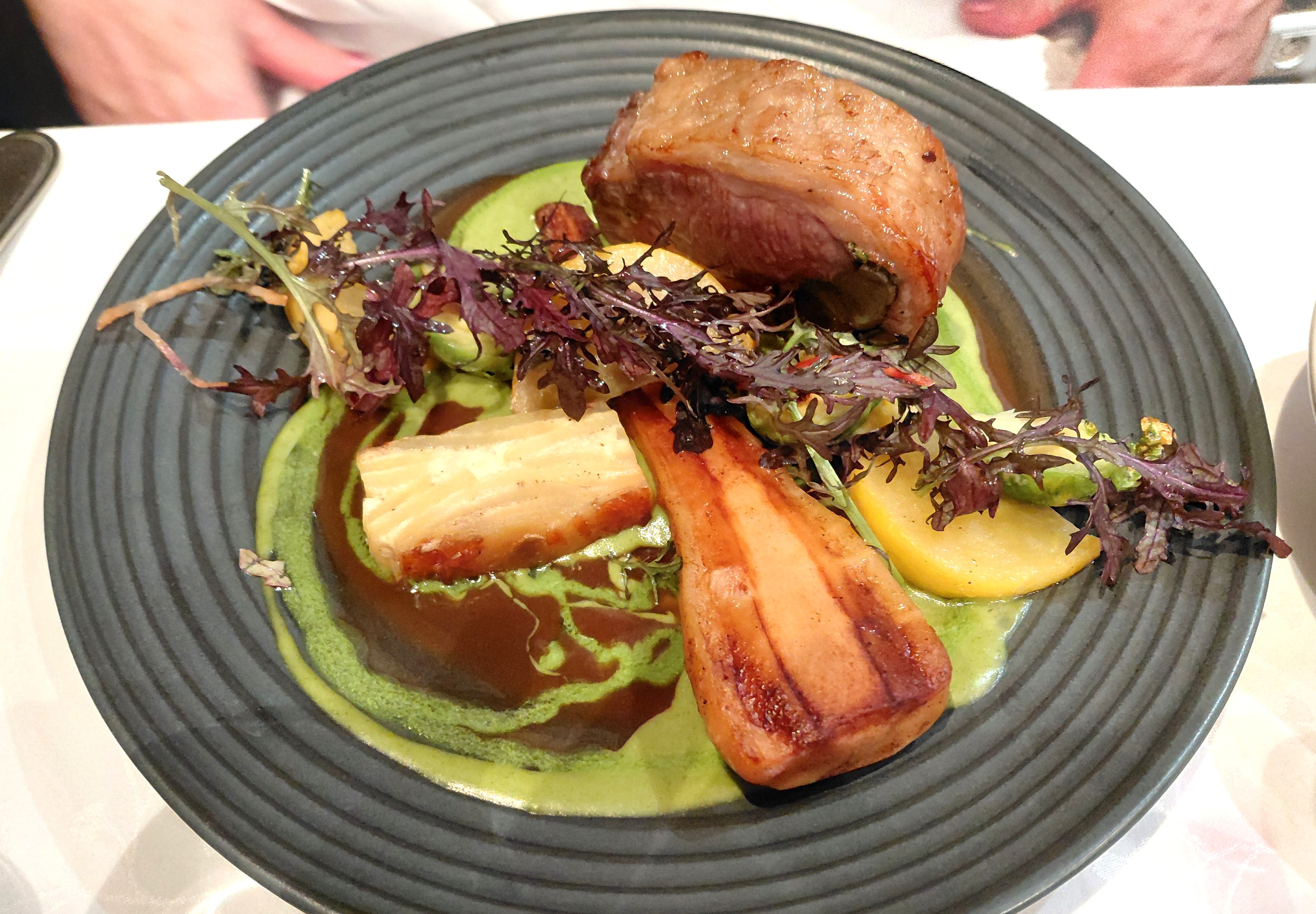
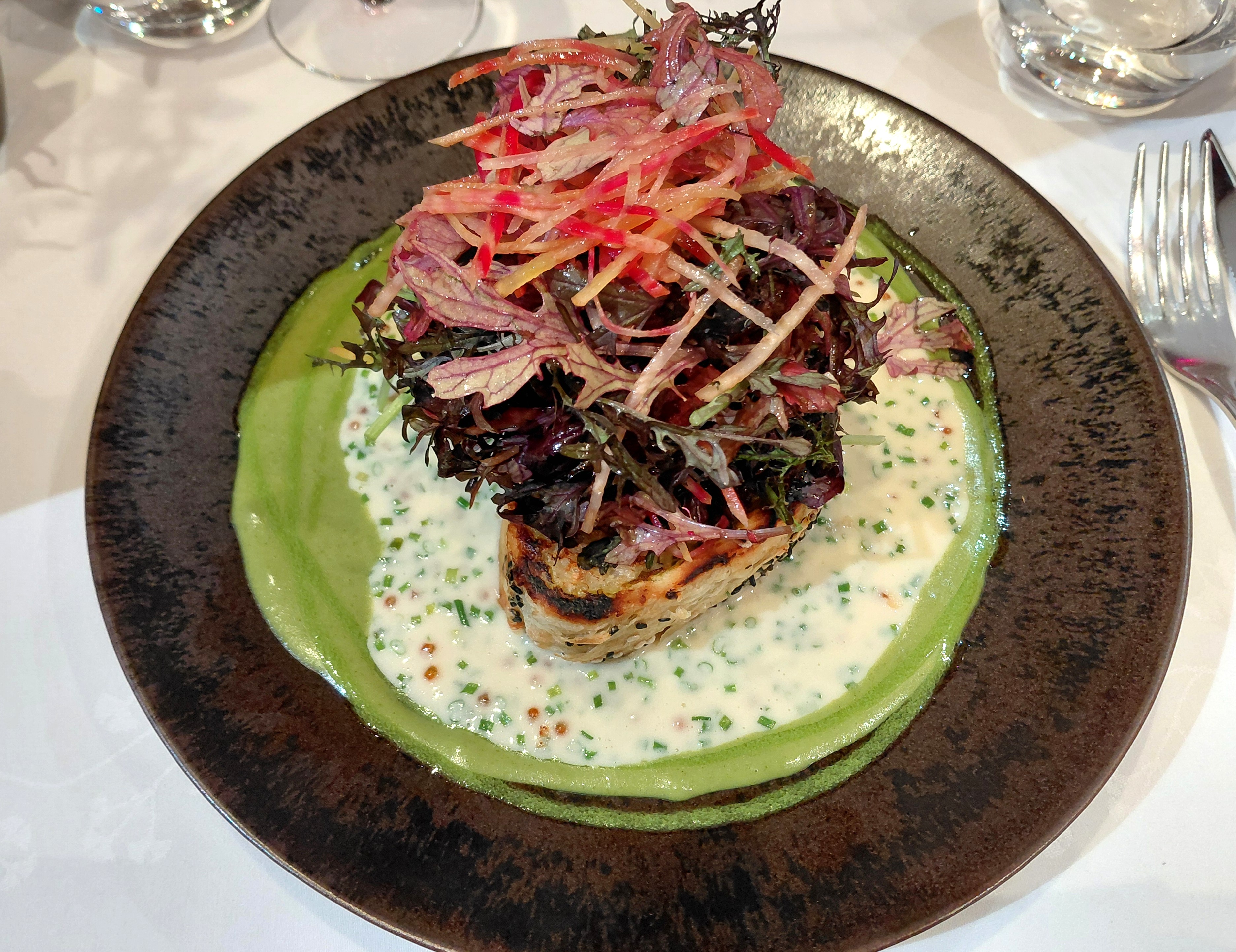
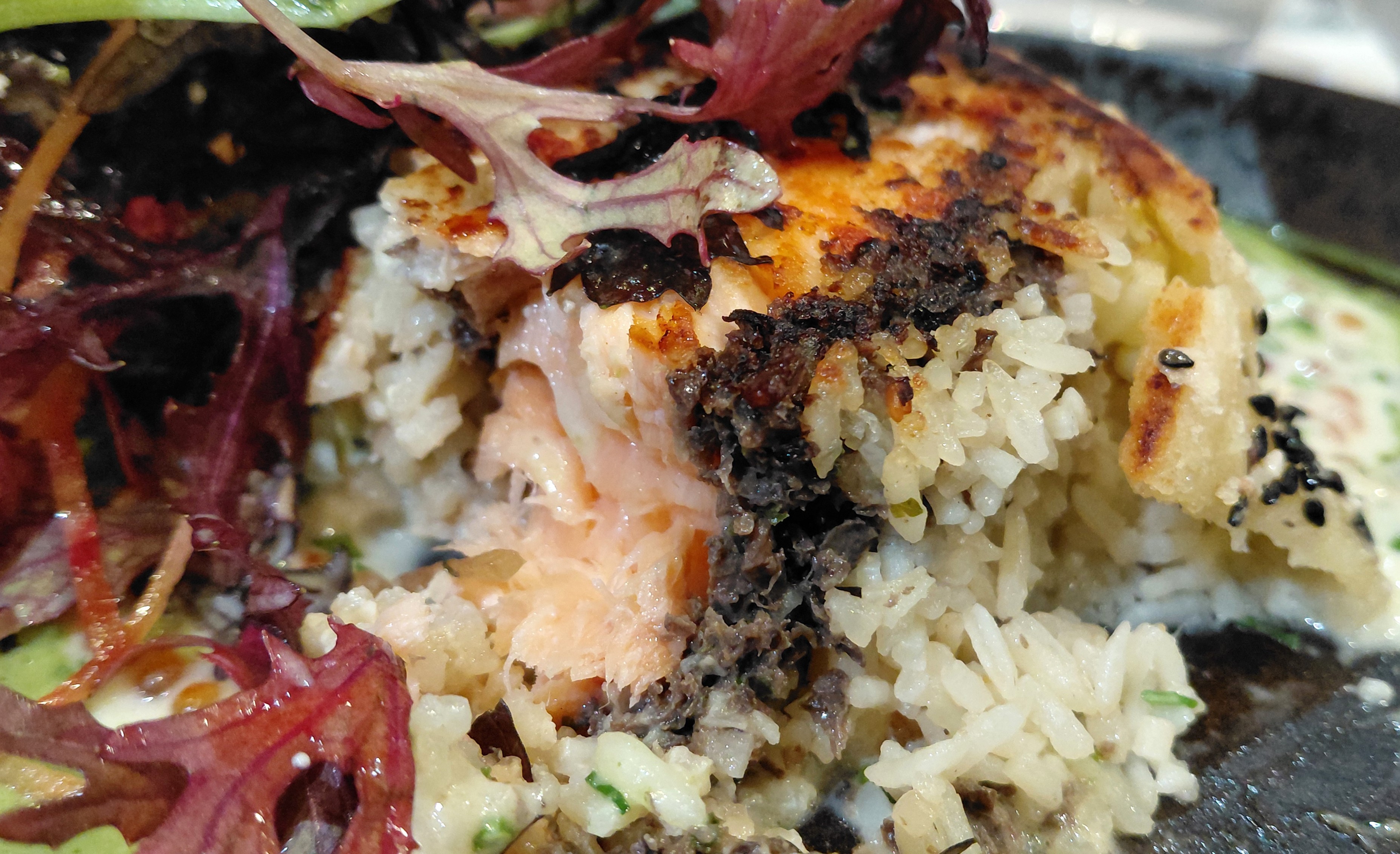
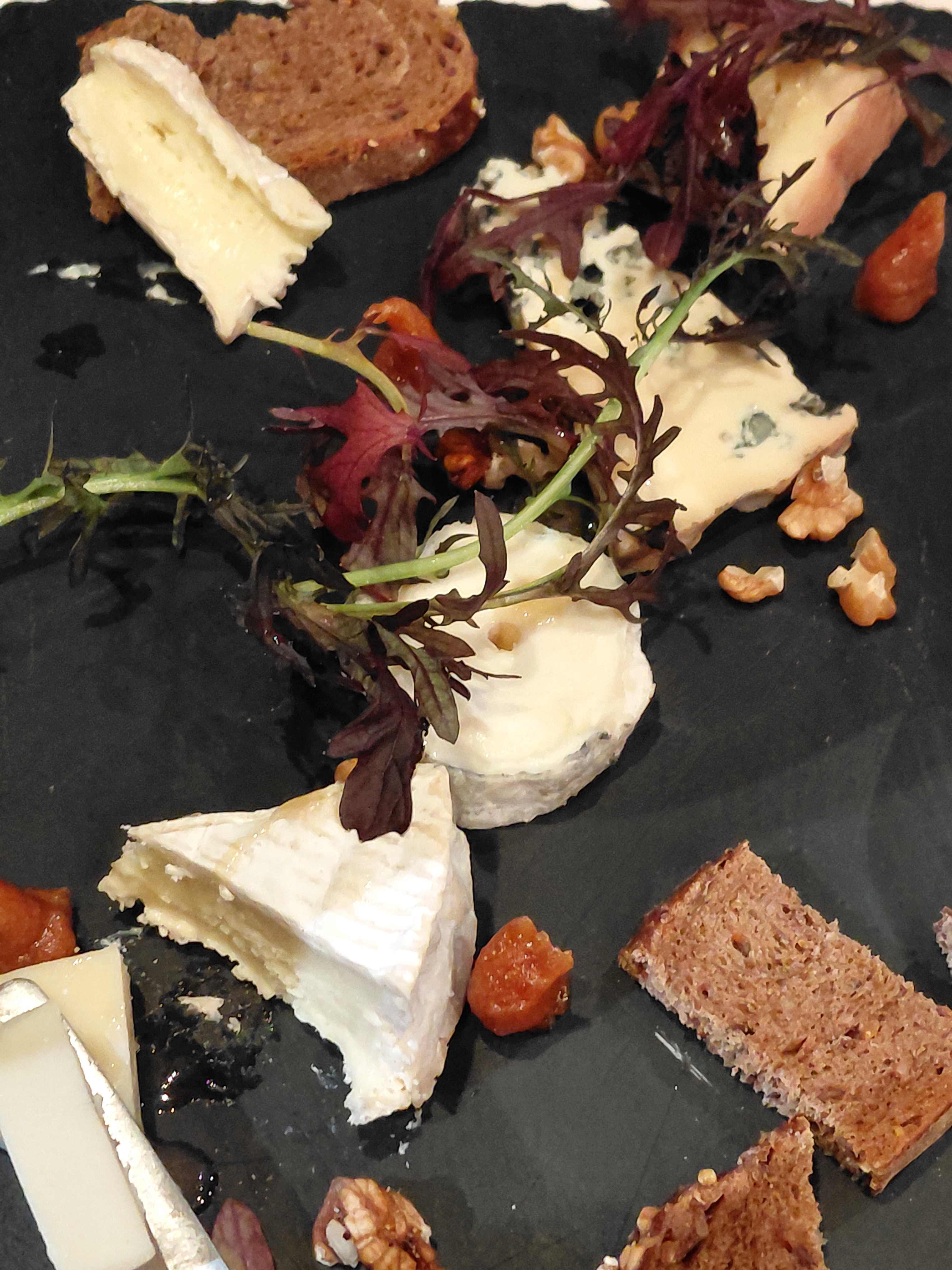
Dinan is a delightful walled citadel with many attractive medieval houses. We had time to explore before an exquisite dinner at Le Cantorbery which I had booked in advance as I knew we were likely to be knackered [and hungry] after our time at Mont Saint-Michel.
Day 7 – Dinan and a trip to Saint-Malo, Brittany
Our plan for today was to head to St Malo, the most visited place in Brittany [which is one of the reasons we chose to stay in Dinan!]. St Malo was just a half an hour drive away.
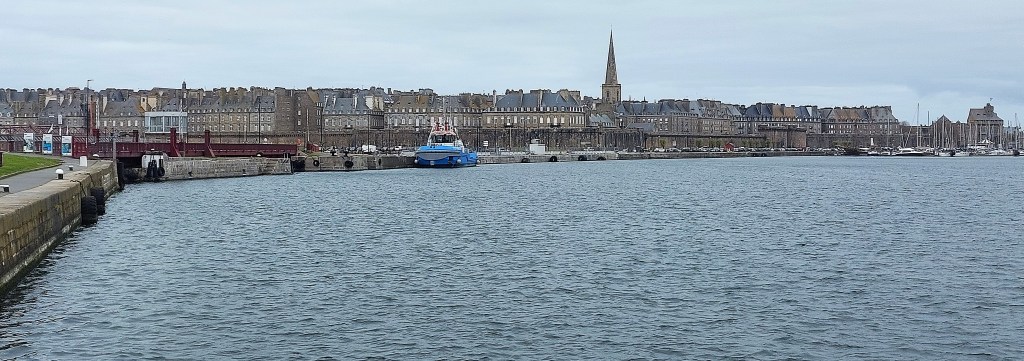
Saint-Malo, The Citadelle
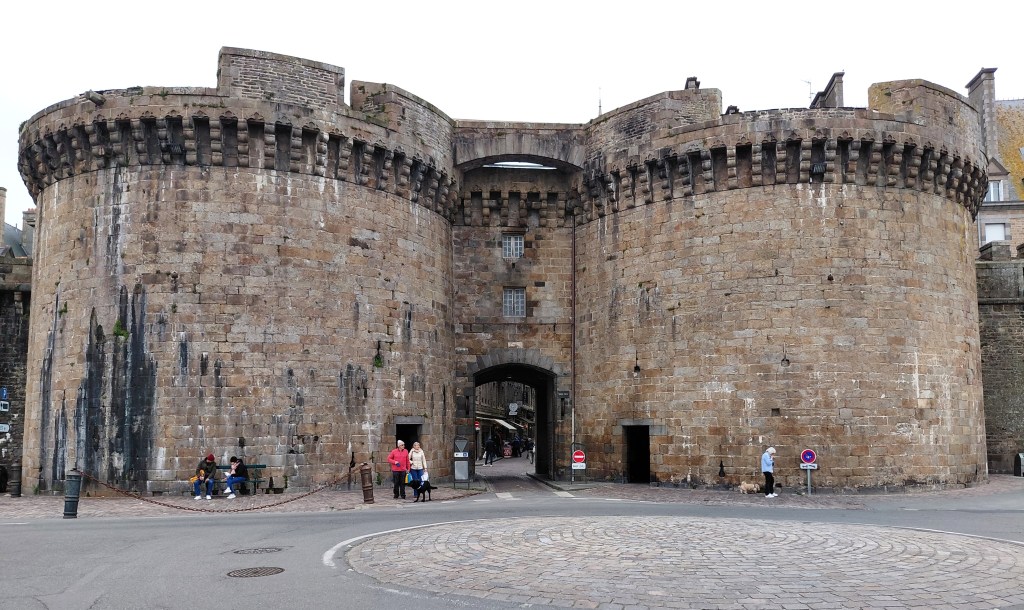
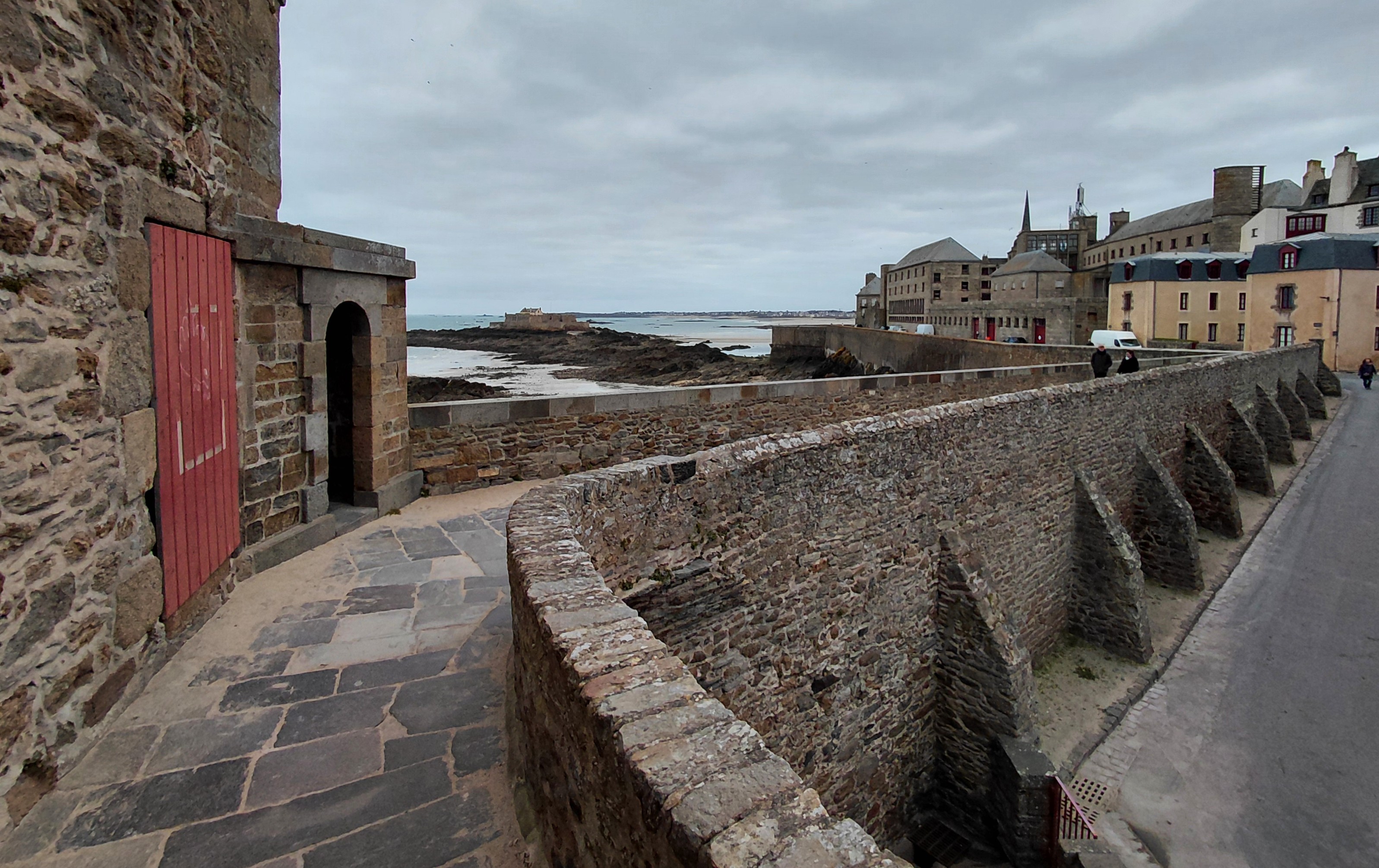
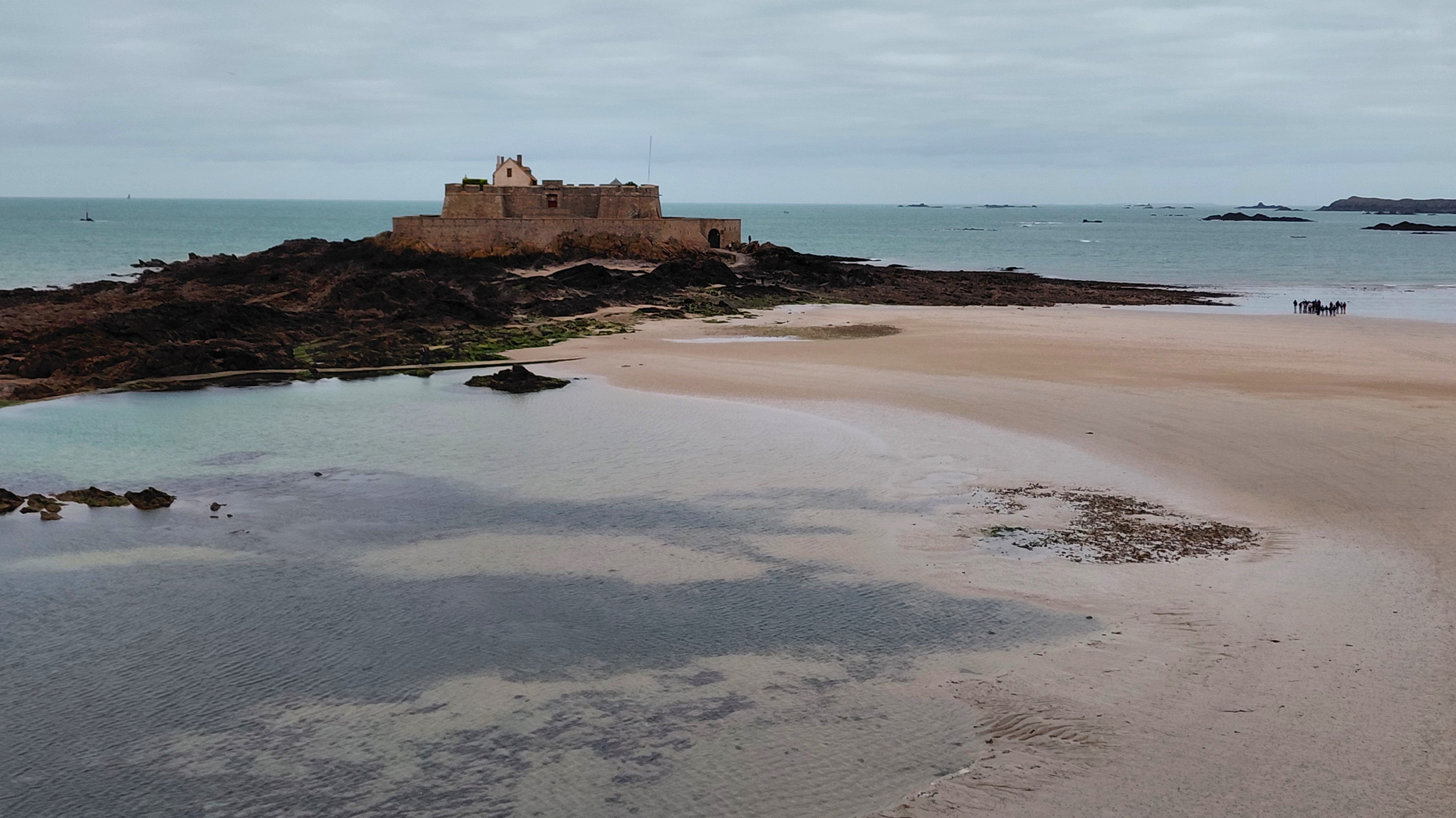
We were pleased to find free parking and had a tasty Turkish lunch at Mignon Cafe before walking towards the walled Old Town. Approaching the citadel we were gobsmacked by the sheer size of the walls and we eagerly entered via the appropriately titled Grande Porte. It was early April and we were pleased that it was not busy with tourists, I am led to believe that in the high summer it is heaving.
We wandered around the streets for about an hour. The reason that many of the 17th and 18th century buildings within the walls looked so pristine is that many were rebuilt after the 2nd World War after the heavy bombing by the Allies.
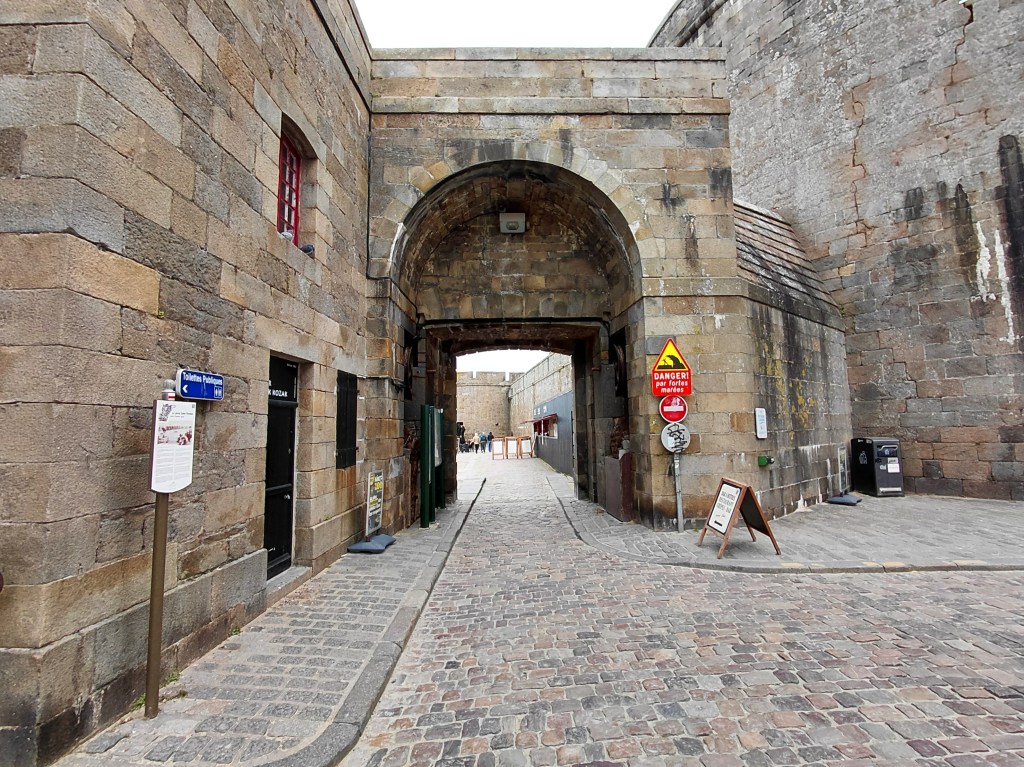
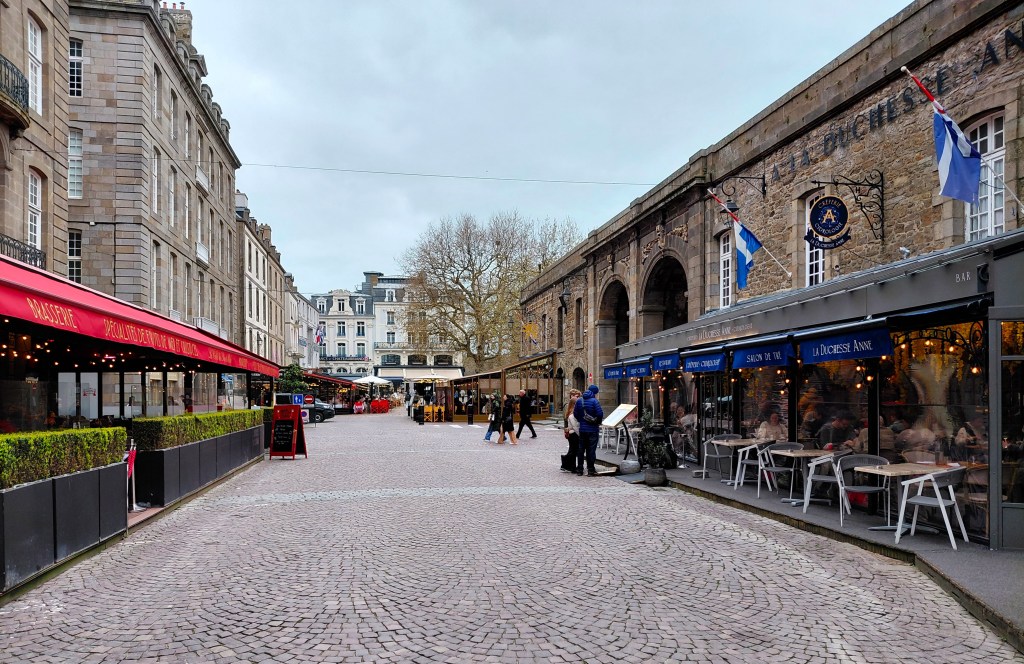
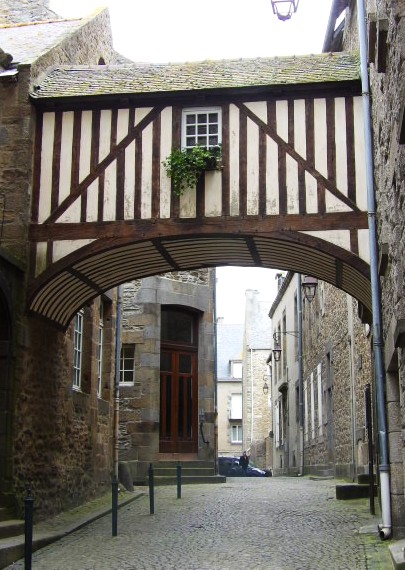
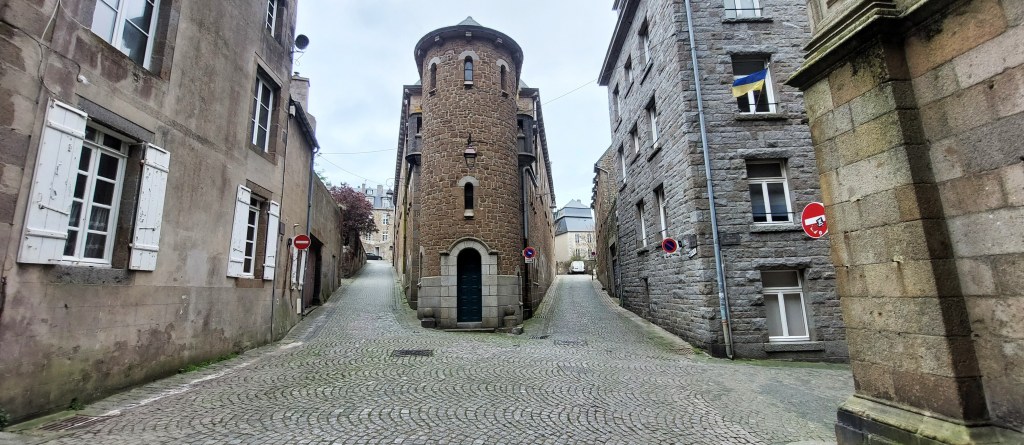
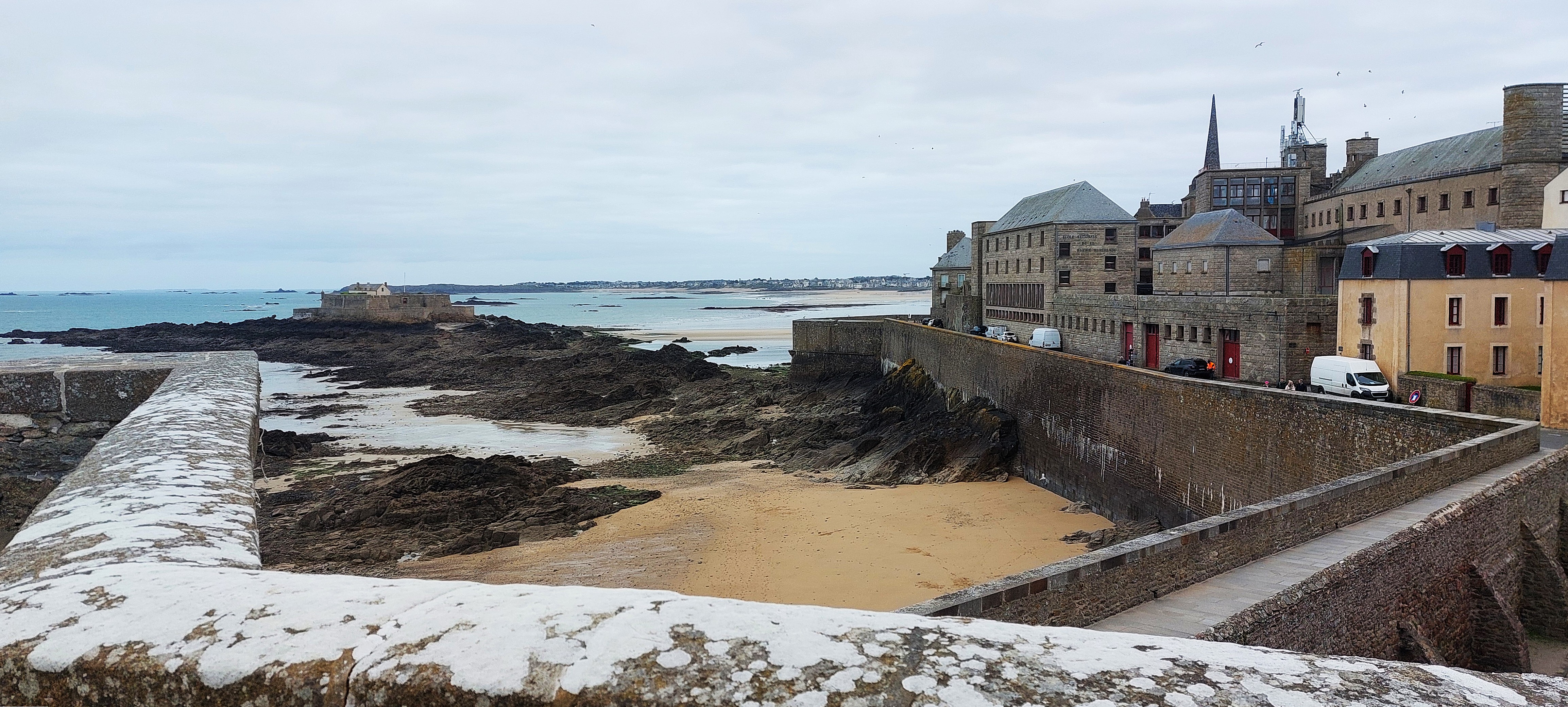
We enjoyed taking in the changing views from the ramparts and continued to the northern part of the town where it was alot quieter and ended up at the Cathedral.
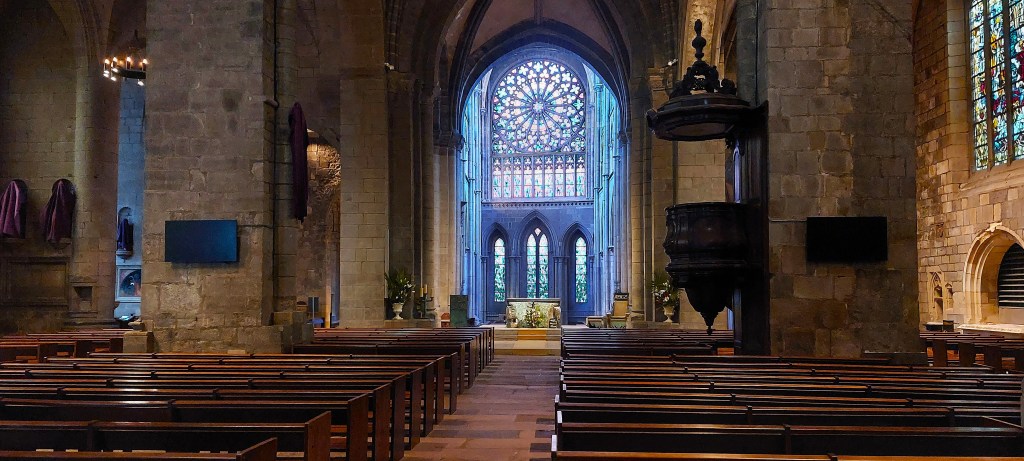
Cathedral St Vincent dates from the 12th century and like much of Saint-Malo had been reconstructed after the 2nd World War. The stained glass windows are impressive, especially the large rose window behind the altar.
After visiting the Cathedral we walked back to the city gate and returned to our car before driving to La Cité d’Alet which is a peninsular to the south of Saint-Malo. We could have walked there but driving was quicker!
La Cité d’Alet
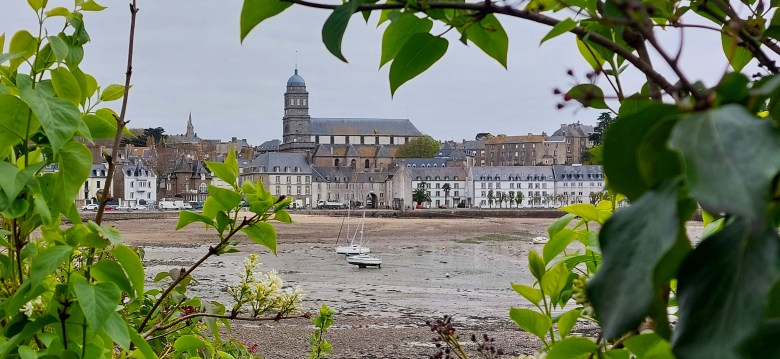
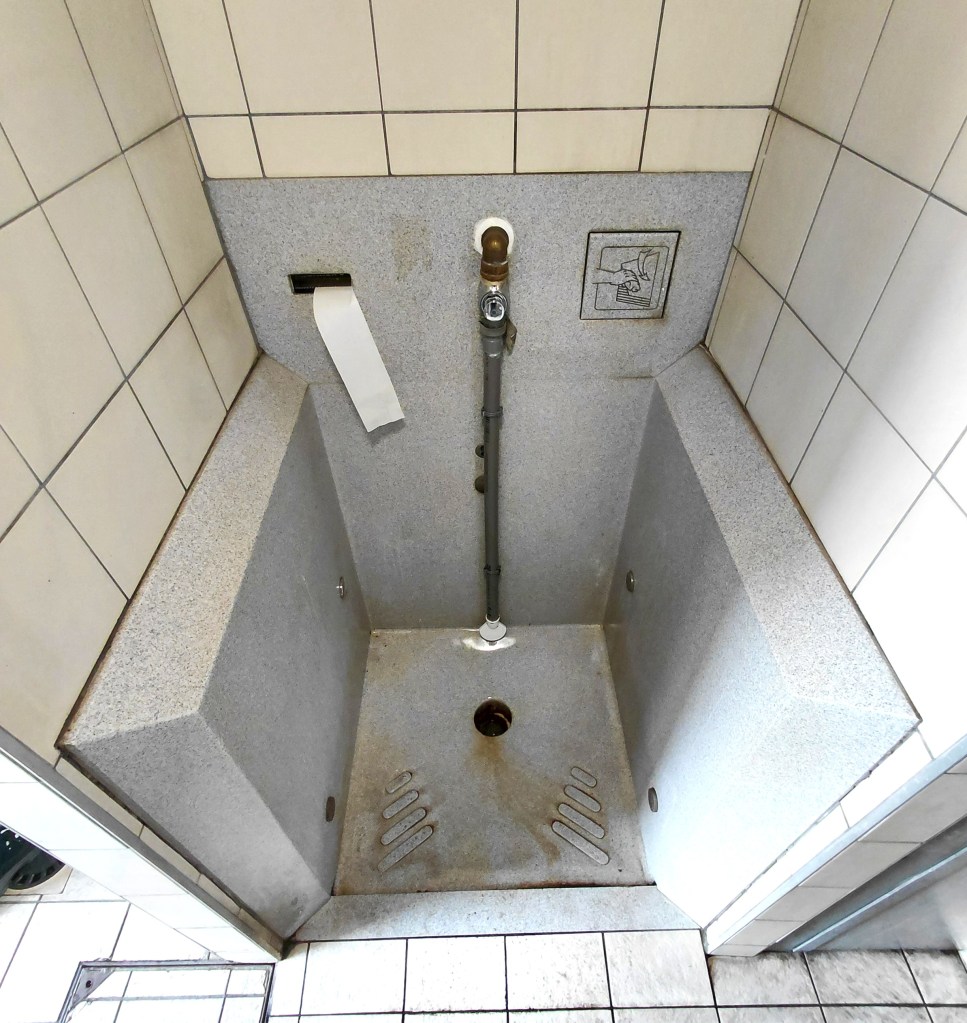
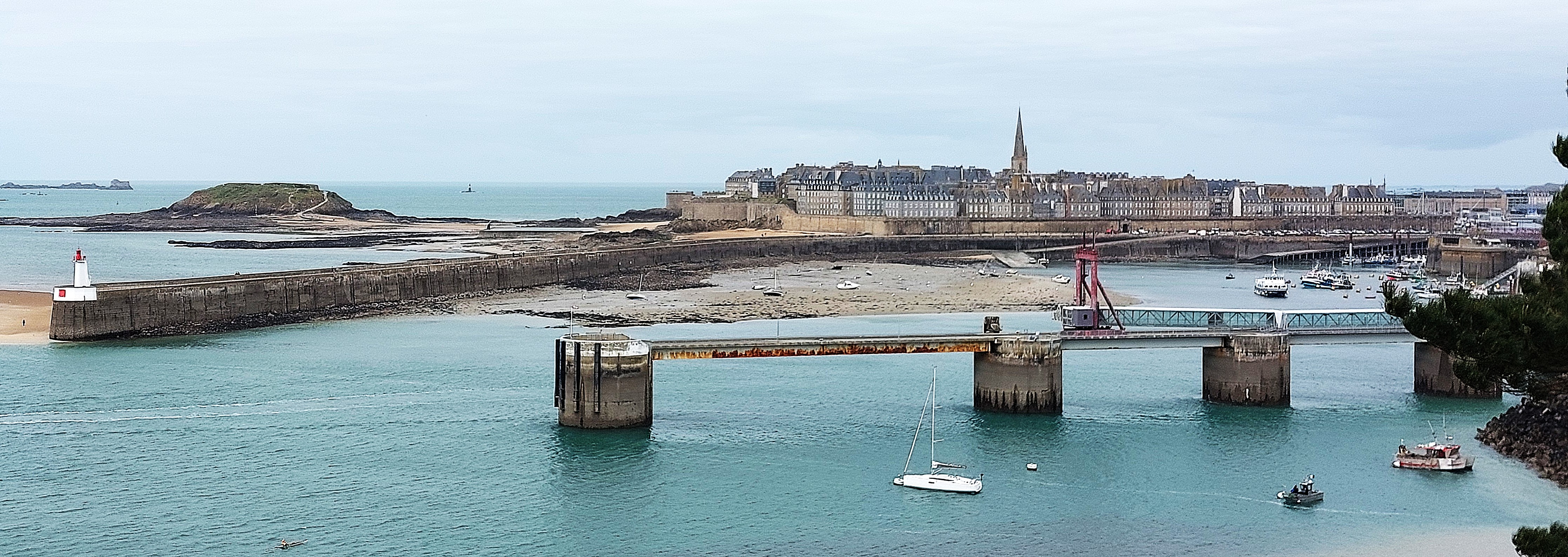
La Cité d’Alet in the Saint-Servan district is the birthplace of Saint-Malo. It’s an attractive and tranquil area with lovely views towards the docks, [it looks better than it sounds]. We loved it here, there were hardly any tourists [or anyone] around. It had the air of a sleepy seaside village, although the public toilets were rather basic.
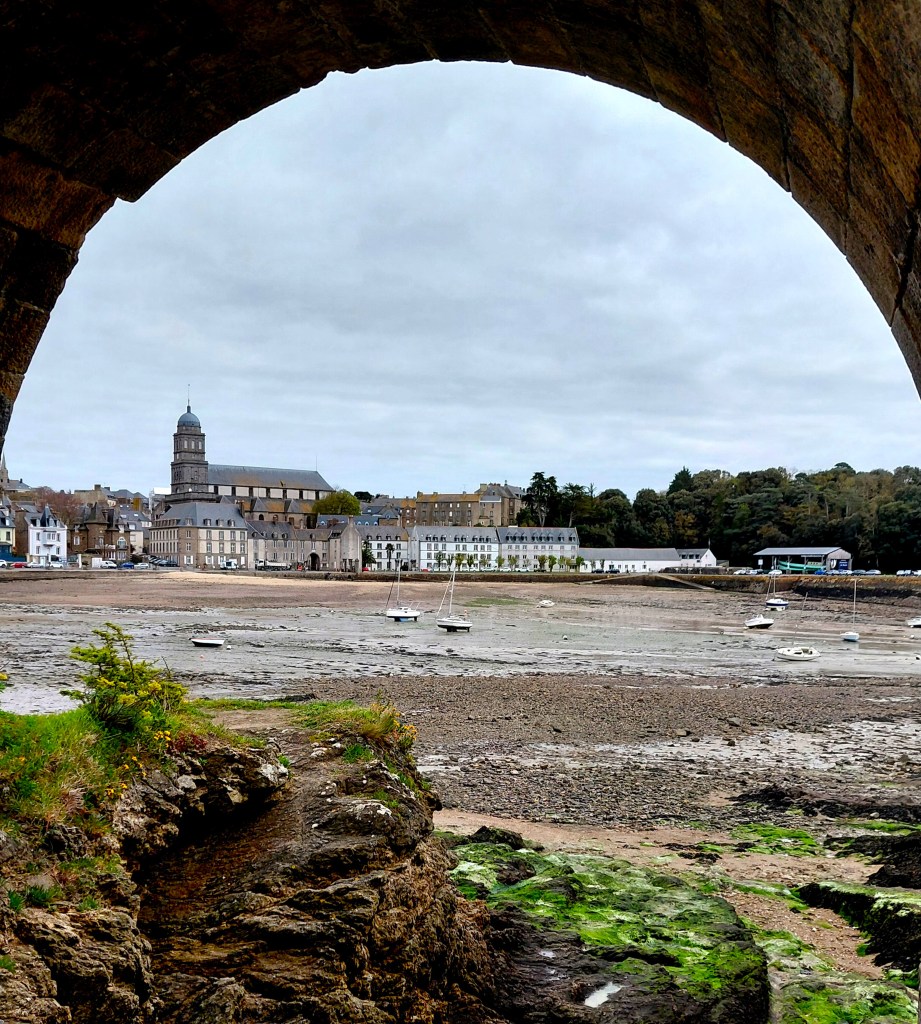
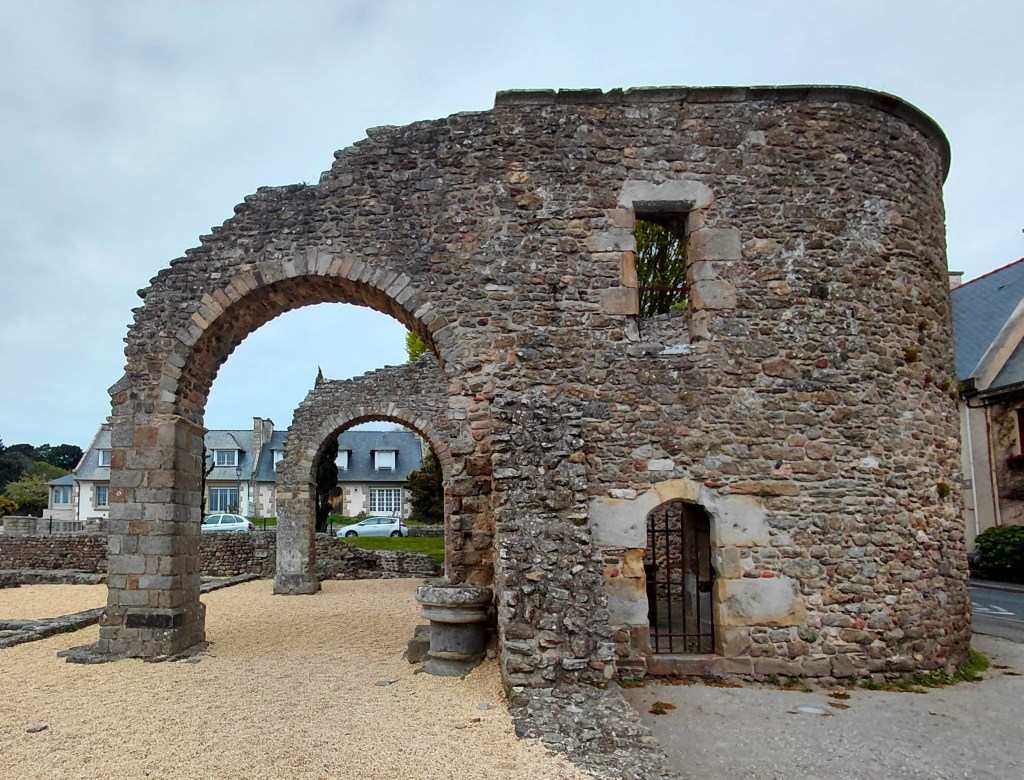
Some of the ancient town walls date from the 4th century. There are also the scant remains of the Cathedral Saint-Pierre d’Alet which dates from the 10th century.
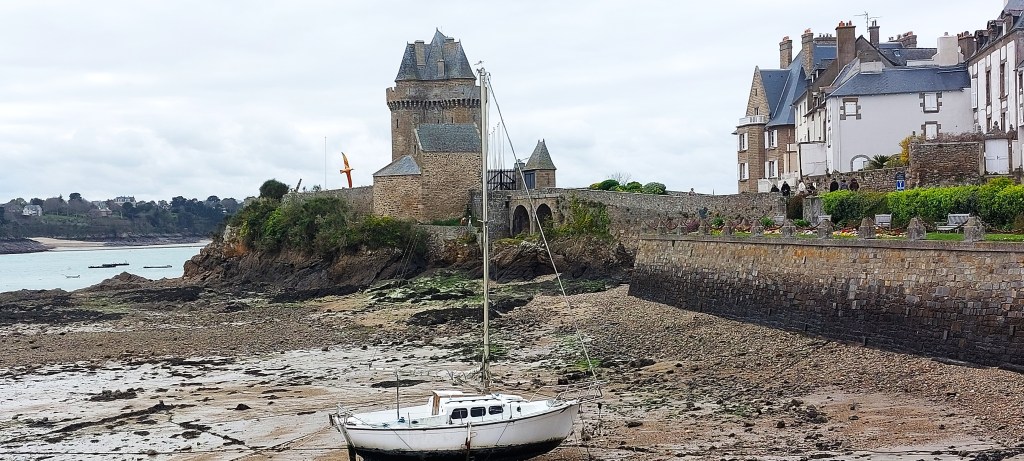
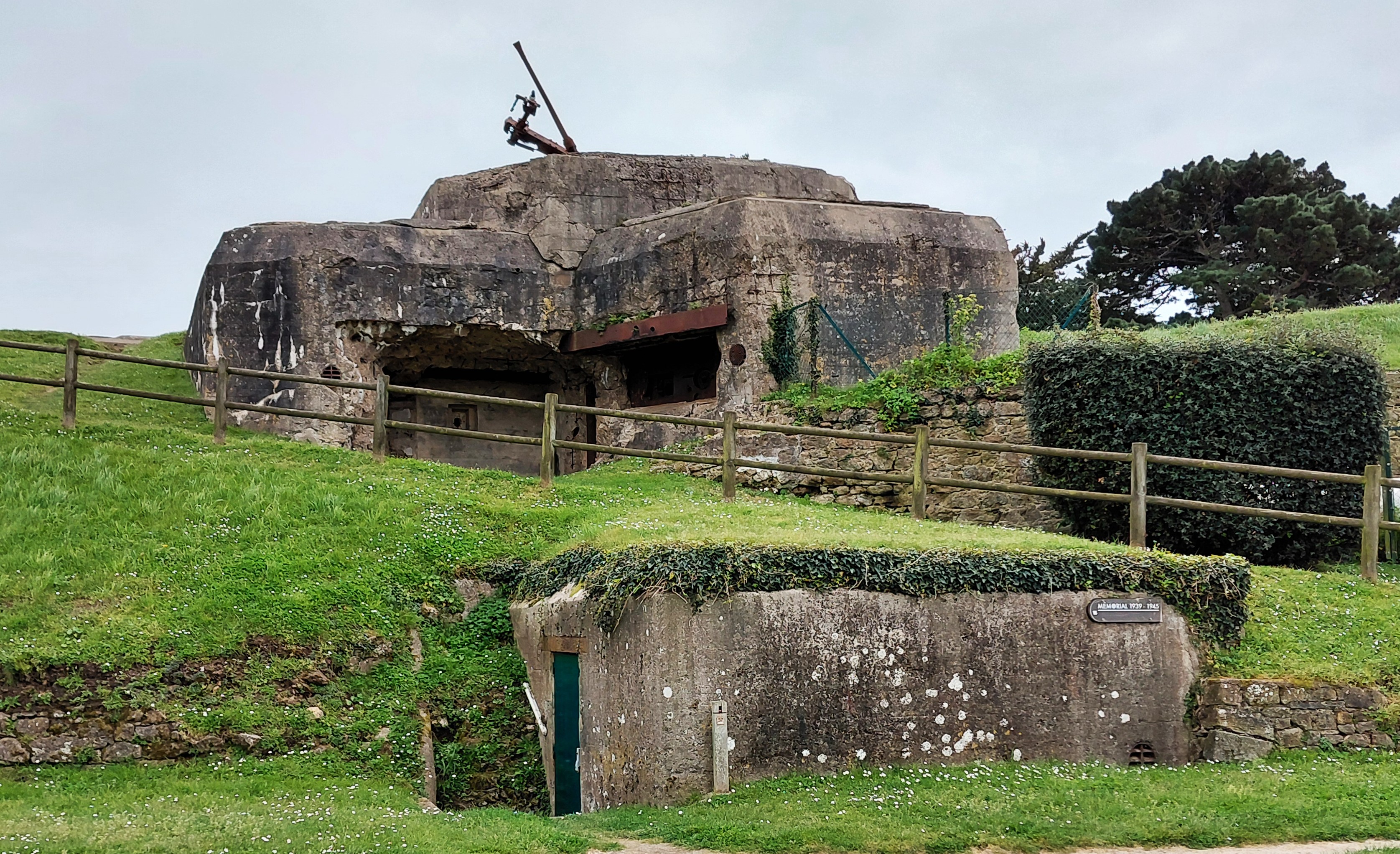
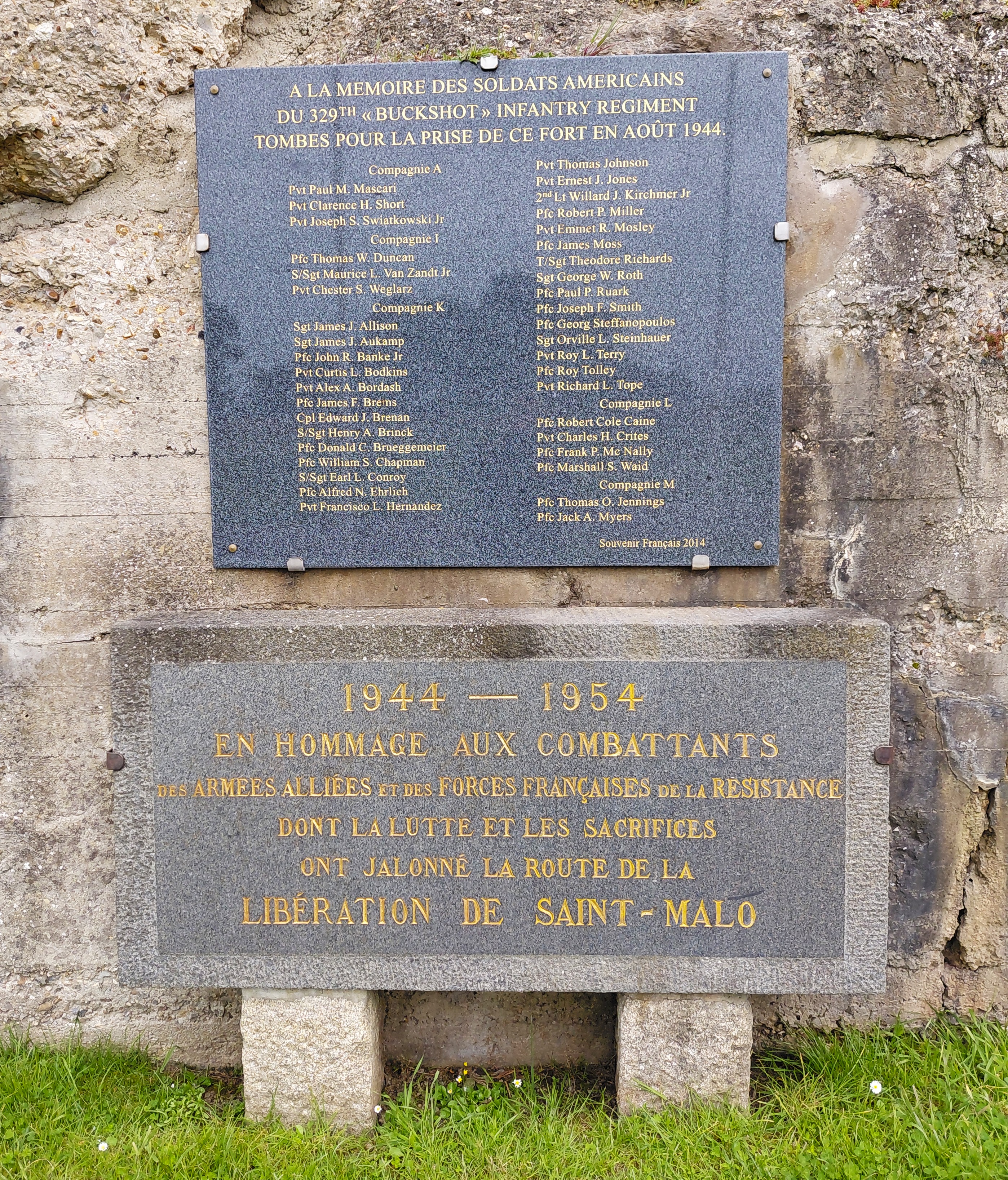
We drove up the hill to Le Mémorial 39-45 which is a WW2 memorial and museum based in and around old German WW2 military bunkers. The site was clearly chosen for it’s strategic position overlooking Saint-Malo and the views towards the citadel were great. We did not pay to enter the museum, we were happy to walk around the bunkers and gun emplacements.
We did not have time to visit Cancale, a small fishing village to the east of Saint-Malo but popped into a E.Leclerc Supermarket on the edge of Saint-Malo instead which was a wonderful experience. Real deli counters with a wonderful wide range of fresh food with real humans serving. It made us wonder why British supermarkets are so shite?
Port de Dinan
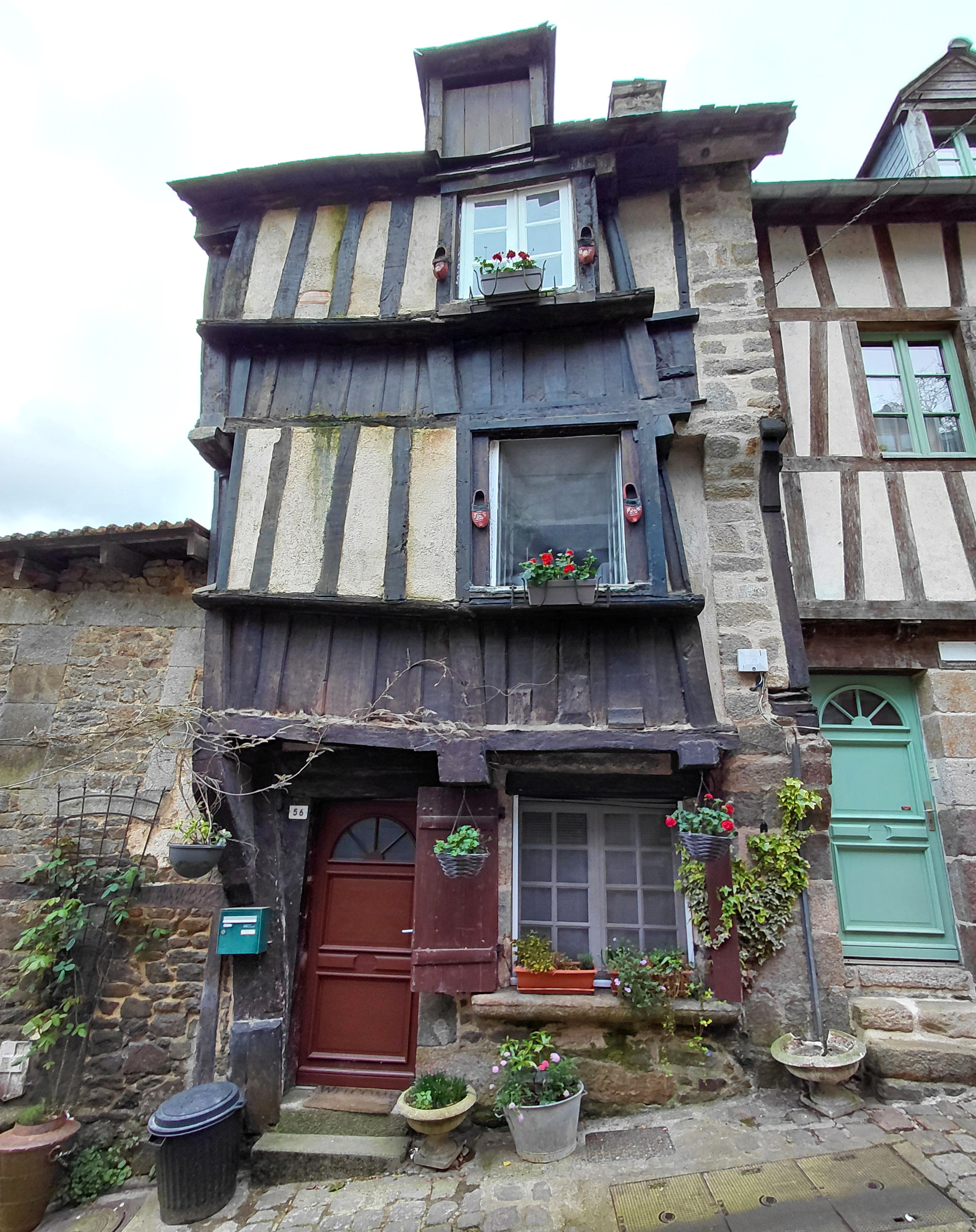
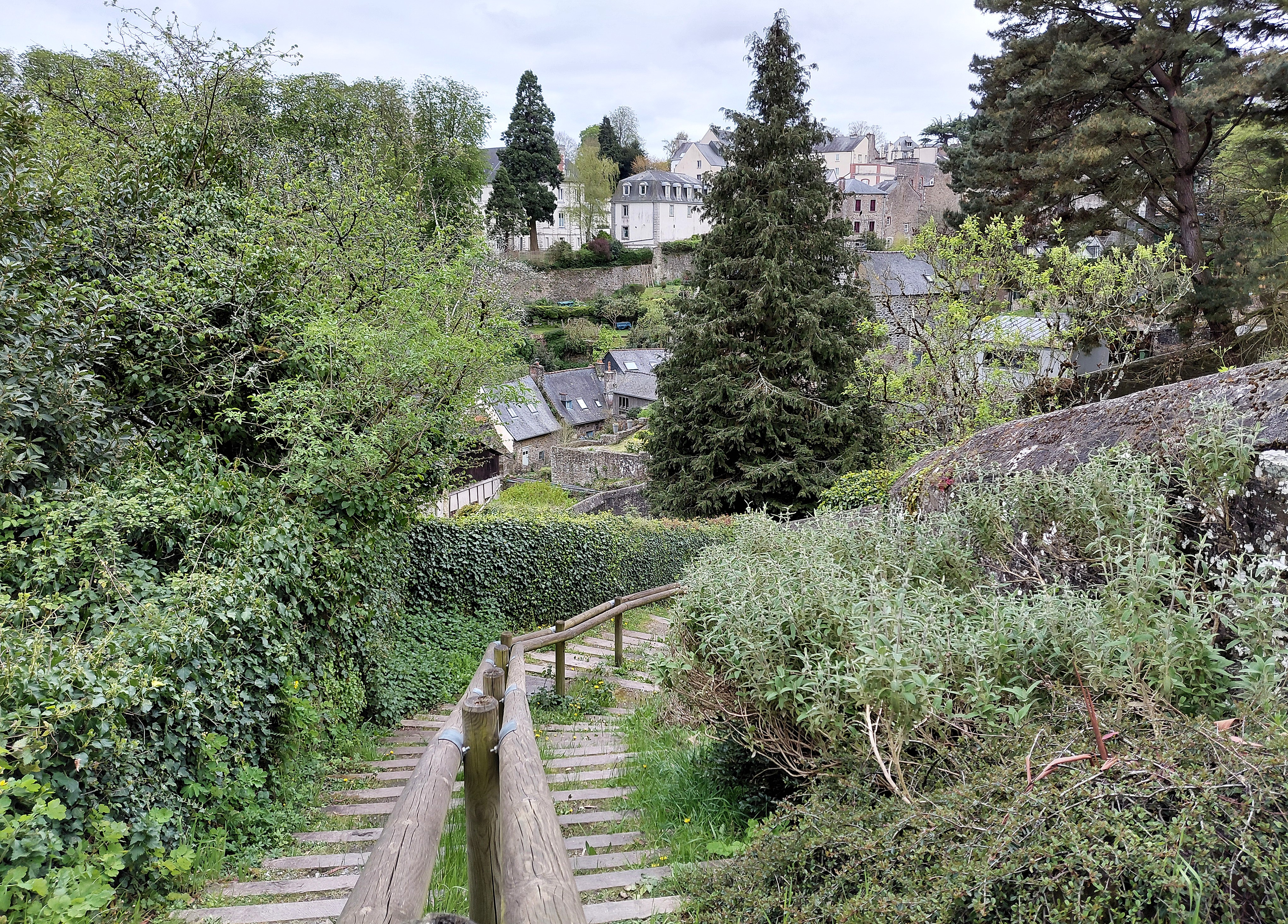
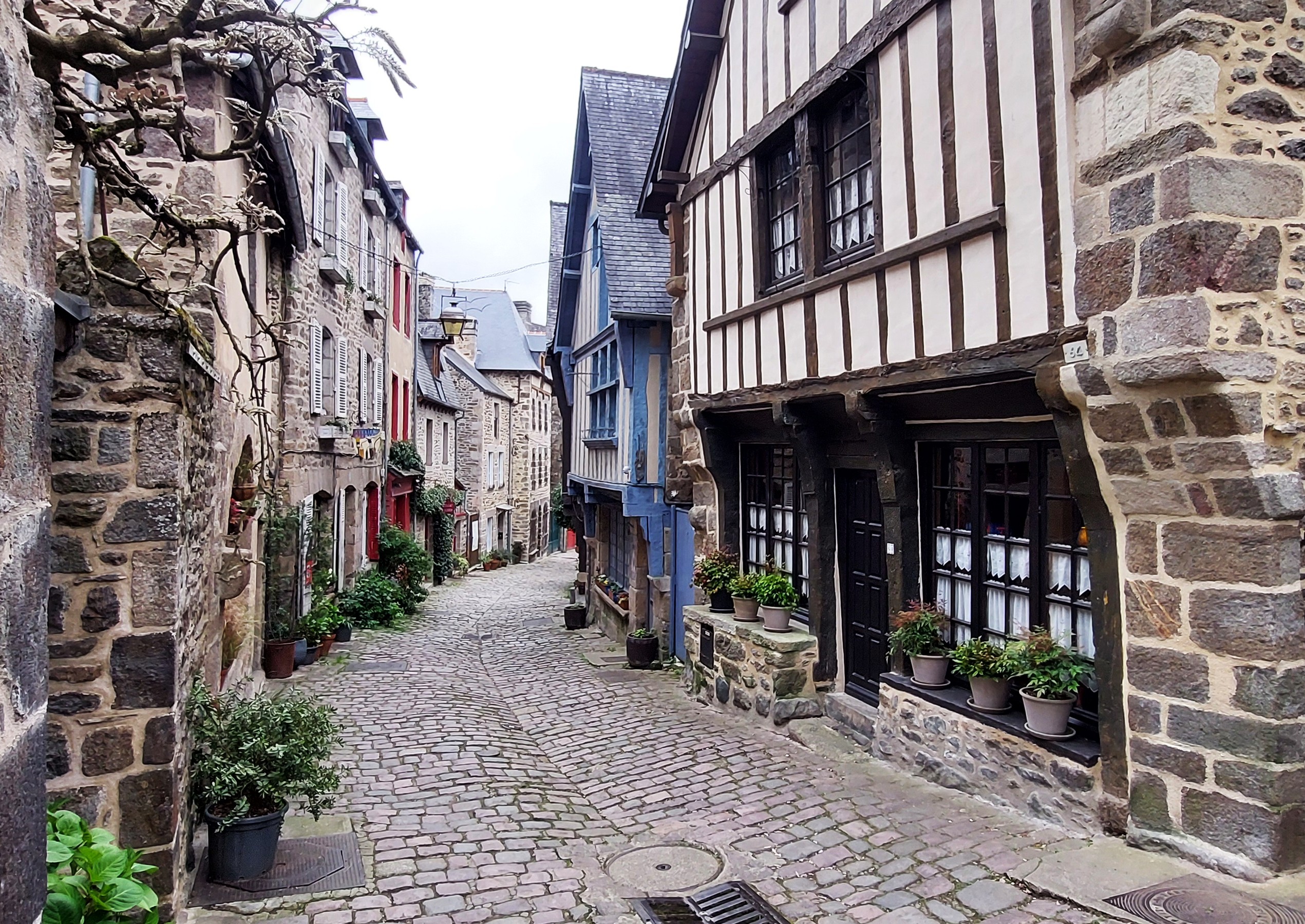
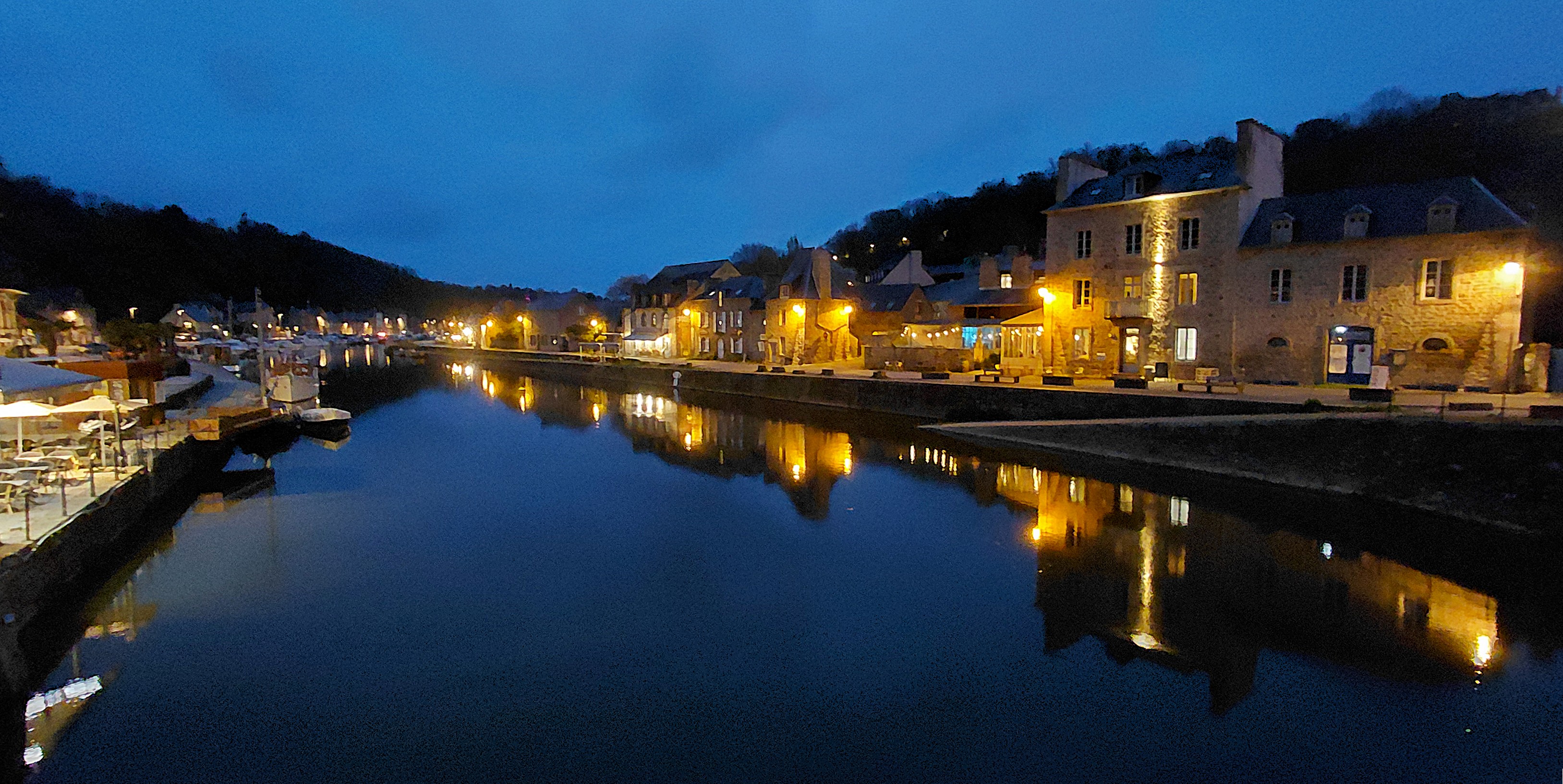
We were back in Dinan by the early evening. We hadn’t had much to time to explore the town yet but hoped to see more on our way to dinner at L’Atelier Gormand which was down by the River Rance. The walk to get there was wonderful, albeit quite steep at times and took us past some lovely medieval buildings.
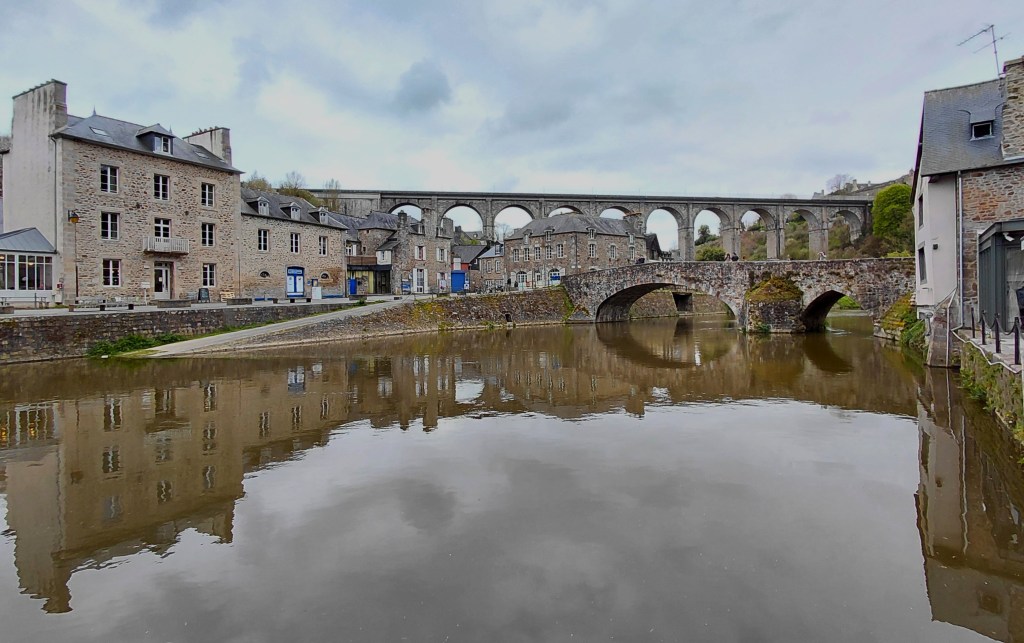
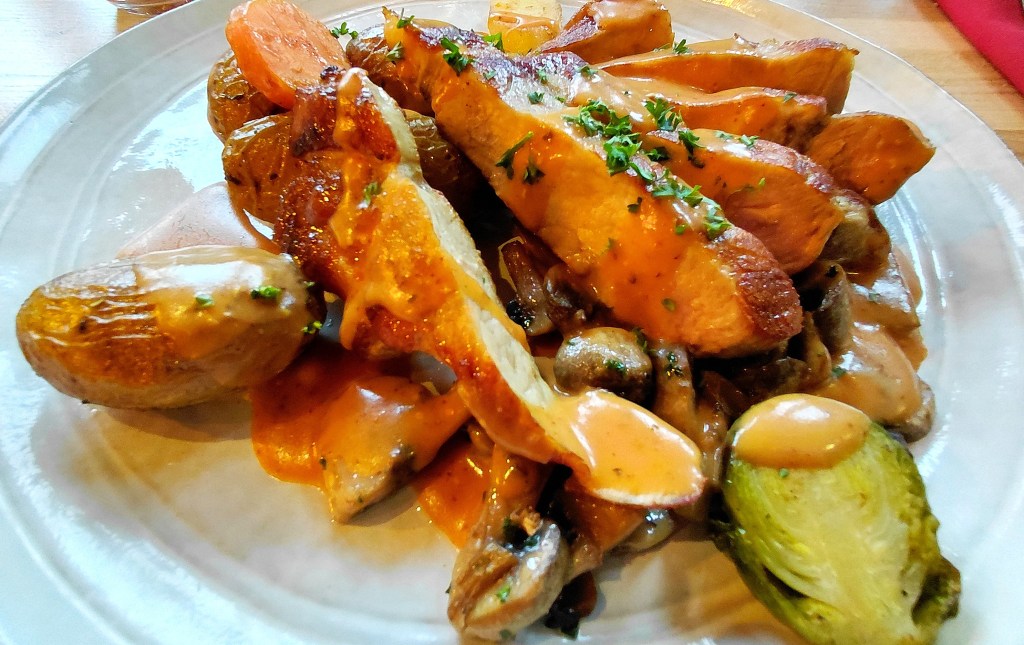
The port area was really lovely, so different to the Dinan on the hill. We had time for a stroll along the river before dinner at L’Atelier Gormand which is on the banks of River Rance next to Ponte Gothique. Our dinner was superb.
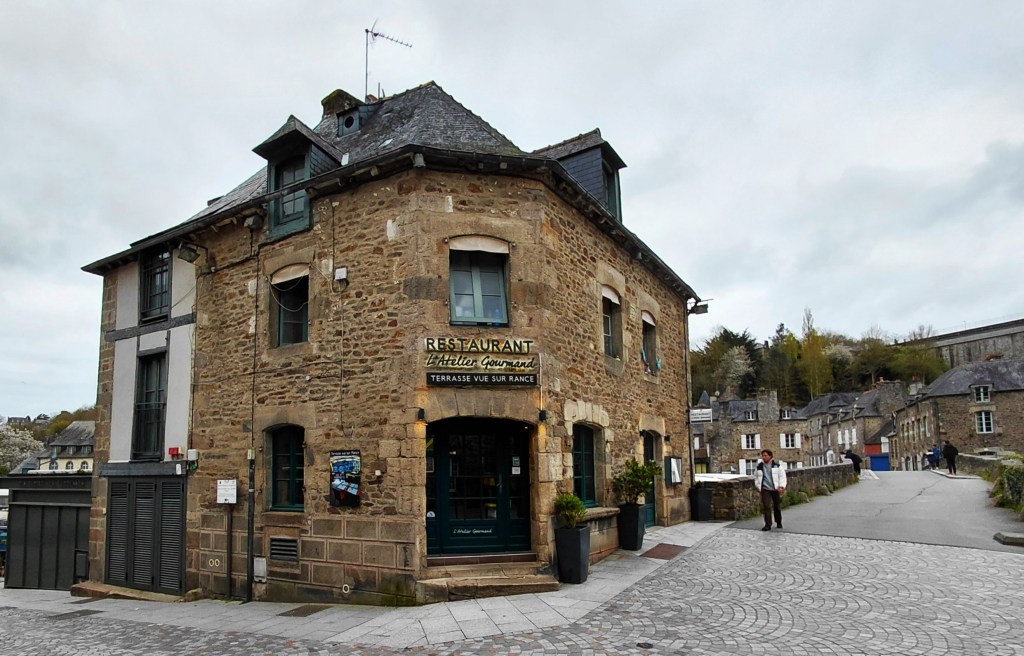
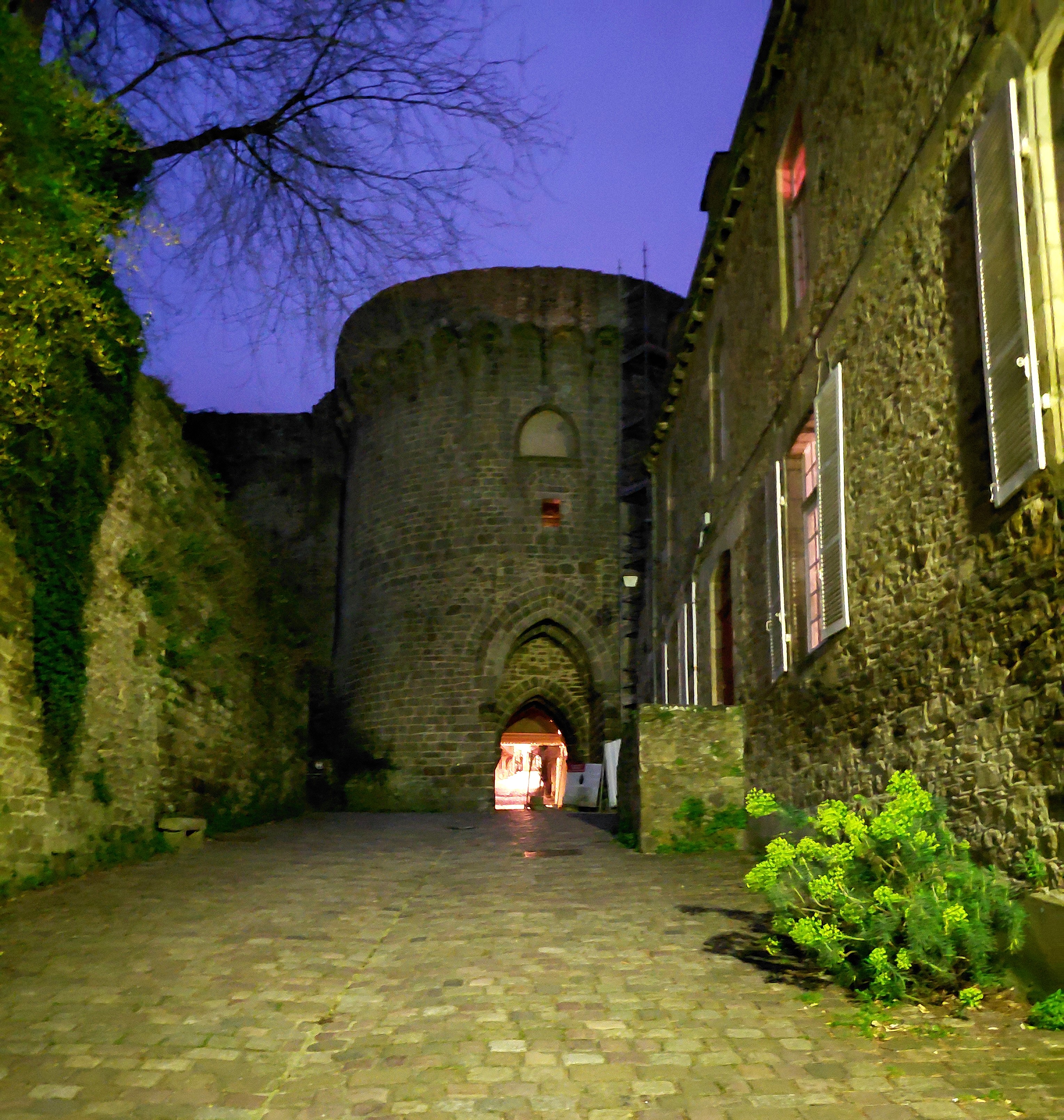
The uphill walk back to our accommodation wasn’t too strenuous and the cobbled streets were empty and looked lovely. We re-entered the walled city through the impressive Porte du Jerzual which dates from the 14th century.
Day 8 – Dinan, Brittany
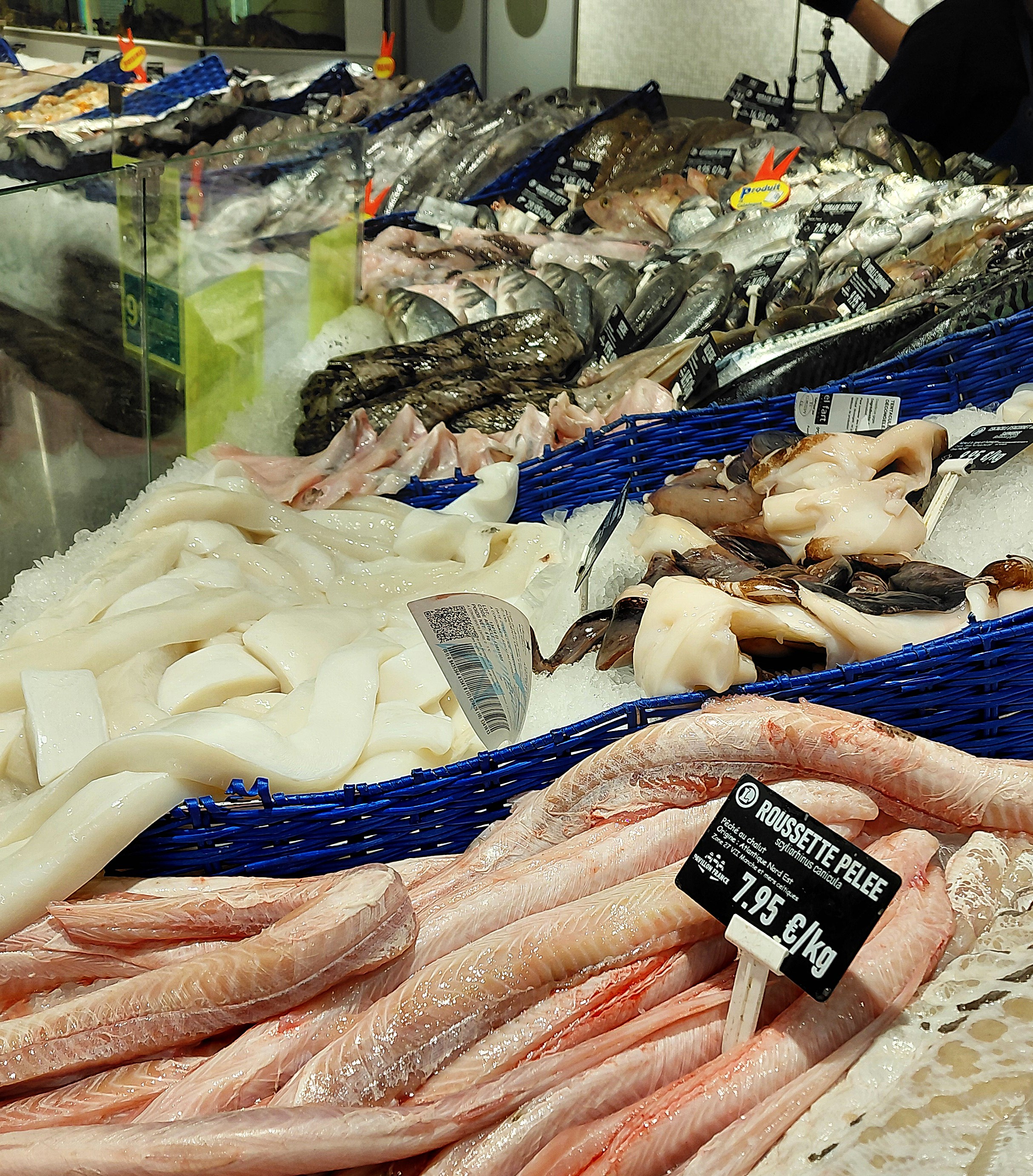
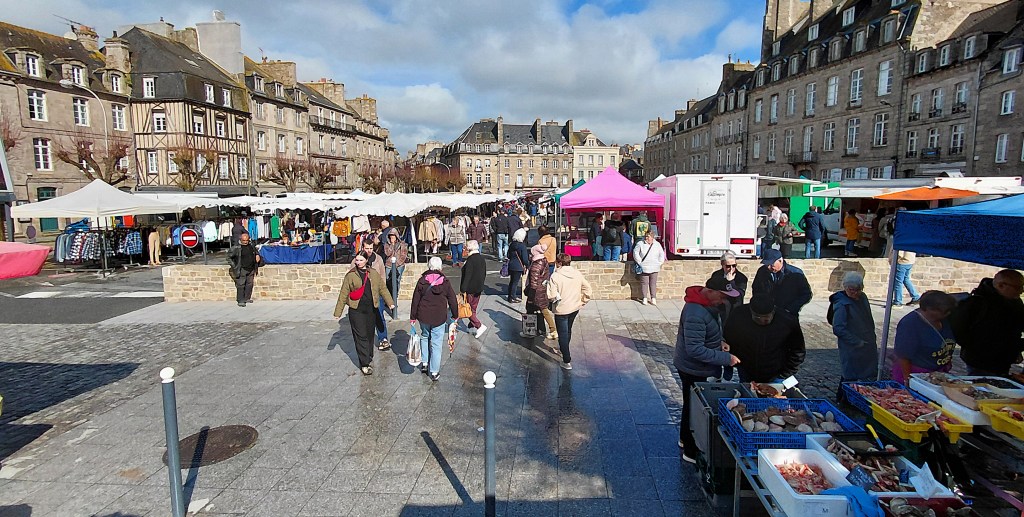
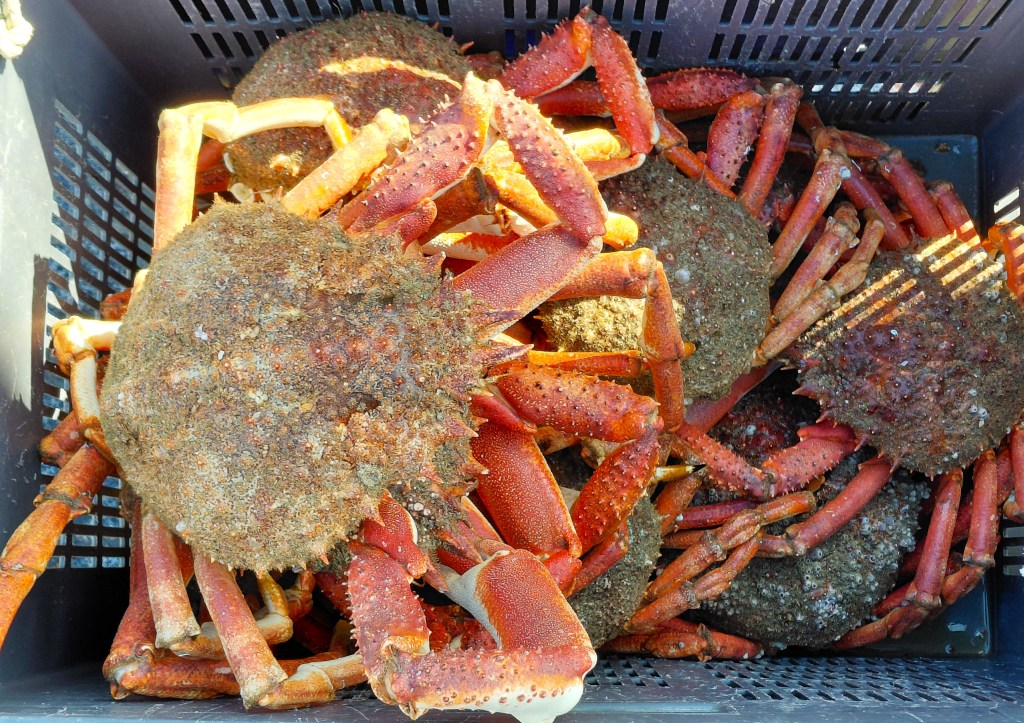
Today we decided to be lazy and stay in Dinan and have a good look around. It was thursday and that meant it was market day. We both love mooching around a good local market even if we don’t buy anything. The market is held in and around Place Duguesclin and Place du Champ-Clos. The seafood on offer was incredible!
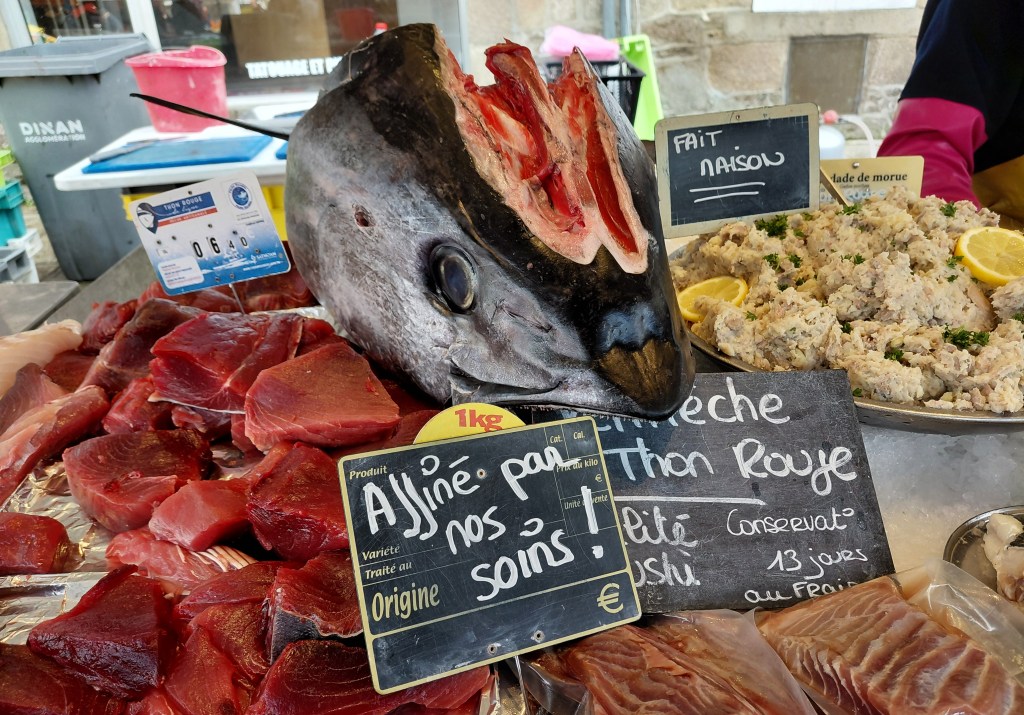
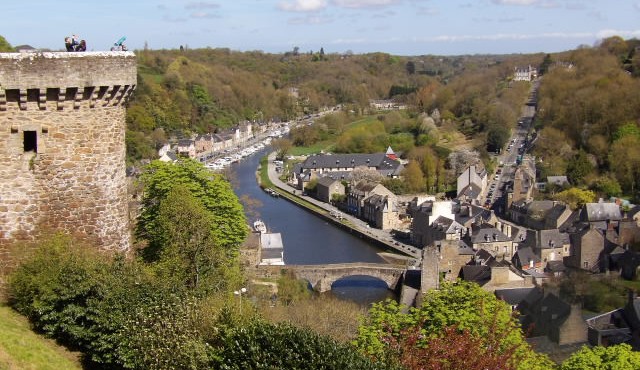
We normally prefer a light lunch but that went horribly wrong at Cafe Noire ! Both of us accidentally ordered on purpose a set two course set menu which was excellent value and very filling. After gorging on their fare we waddled out and decided a walk around the town may be beneficial. The town walls were most impressive and were in very good condition, they don’t build ’em like this anymore!
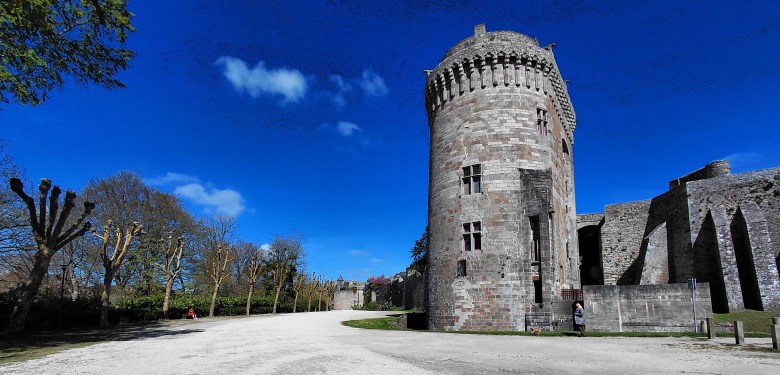
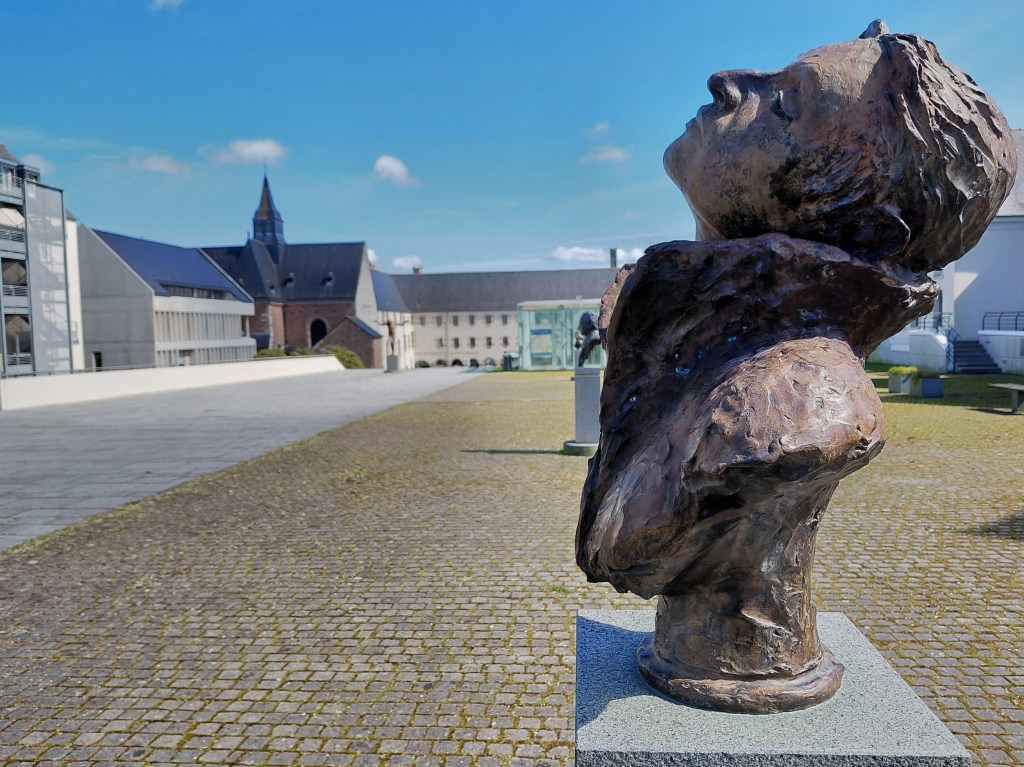
We walked past the impressive Château de la Duchesse Anne [AKA as Château de Dinan] and found ourselves in the Esplanade de la fraternité near the library which had a wonderful series of modern sculptures by local resident Roger Vene on permanent display. As you can see by the photos, the weather was wonderful and there was nobody around.
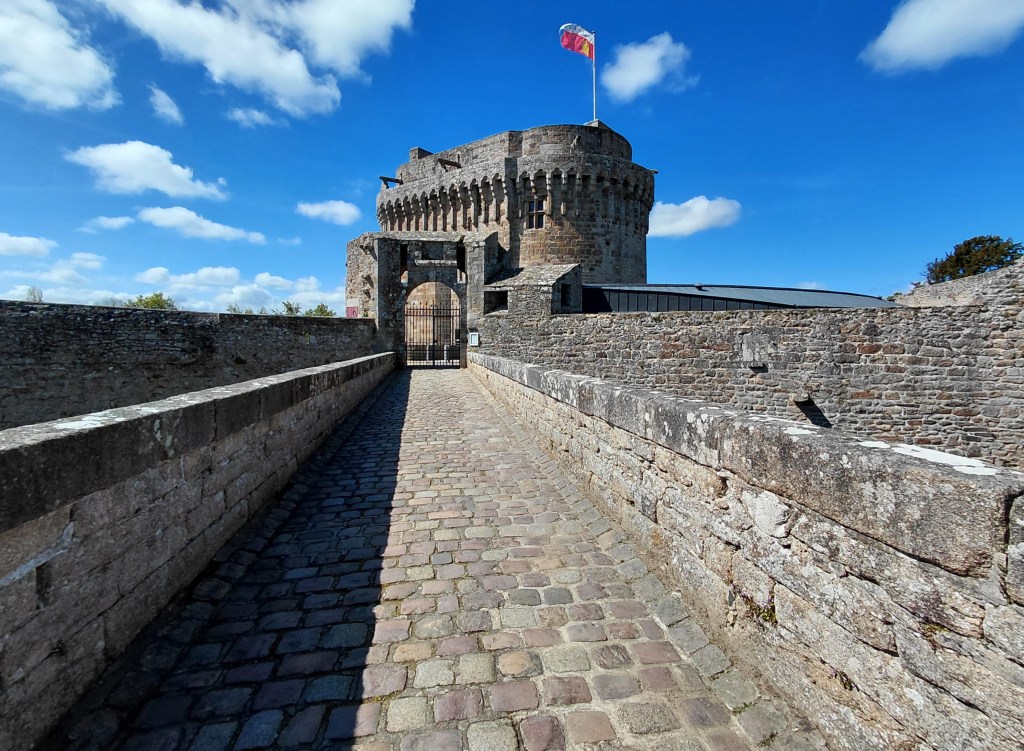
We continued at a leisurely manner until we reached La Tour Sainte-Catherine which was built in the early 14th century. From here we could see down to the Port area on the river where we had dinner the night before.
St -Sauveur Church.
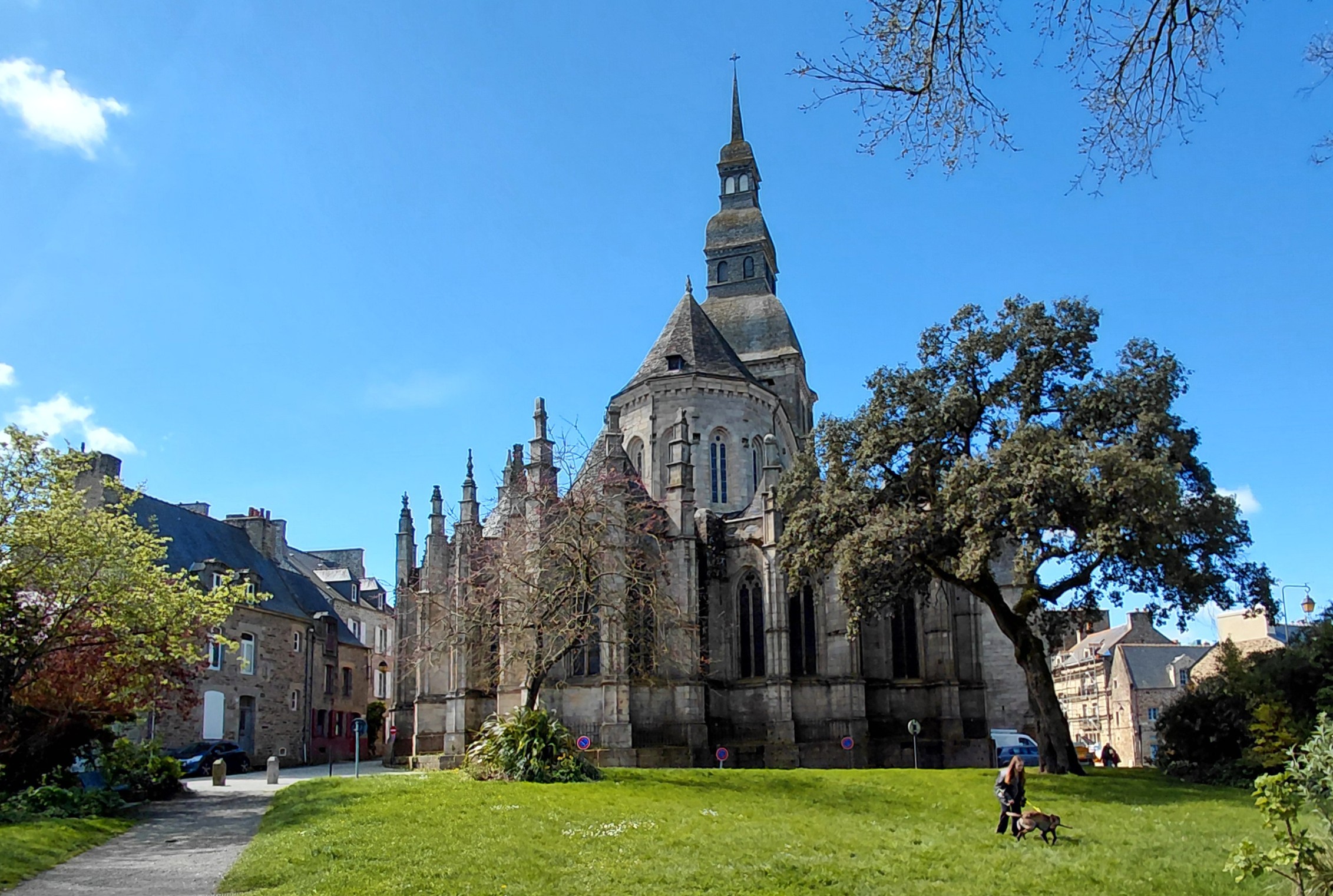
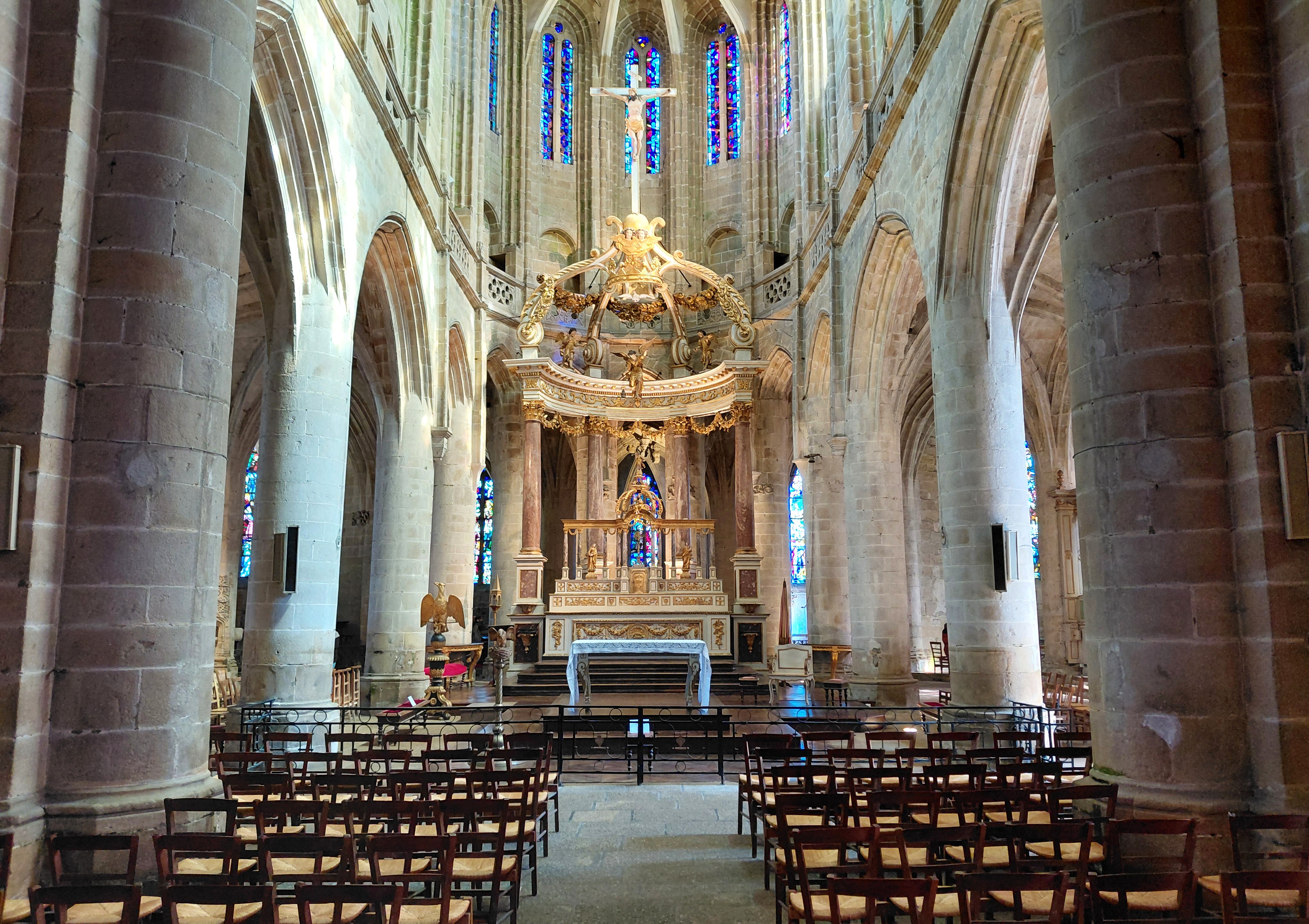
The Basilica of Saint-Sauveur in the centre of Dinan dates from the 12th century and is next to the lovely Jardin anglais which is famous for its ancient trees. Inside the church are beautiful stained glass windows and architecture spanning different styles covering hundreds of years. The Tomb of Bertrand du Guesclin contains the heart of the military commander who is revered as a hero for his successful tactics againts the English in the One Hundred Years War.
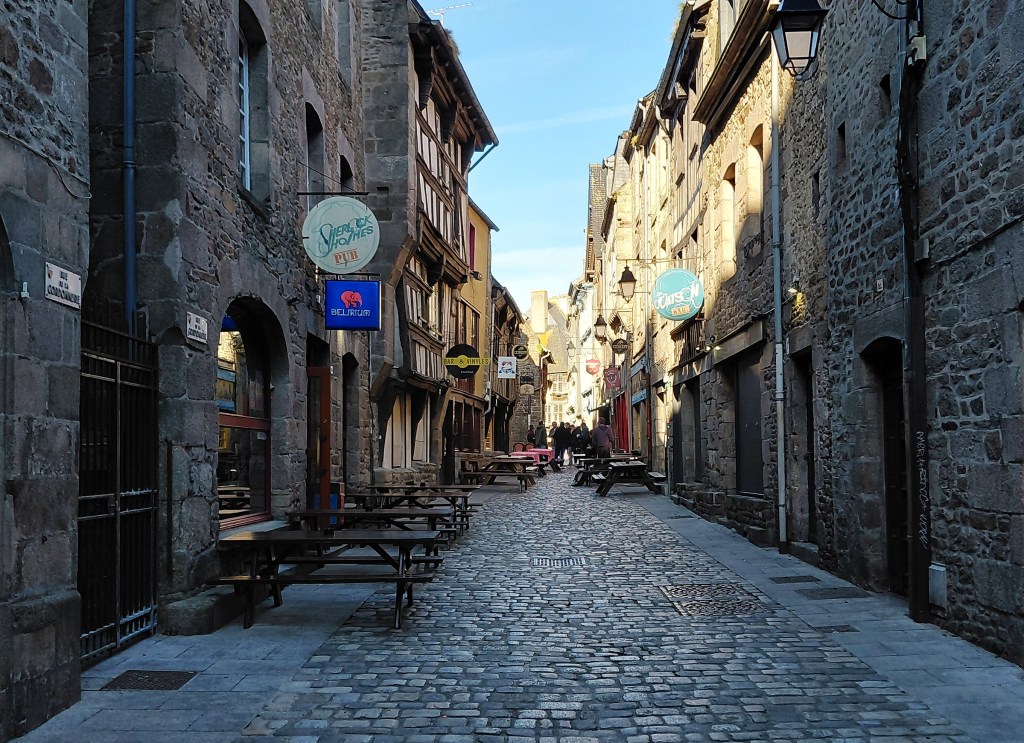
It had been a hot day and we were a bit exaustified after such intrepid exploring so we popped back to our home for a nap before venturing out again. We had dinner at Le Mastroquet, a small bistro in a medieval timber framed building on Rue de la Cordonnerie, in the centre of the old town. The food and ambience was lovely but we were still struggling to deal with the huge lunch that we consumed that day. Yet again we found ourselves waddling back to our accomodation!
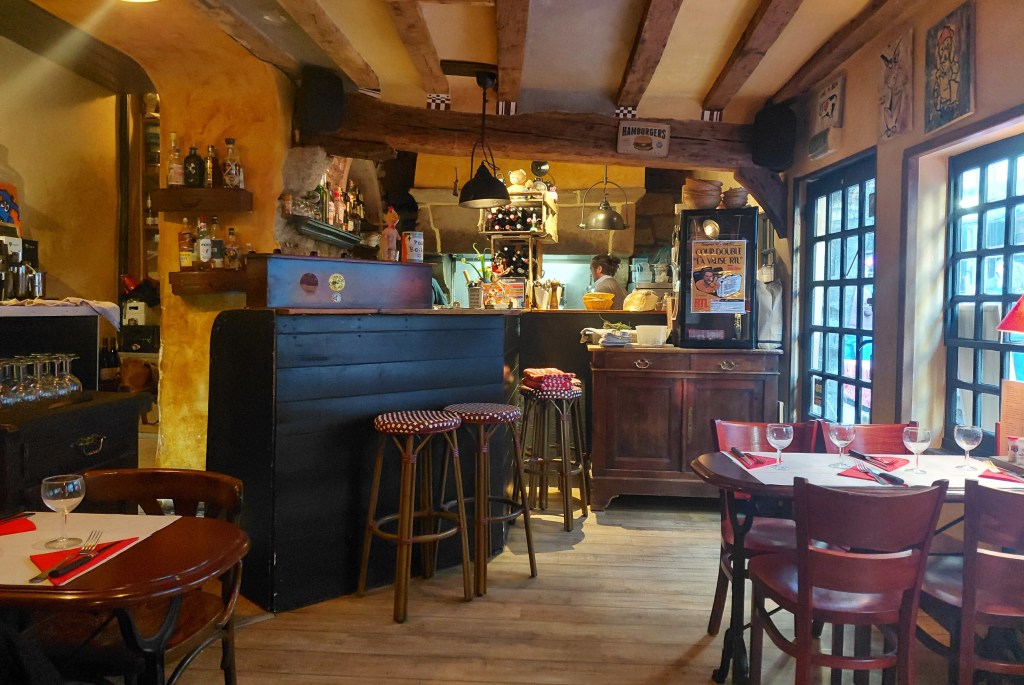
This was our last night in Dinan. We thought it had been the perfect place for us to be based for a few nights, so tranquil and untouristy. Highly recommended.
Addendum- A note in my diary for today mentions that President Trump had a bit of a paddy and chose today to impose tariffs on counties that had annoyed him. I am not sure if many non Brits know this but in the UK the word’ trump’ is slang for fart.
Day 9 To Angers [The Loire] via Carnac [Brittany].
It would have been an easy journey from Dinan to Angers, however I had decided to complicate things by taking a detour via Carnac on the west coast of Brittany.
Carnac Megaliths
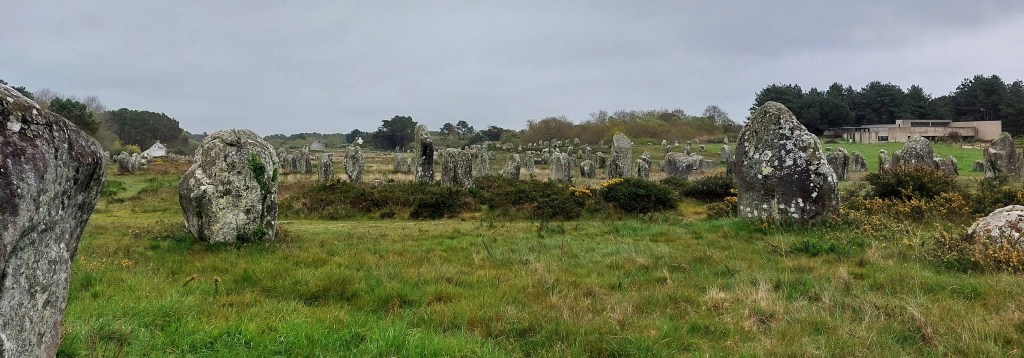
Carnac is an important prehistoric site. The megaliths may not be as large as those at Stonehenge but there’s a lot more of them, over 2000 in fact! The site of the alignments are spread over 4km and were erected in the period between 4500 and 3500 BC. That makes them older than Stonehenge and the Egyptian Pyrmaids. Nobody knows the exact reason for them being here but the popular belief is that they are for religious or possibly astronomical reasons.
We started off at La Maison des mégalithes where we watched a short film about the site and picked up a leaflet and map. A guided tour wasn’t an option for us but you can visit the site on your own and there is no charge. There were five areas to explore, we knew we could not see all of gthem so we focused on the two main sites. We started off with the Alignements du Ménec which were right by the Maison. There are over 1000 ancient stones here arranged in parallel rows.
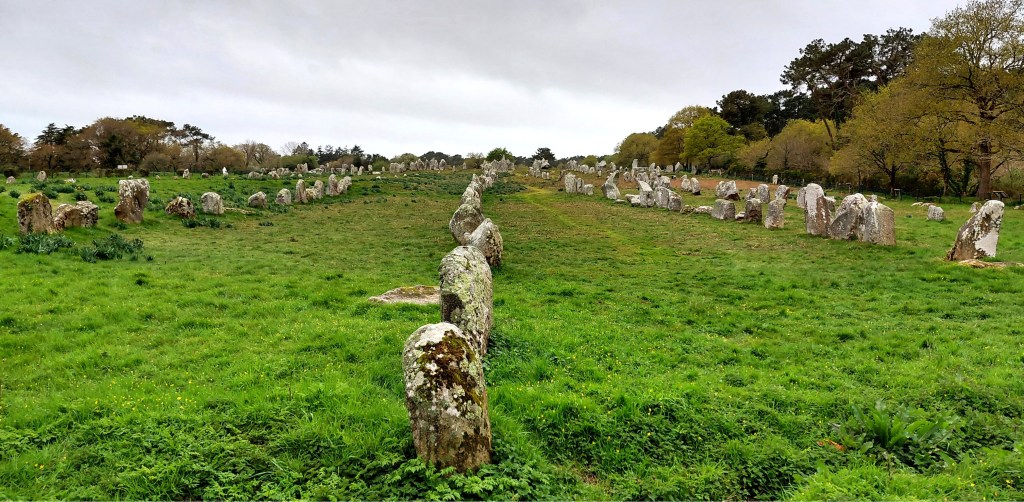
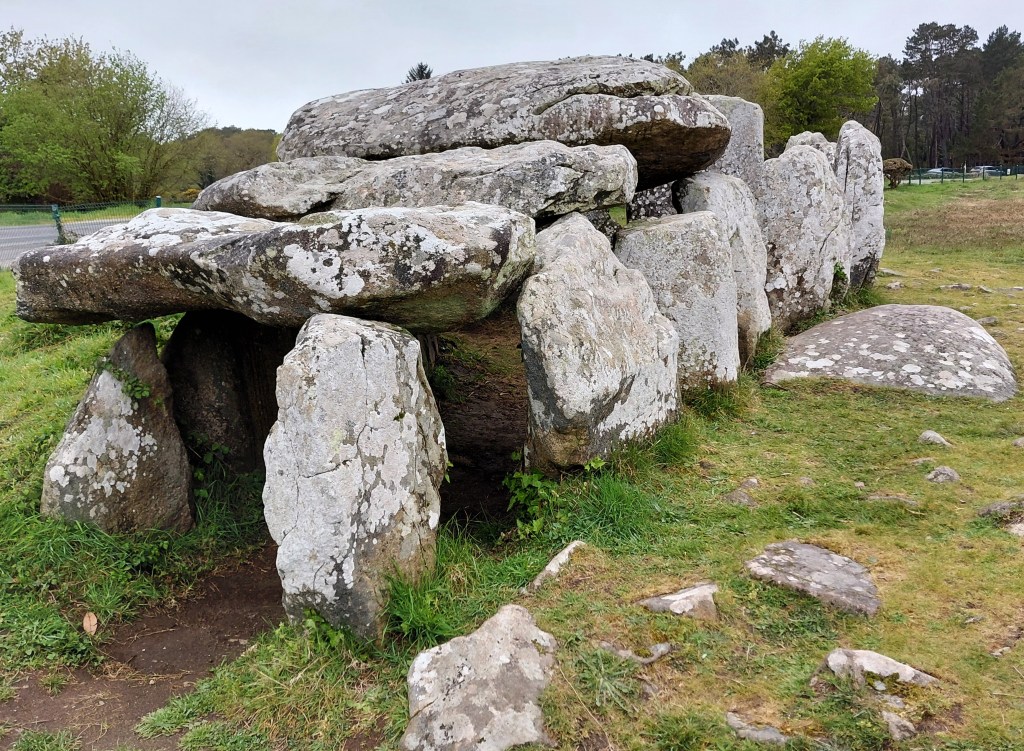
To save time we drove to the next site- the Alignments de Kermario where there were a further 1000 stones. A series of information boards here shows that this site has caused some controversy when the local councils fenced in the stones as well as allowing some stones to be destroyed to make way for a DIY store. We enjoyed our time here, the size and scale of the alignments were really impressive but our photographs probably do not do them justice. It was a couple of hours to Angers, our next destination. I was tired though and having to queue to get petrol did not help, the USA war with Iran was in full swing.
Angers, The Loire
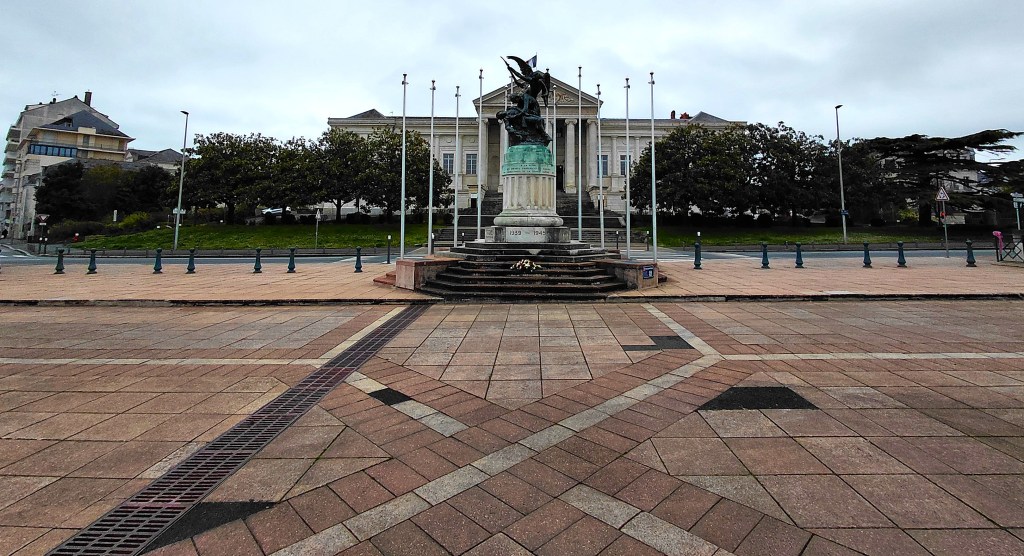
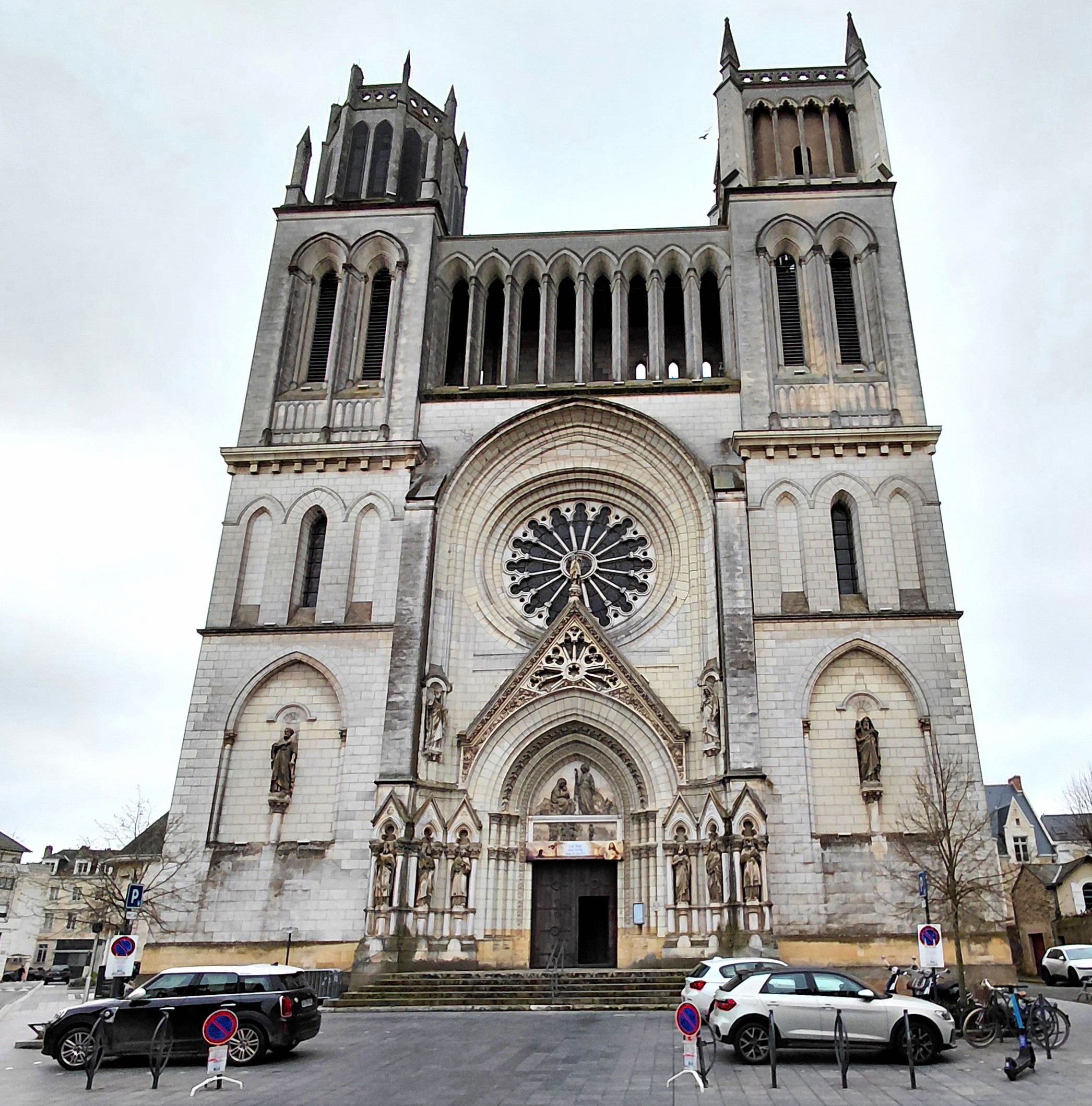
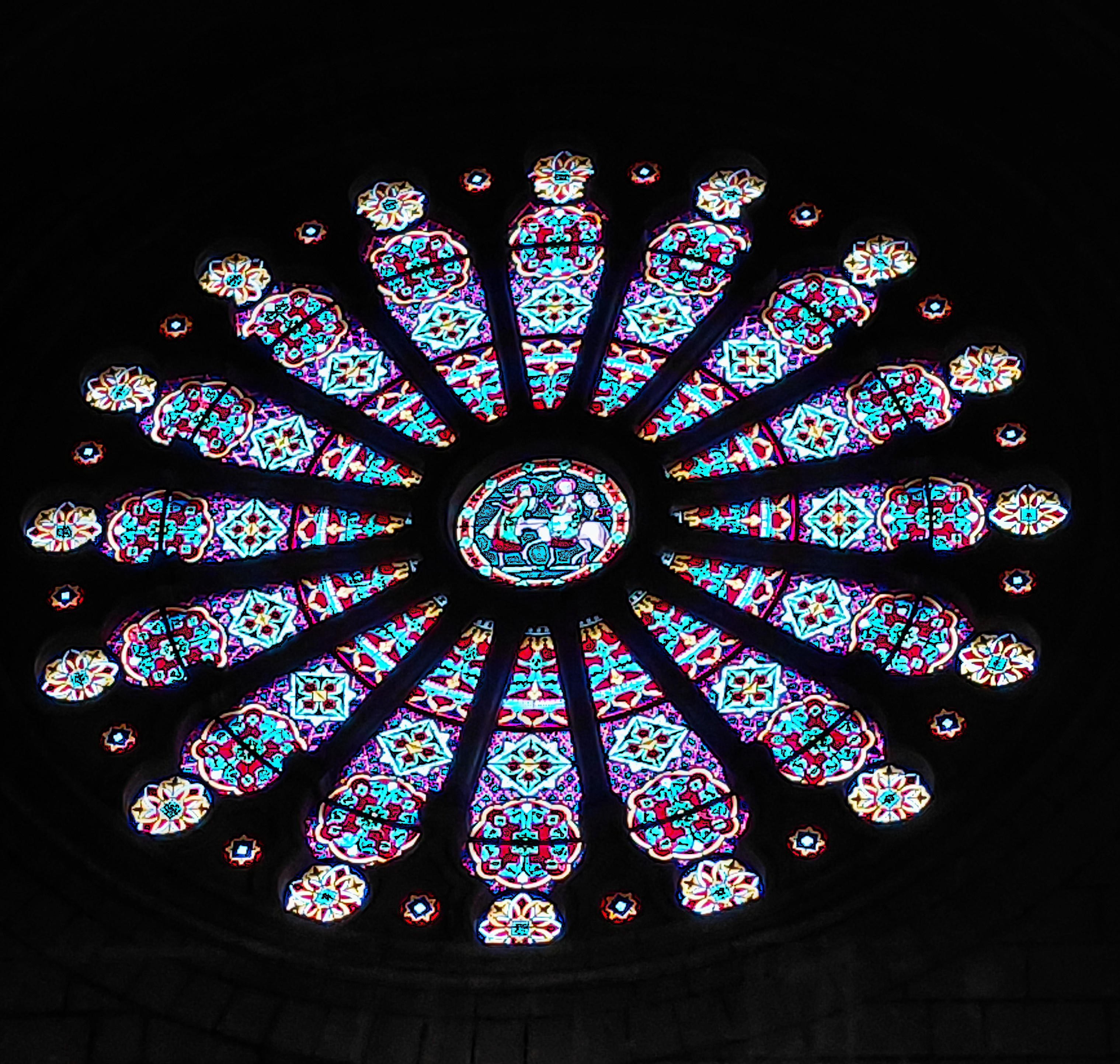
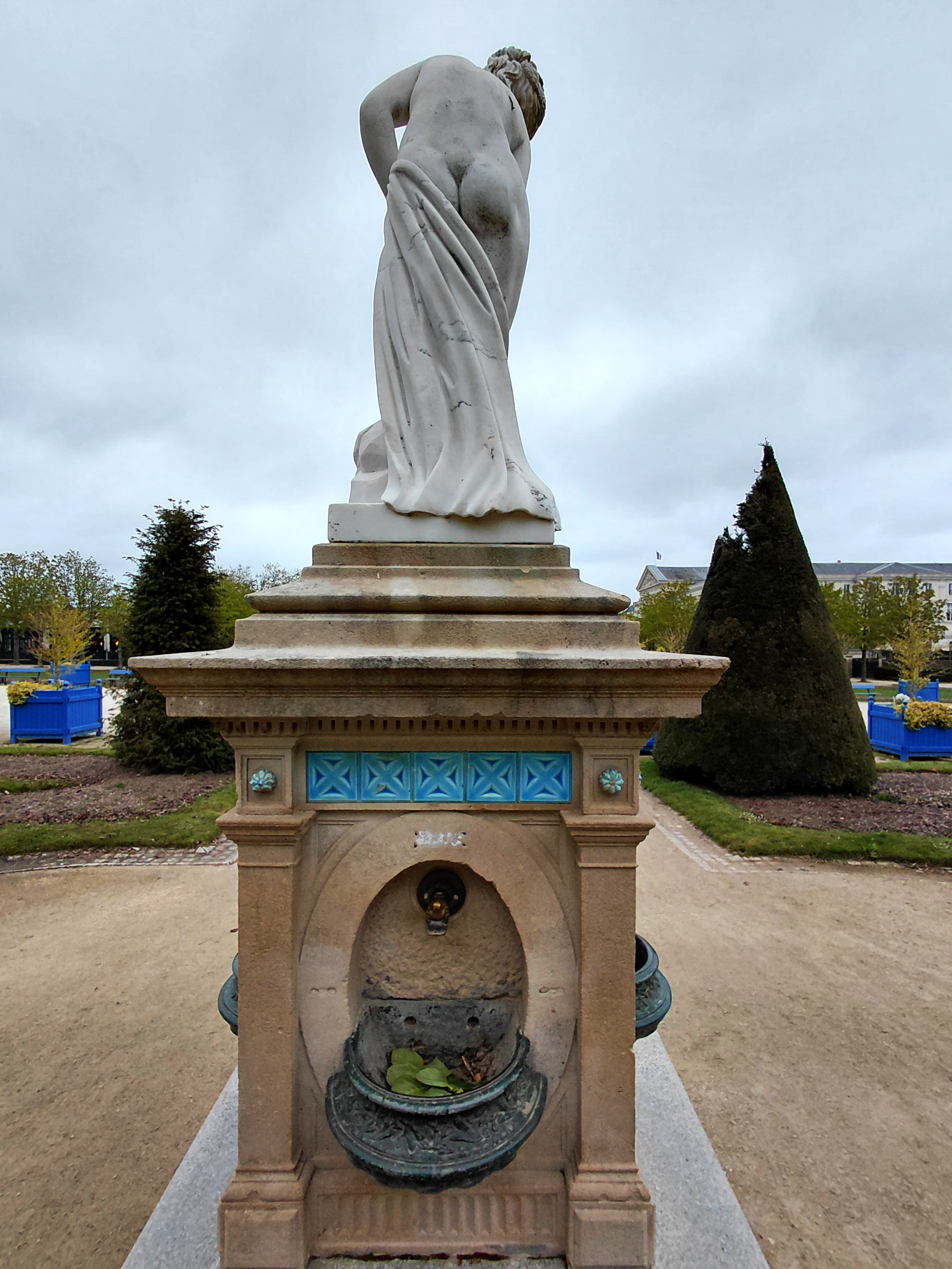
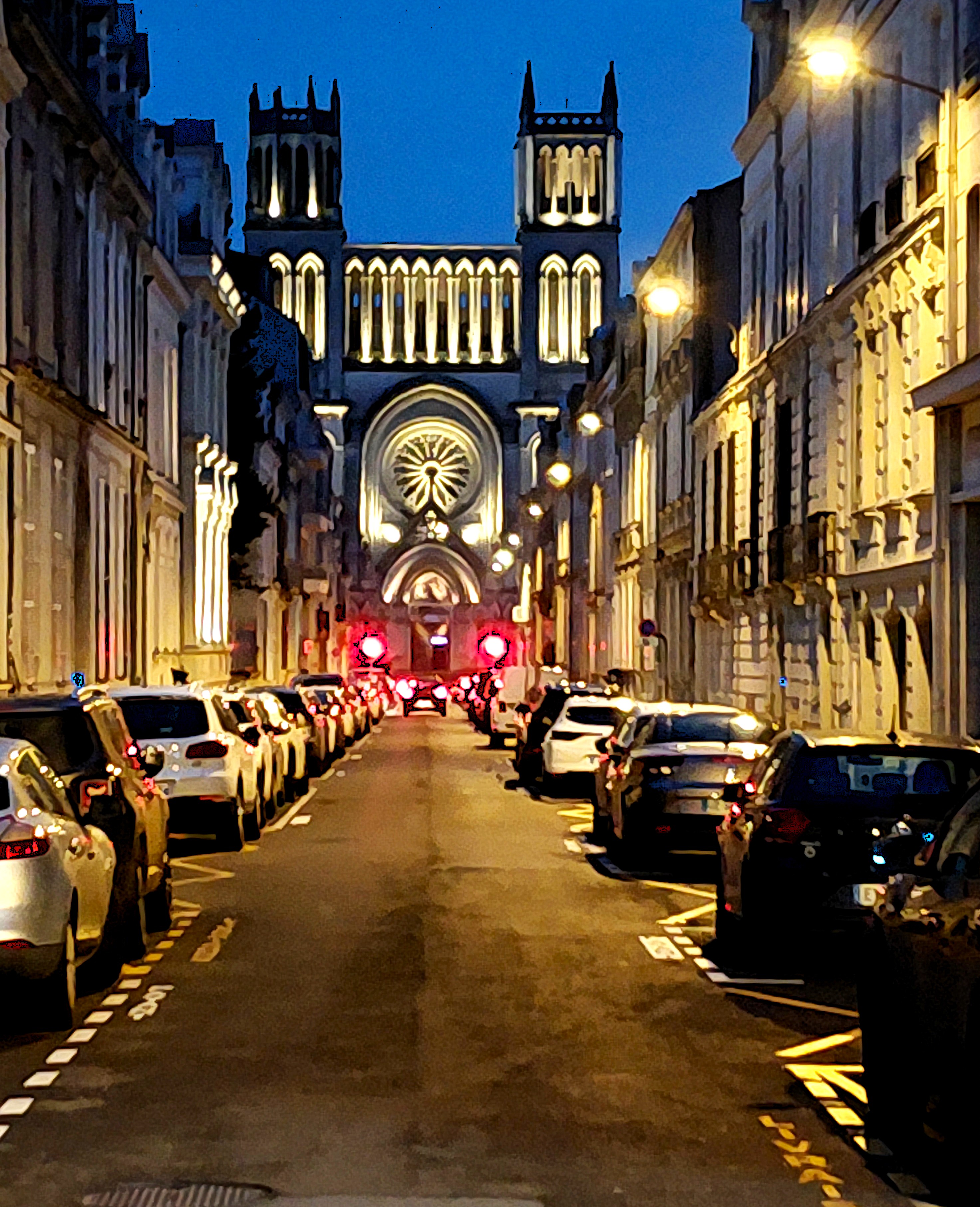
Angers is the capital of Anjou, a county in The Loire and it was to be our home for two nights. Our accomodation in Angers pretty central so we dumped our stuff and headed out to take in the sights before it got too dark. We wandered through Jardin du Mail, the city gardens which had some lovely statues and popped into Eglise Saint-Joseph which was built in the 19th century in the Neo Gothic style. The central stained glass rose window was beautiful.
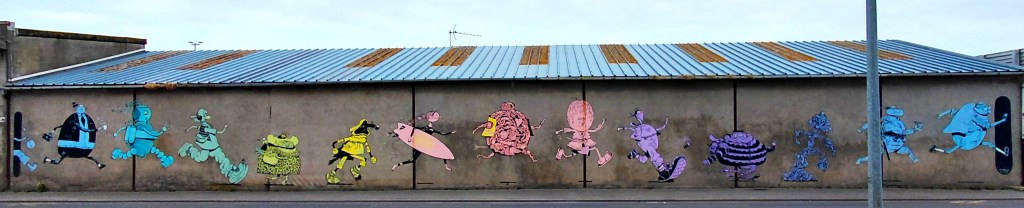
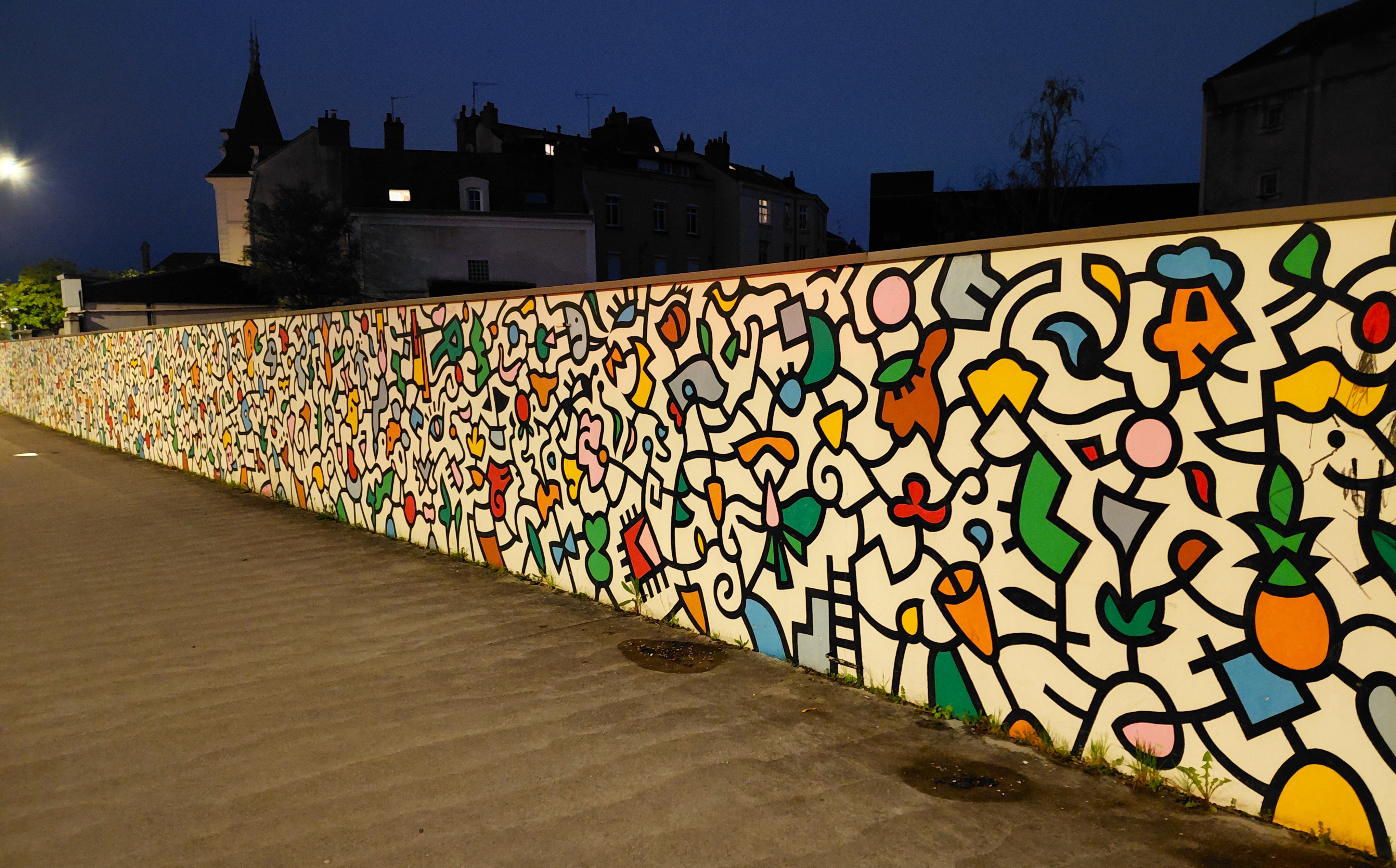
Our pizza at Franceschini was superb as well as great value. On our way home we stumbled across the mural- Le mur sympathique by local artist Claude Coudert before falling into bed, knackered.
COMING SOON- The next stage of our journey, from Angers, and on to Amboise, Poitiers, Angouleme and Bordeaux.
Quick Links:
Days 10-16, The Loire to Bordeaux Coming soon!

