We had been yearning to drive the Ring Road for some time and it does take some planning. The Ring Road is basically the main road [Route 1] that circles Iceland, missing out the fiddly bits in the north west [The Westfjords] and the north east.
| If you want to skip this page and just read about our journey, click the links below: The Ring Road – West, Day 1-6 The Ring Road- North, Day 6-11 The Ring Road- East, Day 11-13 The Ring Road- South, Day 13-16 |
Practicalities
I already have a page on my website covering the essential need to know stuff when visiting Iceland, click HERE to find out more. Clearly when driving the Ring Road more specific research and planning is required so I am detailing that on this page.
When to go?
Iceland has a total population of just over 400,00 and gets over 2 million visitors each year! So it can get really busy -summer is peak tourist season in Iceland so we aimed to avoid the biggest crowds of midsummer and the puddles caused by the meltwater in the spring. We wanted the F Roads, the mountain roads to be open, so we opted for the last two weeks in August for our road trip and, with hindsight, this worked perfectly. We were very lucky – it was sunny and warm for most of our trip – picnic lunches were had nearly every day, I even had to apply sun cream on a couple of occasions!
What direction?
We had already visited Reykjavik five times, Þingvellir [The Golden Circle] twice and explored some of the Route 1 in the south as far as Jokulsarlon. So we decided to drive clockwise and start with places we had not visited before. After landing at Keflavik we bombed over to Selfoss, which may appear to be going in the wrong direction but it’s right on the Ring Road and it meant we were ready for an early start the next day. So our road trip started with us heading west, slowly inching northwards and then to the eastern coast before the final leg along the coast road in the south. This worked really well for us but whether to travel clockwise or anticlockwise is a matter of preference.
For how long?
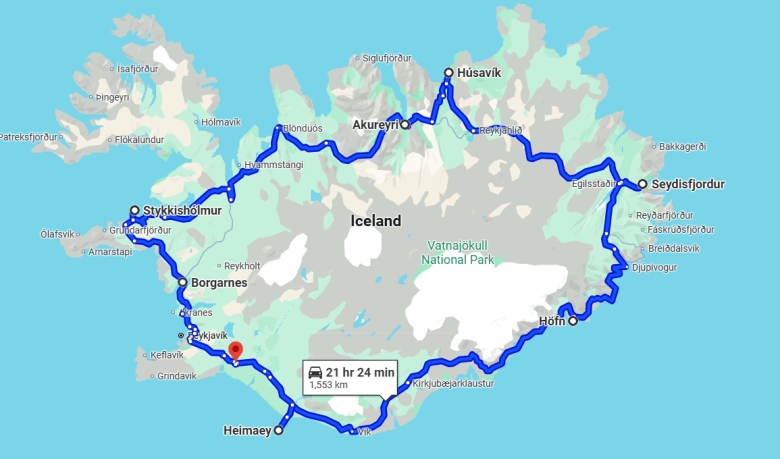
How long is a piece of string? After much research we opted for two weeks (well it was actually fifteen nights). On reflection this worked pretty well for us. The map at the top of the page shows our overnight destinations and that we could have driven it in non-stop in under 22 hours if we had wanted!
What to see?
Mmm, this was a hard one as it’s clearly not possible to see everything! Everyone’s Ring Road adventure is unique.
We chose to miss out on Reykjavik, the major waterfalls and Black Sand Beach in the south as well Þingvellir completely. Most first time visitors to Iceland are likely have these at the top of their ring road agenda but we had already visited these places on more than one occasion. We also opted to not go on detours to the Westfjords and Snæfellsnes Peninsular as we intended to explore these areas in a future trip. We wanted to see major sites, minor sites, go on a whale watching tour, a lava tube or two and an ice cave, puffins would be an added bonus.
Car Hire and Driving.
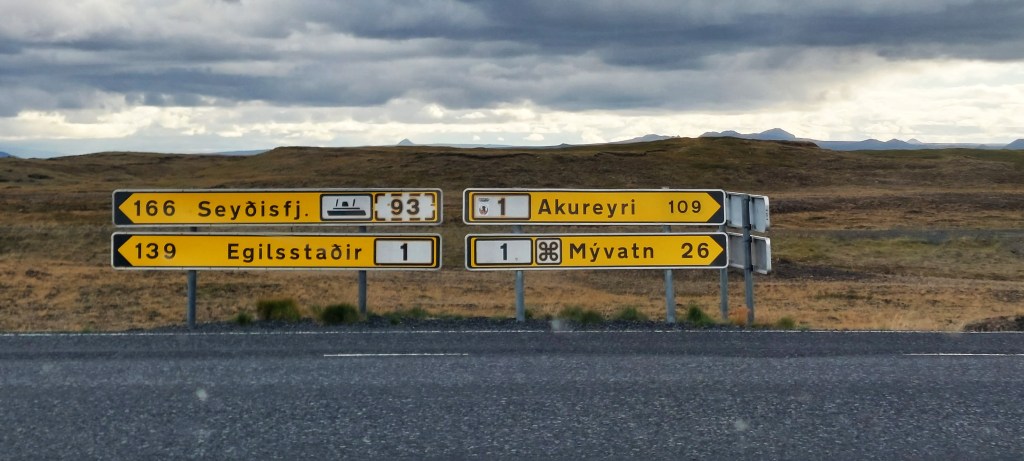
We have used Blue Car Hire on a number of occasions and have been pleased with their service and got a good deal on a four wheel drive car with pick up and drop off at Keflavik Airport. Route 1 and most of the roads to the towns and sites nearby are all great but a 4WD car is better on gravel roads and essential for the unpaved mountain roads (F roads). If you are planning to drive on any F Roads you need to do your research as some are not for the fainthearted and many tourists become unstuck. The main hazards on Iceland’s roads are wandering sheep, adverse weather, sudden changes in weather conditions and tourists stopping to take in the sights. Cruise control is very helpful for driving within the speed limit and thereby avoiding hefty fines. It is fair to say that sticking to the speed limit at times can feel overly slow but they really are there for a good reason. It’s also best to avoid alcohol altogether when driving in Iceland as the acceptable blood alcohol limit is very low. So I avoided any temptation at lunchtime or at any of the trendy pool bars.

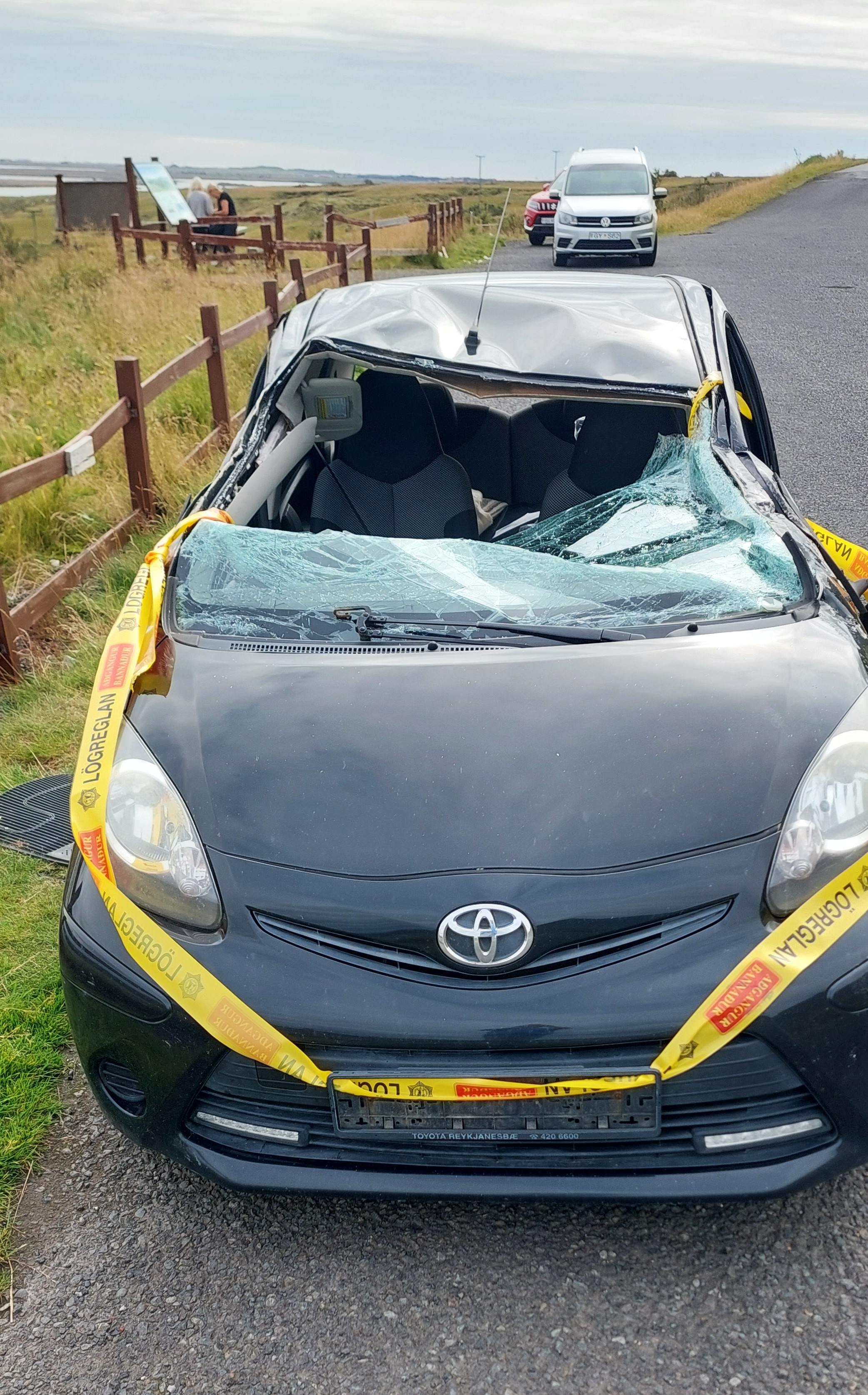
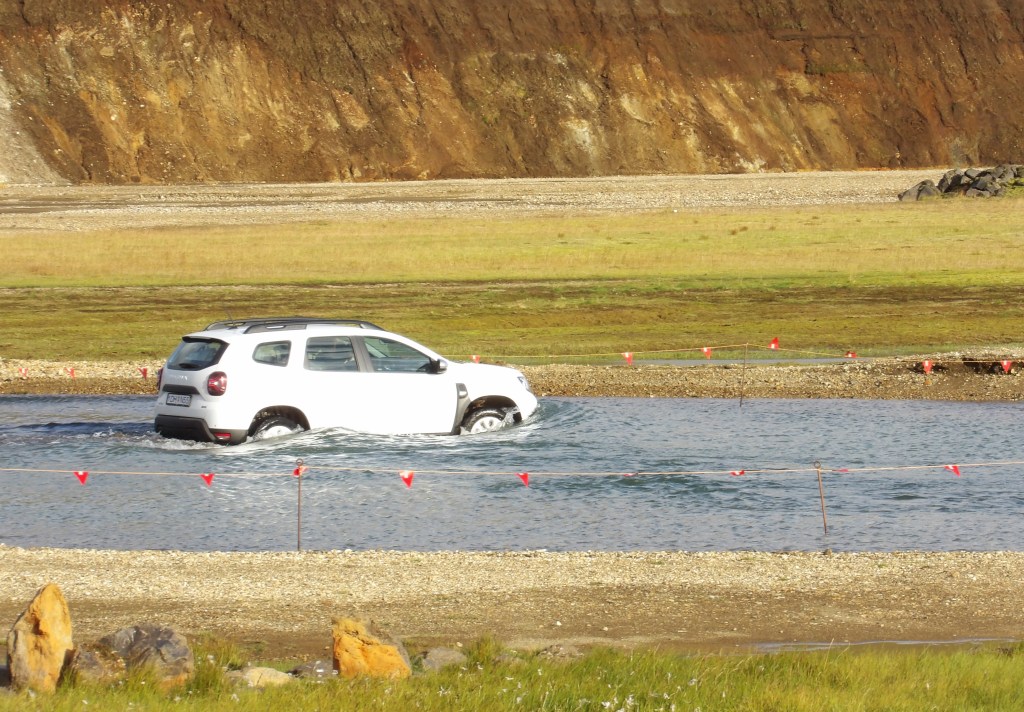
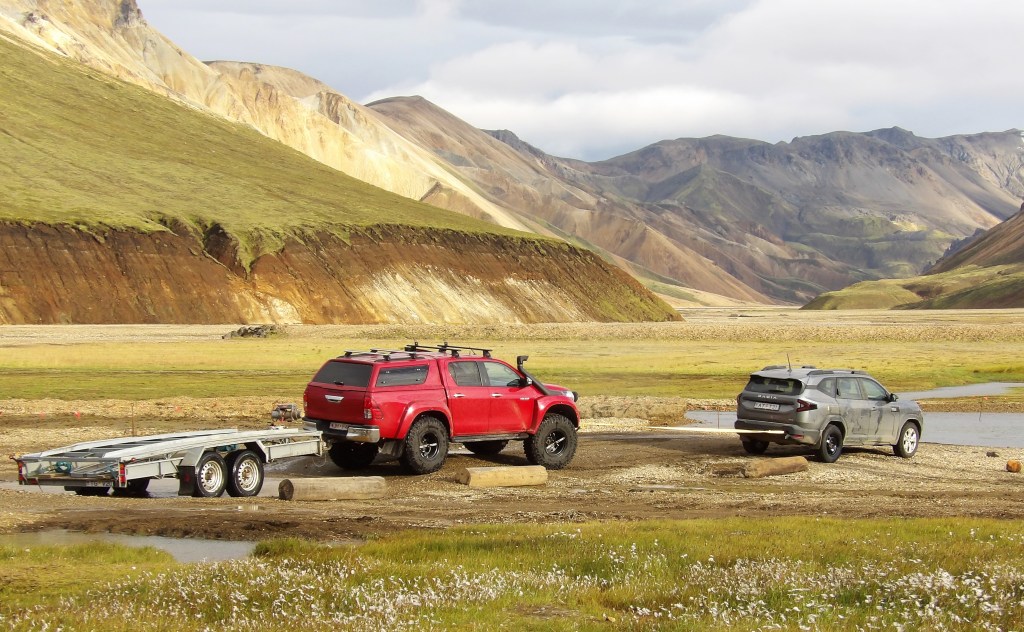
Many roads are narrow at times [even Route 1] and it’s difficult to not get distracted by the natural beauty on both sides of the road. I saw several wrecked cars on this trip which helped to remind me to stay focused, [see above right]. We made sure that our car was fully tanked up every morning as petrol stations can be scarce between the towns. These are often self service but instructions are given in English so it’s not rocket science. Be prepared for your car to get very dirty, [see our car above left]. It goes without saying that if you are intending to ford any rivers- do your research, check the hire company small print and only attempt this if you are sure you can make it to the other side! [the grey car below did not make it].
| The following websites are essential if you are intending to drive around Iceland: Epic Iceland is a great resource with loads of info on driving the ring road. https://epiciceland.net/ Guide to Iceland has loads of info on what to see around Iceland-https://guidetoiceland.is/travel-iceland/drive Weather info- https://en.vedur.is/weather/forecasts/areas/ Road info- https://www.vegagerdin.is/ Weather and road conditions- https://safetravel.is/ |
Parking
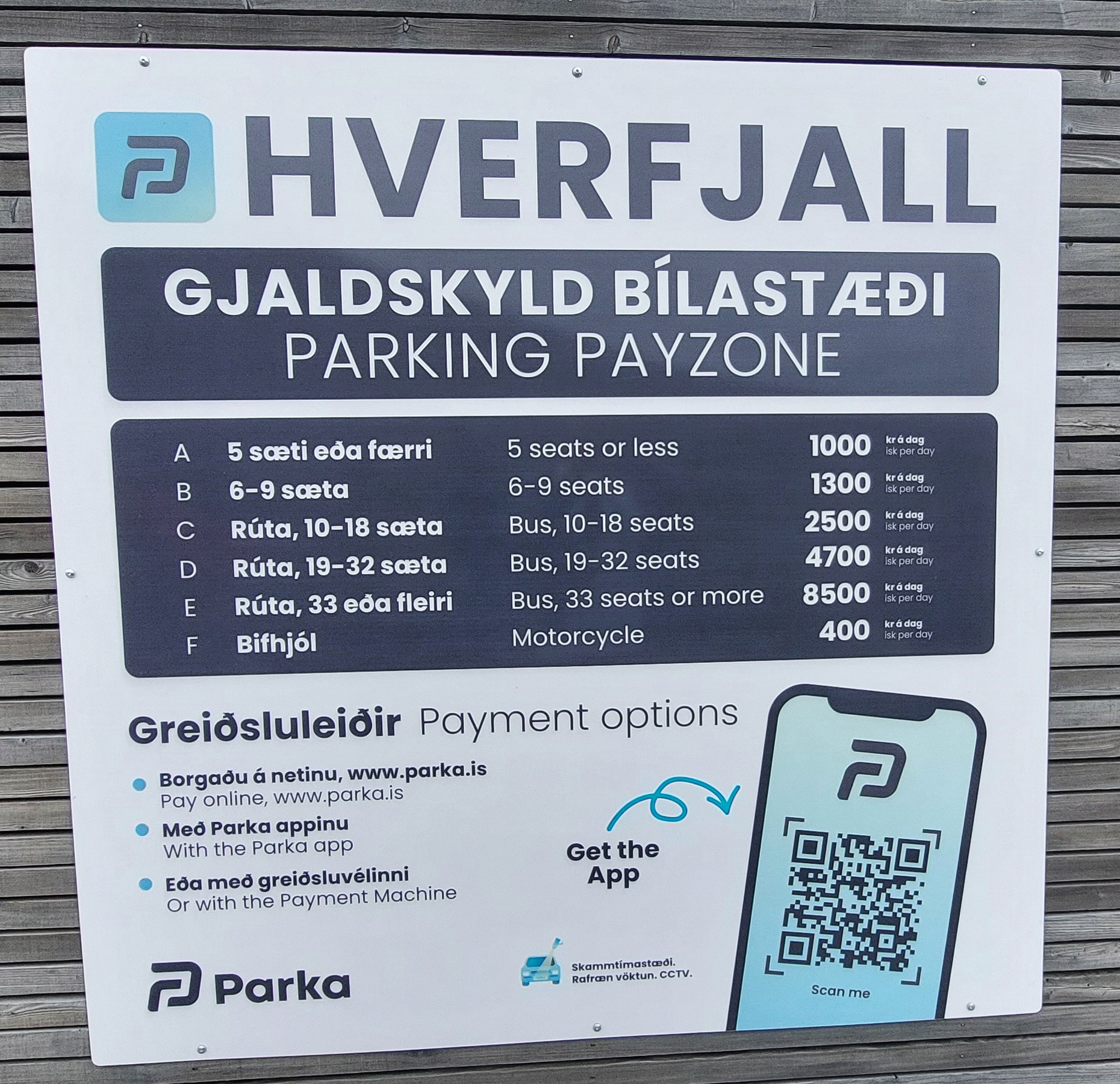


Although entry to most sites are free, there’s likely to be a charge for parking so it is best to be prepared and download the relevant apps in advance. You can sometimes pay on a machine on site, or scan a QR code or download the apps in advance. Your car number plate is scanned on entering the road approaching the car park and if you change your mind you get 5 minutes for free. You have 24 hours to pay for your parking or an extra few Krona are likely to be added to your bill.
| There are two main parking companies, click on the links below to download their apps. Easypark-https://www.easypark.com/en-is. Parka–https://parka.app/?_lang=en , Checkit is one other parking company that we did not actually stumble across. – https://www.checkit.is/ |
Accommodation
Most of our accommodation was booked through Booking.com, we used AirBnb just the once and all bookings were free to cancel which we like to do even though it costs a bit more. Ideally, we wanted our accommodation to be central, with private bathroom and free parking if possible. Accommodation in Iceland is often in short supply and I booked the majority of ours 10 months in advance! This gave us more options with prices starting at a [near] reasonable level.
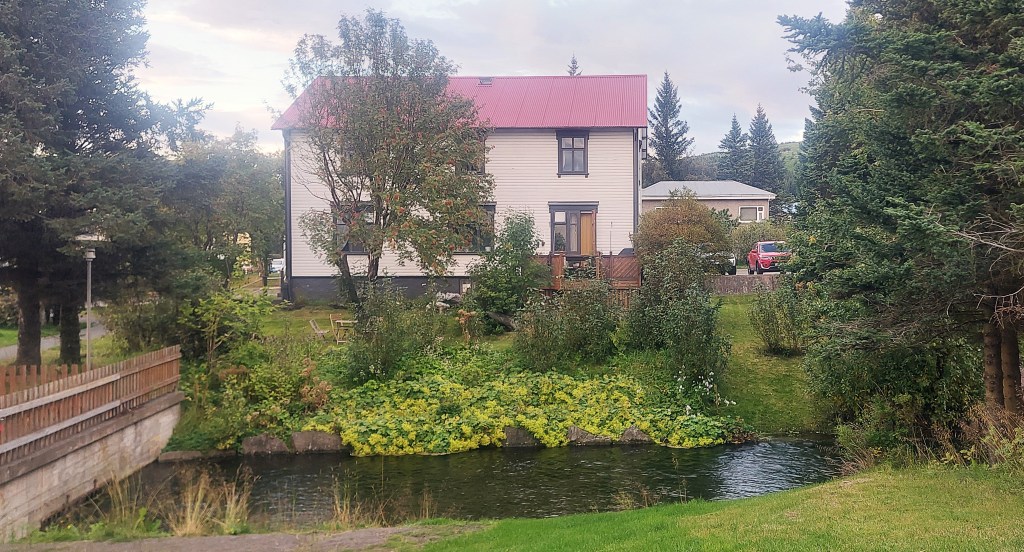
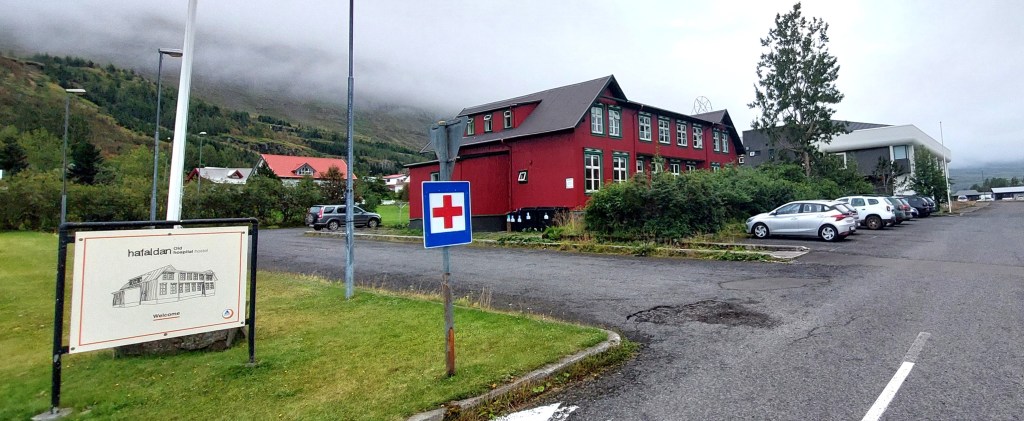
I would advise anyone else planning a similar trip to do the same, as you may find that there is literally nowhere to stay in your chosen area. On reflection, we were pretty satisfied with our choices which ranged from hotels, guest houses, and hostels [with a private room, many of which had a shared kitchen with cooking facilities].
What to bring ?
We normally travel as light as possible to save on costs when we fly to Iceland with Easyjet. Our flights for this trip were with Iceland Air and included a generous 23kg allowance each on top of our hand luggage. So we packed loads of stuff – plenty of layers, snacks and food. Even though we were travelling at the end of the summer we had clothes for all eventualities – this is Iceland after all! I frequently see posts on forums asking questions like: “what are the best waterproof shoes/coats for Iceland?” I don’t own the best in anything, but leather shoes are generally waterproof and a waterproof raincoat is too! So my Dr Martens boots were packed along with my Vans trainers and my trusty waterproof jacket which is coming up to 15 years old!

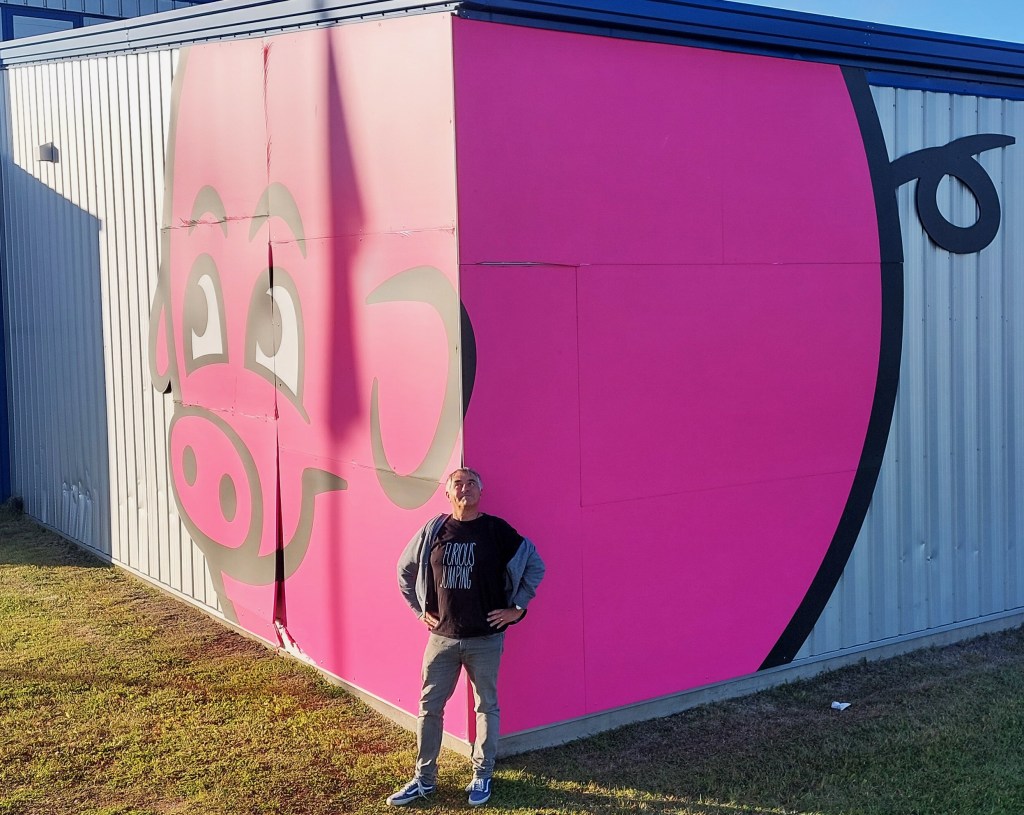
Once in Iceland we stocked up on snacks and picnics at Bónus [look out for the piggy!], Krónan or Nettó and we had sussed out where they were ahead of each stop on our trip. Be aware that many stores do not open until 10am and do not stay open late. We had bought a couple of bottles of wine at Gatwick Duty Free which lasted us just one week so we popped into the Government owned Vínbúðin in Husavik to rectify this.
Maps, Research and Resources
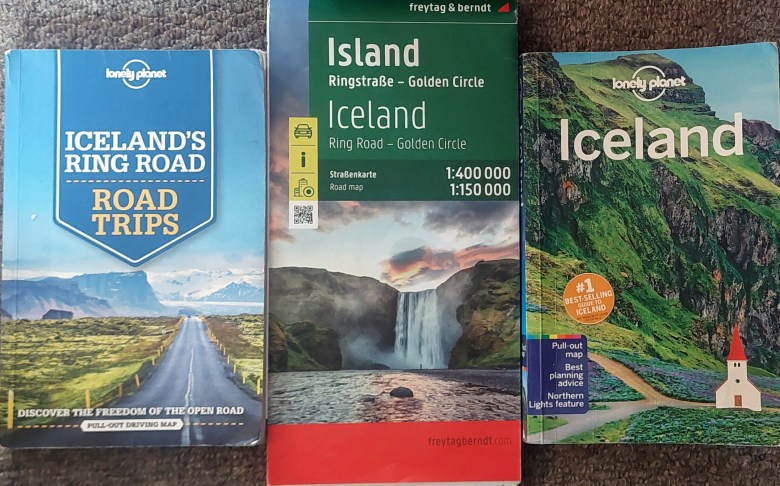
We started planning for this trip a full 12 months in advance. There’s a lot to read and take in and get to grips with. Our main ‘go to’ books were – Lonely Planet’s Iceland and Lonely Planet’s Iceland Ring Road. I also belong to a few Iceland Facebook groups which were helpful. Once on the road we popped into a couple of tourist information centres where the staff were always very helpful with plenty of pamphlets and useful maps of the area to hand.
We did buy a road map of Iceland but apart apart from referring to it when planning for this trip, we never used it during our journey – It was however there for back up! Google Maps worked pretty well for us for the majority of the road trip, even on the F roads*. We did not pay extra for wifi in our hire car and for us it was not needed. We mostly used Google Maps and guide books when planning for this journey. Our UK phone provider [O2] does not charge for roaming in Iceland so that’s great!
*Until the very last day when it erroneously said the main road to Keflavik airport was closed!
On reflection
The whole road trip was incredible and our planning and research paid off. We were lucky with the weather as it was warm and sunny for most of the time. Yes, it’s expensive but we knew that in advance and we saved money by having picnic lunches and when possible providing our own breakfast. Iceland is so incredible we could do the whole trip again and visit completely different places! I hope my writings are interesting and helpful for anyone planning a similar journey, you won’t forget it!
Quick Links:
The Ring Road – West, Day 1-6
The Ring Road- North, Day 6-11
The Ring Road- East, Day 11-13
The Ring Road- South, Day 13-16
 Gruntie's Travels