Getting there
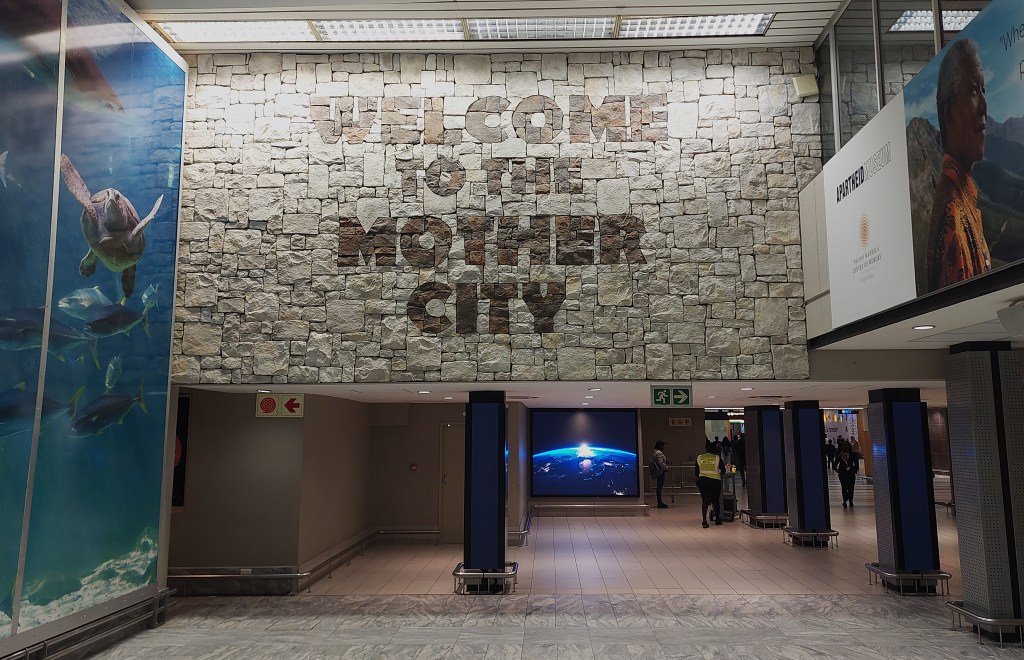
There are plenty of options to fly to Cape Town from the UK. We flew direct from Gatwick with Norse Air in May 2025 and the cost per person [including luggage and a meal] was under £300 which was a bit of a bargain. The flight took around 11 hours and it wasn’t very comfortable but it ran on time, so we have no complaints. On our return we flew via Doha [an amazing airport] with Qatar Airways. The cost was a little over £300 per person but it was a more comfortable experience. I would advise booking as early as possible for the best prices.
Getting around, airport transfer and car hire.
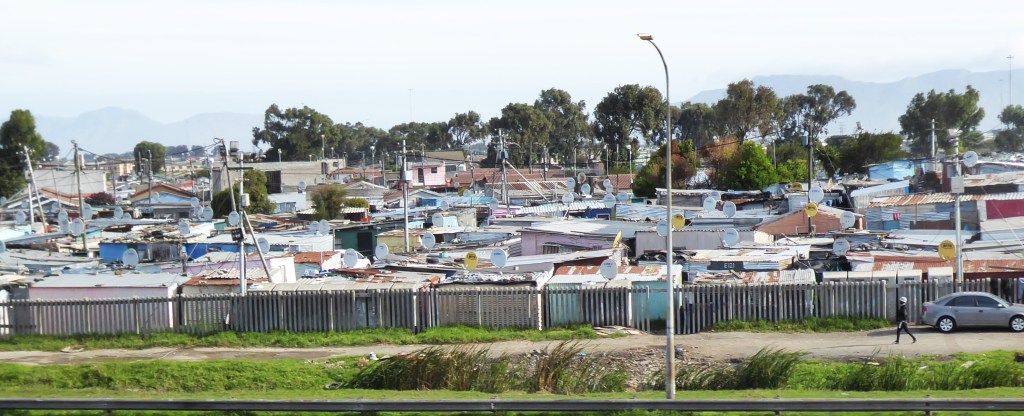
We had never used Uber before the trip to Cape Town but I was told that this was the best way to get around, it’s very cheap, reliable and safe. So we grabbed an Uber from the airport to our new home in Claremont, a suburb of Cape Town and over the next few days we grabbed a lot more! The journey from the airport does take you past several townships including the oldest in the area; Langa and seeing them for the first time was quite shocking.
We hired a car for the second week as we planned to drive to the safari and also to explore the Cape Peninsular. I was advised to stick to the well known car hire companies, which I did and had a good experience. I used Booking.com for this and used their reviews as a guide. I arranged to pick up the car from Stellenbosch as we were going to be in the area for my daughter’s wedding, and return the car to the airport. I got all the insurances available and the overall price was very affordable.
Safety

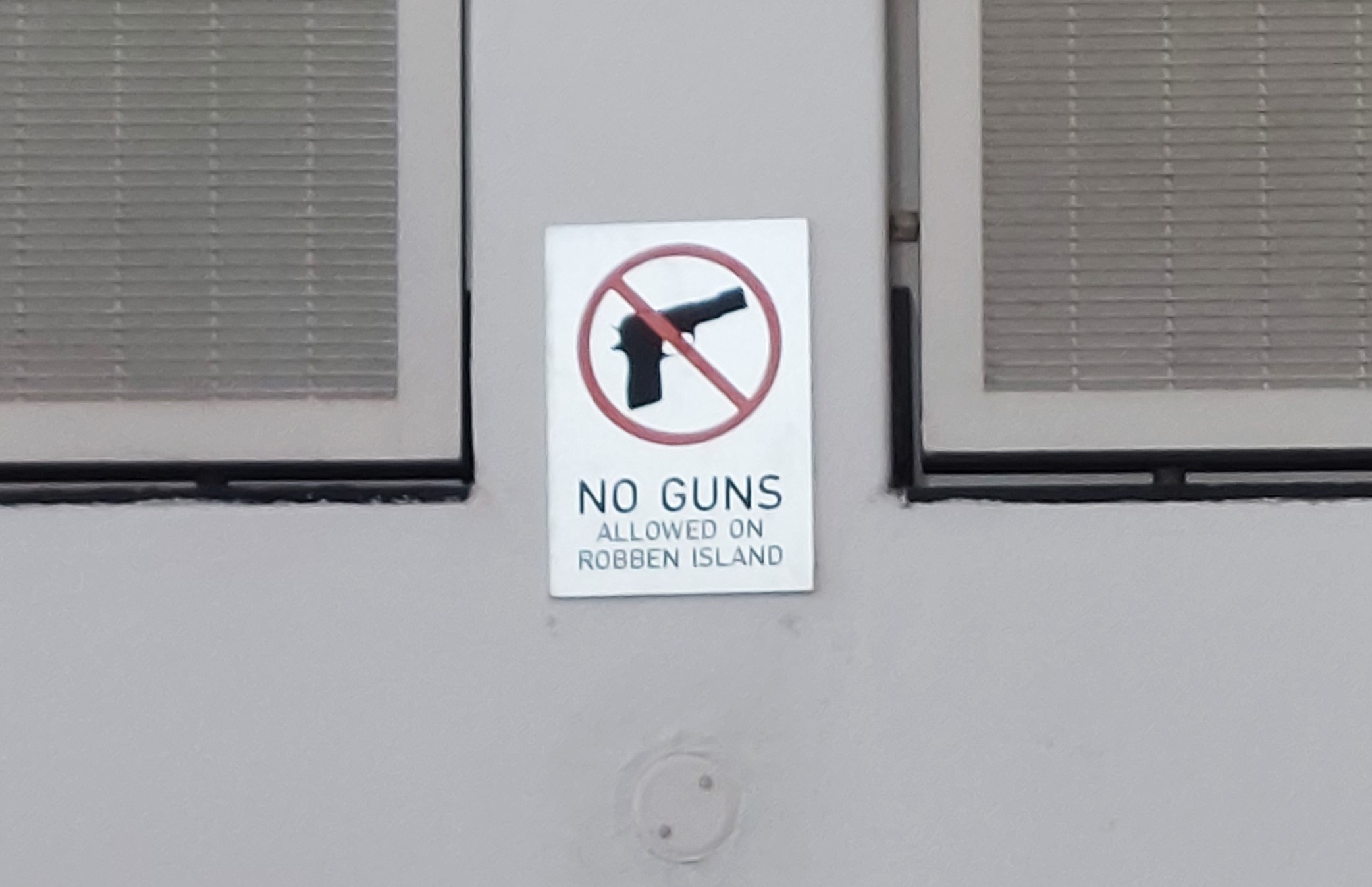
Cape Town does have a mixed reputation when it comes to staying safe but if you follow simple steps of self preservation and apply common sense you should not have any problems. These are the same rules you should apply for any large city. So never walk alone in the dark, stay in well populated areas, keep your belongings hidden and walk with purpose. Get Ubers to go everywhere, especially at night time. The busy city centre and Waterfront have a heavy security presence and they are very helpful so it makes sense to keep to areas where they are prevalent. The UK Government have advice that is helpful, click HERE.
Accommodation
Cape Town is a large city so there are a huge range of options covering a wide range of budgets. Our Airbnb in the leafy [and safe] suburb of Claremont only cost about £25.00 per night and we even had the use of a small pool ! Accommodation on the Waterfront or Camps Bay may be more luxurious [and more expensive] but we very happy with our home for the two weeks. Our property was hidden behind high walls, locked gates and an electric fence which is quite common in many of the afluent areas in Cape Town. I used Tripadvisor, Booking.com and Airbnb to look at my options before making a decision.
Eating and drinking
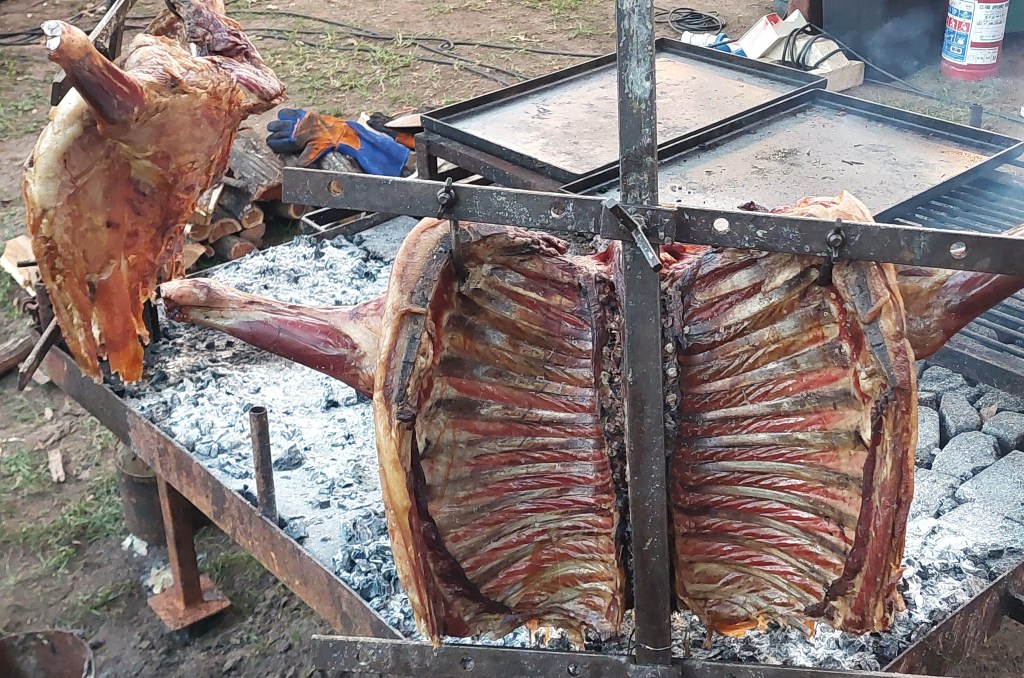
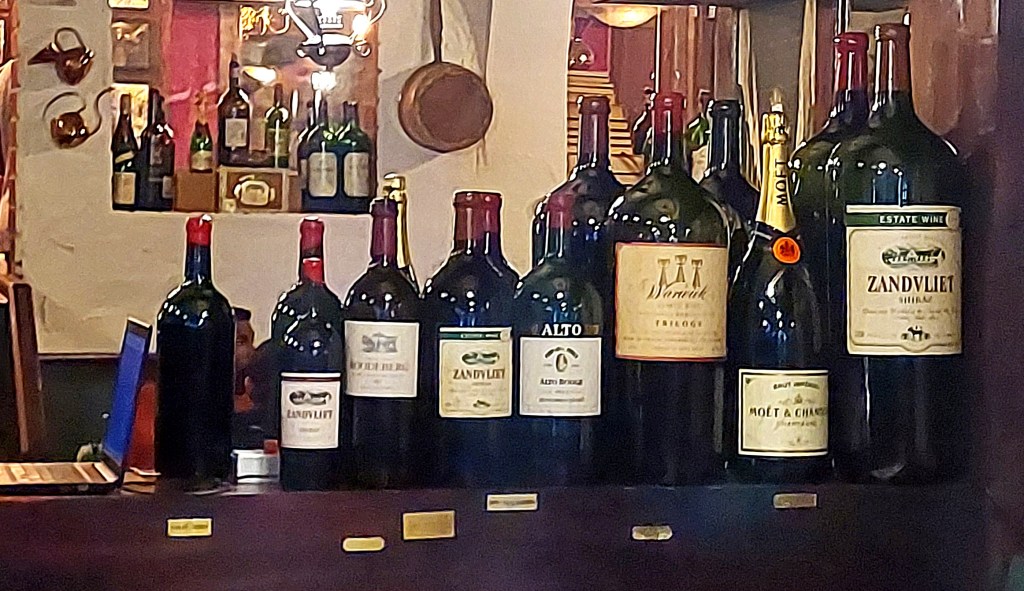
South Africans do love meat and know how to cook it to perfection. I had the best steaks ever in Cape Town. Ostrich, springbok and other dead animals are also likely to be on offer as well as a great range of seafood including the popular Kingklip [a sort of eel – not much of a looker, so possibly best eaten filleted]. I tried their take on pizza with avocado which was really tasty. Vegetarians should be OK , most restaurants have a few well chosen veggie options. Of course, if you have the opportunity to have a Braai [a South African BBQ] you should jump at the chance! If you have a sweet tooth try Malva Pudding- it’s yummy! South African wine is wonderful and very affordable in the restaurants and there is normally a large variety on offer. I found the South African lagers most palatable too. Cape Town tap water is fine and very drinkable. For more information on places to eat and drink in Cape Town click HERE.
Prices
The cost of most things in Cape Town is so much cheaper than in the UK. Lager was well under £2.00 a pint and the cost of a wonderful dinner was well under half the price of a similar meal in England. Ubers are super cheap. Wages are low in South Africa so tipping is customary if you have had good service. We used a credit card most of the time but often gave our tips in cash.
Shopping
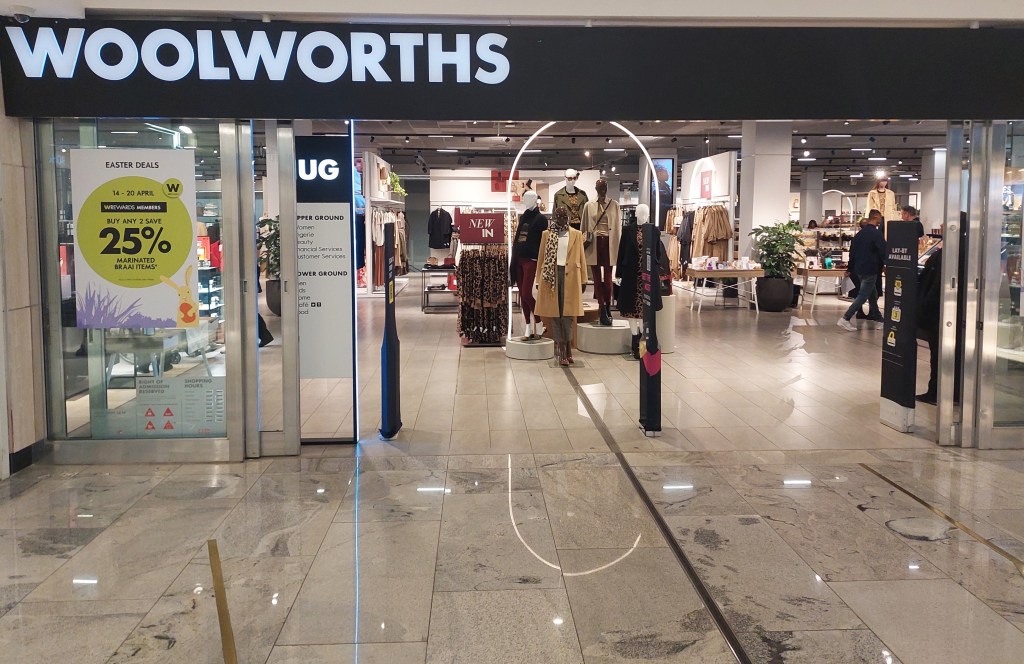
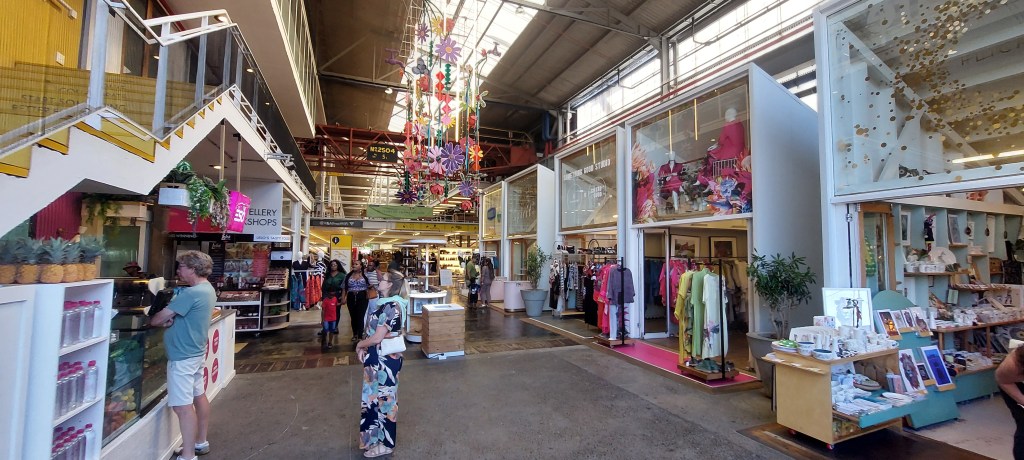
Yay! Woolies! An old favrit [sic] is still going strong in South Africa. There are several dotted around the city but the one in Cavendish Square [Claremont] was amazing, more like a John Lewis than the Woolies that I remember. The food hall was superb! The Waterfront has plenty of shopping delights including The Watershed which sells a wide range of arts and crafts by individual artisans. There are a wide range of shops in the city Centre too of course.
Mobile network
Make sure you have added a suitable bolt-on with your provider or you may get a nasty shock when you get home if you are planning to use any data while you are on your travels. We logged in to wifi when it was available. You can also buy a local sim at the airport which may be worth considering.
Load shedding
Cape Town has a power problem which can mean power outages at times, especially in peak season when demand is high. These outages are often scheduled and are called load shedding. Our trip was out of season and we had no power issues at all during our stay. For more info click HERE.
Further reading
There are plenty of guide books out there and I had two pocket sized ones – The Eyewitness Guide by Phillip Briggs [who is an excellent writer] and also the Berlitz Guide. If you want a weightier tome, The Rough Guide and The Lonely Planet books should keep you happy. My books coupled with the interweb and speaking to my new South African family gave me everything I needed. The books are all readily available on Amazon.
Quick Links:
 Gruntie's Travels