Ioannina is to the west of Meteora on the edge of Lake Pamavotis. It’s on the main road to Igoumenitsa, so it’s an ideal place to stop if you are heading to, or from the ferry.

The Modern Town
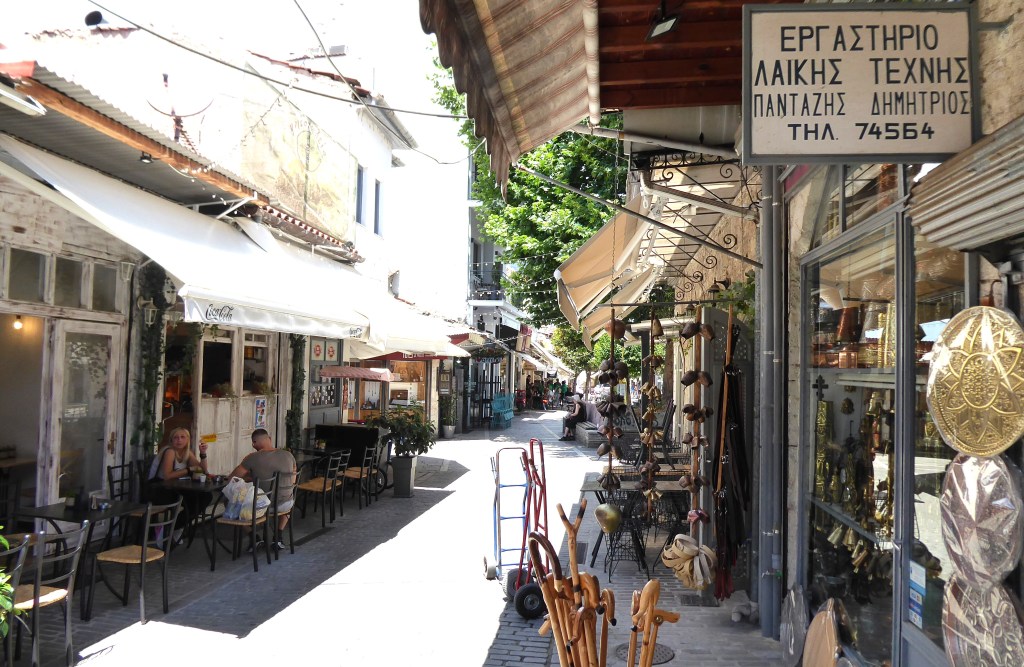

The modern town is outside the walled Old Town. There are a few places of interest in the modern town which includes the Archaeoligical Museum which is next to the cathedraI. The Old Jewish Quarter and Old Bazaar which has a plethora of pleasant bars, boutiques, jewelry shops and silversmiths lining the narrow streets. Near the old wall there is a Holocaust Memorial, dedicated to the 1850 Jewish people who were arrested and taken to concentration camps to their likely deaths in 1944.


The restaurants are decidedly average, I think we had our worst meal ever in Greece at one of them! However, if you are hungry I can recommend Metsovitiki Folia as a pleasant place for a meal although the menu is rather limited.
Undoubtedly the highlights of Ioannina are hidden in the old town behind the imposing walls-
The Old Town and Inner Citadel

In the 1788 the Albanian rebel Ali Pasha siezed Ioannina and made it his home until his bloody demise in 1821 when was shot and decapitated. For a detailed history on Pashar click HERE. The years of his occupation left his mark for us to still see. The outer walls of the old town surrounds the Kastro where you will find the Old Baths, library and Aslan Pasha Tzami [mosque] which is now home to the Municipal Museum. There are very few options for eating and drinking in the old town itself which is a shame.
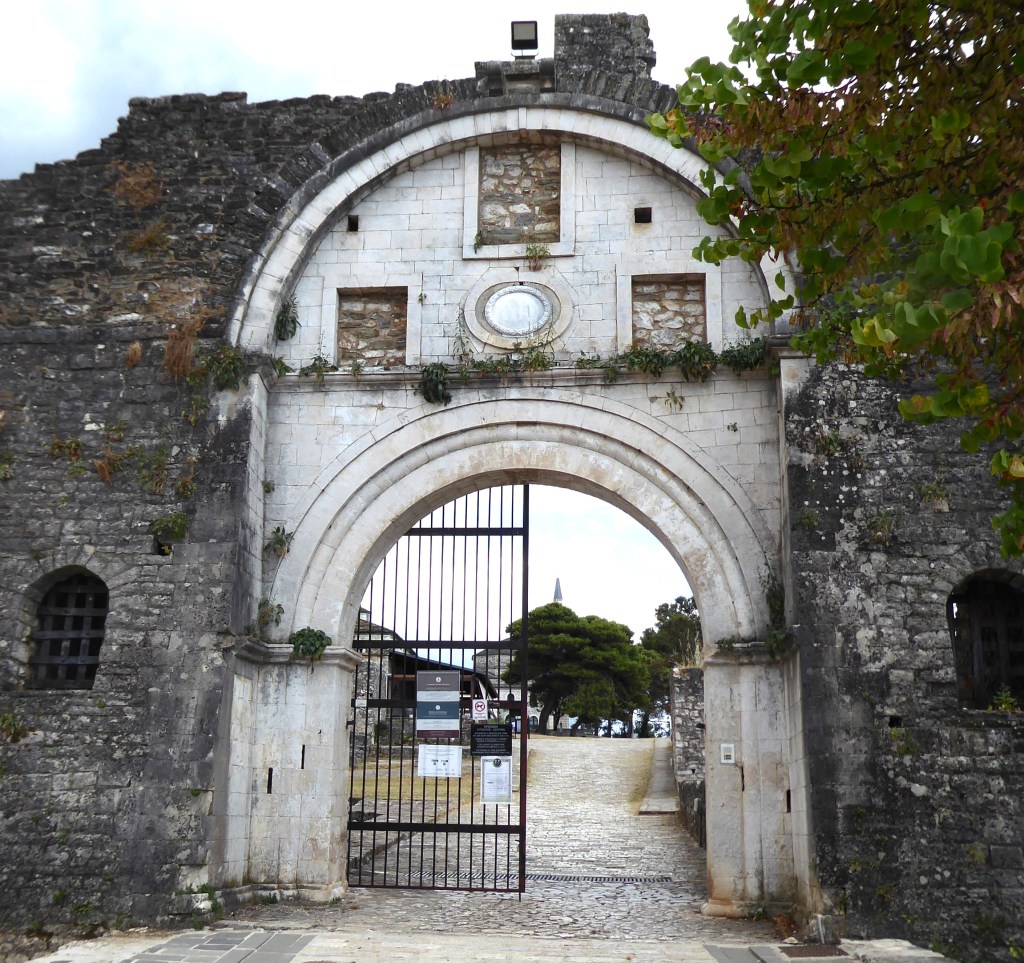
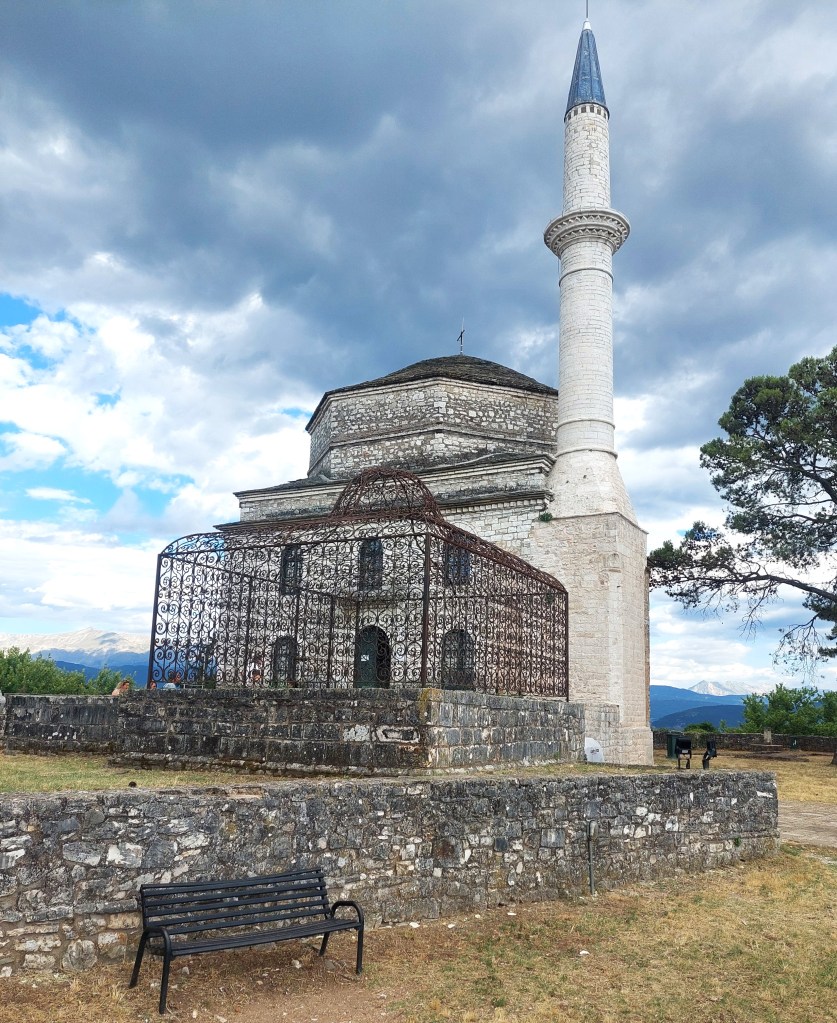
The Inner Citadel [also known as Its Kale], encased within a secondary wall is now a pleasant park area with views over the lake and is home to the palace ruins, the Treasury and Byzantime museums as well as a cafe. The tomb of Ali Pasha which allegedly houses his decapitated body is next to the Fethiye Tzami mosque shrined in a iron cage.
Nissi Island
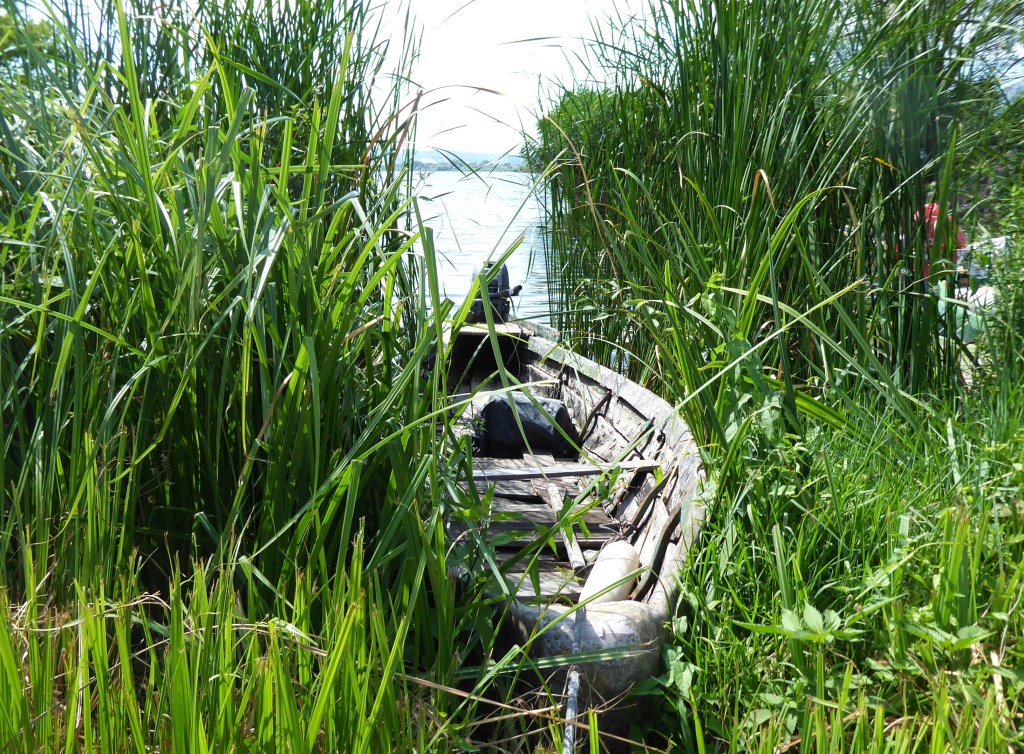
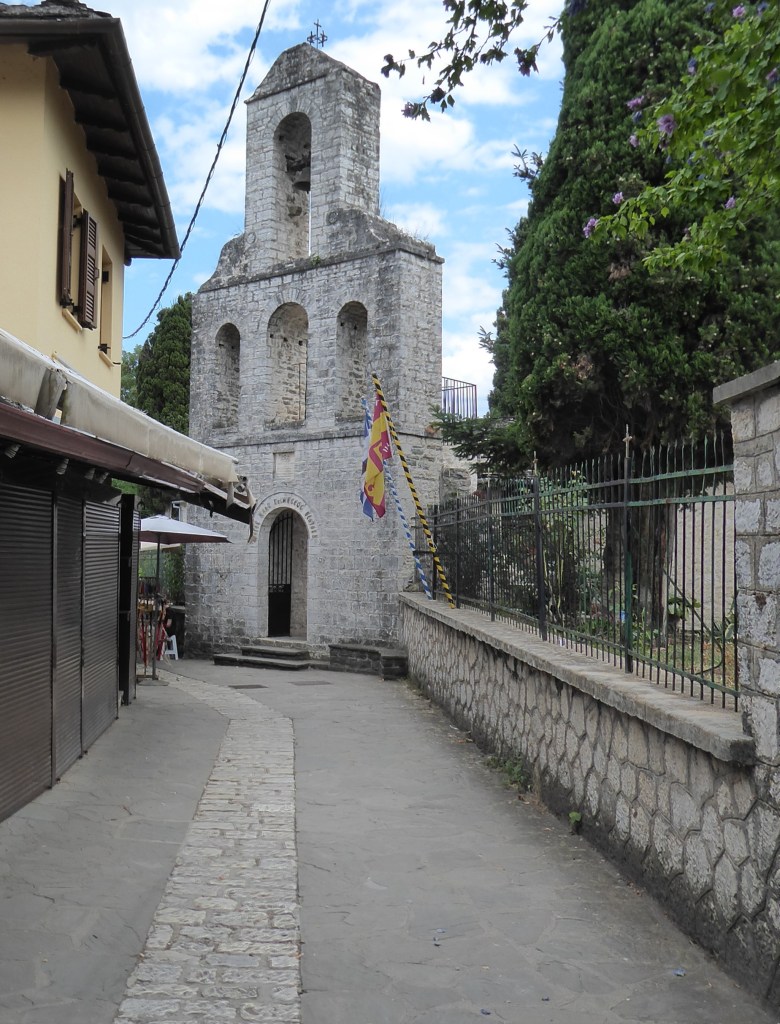

You can get to Nissi Island from a regular waterbus from the Quay in the Ioannina Old Town and the journey takes around 10 minutes. The island was founded by Mani refugees in the 16th century. Only the residents are allowed cars and there is nowhere to stay, but it’s a lovely place to veg out once you get away from the busy small harbour. When you arrive you will be greeted by several tavernas on the waterfront followed by shops selling artisan products and souvenirs with their owners trying to encourage you sample their produce. Beyond this it all becomes rather peaceful and there are several trails to follow as well as the monasteries and churches to see. The monasteries are likely to be shut in the afternoon- just when you want them to be open!
Quick Links:
 Gruntie's Travels